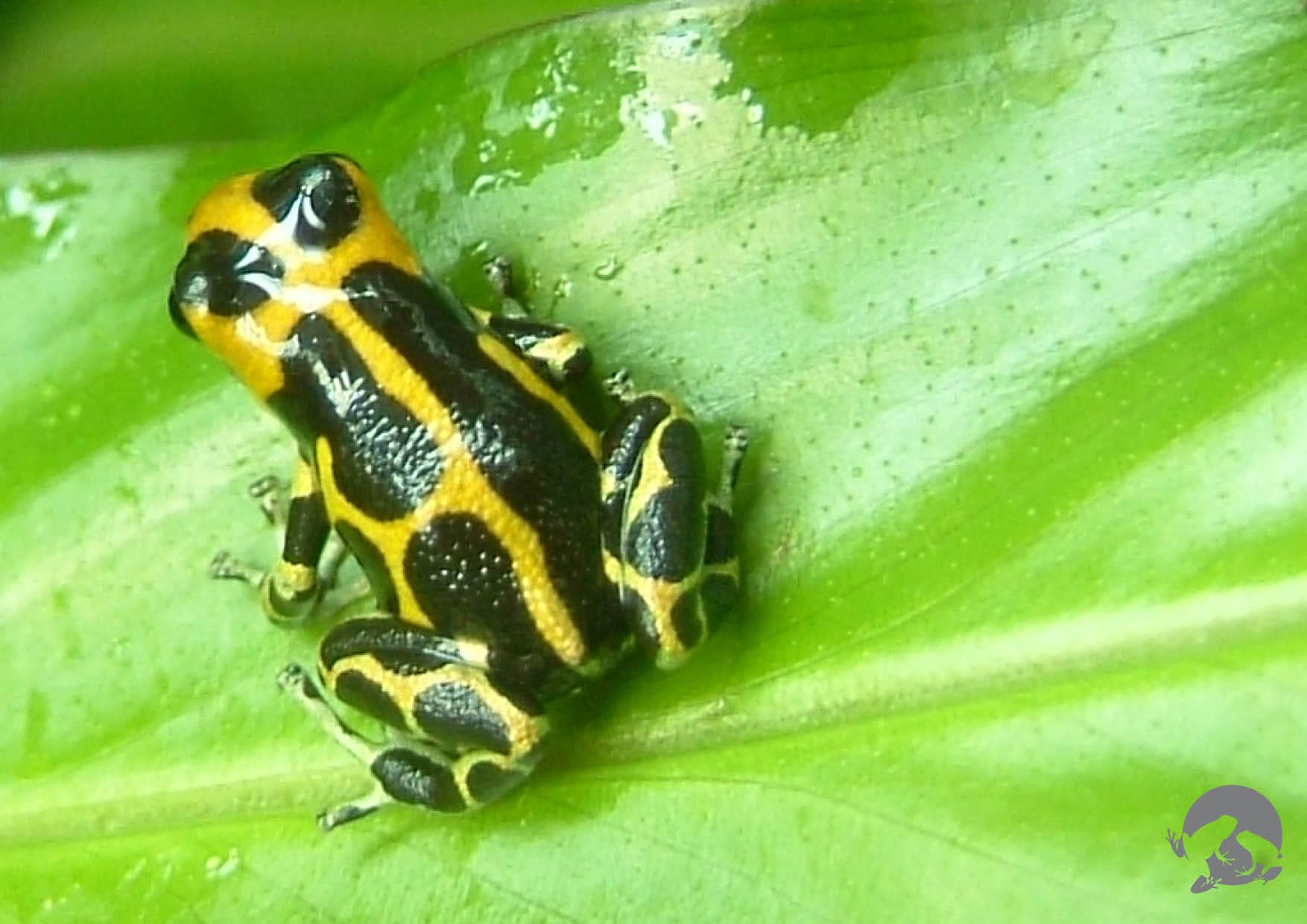
 © Gabsch / CC BY-SA 3.0
Mimic Poison Frog
The Mimic Poison Frog is a small dart frog best known for mimicking the colors and patterns of other dart frog species that share its habitat — a trait its name comes from. While the Variable Poison Frog in the same region is polygamous with only the male caring for the young, this species forms monogamous pairs that raise their offspring together, a behavior that fascinates keepers who enjoy observing natural behaviors. Its care level is considered intermediate, so proper humidity control, temperature management, and feeding routines should be understood before bringing one home.
View Mimic Poison Frog encyclopedia →Breeder Wanted!
List on BreederDirect and sell directly to customers nationwide!
BreederDirect's 6 Transparency Commitments
Every Reptiles & Amphibians from verified Breeder breeders includes complete information: morph, genetics, feeding requirements, and temperament details.
- Morph Information
- Actual Photos
- Feeding Information
- Temperament Information
- Genetics Information
- Age (Months)
Browse all 319 breeds
Difficulty Level
Feeding Type
Temperament
Verified breeders wanted for Reptiles & Amphibians
Breeders are signing up now ahead of launch. Subscribe to be notified when new listings go live.
Getting alerts is free with a member account. When new listings match your saved search, we'll notify you by email and in-app.
Browse other categories
Verified breeders (preview)
Are you raising reptiles & amphibians?
Register as a breeder and connect with buyers directly.
Apply as a breederMimic Poison Frog key facts
- Care level
- Intermediate
- Lifespan
- Poison frogs are said to live 10-15 years in captivity
- Temperature
- 21〜27℃
- Humidity
- 80〜100%
- Diet
- Carnivore (springtails, fruit flies and other tiny insects)
- Temperature & Humidity
- As for poison frogs in general, keep at 21-27°C (70-80°F) and avoid overheating. Keep humidity high at 80-100%.
- Housing
- Use a well-planted glass terrarium with morning and evening misting or an automatic mister. Fine mesh ventilation is needed for such a small frog.
- Diet & Feeding
- Feed tiny live prey such as fruit flies, springtails and pinhead crickets, dusted with calcium at every feeding.
- Temperament
- Males are territorial, so it is usually kept in pairs.
- Health & Cautions
- The skin is thin and dries easily, so observe rather than handle. Amphibians can carry infectious diseases such as chytridiomycosis, so never release captive animals or pour tank water into the wild.
- Notes
- Because each morph resembles a different species, always check the locality, morph and scientific name when buying. Avoid crossing different morphs.
About Mimic Poison Frog
The Mimic Poison Frog is a small dart frog known for mimicking nearby species and for monogamous, pair-based parental care. It is suited to intermediate keepers.
7 things to know before welcoming a Mimic Poison Frog
1Coloration That Mimics Others
This species is known for evolving coloration and patterns that closely resemble other dart frog species living in the same area. Color variation between populations is part of what makes it so appealing to keepers.
2Monogamous Parental Care
Unlike many dart frogs, this species forms monogamous pairs that cooperate in caring for eggs and tadpoles. Males are often seen guarding the eggs, while females may carry unfertilized eggs to feed the tadpoles.
3Best Suited to Intermediate Keepers
This species is generally considered suited to intermediate keepers, so prior experience with amphibians or tropical animals is a plus. Learning about humidity control and live food supply beforehand will make the transition smoother.
4Warm, Humid Enclosure Setup
Keeping this frog means recreating a warm, humid rainforest-like environment in a paludarium or vivarium. Balancing ventilation with good drainage helps prevent mold and other issues from excess moisture.
5Daily Feeding Is Required
Because of its small size, this frog needs daily feedings of tiny live foods such as fruit flies and springtails. Dusting the food with calcium and vitamin supplements helps keep its nutrition balanced.
6Minimize Direct Handling
Its skin is thin and sensitive, so handling with bare hands should be kept to a minimum. Care should be taken to avoid contact with lotions, chemicals, or residue on hands and equipment.
7Check Locality and Color Morph When Buying
Because each color morph resembles a different species, always confirm the locality name, morph, and scientific name when buying, and avoid crossing different morphs. The species is listed under CITES Appendix II: international trade requires an export permit, but no registration is needed to keep or transfer one within Japan.
Frequently asked questions about Mimic Poison Frog
- Q.Can beginners keep this frog?
- A.The Mimic Poison Frog is generally considered suited to intermediate keepers. It's recommended to have some amphibian-keeping experience, or at least to learn about humidity control and live food supply before bringing one home.
- Q.How big does it grow?
- A.It's classified as a small dart frog, staying compact even as an adult. Detailed size data is limited, but compared to larger species it's considered easier to house in a smaller space.
- Q.Why is it called the "Mimic" Poison Frog?
- A.Its name comes from its habit of mimicking the coloration and patterns of other dart frog species living in the same area. Color variation across different populations is also a notable feature.
- Q.Can it be kept in groups with other frogs?
- A.Since this species forms monogamous pairs that cooperate in raising young, keeping them as a pair is the basic approach. If housing multiple individuals together, careful attention to enclosure layout and group balance is needed.
Useful tools for Mimic Poison Frog care
Learn more about Mimic Poison Frog in the encyclopedia
View Mimic Poison Frog encyclopedia entry →
Care difficulty, lifespan, size and diet — all basics covered.
More in this category
Can't find the one you're looking for?
Post your wishes for free and breeders with matching animals will contact you with introductions.