Source: Wikimedia Commons
Mimic Poison Frog
IntermediateRanitomeya imitator
A small poison frog famous for mimicking the colors of other poison frogs living nearby. It is also notable for monogamy and biparental care.
Difficulty
Intermediate
Temperature
21〜27℃
Lifespan
Poison frogs are said to live 10-15 years in captivity
Size
A small poison frog (few published body-size data)
Humidity
80〜100%
Diet
Carnivore (springtails, fruit flies and other tiny insects)
About
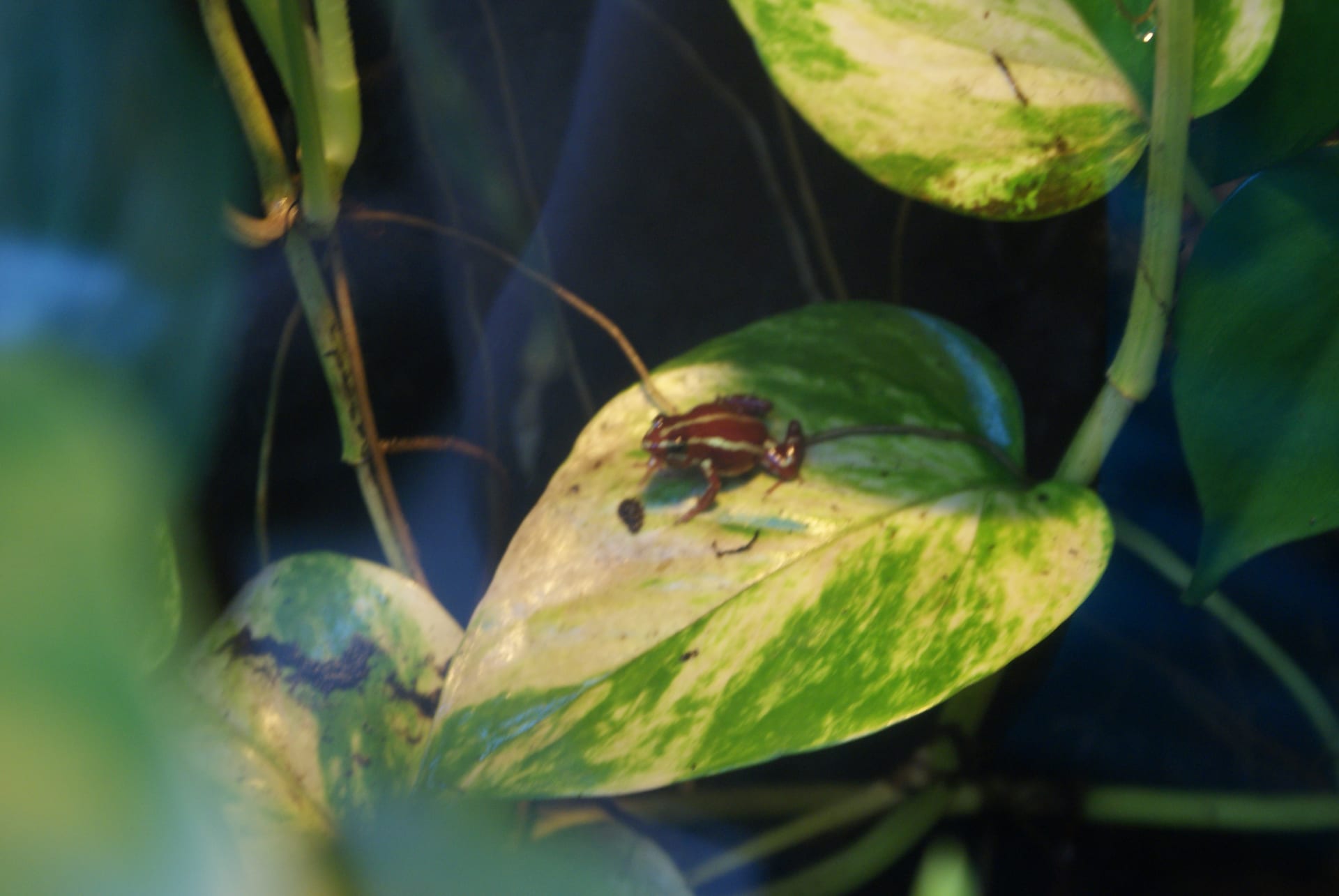
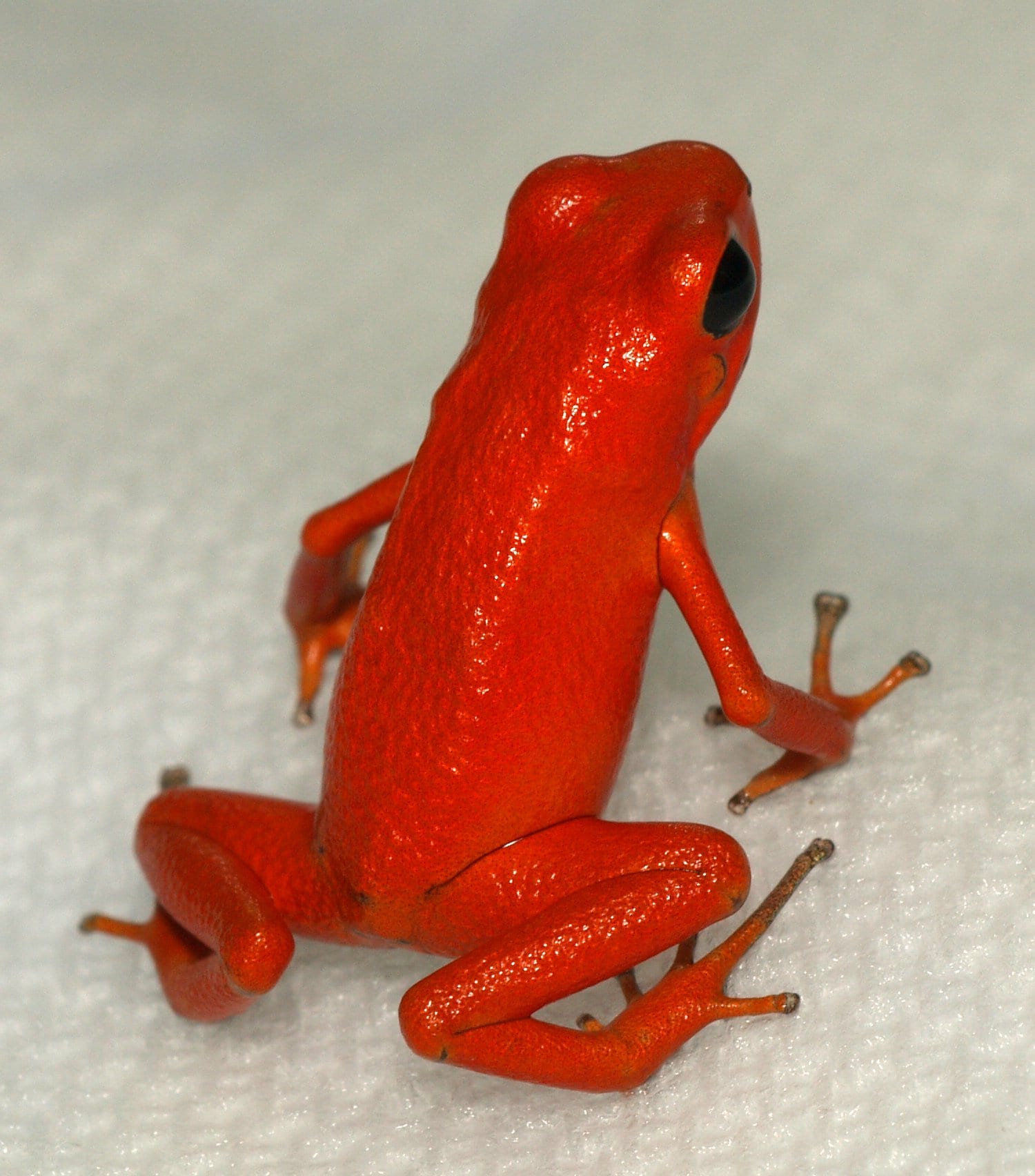
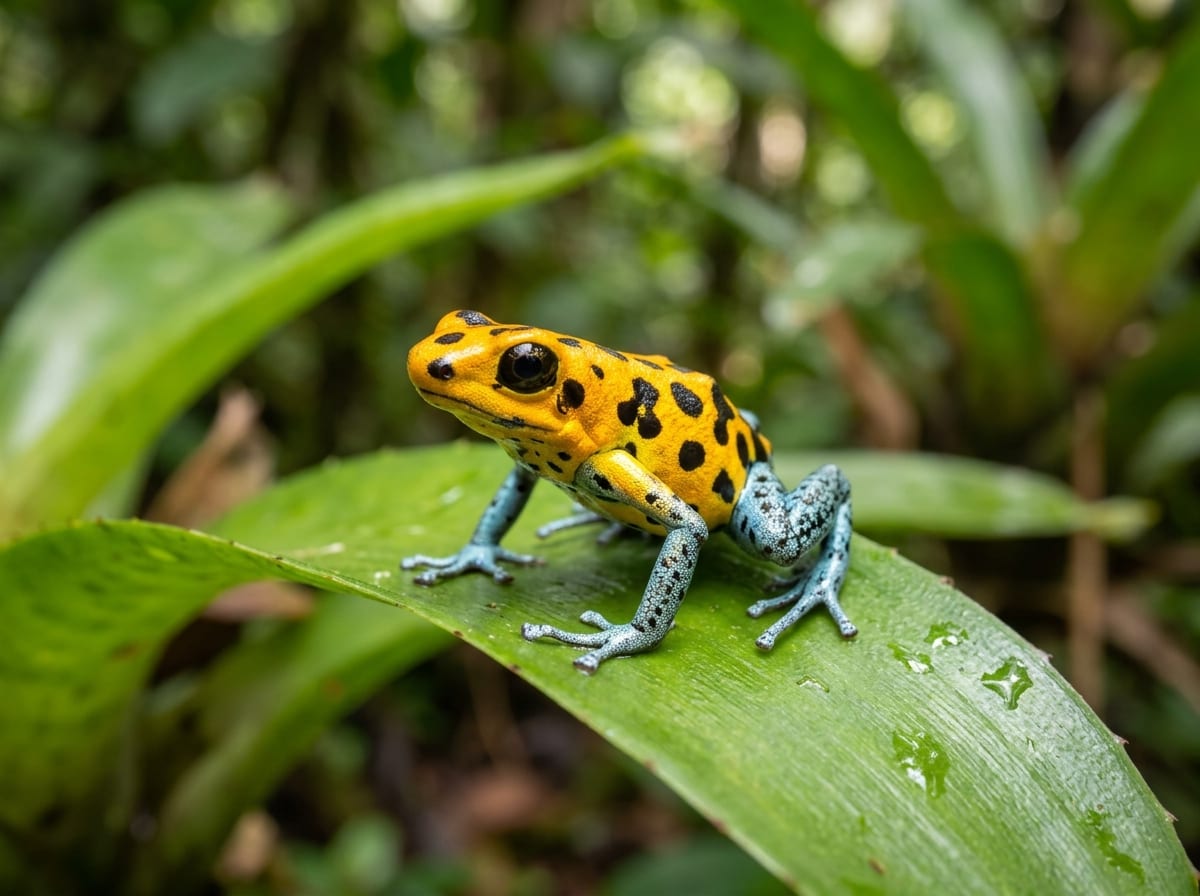
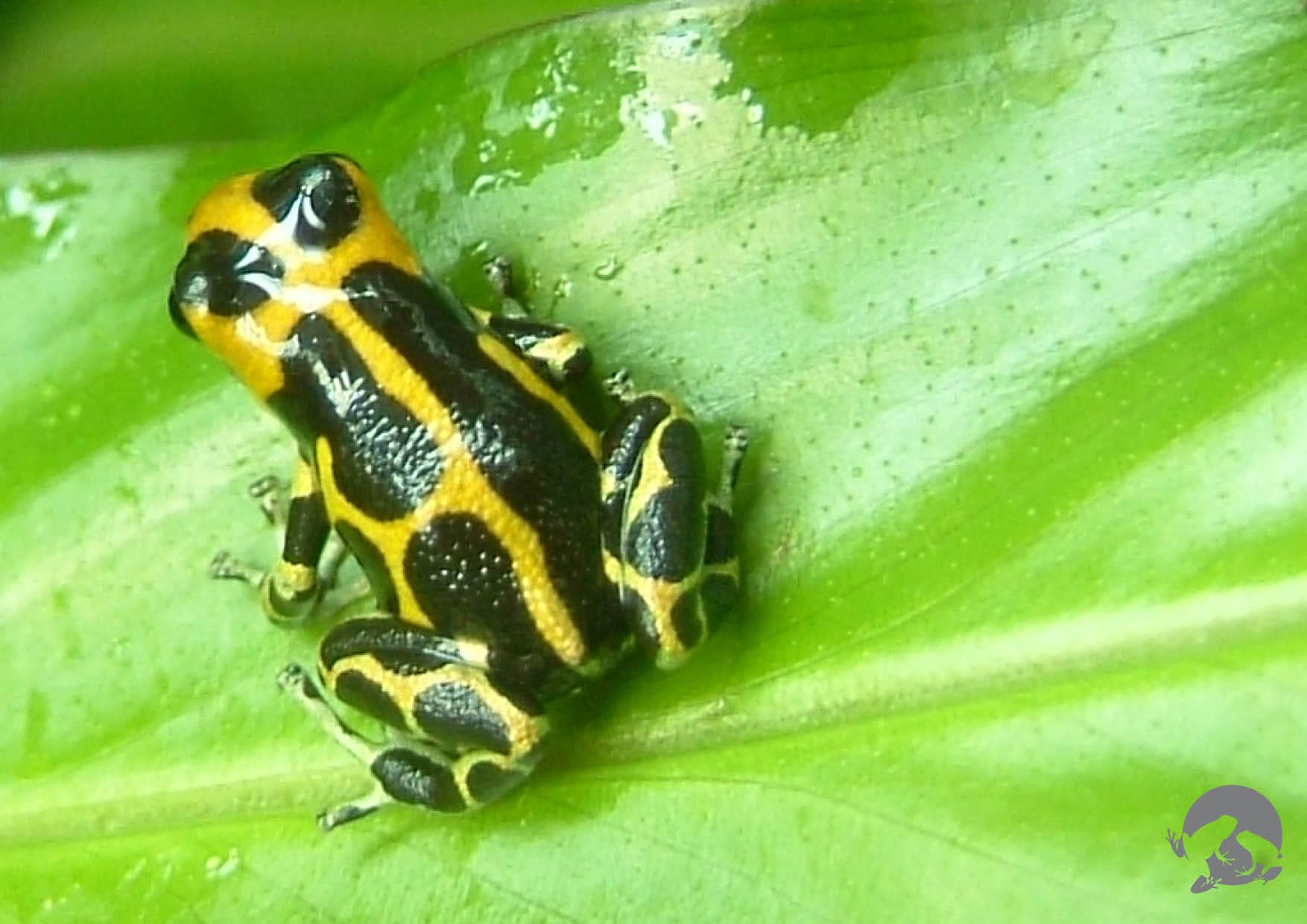
The mimic poison frog is a Ranitomeya poison frog from north-central eastern Peru, including the lower Huallaga River drainage, where it lives in primary and old secondary forest between 200 and 1,200 m. Described by Rainer Schulte in the late 1980s, it occurs in four color morphs that resemble sympatric species: the striped morph mimics lowland R. variabilis, the spotted morph mimics highland R. variabilis, the banded morph mimics R. summersi and the Varadero morph resembles R. fantastica. It is diurnal, with activity peaks early and late in the day. Males are territorial and usually base themselves on a single plant. Unlike R. variabilis, it is monogamous and both parents care for the young, which is one way to tell the two apart. It eats ants, mites, springtails and other small invertebrates. Captive frogs are considered non-toxic because of their diet. In Japan, captive-bred frogs labeled with locality names such as Chazuta are sold in specialist shops.
Source: Wikipedia (CC BY-SA 4.0)
Lifespan of the Mimic Poison Frog
The Mimic Poison Frog lives Poison frogs are said to live 10-15 years in captivity.
Temperature & humidity for the Mimic Poison Frog
The ideal temperature for the Mimic Poison Frog is 21〜27℃. Ideal humidity is 80〜100%.
Basic Info
Origin
North-central Peru (Huallaga River drainage and nearby, 200-1,200 m)
Lifespan
Poison frogs are said to live 10-15 years in captivity
Size
References & Sources
Edited & verified by: BreederDirect editorial team
The taxonomic, regulatory, and husbandry data on this page are compiled and verified against the authoritative primary sources below.
Taxonomy & Authority
Accepted name: Ranitomeya imitator (Schulte, 1986)
Synonyms: Dendrobates imitator Schulte, 1986, Dendrobates imitator intermedius Schulte, 1999, Dendrobates imitator yurimaguensis Schulte, 1999, Ranitomeya intermedia (Schulte, 1999)
Authority databases: GBIF · GBIF: Ranitomeya imitator · Wikipedia: Mimic poison frog
Nomenclature follows global taxonomic authority databases.
Regulations & Conservation Status
CITES Appendix II
Listed in CITES Appendix II. International trade requires an export permit from the country of origin, but no registration is needed to keep or transfer the animal within Japan. The whole genus Ranitomeya is listed (since 1987, formerly under Dendrobates). Under the Invasive Alien Species Act, imported frog larvae (tadpoles) must be accompanied by a species identification certificate; keeping or transferring adults within Japan is not restricted. Amphibians can carry infectious diseases such as chytridiomycosis, so never release captive animals or pour tank water into the wild.
Sources: Species+ (CITES): Ranitomeya imitator
Regulations may change. Always verify the latest information with the relevant authorities.
Mimic Poison Frog Listings
Loading latest listingsFind listings for this species