Source: Wikimedia Commons
Wood Turtle
AdvancedGlyptemys insculpta
A North American turtle whose carapace scutes rise in pyramids with sculpted growth rings. It moves between clear streams and land and has lived 58 years in captivity.
Difficulty
Advanced
Temperature
25〜32℃
Lifespan
Up to 40 years in the wild; 58 years recorded in captivity
Size
Carapace length 14-20 cm
Humidity
40〜70%
Diet
Omnivore (earthworms, insects, greens, fruit)
About
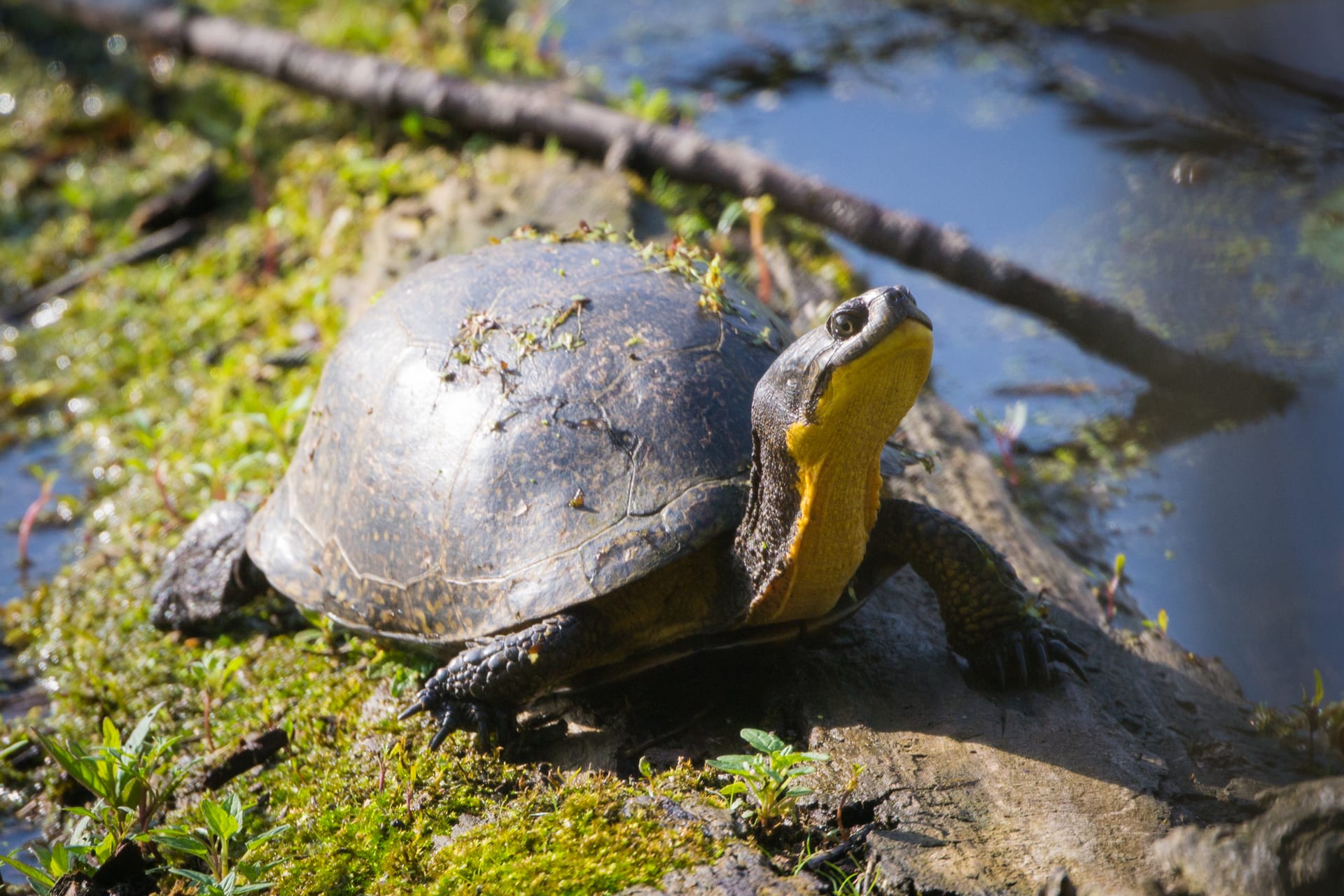
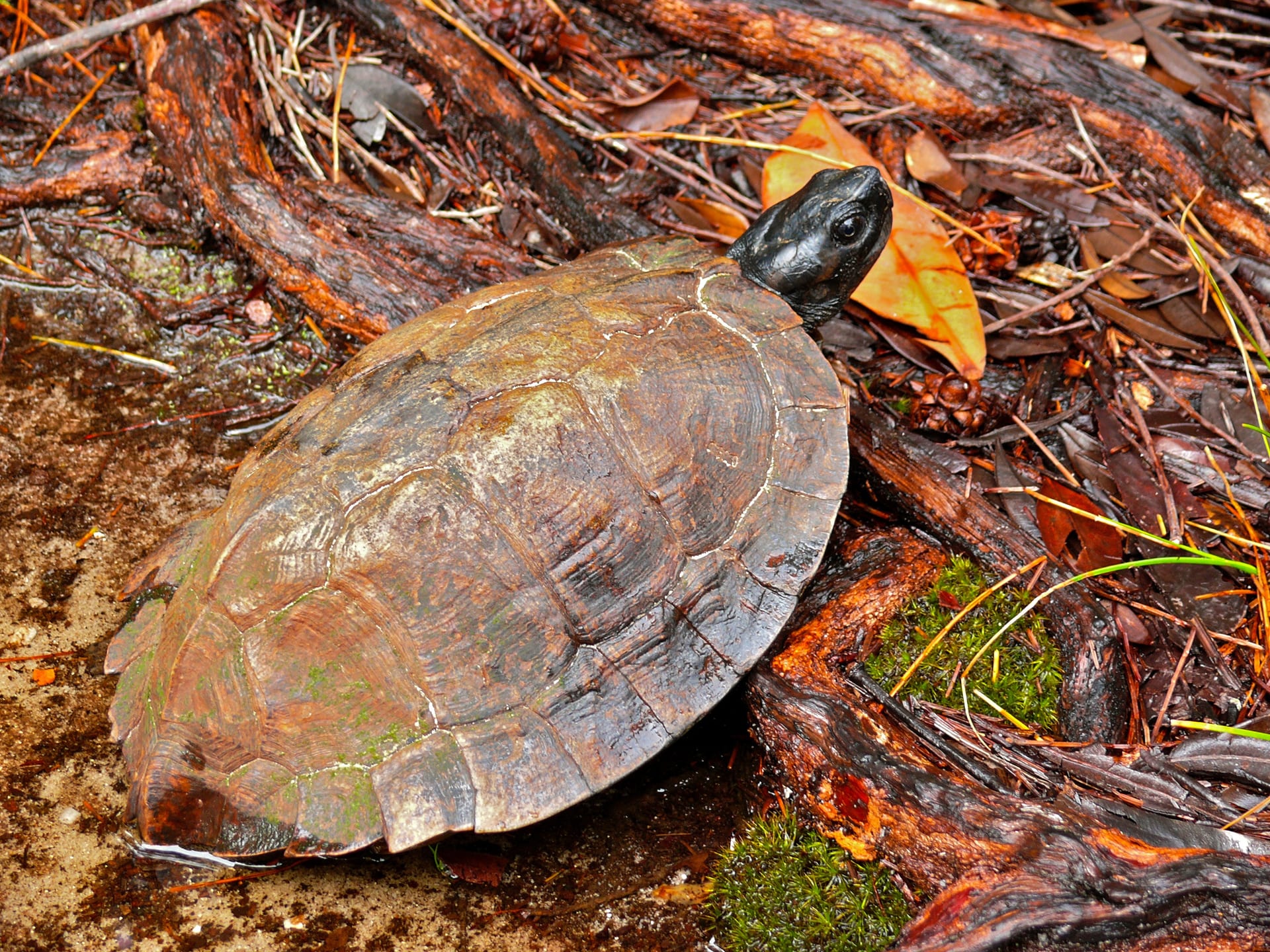
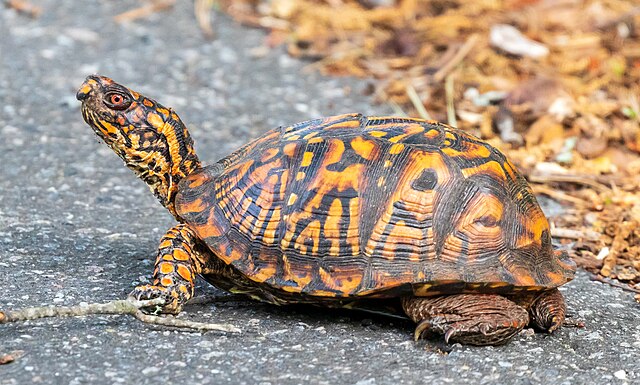
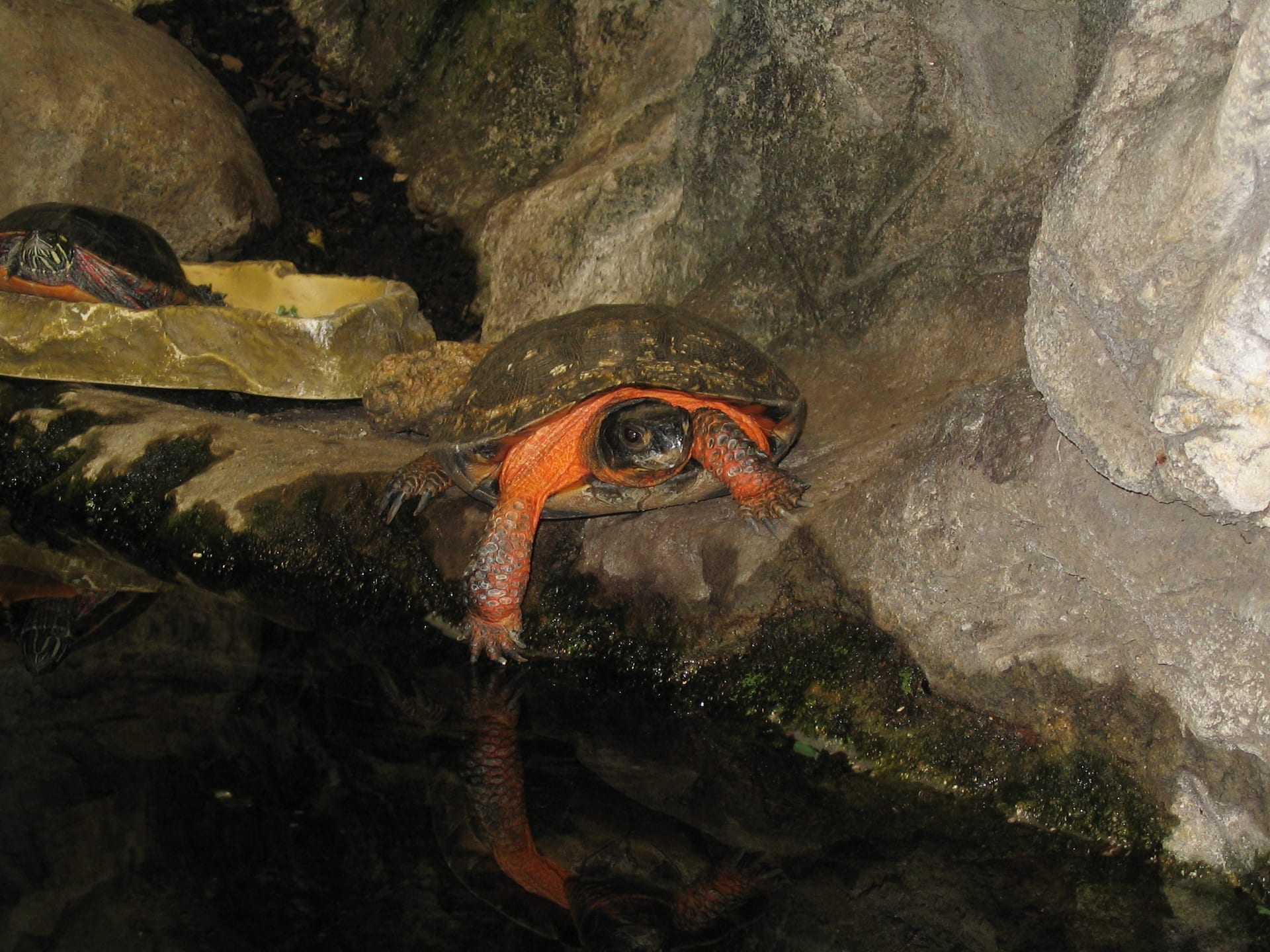
The wood turtle is an emydid of the genus Glyptemys found in north-eastern North America from Nova Scotia west to Minnesota and south to northern Virginia. The genus contains only this species and the bog turtle, and both were formerly placed in Clemmys. Carapace length is 14 to 20 cm, and its defining feature is the pyramidal shape of the carapace scutes with sculpted growth rings, which gives the species name insculpta. No subspecies are recognized, but western animals have paler inner legs and undersides of the neck than eastern ones. It prefers shallow, clear streams with compacted, sandy bottoms and rarely strays more than a few hundred meters from flowing water, though it also uses forest and grassland. It is diurnal, hibernates in winter and estivates in the hottest part of summer. It is omnivorous and can eat both on land and in water. Wild animals have lived 40 years and captives 58. Habitat destruction, road deaths and illegal collection make it a species of high conservation concern. Despite "ishigame" in its Japanese name, it belongs to a different genus from Japan's native Japanese pond turtle. In Japan small numbers of captive-bred animals are sold in specialist shops.
Source: Wikipedia (CC BY-SA 4.0)
Lifespan of the Wood Turtle
The Wood Turtle lives Up to 40 years in the wild; 58 years recorded in captivity.
Size of the Wood Turtle
The Wood Turtle grows to Carapace length 14-20 cm.
Basic Info
Origin
North-eastern North America (eastern Canada to the north-eastern USA and Great Lakes)
Lifespan
Up to 40 years in the wild; 58 years recorded in captivity
References & Sources
Edited & verified by: BreederDirect editorial team
The taxonomic, regulatory, and husbandry data on this page are compiled and verified against the authoritative primary sources below.
Taxonomy & Authority
Accepted name: Glyptemys insculpta (Le Conte, 1830)
Synonyms: Chelopus insculptus (Le Conte, 1830), Clemmys insculpta Fitzinger, 1835, Emys inscripta Gray, 1831, Emys speciosa Gray, 1831, Emys speciosa levigata Gray, 1831
Authority databases: GBIF · The Reptile Database: Glyptemys insculpta · GBIF: Glyptemys insculpta
Nomenclature follows global taxonomic authority databases.
Regulations & Conservation Status
CITES Appendix II
Listed in CITES Appendix II. International trade requires an export permit from the country of origin, but no registration is needed to keep or transfer the animal within Japan. It has been listed since 1992. Despite "ishigame" in its Japanese name, it belongs to a different genus from Japan's native Japanese pond turtle (Mauremys japonica).
Sources: Species+ (CITES): Glyptemys insculpta
Regulations may change. Always verify the latest information with the relevant authorities.
Wood Turtle Listings
Loading latest listingsFind listings for this species