Source: Wikimedia Commons
Loggerhead Musk Turtle
BeginnerSternotherus minor
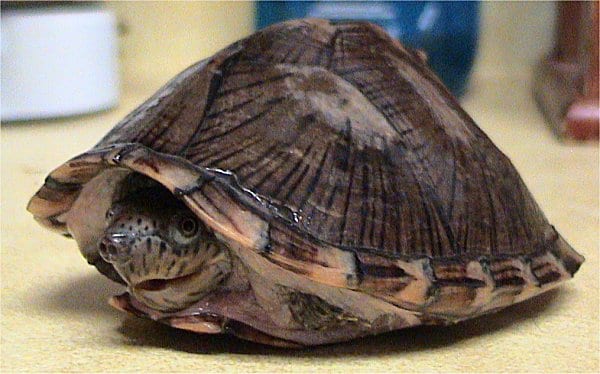
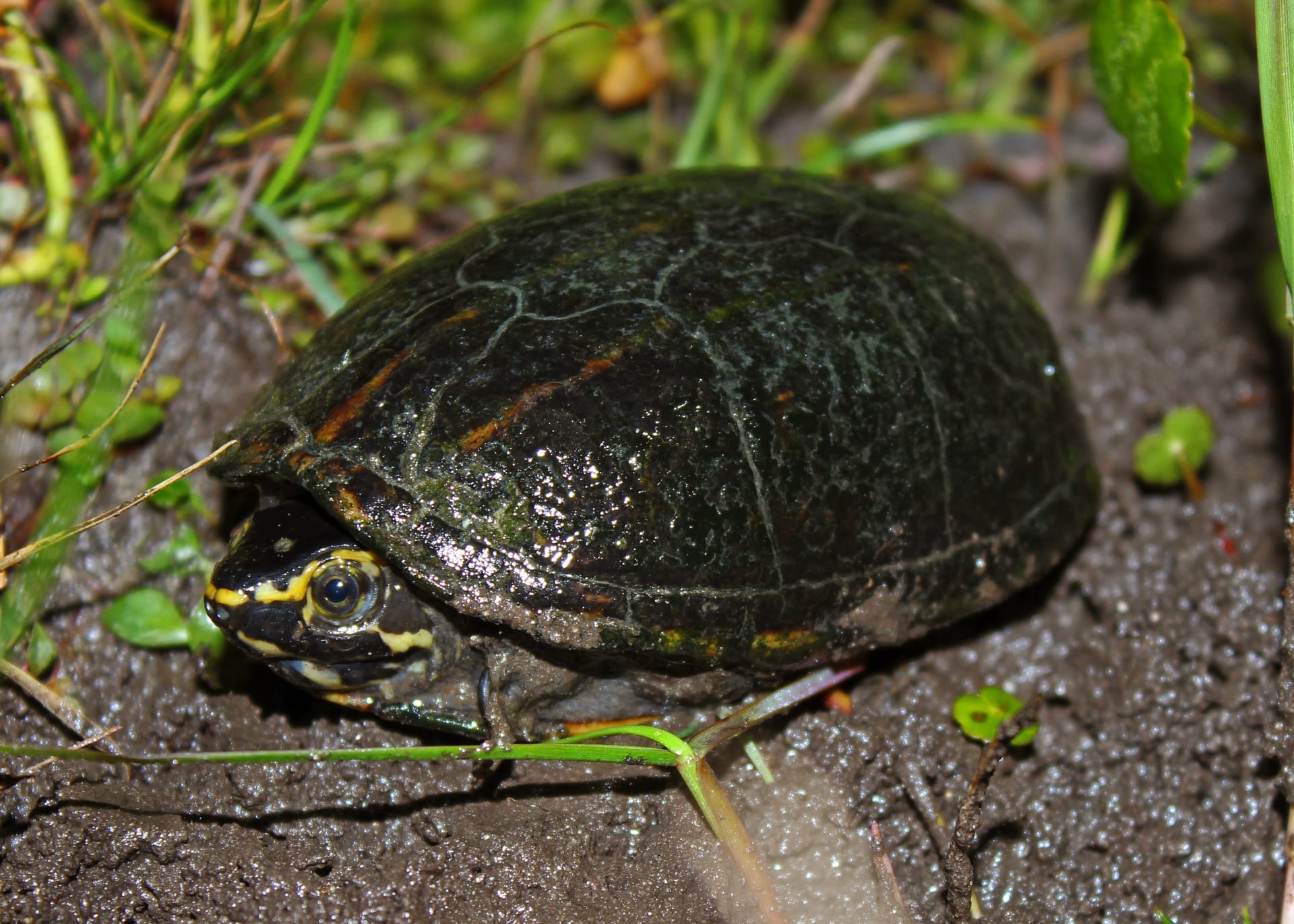
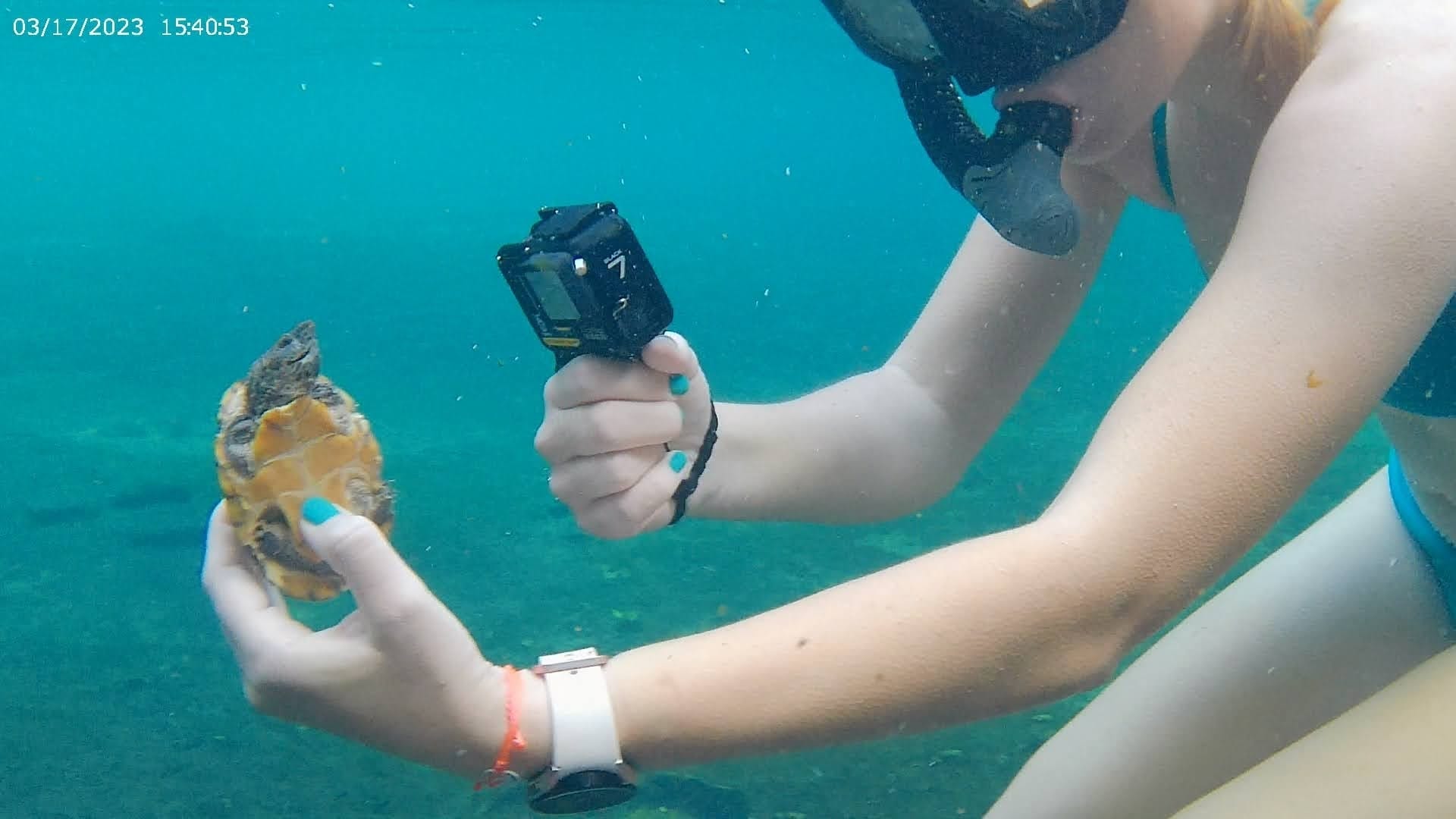
A small aquatic turtle of the rivers of the south-eastern United States. As its name implies the head is disproportionately large, pale with dark spots or stripes, and its powerful jaws crush clams and snails.
Difficulty
Beginner
Temperature
22〜27℃、29〜34℃
Lifespan
15-25 years
Size
7.5-14.5cm straight carapace length
Humidity
40〜70%
Diet
Snails, clams, fish, mosquito larvae, assorted insects and turtle pellets
About
Sternotherus minor is a turtle of the family Kinosternidae from the rivers and wetlands of the south-eastern United States. Straight carapace length is 7.5 to 14.5 cm with both sexes about equal, so despite its name it grows to much the same size as the common musk turtle. The carapace is light to dark brown with dark spots and streaks, each scute outlined in black. Juveniles have three keels, the lateral pair fading with age. The plastron is small and yellow, orange or pinkish. The head is markedly larger than in the common musk turtle, which is where both its English and Japanese names come from, and barbels are present only on the chin. It is strongly aquatic, leaving the water only to bask on fallen trees and branches, and it climbs well. It feeds mainly on snails, aquatic insects, amphibians and carrion, its strong jaws suited to crushing shells. Males mature at five to eleven years, females at eight to twelve.
Source: Wikipedia (CC BY-SA 4.0)
Lifespan of the Loggerhead Musk Turtle
The Loggerhead Musk Turtle lives 15-25 years.
Size of the Loggerhead Musk Turtle
The Loggerhead Musk Turtle grows to 7.5-14.5cm straight carapace length.
Temperature & humidity for the Loggerhead Musk Turtle
The ideal temperature for the Loggerhead Musk Turtle is 22〜27℃.
Basic Info
Origin
The south-eastern United States from south-western Virginia, eastern Tennessee and eastern Georgia through central Florida to the Pearl River, in rivers, wetlands and streams, favouring slow water over sand and shallow margins
Care Specifications
Semi-aggressiveSolitaryBreeding: Moderate
Sources: Reptiles Magazine: Mud And Musk Turtles / Wikipedia (German): Kleine Moschusschildkröte / Wikipedia (English)
References & Sources
Edited & verified by: BreederDirect editorial team
The taxonomic, regulatory, and husbandry data on this page are compiled and verified against the authoritative primary sources below.
Taxonomy & Authority
Accepted name: Sternotherus minor (Agassiz, 1857)
Synonyms: Goniochelys minor Agassiz, 1857, Kinosternon minor (Agassiz, 1857), Sternotherus carinatus minor (Agassiz, 1857)
Authority databases: GBIF · Reptile Database
Nomenclature follows global taxonomic authority databases.
Regulations & Conservation Status
CITES Appendix IIIUCN LC · Least Concern
The genus Sternotherus (Sternotherus spp.) has been listed on Appendix II since 23 February 2023 (adopted at CoP19 in 2022, Species+). As an Appendix II species, no registration certificate for internationally rare wild fauna and flora is required. This species is not included in the designated animals listed in the Schedule of the Order for Enforcement of the Law Concerning the Protection and Management of Animals.
Sources: CITES Appendices (Sternotherus spp., Appendix II, effective 23 February 2023) / IUCN Red List
Regulations may change. Always verify the latest information with the relevant authorities.
Loggerhead Musk Turtle Listings
Loading latest listingsFind listings for this species