Source: Wikimedia Commons
Rosy Boa
BeginnerLichanura trivirgata
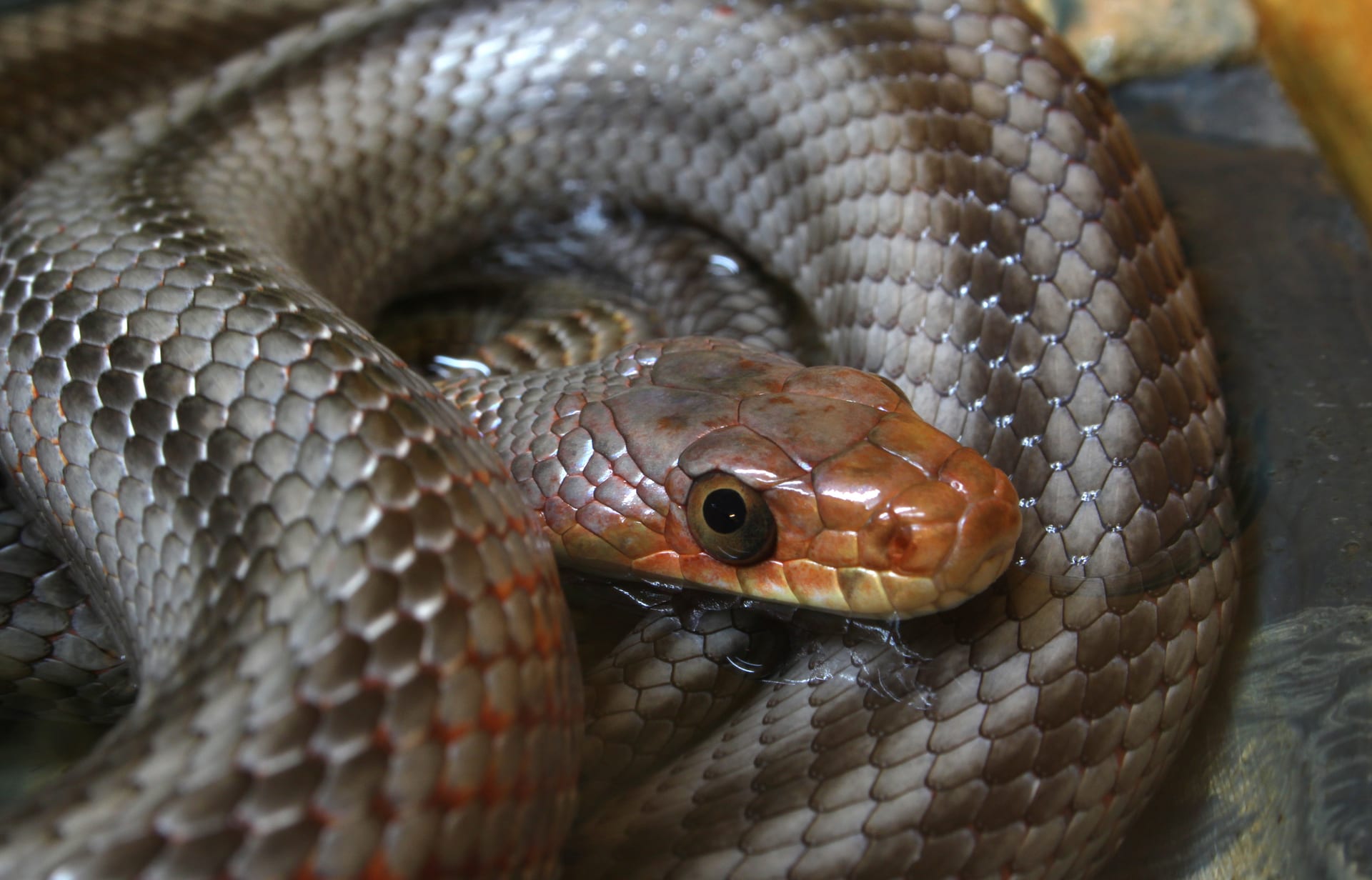
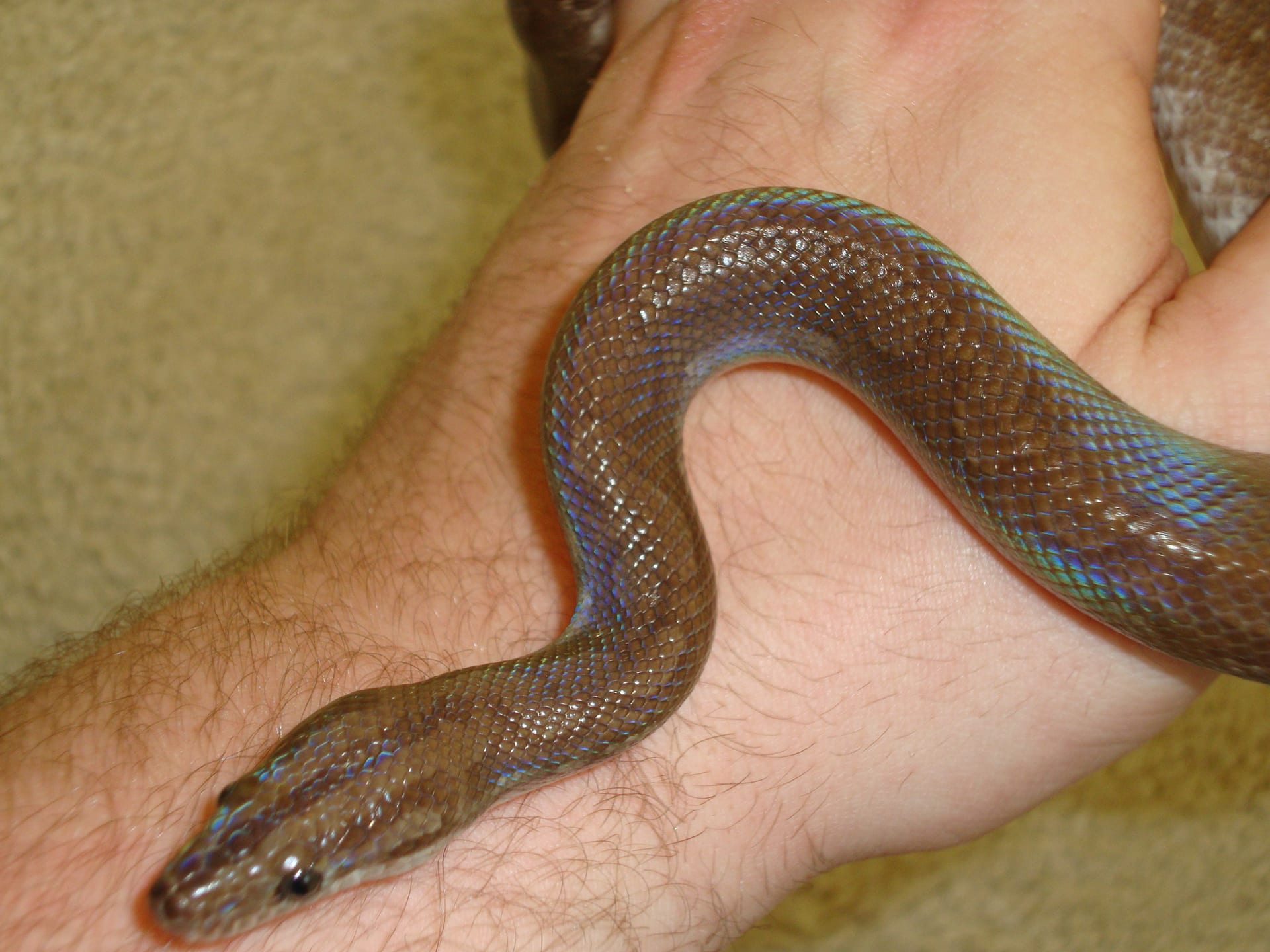
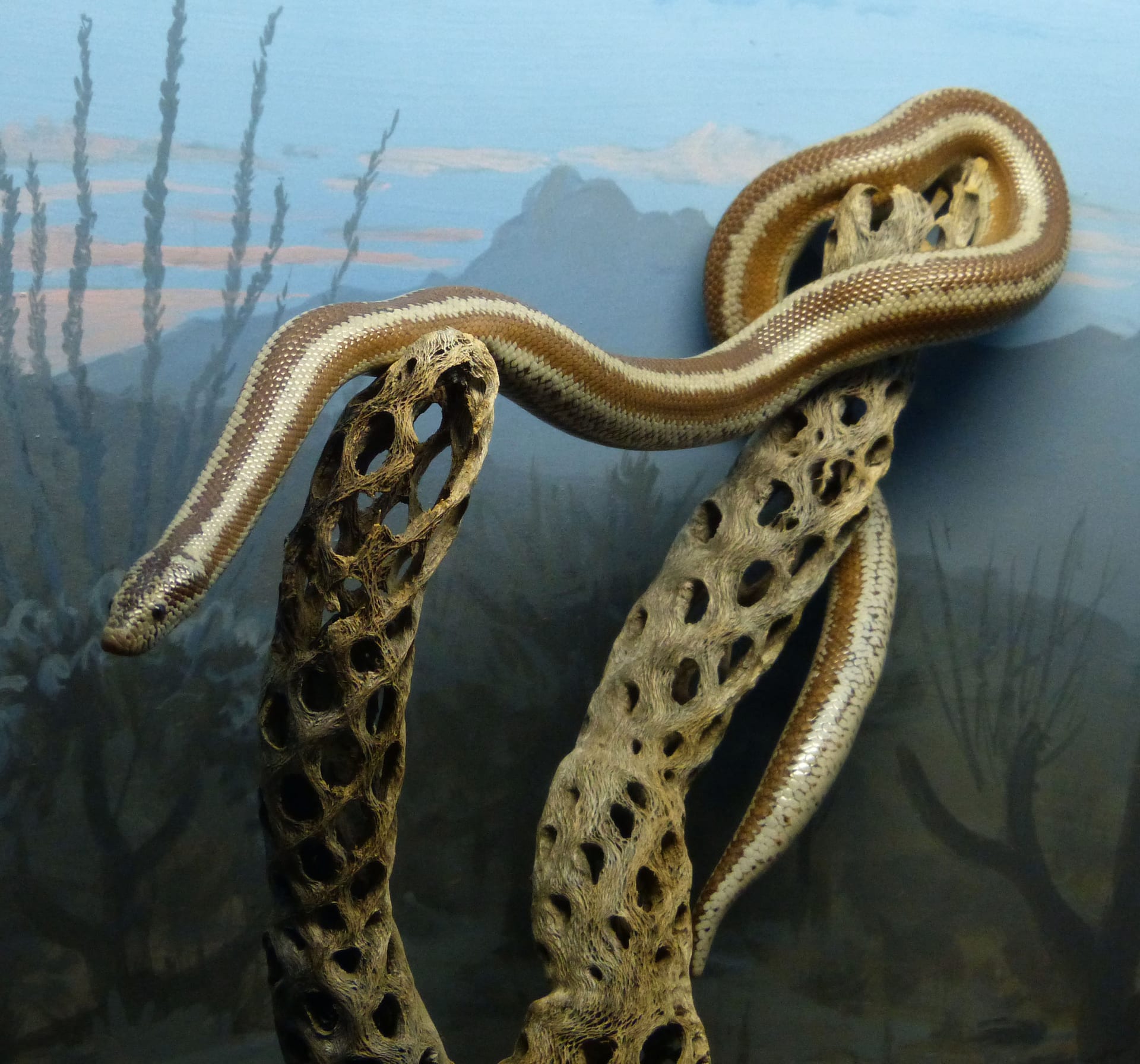
A small boa of the rocky deserts of the south-western United States and north-western Mexico. Named for its three longitudinal stripes, it is one of the slowest-moving snakes in the world and its docility makes it a common beginner species.
Difficulty
Beginner
Temperature
24〜32℃
Lifespan
20-30 years
Size
43-112cm
Humidity
60%
Diet
Thawed frozen mice
About
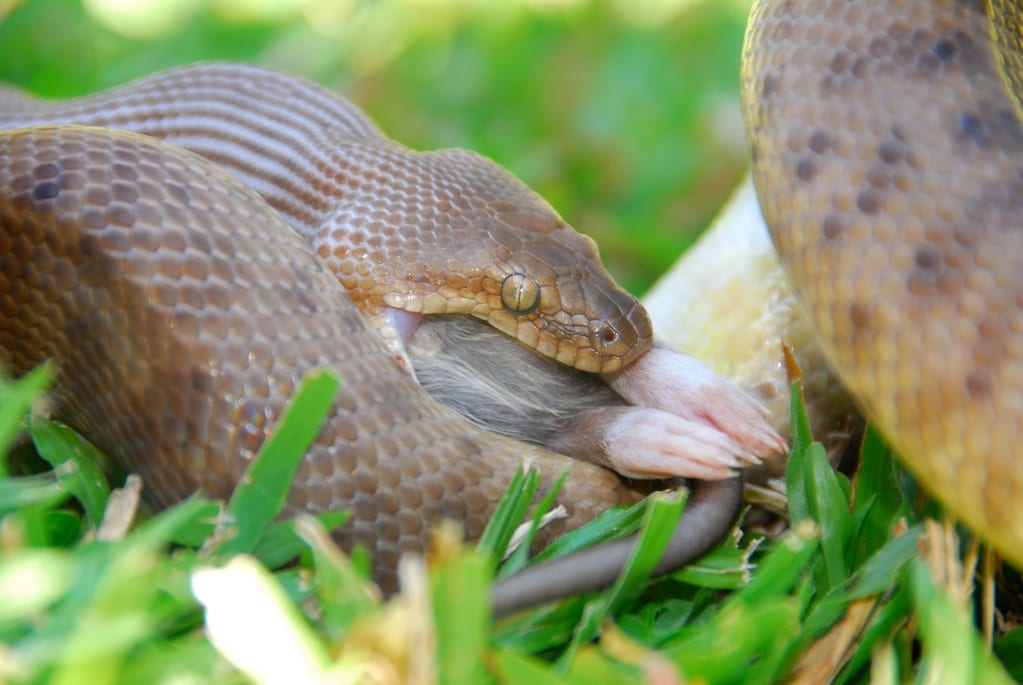
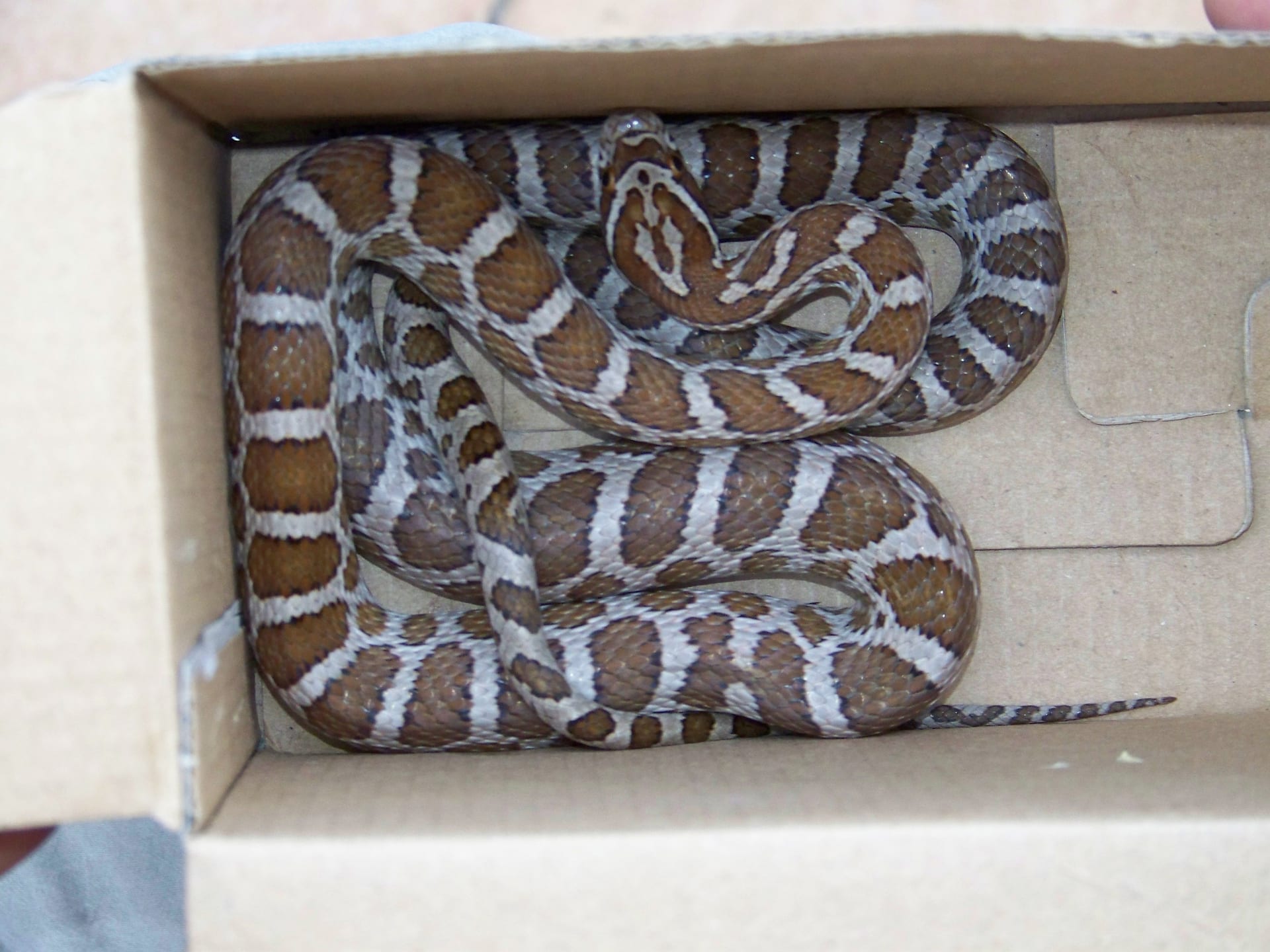
Lichanura trivirgata is a boid of the arid south-western United States and north-western Mexico. Total length ranges from 43 to 112 cm and varies considerably by subspecies and locality. Almost all individuals carry three longitudinal stripes, one down the spine and one along each flank, but their sharpness varies enormously and their colour ranges through orange, maroon, brown and black. It spends most of its life beneath rocks and in crevices, most often in granite outcrops. It brumates through winter and is most active in the spring breeding season, turning nocturnal in hot weather. One of the slowest-moving snakes in the world, it cannot chase prey and instead ambushes or stalks it before constricting. It is extremely docile, and when disturbed it rolls into a ball and releases foul-smelling musk rather than biting.
Source: Wikipedia (CC BY-SA 4.0)
Lifespan of the Rosy Boa
The Rosy Boa lives 20-30 years.
Size of the Rosy Boa
The Rosy Boa grows to 43-112cm.
Temperature & humidity for the Rosy Boa
The ideal temperature for the Rosy Boa is 24〜32℃. Ideal humidity is 60%.
Basic Info
Origin
Southern California and western Arizona in the United States, and Baja California and western Sonora in Mexico, in rocky desert such as granite outcrops
Lifespan
20-30 years
Care Specifications
PeacefulSolitaryBreeding: Moderate
Sources: ReptiFiles: Rosy Boa Care Sheet / Reptiles Magazine: Rosy Boa Care Sheet / Wikipedia (English)
References & Sources
Edited & verified by: BreederDirect editorial team
The taxonomic, regulatory, and husbandry data on this page are compiled and verified against the authoritative primary sources below.
Taxonomy & Authority
Accepted name: Lichanura trivirgata Cope, 1861
Synonyms: Charina trivirgata (Cope, 1861), Lichanura roseofusca Cope, 1868, Lichanura myriolepis Cope, 1868
Authority databases: GBIF · Reptile Database
Nomenclature follows global taxonomic authority databases.
Regulations & Conservation Status
CITES Appendix IIIUCN LC · Least Concern
Listed in Appendix II as Boidae spp. since February 4, 1977 (Species+). As an Appendix II species, an international endangered species certificate is not required. This species is not included in the designated animals listed in the enforcement regulations of the Animal Protection and Management Act.
Sources: CITES Appendices (Boidae spp., Appendix II, effective 4 February 1977) / IUCN Red List
Regulations may change. Always verify the latest information with the relevant authorities.
Rosy Boa Listings
Loading latest listingsFind listings for this species