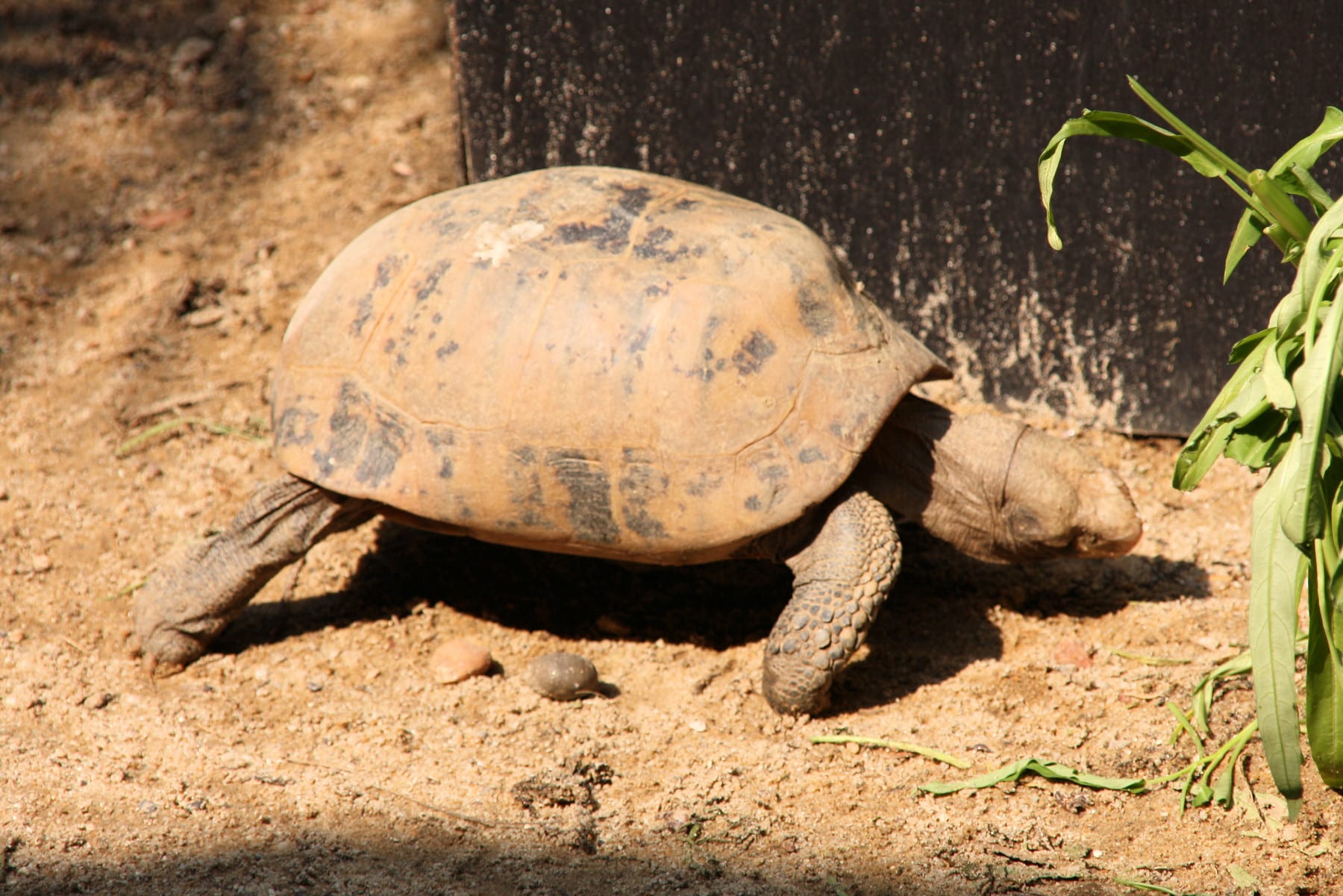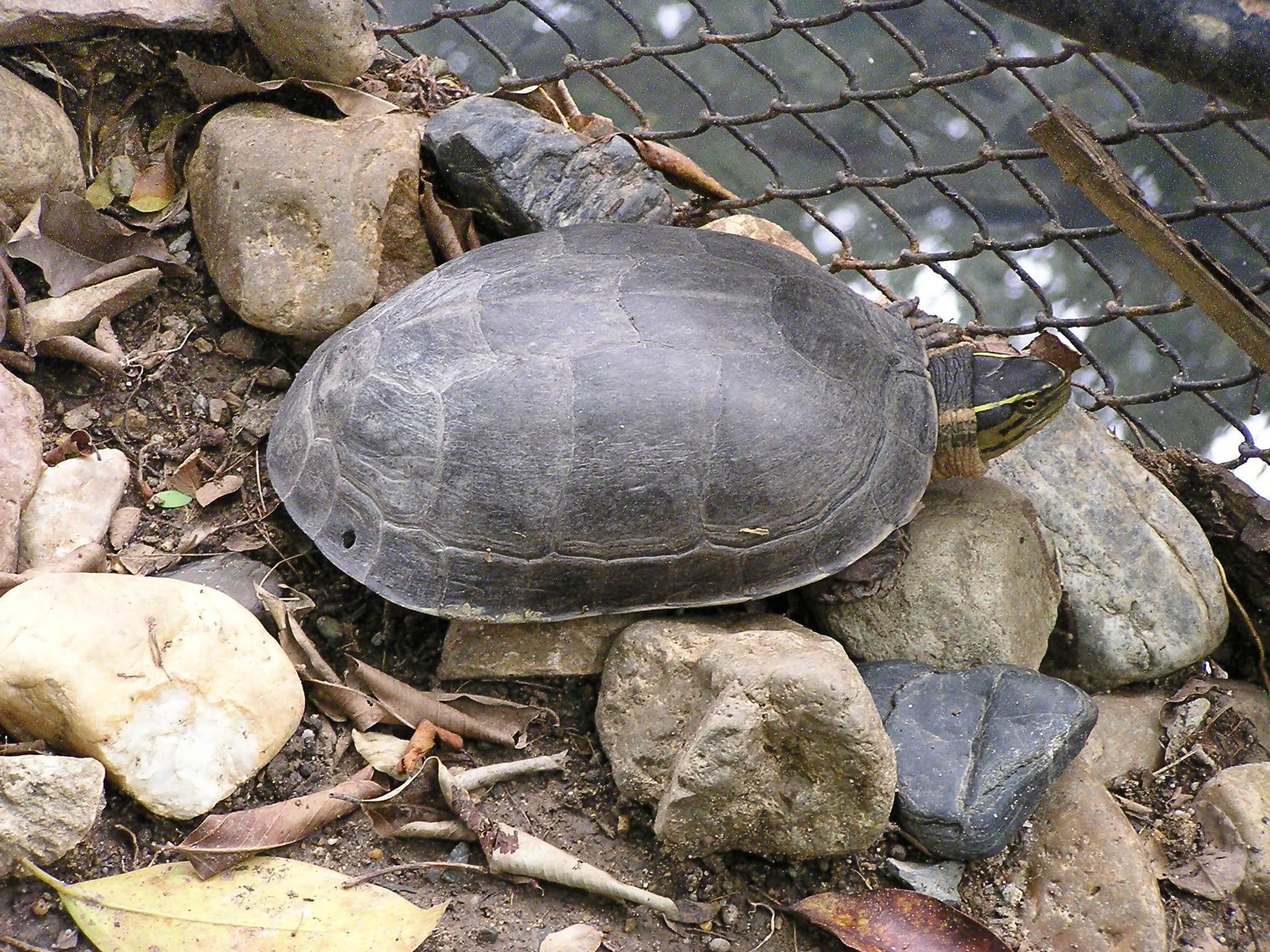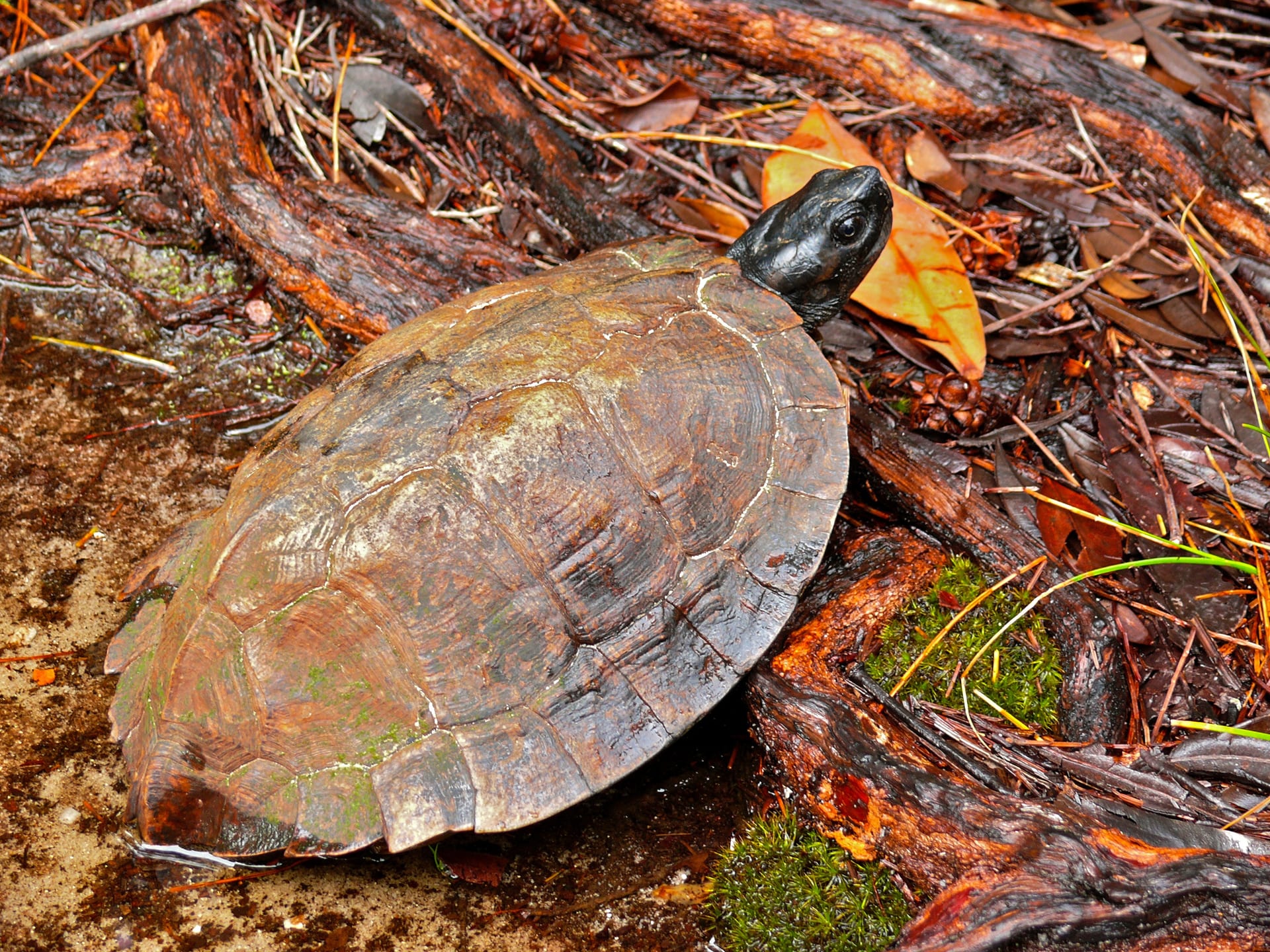
Source: Wikimedia Commons
Asian Leaf Turtle
IntermediateCyclemys dentata
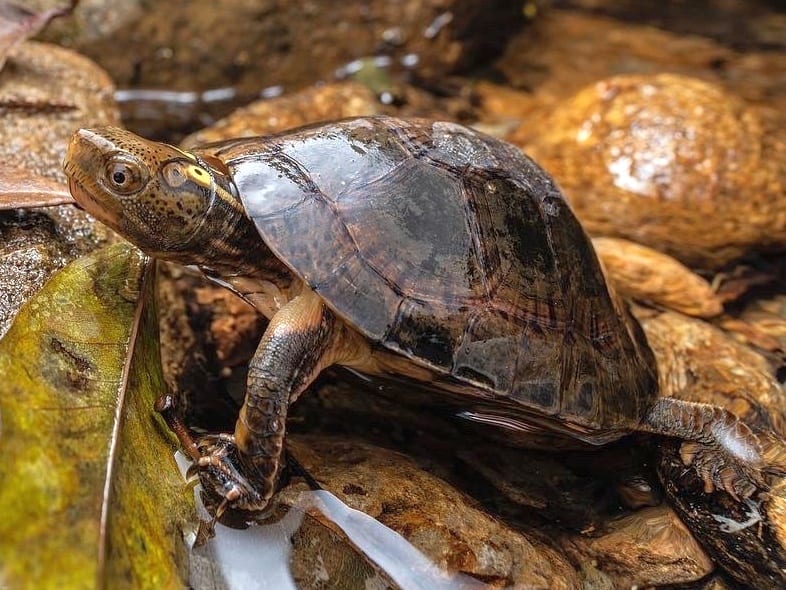
A small Cyclemys widespread in Southeast Asia. Juveniles have round, serrated, leaf-like shells, while adults become flatter and oval with a less obvious serration.
Difficulty
Intermediate
Temperature
25〜32℃
Lifespan
Few data on lifespan in captivity
Size
Carapace length about 15-24 cm (Japanese sources give 21 cm max)
Humidity
40〜70%
Diet
Omnivore (plants, fruit, molluscs, crustaceans, fish)
About
The Asian leaf turtle is a geoemydid of the genus Cyclemys found in Bangladesh, Myanmar, Thailand, Cambodia, Vietnam, Peninsular Malaysia, Singapore, Indonesia (Sumatra, Java, Borneo, Bali), the Philippines (Palawan and nearby islands) and China; records from India are doubtful. Japanese sources give a maximum carapace length of 21 cm, the smallest in the genus, while English sources give 15 to 24 cm. The flattened oval carapace has a vertebral keel and slightly serrated rear marginals, which give the species name dentata ("toothed"). The carapace is dark brown to black, and the plastron is plain tan or has fine radiating dark lines. Juveniles have round shells with obvious keels and serrations that look like a leaf, the source of the English name. Its closest relative is the sympatric C. oldhamii, and the two are thought to hybridize in the wild. It is not a strong swimmer, preferring to walk along the bottom, and adults are said to spend nights on land and move into water by day. It is omnivorous, eating plants, fruit, molluscs, crustaceans, fish and carrion. It is one of the more commonly traded turtles in Japan.
Source: Wikipedia (CC BY-SA 4.0)
Size of the Asian Leaf Turtle
The Asian Leaf Turtle grows to Carapace length about 15-24 cm (Japanese sources give 21 cm max).
Basic Info
Origin
Southeast Asia (Indochina, Malay Peninsula, Greater Sundas, Palawan), Bangladesh and China
Lifespan
Few data on lifespan in captivity
Size
Carapace length about 15-24 cm (Japanese sources give 21 cm max)
Temperature
References & Sources
Edited & verified by: BreederDirect editorial team
The taxonomic, regulatory, and husbandry data on this page are compiled and verified against the authoritative primary sources below.
Taxonomy & Authority
Accepted name: Cyclemys dentata (Gray, 1831)
Synonyms: Cistudo diardii Duméril & Bibron, 1835, Cyclemys bellii Gray, 1863, Cyclemys dhor Boulenger, 1889, Cyclemys orbiculata Bell, 1834, Cyclemys ovata Gray, 1863
Authority databases: GBIF · The Reptile Database: Cyclemys dentata · GBIF: Cyclemys dentata
Nomenclature follows global taxonomic authority databases.
Regulations & Conservation Status
CITES Appendix II
Listed in CITES Appendix II. International trade requires an export permit from the country of origin, but no registration is needed to keep or transfer the animal within Japan. The whole genus Cyclemys has been listed since 12 June 2013.
Sources: Species+ (CITES): Cyclemys dentata
Regulations may change. Always verify the latest information with the relevant authorities.
Asian Leaf Turtle Listings
Loading latest listingsFind listings for this species