Source: Wikimedia Commons
Dumeril's Monitor
AdvancedVaranus dumerilii
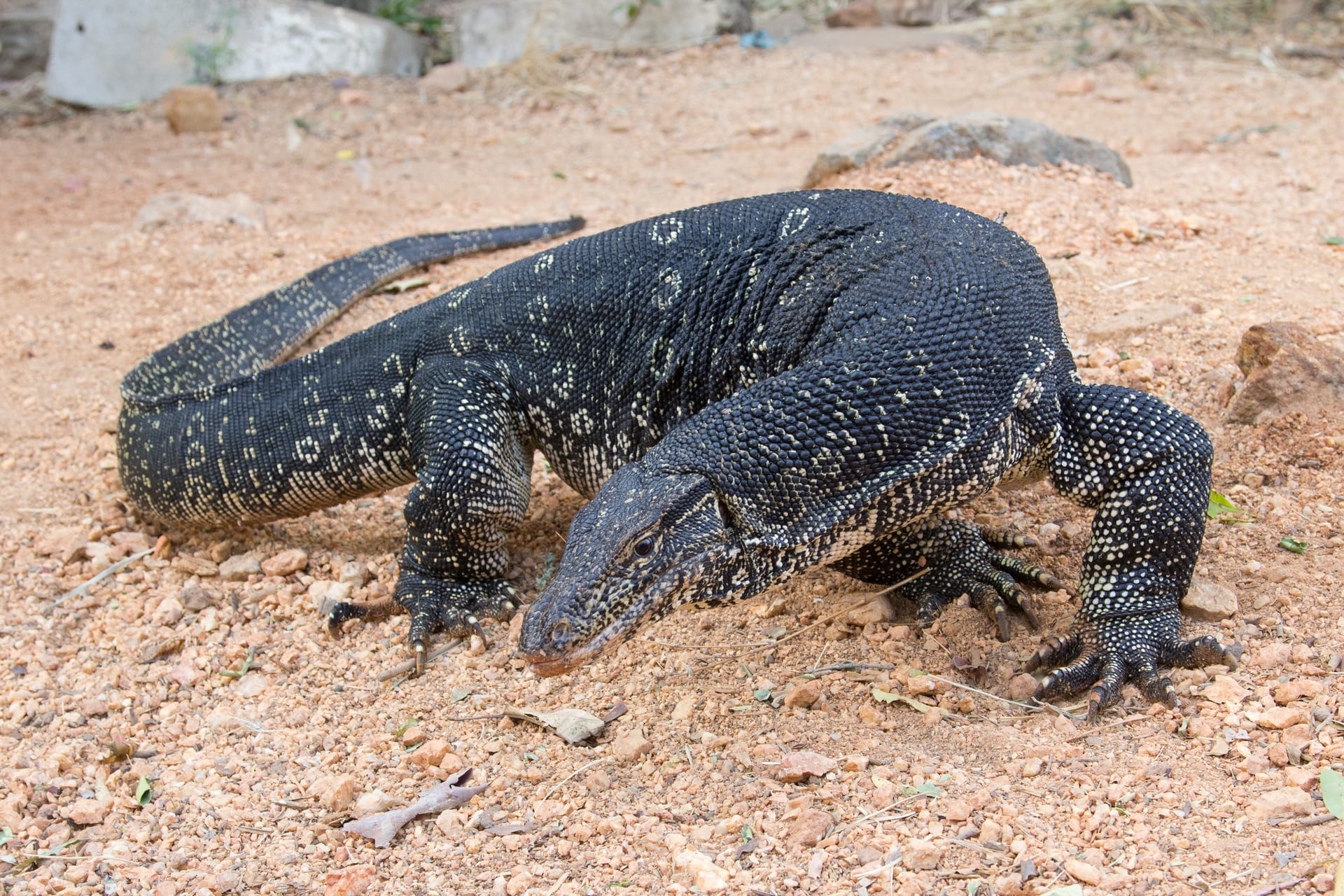
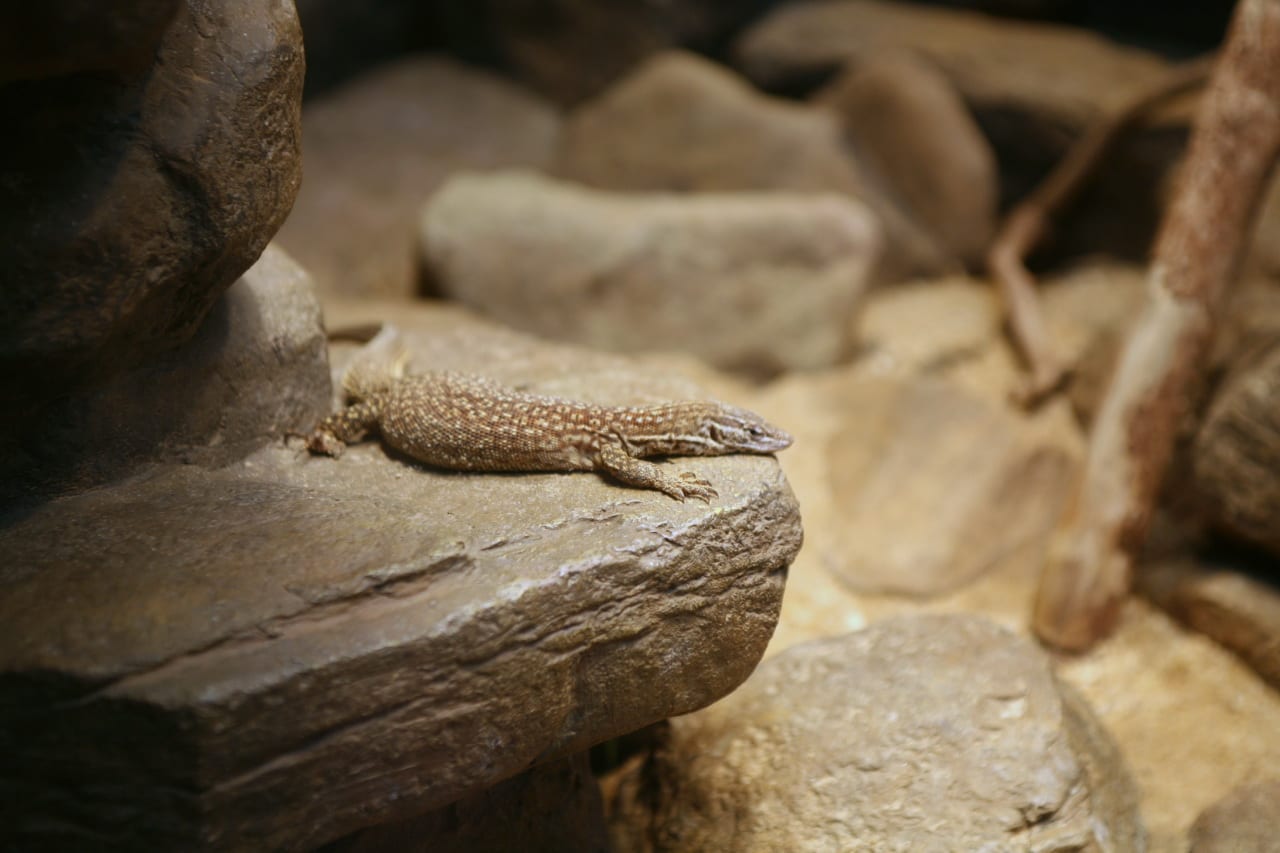
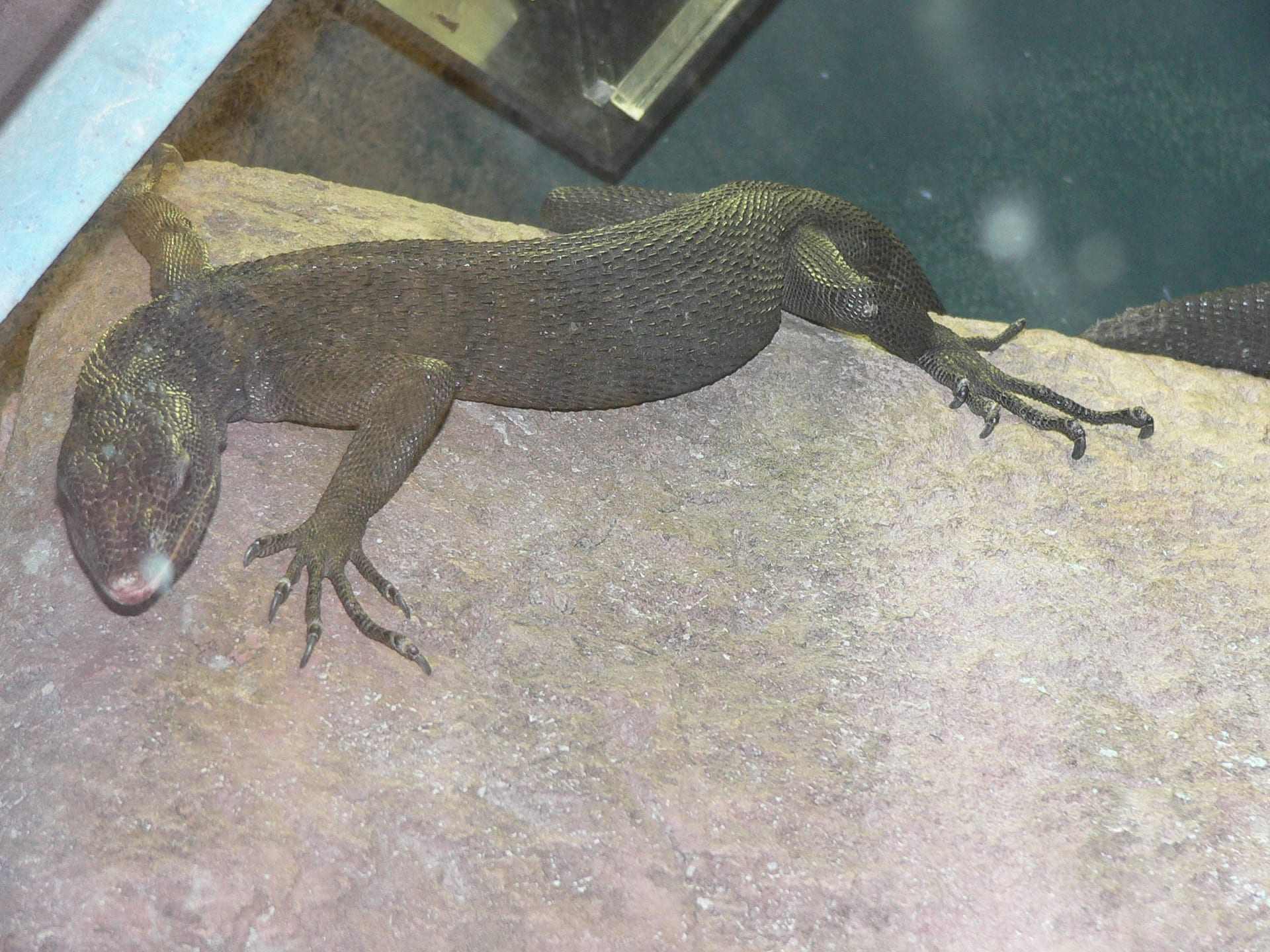
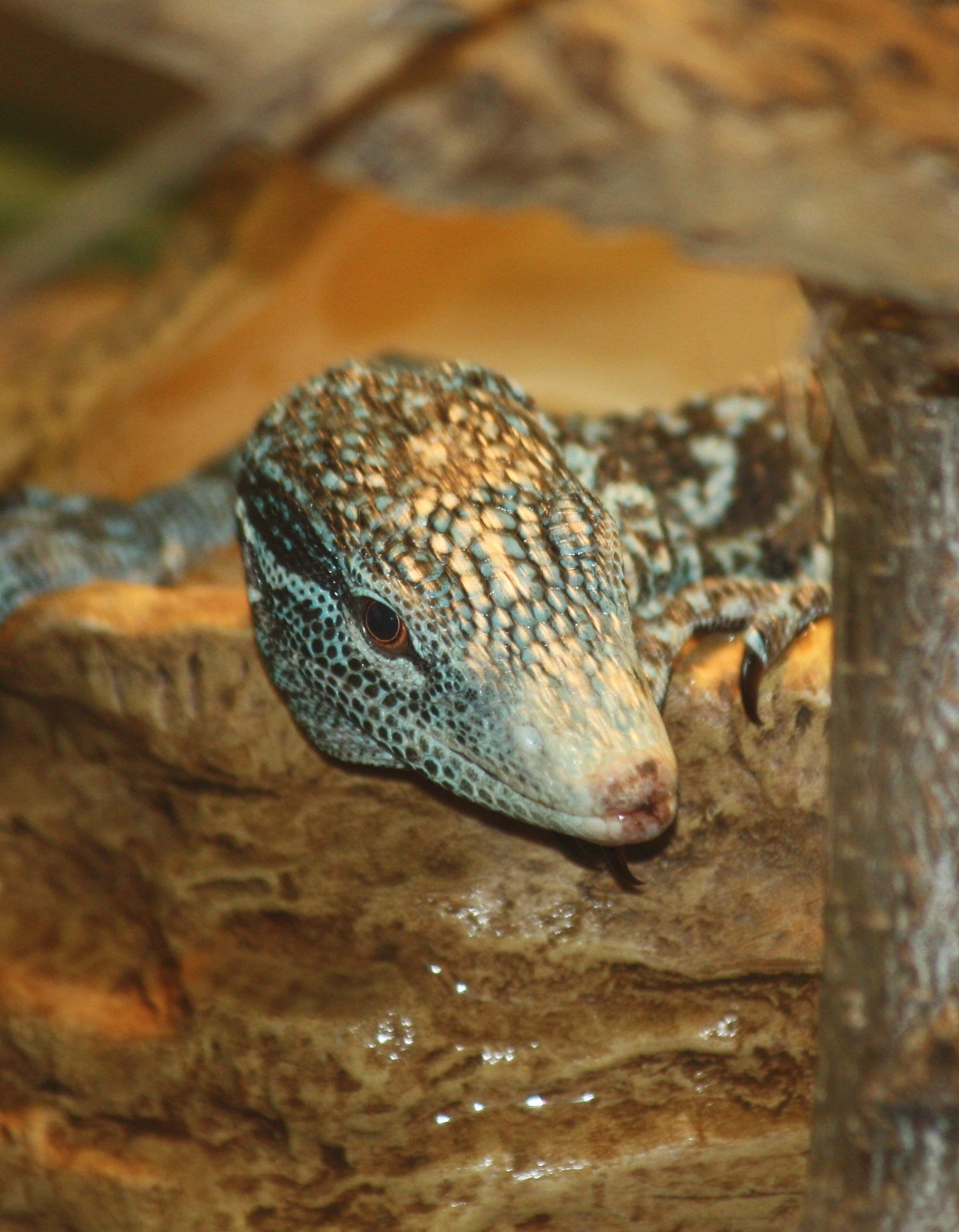
A monitor endemic to evergreen forest and mangrove swamp in South-East Asia. Terrestrial to semi-aquatic, it has been recorded submerged for up to 75 minutes, and it both burrows and climbs well, sometimes even sleeping in water.
Difficulty
Advanced
Lifespan
15-20 years
Size
Up to about 1.2m; hatchlings have a snout-vent length of about 8cm
Humidity
40〜70%
Diet
Insects, snails, crabs, frogs and fish; in captivity it also takes shellfish and rodents
About
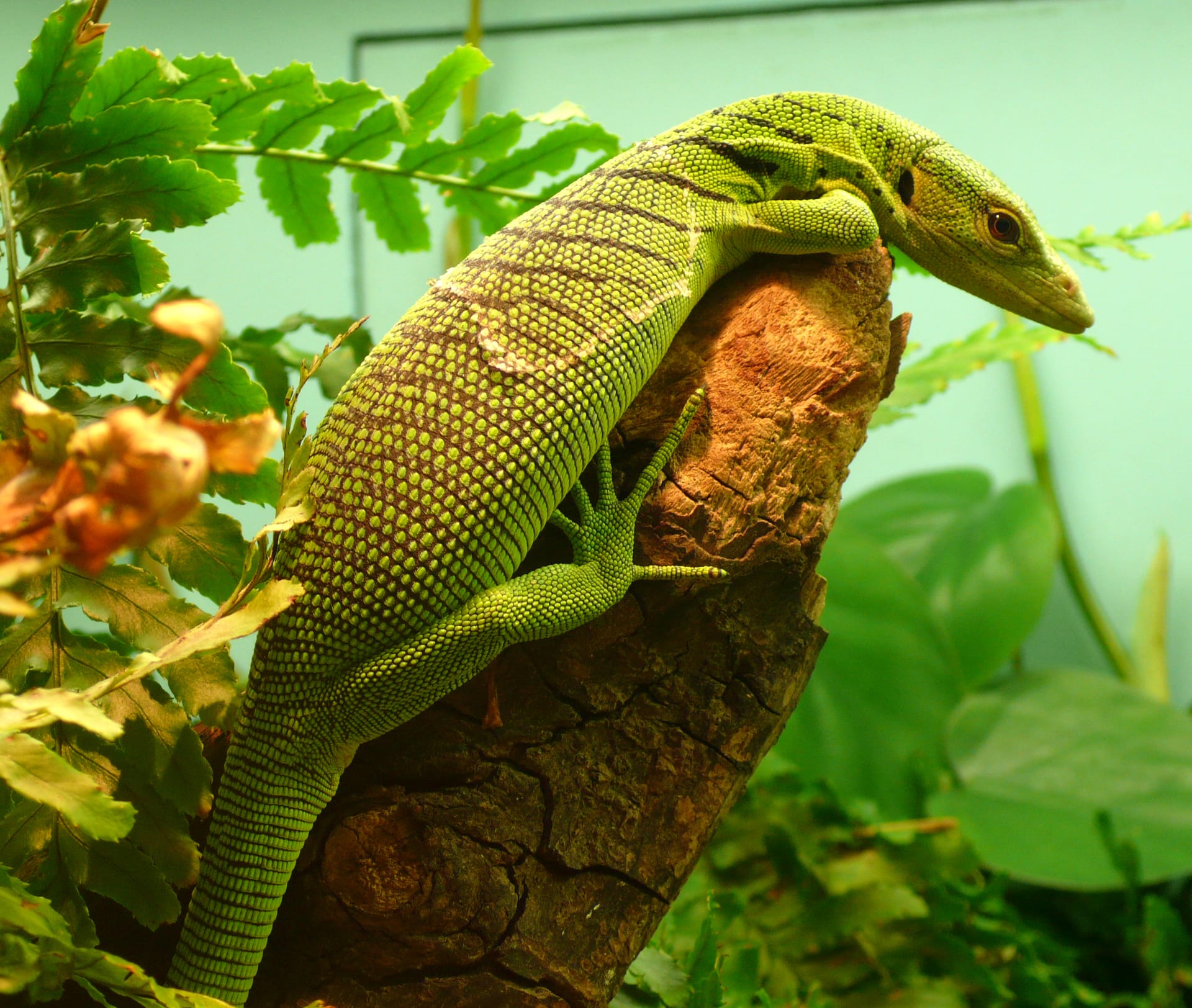
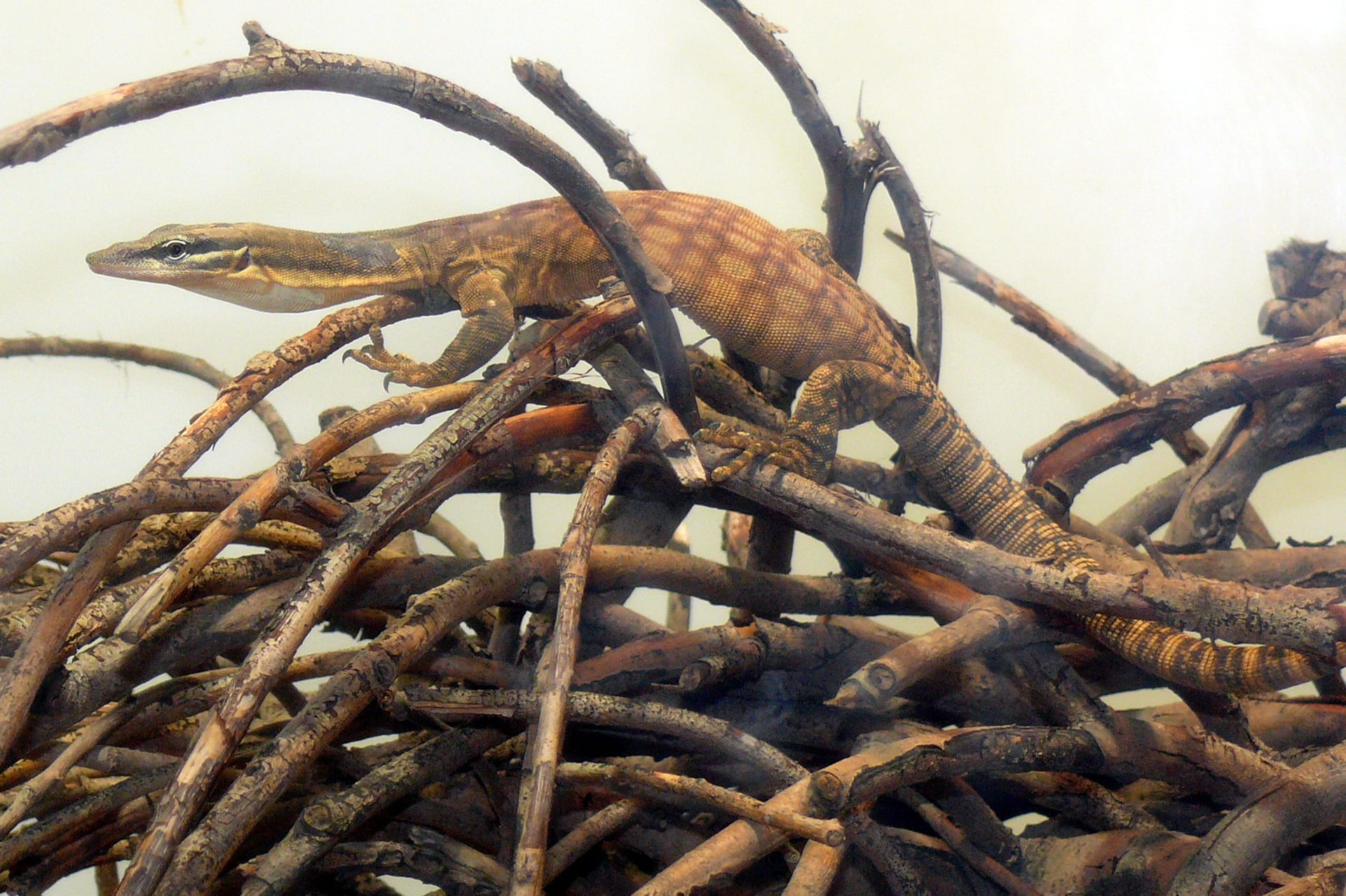
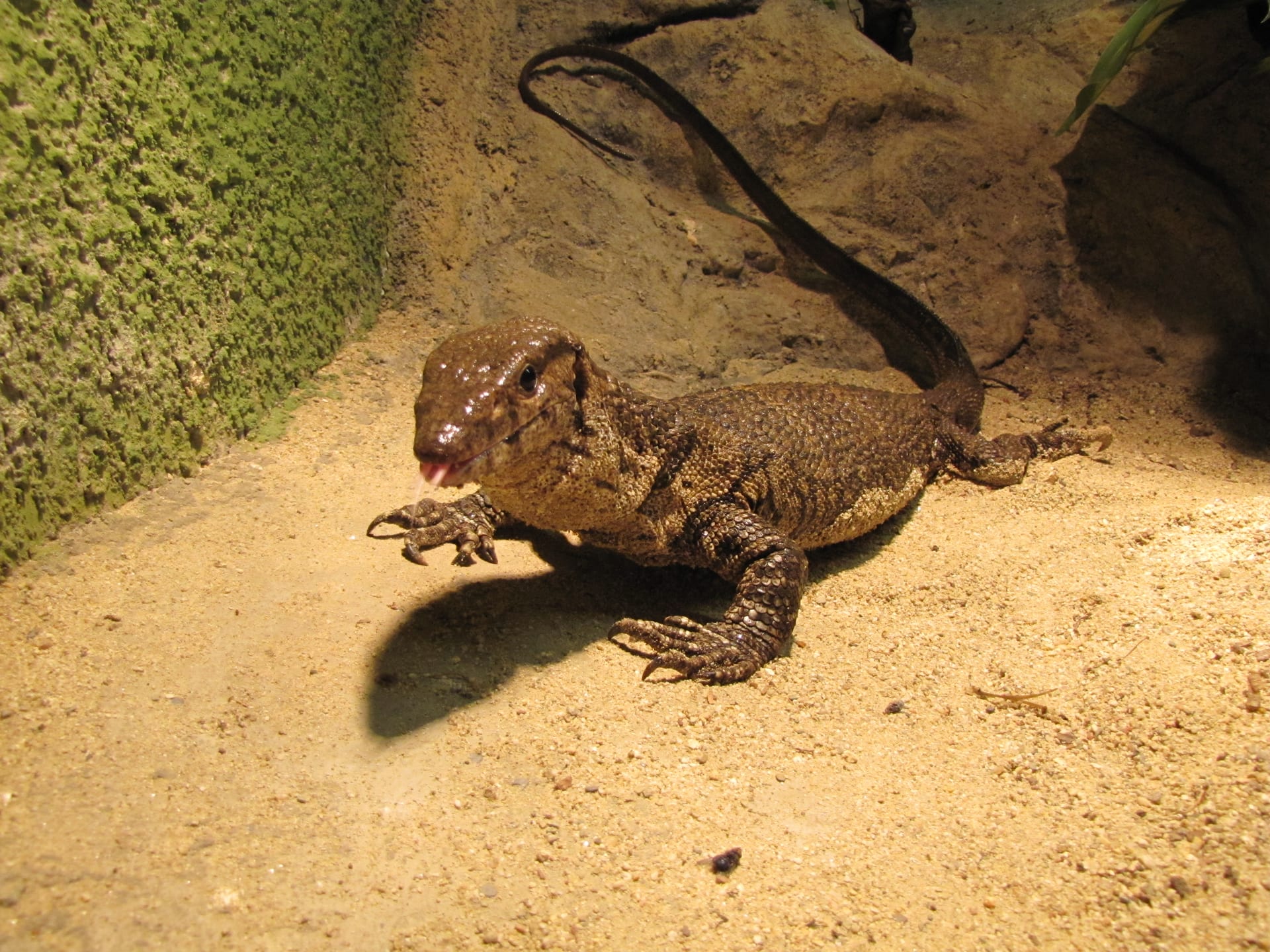
Varanus dumerilii is a varanid lizard endemic to South-East Asia. Its specific name honours the French zoologist André Marie Constant Duméril, and it belongs to the subgenus Empagusia. It reaches about 1.2 m, making it a medium-sized monitor; hatchlings have a snout-vent length of about 8 cm with a tail slightly longer than that. It lives in dense evergreen forest with high humidity and in mangrove swamp, from sea level to 900 m. Terrestrial to semi-aquatic, it has been recorded remaining submerged for up to 75 minutes and frequently soaks, swims and even sleeps in water. It is an accomplished burrower as well as a climber, so captives need both branches and diggable substrate. In the wild it feeds on insects, snails, crabs, frogs and fish, and in captivity it also accepts shellfish and rodents. The subspecies heteropholis was described historically, but Sprackland (1993) examined material including the holotypes of both forms and treated it as a synonym of the nominate subspecies. The IUCN assesses the species as Data Deficient.
Source: Wikipedia (CC BY-SA 4.0)
Lifespan of the Dumeril's Monitor
The Dumeril's Monitor lives 15-20 years.
Size of the Dumeril's Monitor
The Dumeril's Monitor grows to Up to about 1.2m; hatchlings have a snout-vent length of about 8cm.
Basic Info
Origin
Peninsular Thailand, Myanmar, western Malaysia, Singapore and Indonesia including Sumatra, Borneo, Bangka and Kalimantan, from sea level to 900 m
Lifespan
15-20 years
Care Specifications
Semi-aggressiveSolitary
Sources: Reptiles Magazine: Dumeril's Monitor / Reptiles Magazine: The Monitor Lizard Foursome For Expert Keepers / Wikipedia (English) / Reptile Database
References & Sources
Edited & verified by: BreederDirect editorial team
The taxonomic, regulatory, and husbandry data on this page are compiled and verified against the authoritative primary sources below.
Taxonomy & Authority
Accepted name: Varanus dumerilii Schlegel, 1839
Synonyms: Varanus dumerili heteropholis Boulenger, 1892, Varanus macrolepis Blanford, 1881
Authority databases: GBIF · Reptile Database
Nomenclature follows global taxonomic authority databases.
Regulations & Conservation Status
CITES Appendix IIIUCN DD · Data Deficient
Varanidae spp. are listed in CITES Appendix II. Because of Appendix II listing, an international CITES registration certificate is not required, but an export permit issued by the exporting country is necessary for importation. In Japan, only 2 species of Varanidae are designated as Specified Animals; this species is not included. It does not fall under Designated Invasive Species under the Invasive Species Act.
Sources: CITES Appendices (Varanidae spp., Appendix II) / IUCN Red List
Regulations may change. Always verify the latest information with the relevant authorities.
Dumeril's Monitor Listings
Loading latest listingsFind listings for this species