Source: Wikimedia Commons
False Water Cobra
AdvancedHydrodynastes gigas
A large South American colubrid. When threatened it flattens its neck into something resembling a cobra's hood, but keeps its body horizontal. Adults are usually about 2 m and can exceed 3 m. It is rear-fanged and mildly venomous.
Difficulty
Advanced
Temperature
25〜32℃
Lifespan
10-15 years
Size
Usually about 2m, exceeding 3m at most
Humidity
40〜70%
Diet
Frozen-thawed mice and rats, fish, amphibians
About
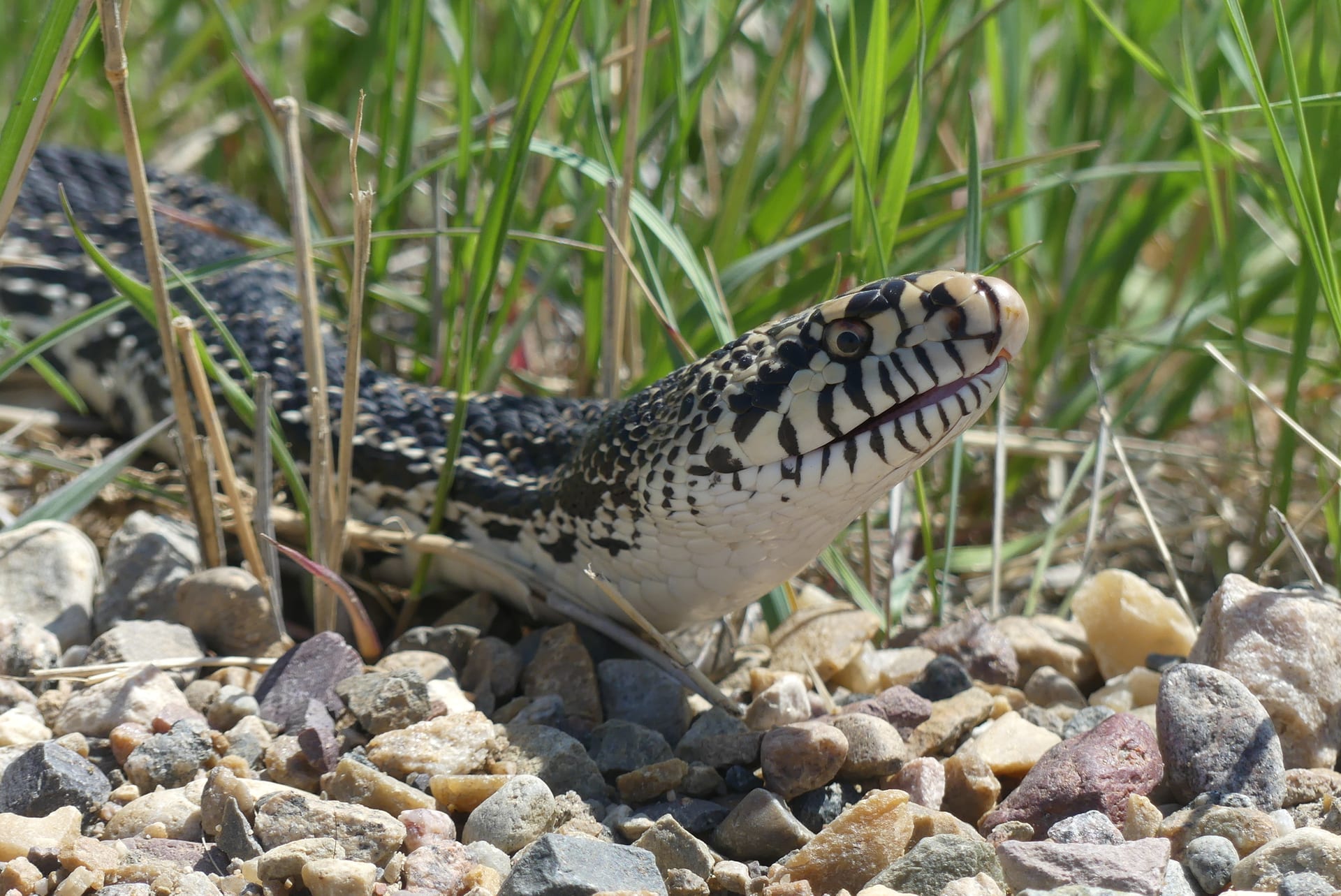
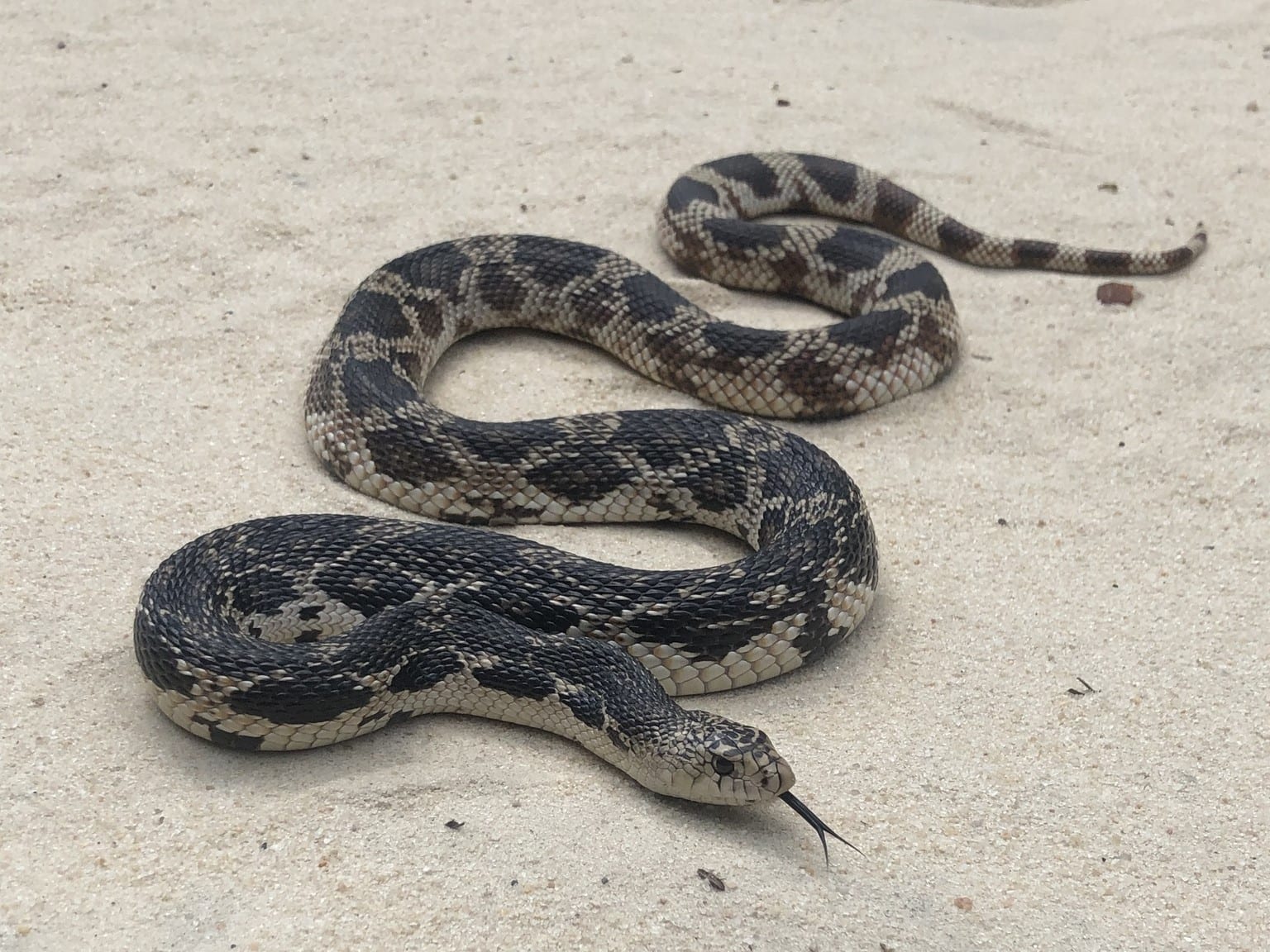
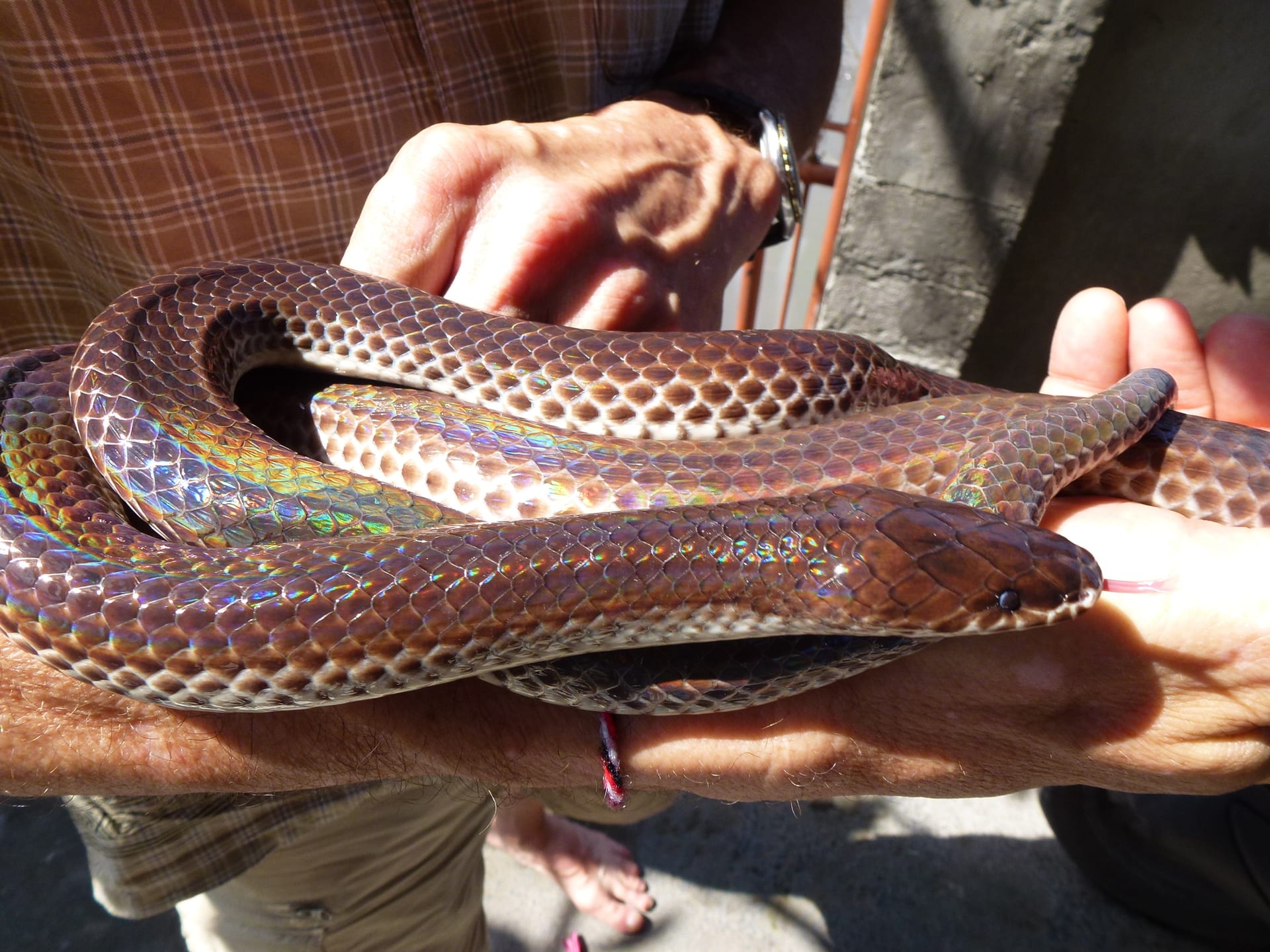
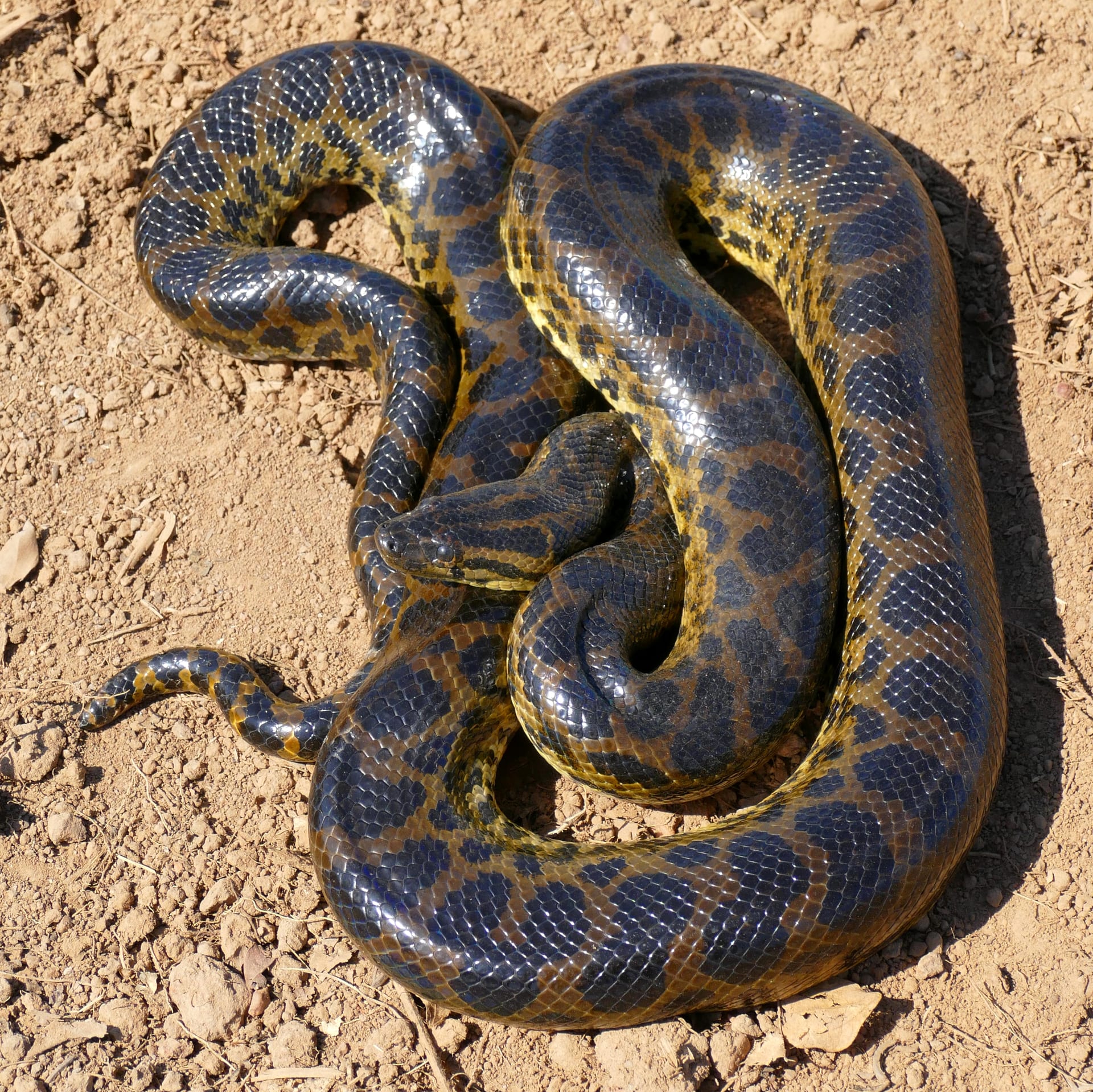
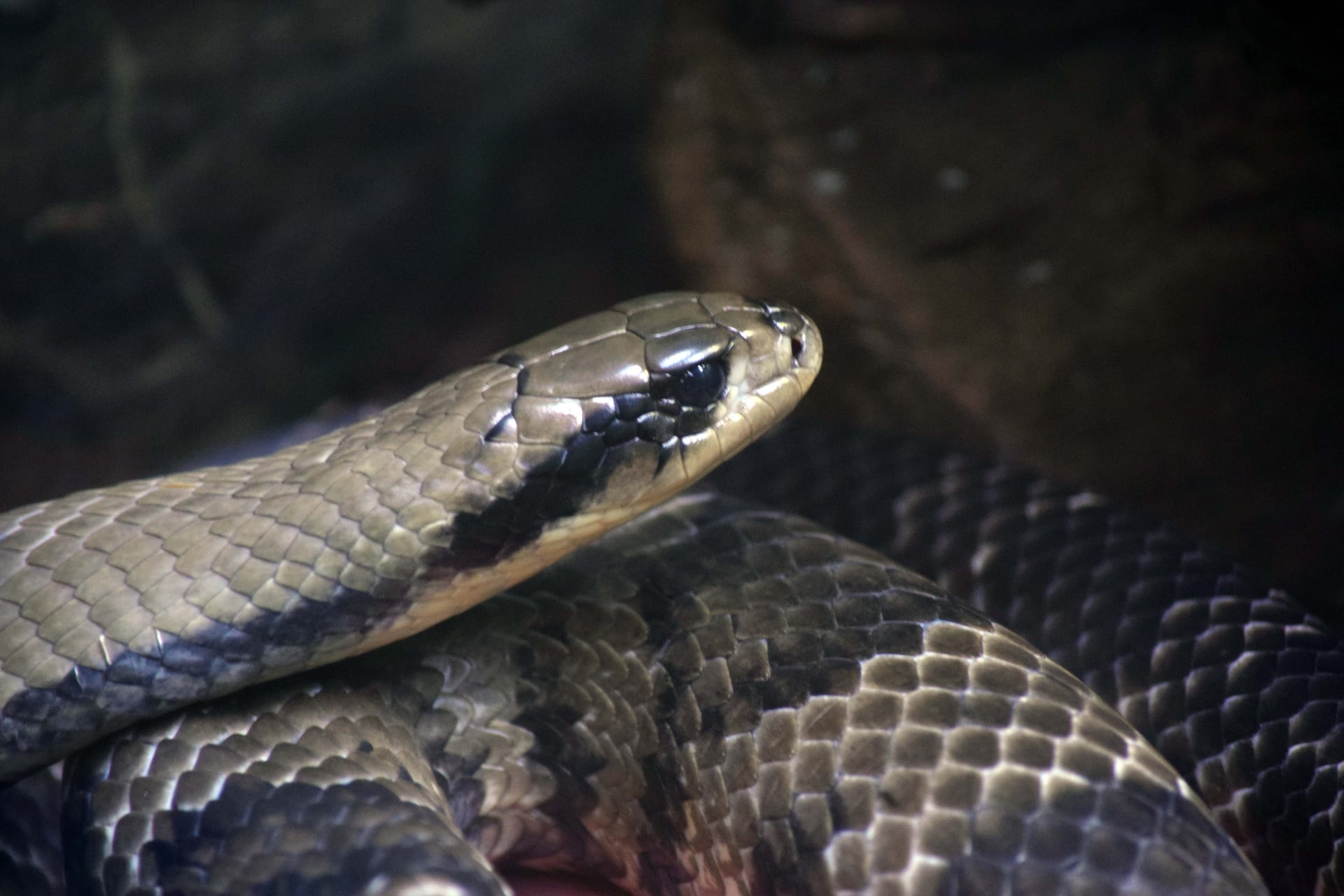
Hydrodynastes gigas is a large South American colubrid whose English and Japanese names both come from its threat display: when alarmed it flattens the neck and front of the body into something like a cobra's hood, but unlike a true cobra it stays horizontal rather than rearing up. The ground colour is olive to brown with dark spots and bands that darken towards the tail. It favours marshland and rainforest and eats fish, amphibians and small mammals. It is rear-fanged with a Duvernoy's gland, and prolonged bites have produced swelling and numbness. It is oviparous, and melanistic and hypomelanistic animals have been produced in captivity.
Source: Wikipedia (CC BY-SA 4.0)
Lifespan of the False Water Cobra
The False Water Cobra lives 10-15 years.
Size of the False Water Cobra
The False Water Cobra grows to Usually about 2m, exceeding 3m at most.
Females grow larger than males; adults are usually around 2 m, some exceed 3 m, and weights average 1.6 kg with large animals reaching 4.5 kg.
Basic Info
Origin
South America (southern Brazil, eastern Bolivia, Paraguay, northern Argentina, Suriname and French Guiana), in marshland and tropical rainforest
Lifespan
10-15 years
Size
Usually about 2m, exceeding 3m at most
Care Specifications
Semi-aggressiveSolitary
Sources: Reptile Database / Wikipedia (English)
References & Sources
Edited & verified by: BreederDirect editorial team
The taxonomic, regulatory, and husbandry data on this page are compiled and verified against the authoritative primary sources below.
Taxonomy & Authority
Accepted name: Hydrodynastes gigas (Duméril, Bibron & Duméril, 1854)
Synonyms: Xenodon gigas Duméril, Bibron & Duméril, 1854, Cyclagras gigas Cope, 1885, Hydrodynastes melanogigas Franco, Fernandes & Bentim, 2007
Authority databases: Reptile Database
Nomenclature follows global taxonomic authority databases.
Regulations & Conservation Status
CITES Appendix IIIUCN LC · Least Concern
The taxonomic table in the English Wikipedia, citing Species+ as a source, lists it as CITES Appendix II. Because of Appendix II status, an international rare wildlife species registration certificate is not required. It is not included in the Colubridae (Dispholidus, Rhabdophis, Tachymenis, and Polemon genera) listed in the Animal Welfare and Management Law Ordinance Schedule and is not a designated animal.
Sources: CITES Appendices / Order for Enforcement of the Act on Welfare and Management of Animals (list of designated animals)
Regulations may change. Always verify the latest information with the relevant authorities.
False Water Cobra Listings
Loading latest listingsFind listings for this species