Source: Wikimedia Commons
Sunbeam Snake
AdvancedXenopeltis unicolor
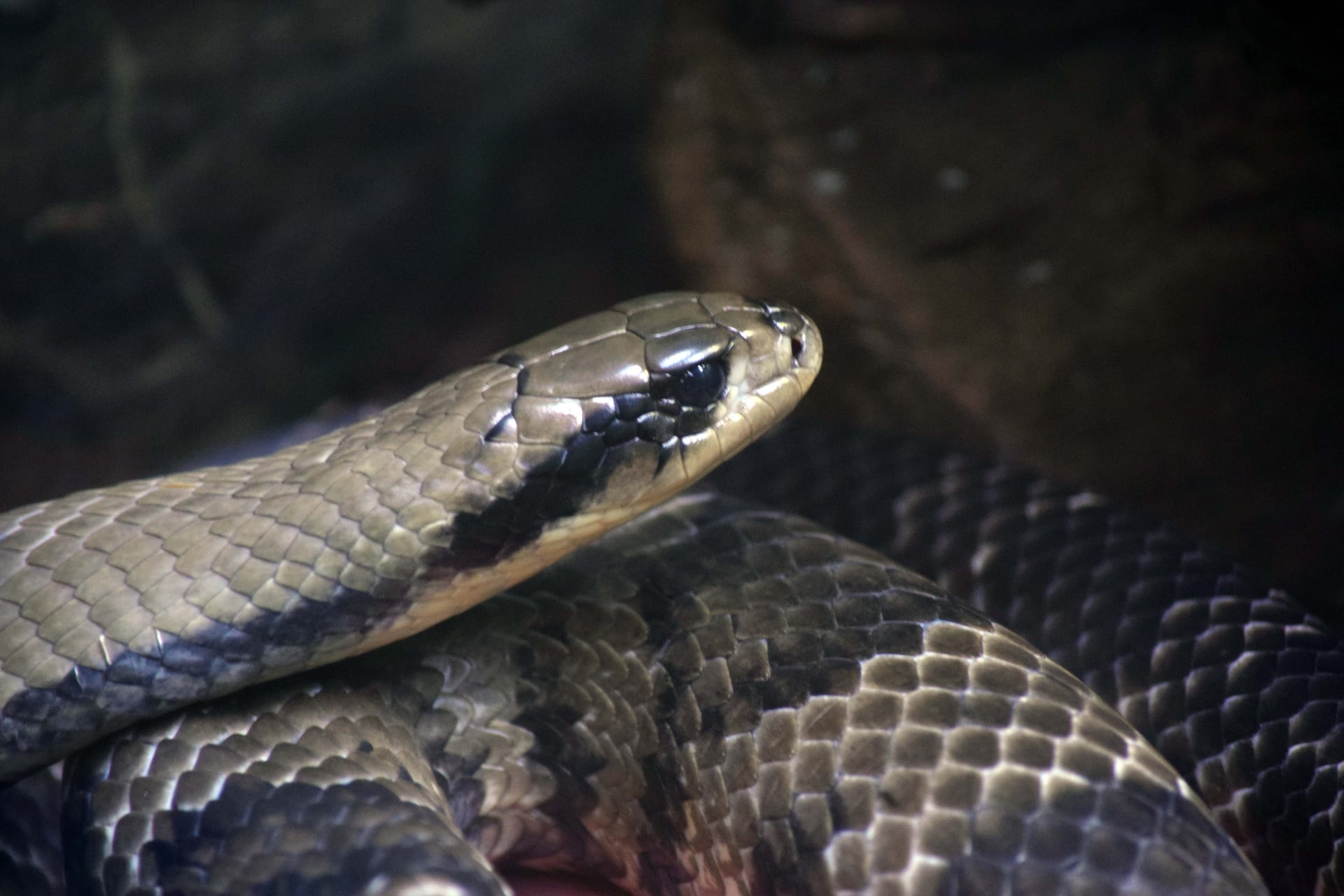
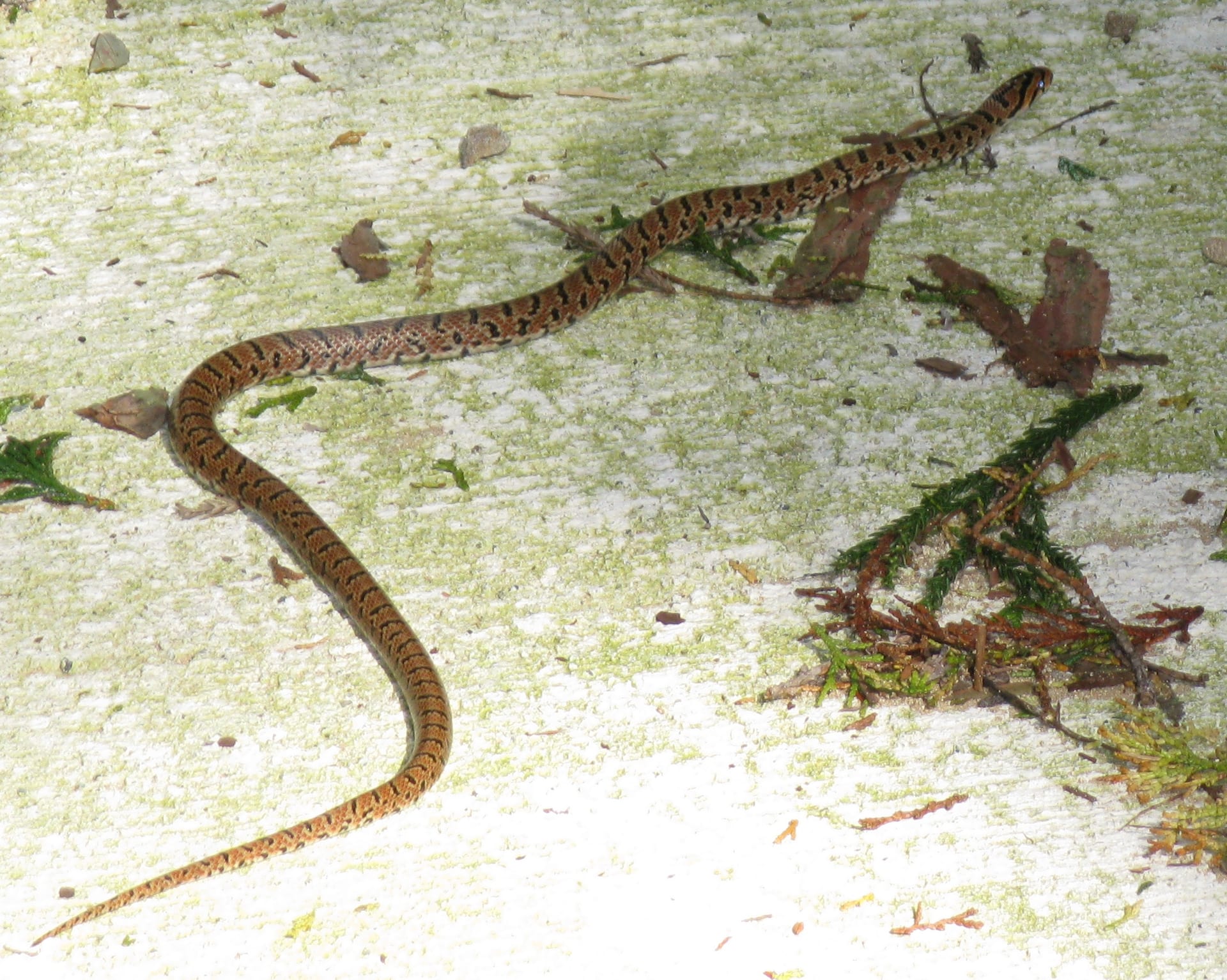
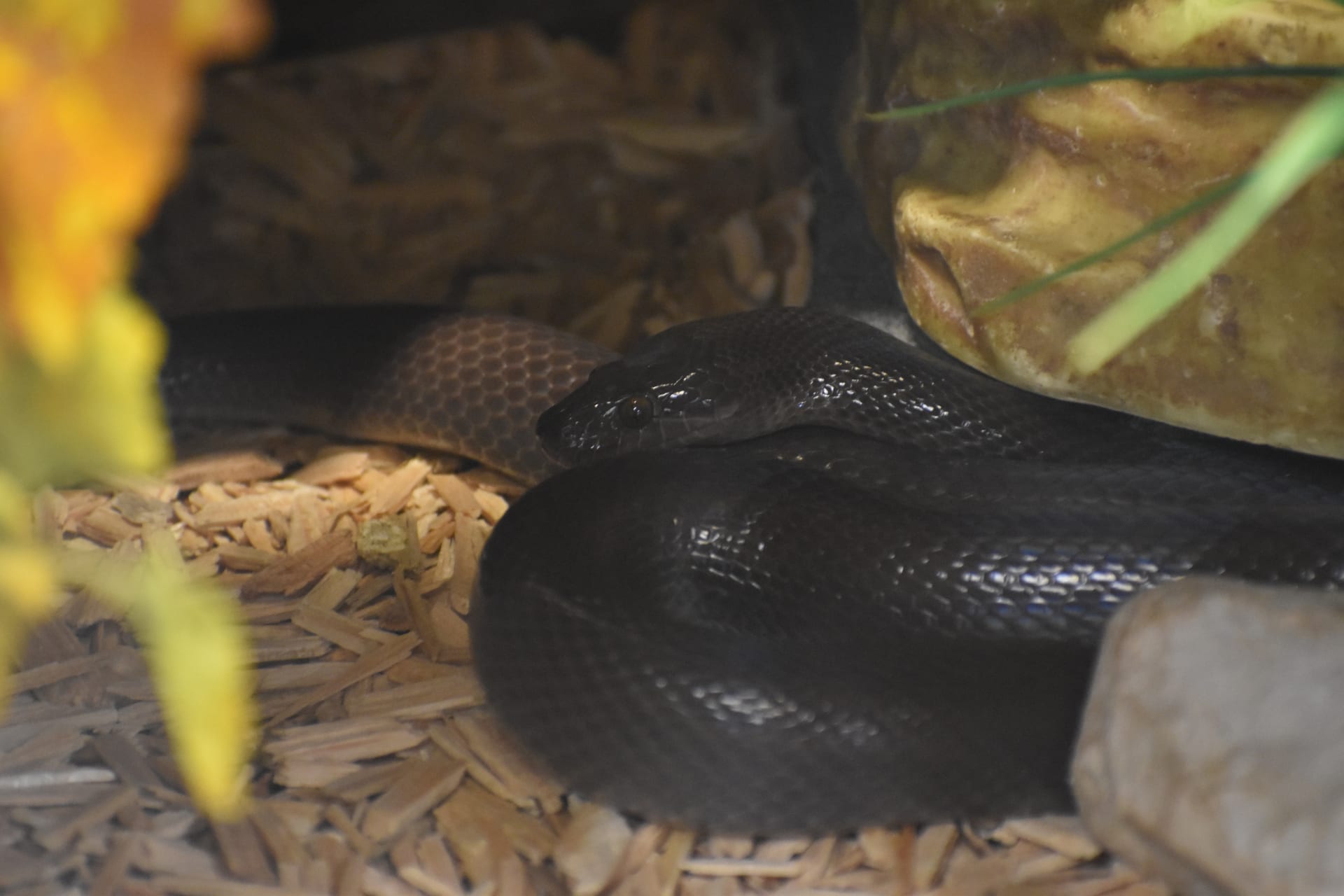
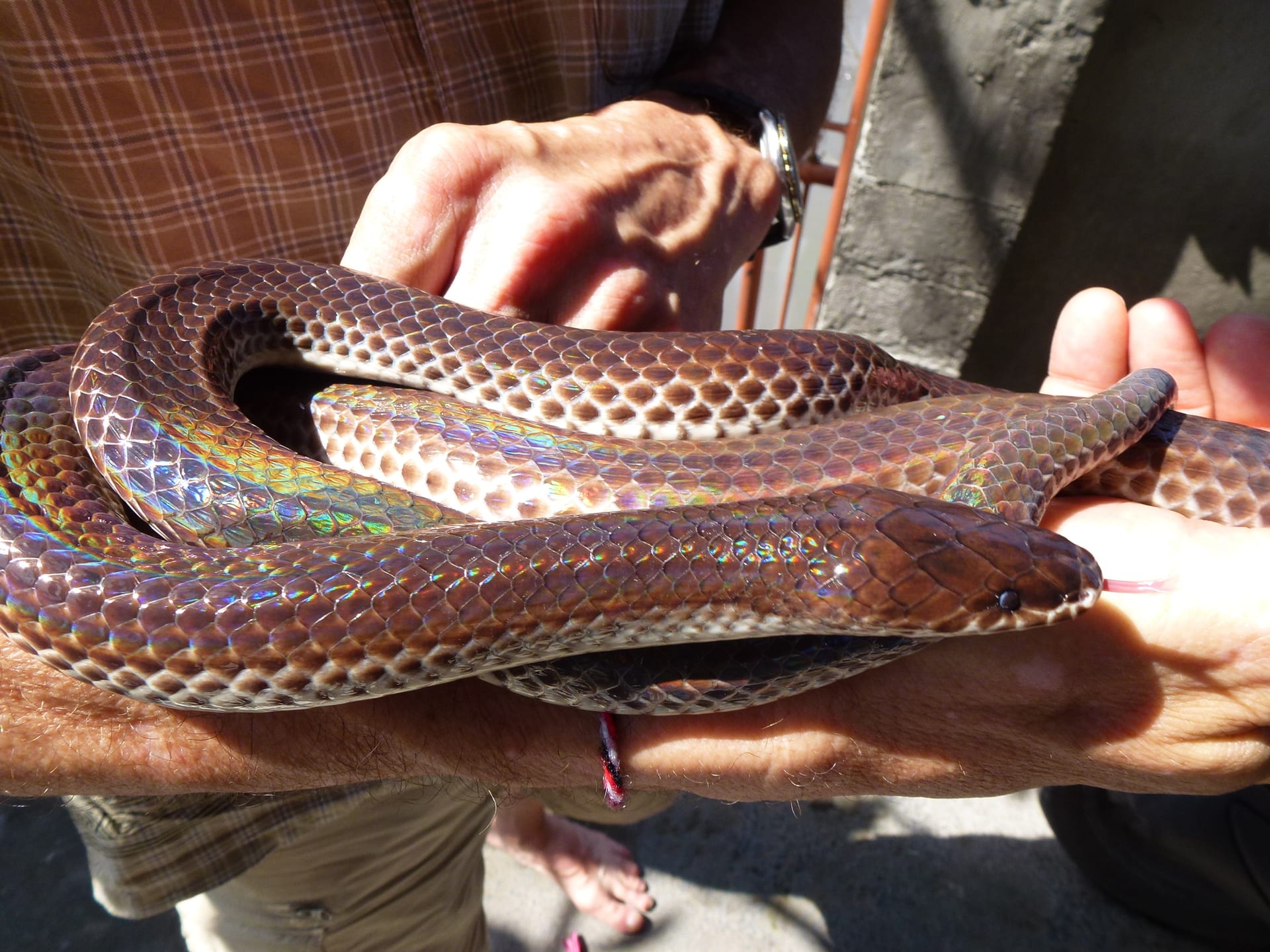
A semi-fossorial snake of Southeast Asia, famous for scales so polished that they flash iridescent in the light. It averages about 1 m, and the wedge-shaped head with no neck constriction is suited to pushing through soil.
Difficulty
Advanced
Temperature
25〜32℃
Lifespan
10-15 years
Size
About 1m on average
Humidity
40〜70%
Diet
Frogs, small reptiles, small mammals
About
Xenopeltis unicolor is a harmless snake found widely through lowland Southeast Asia. It is reddish brown to blackish above with an unpatterned whitish-grey belly, and its great distinction is the polished, iridescent sheen of the scales, deepened by a layer of dark pigment just beneath the surface. Juveniles have a white collar behind the head that fades within the first year. It averages about 1 m, and the wedge-shaped head with no neck constriction suits a semi-fossorial life spent mostly underground. It occurs at forest edges, in rice paddies and in gardens next to houses. It is a constrictor, taking frogs, reptiles including other snakes, and small mammals. It is oviparous, usually laying about ten eggs though clutches of 17 and 18 have been recorded, and is regarded as a primitive snake showing features of both boas and pythons.
Source: Wikipedia (CC BY-SA 4.0)
Lifespan of the Sunbeam Snake
The Sunbeam Snake lives 10-15 years.
Size of the Sunbeam Snake
The Sunbeam Snake grows to About 1m on average.
Basic Info
Origin
Lowland Southeast Asia (Myanmar, Thailand, Vietnam, Laos, Cambodia, Malaysia, Indonesia, the Philippines, southern China and the Andaman and Nicobar Islands), along forest edges, in rice paddies and in gardens
Lifespan
10-15 years
Size
About 1m on average
Care Specifications
PeacefulSolitary
Sources: Reptile Database / Wikipedia (English)
References & Sources
Edited & verified by: BreederDirect editorial team
The taxonomic, regulatory, and husbandry data on this page are compiled and verified against the authoritative primary sources below.
Taxonomy & Authority
Accepted name: Xenopeltis unicolor Reinwardt, 1827
Synonyms: Xenopeltis leucocephalus Reinwardt, 1827, Tortrix xenopeltis Schlegel, 1837
Authority databases: Reptile Database
Nomenclature follows global taxonomic authority databases.
Regulations & Conservation Status
Not CITES-listedIUCN LC · Least Concern
Not listed in the appendices of the Washington Convention. It does not fall under the specific animals listed in the Order for Enforcement of the Law Concerning the Protection and Management of Animals, nor is it designated as an invasive alien species.
Sources: CITES Appendices (species not listed) / Order for Enforcement of the Act on Welfare and Management of Animals (list of designated animals)
Regulations may change. Always verify the latest information with the relevant authorities.
Sunbeam Snake Listings
Loading latest listingsFind listings for this species