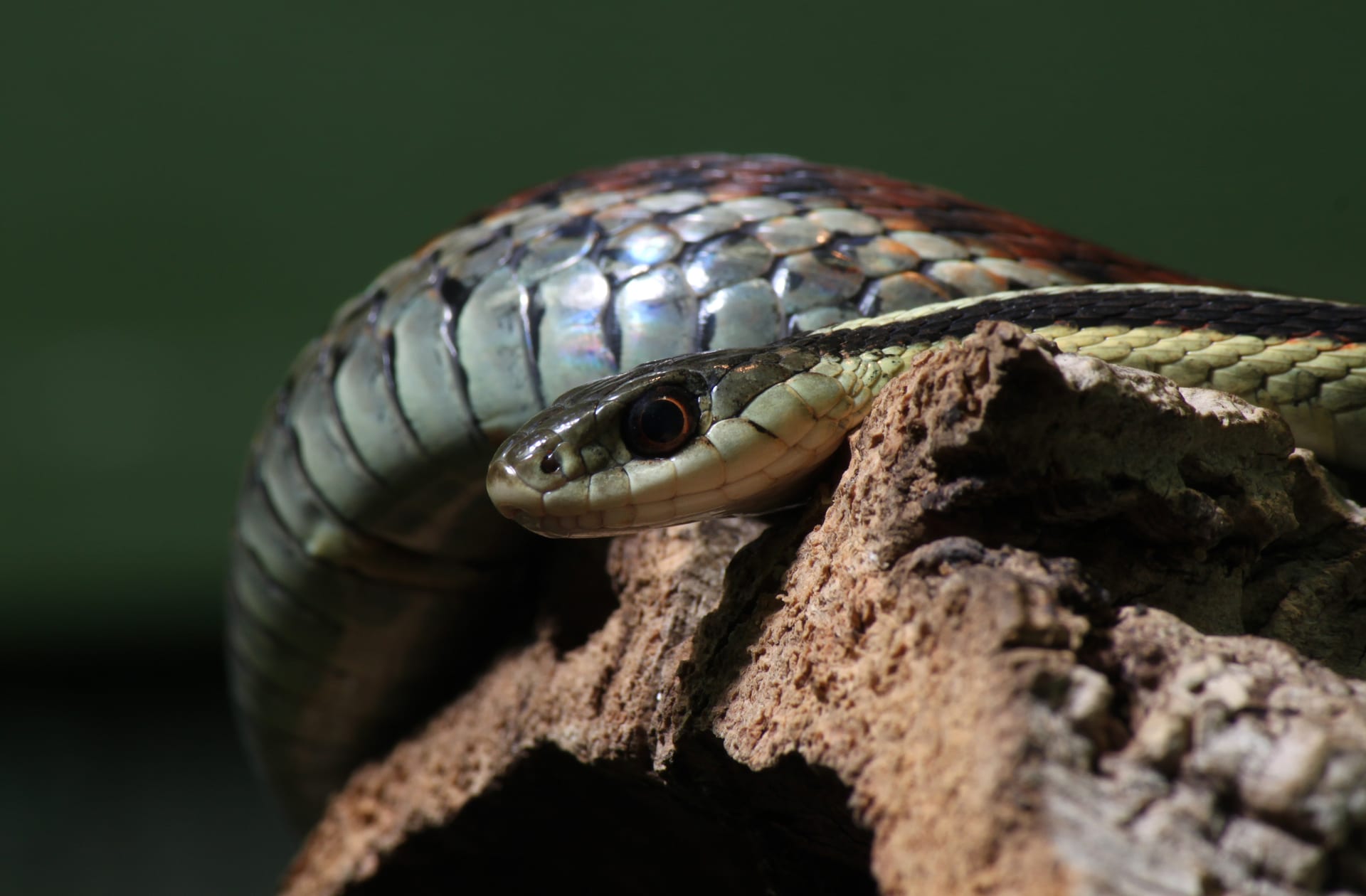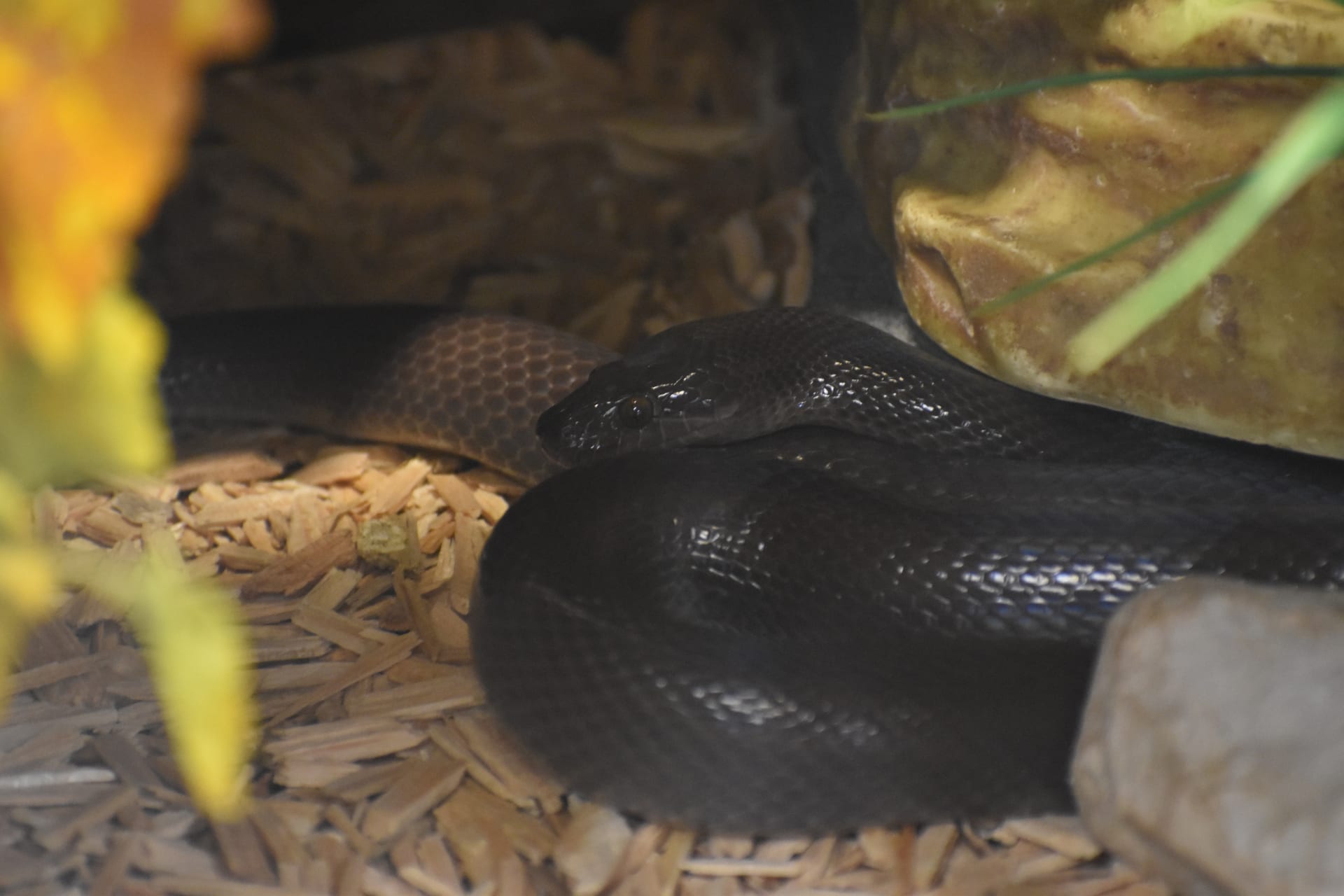
Source: Wikimedia Commons
African House Snake
BeginnerBoaedon fuliginosus
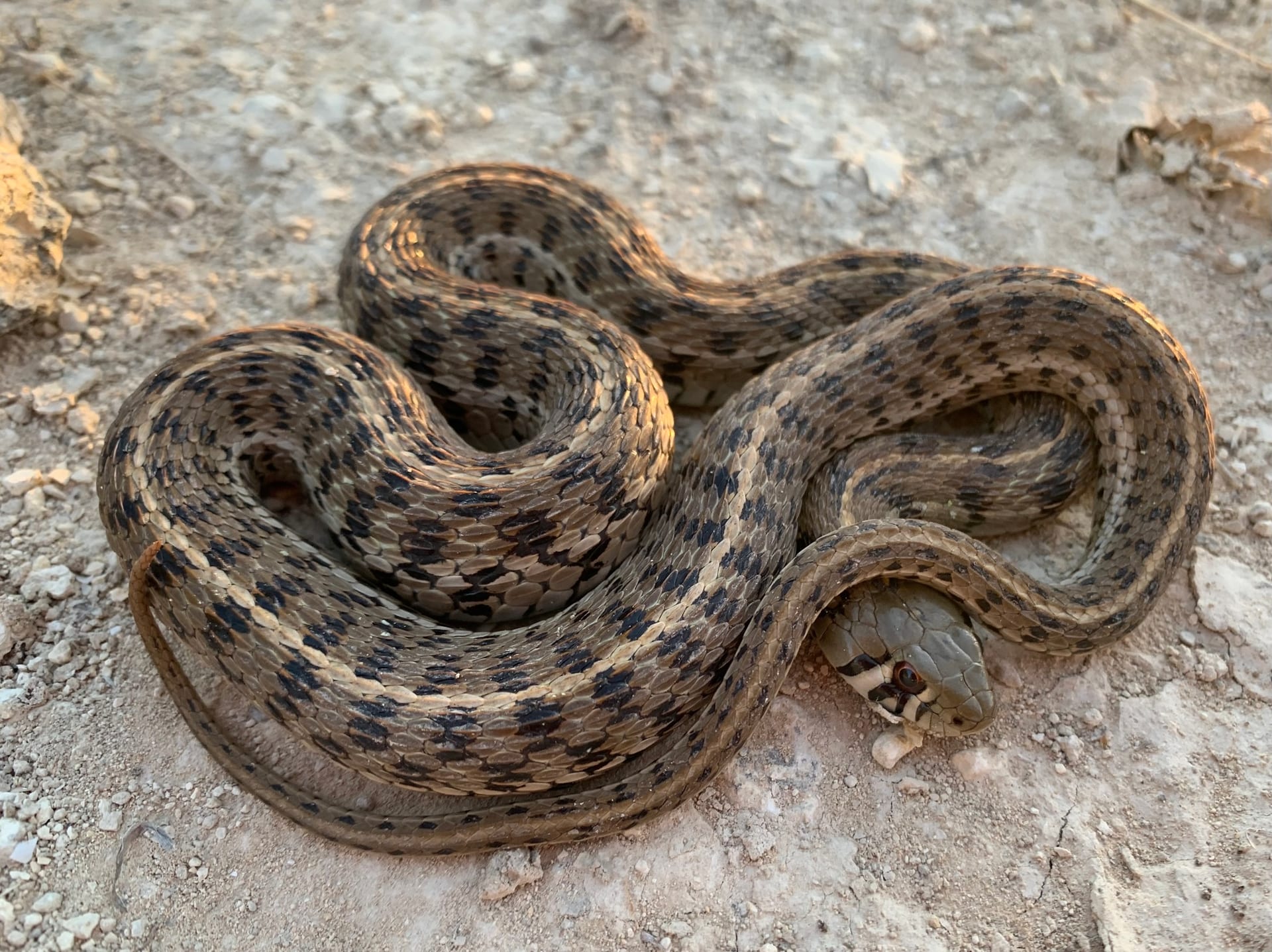
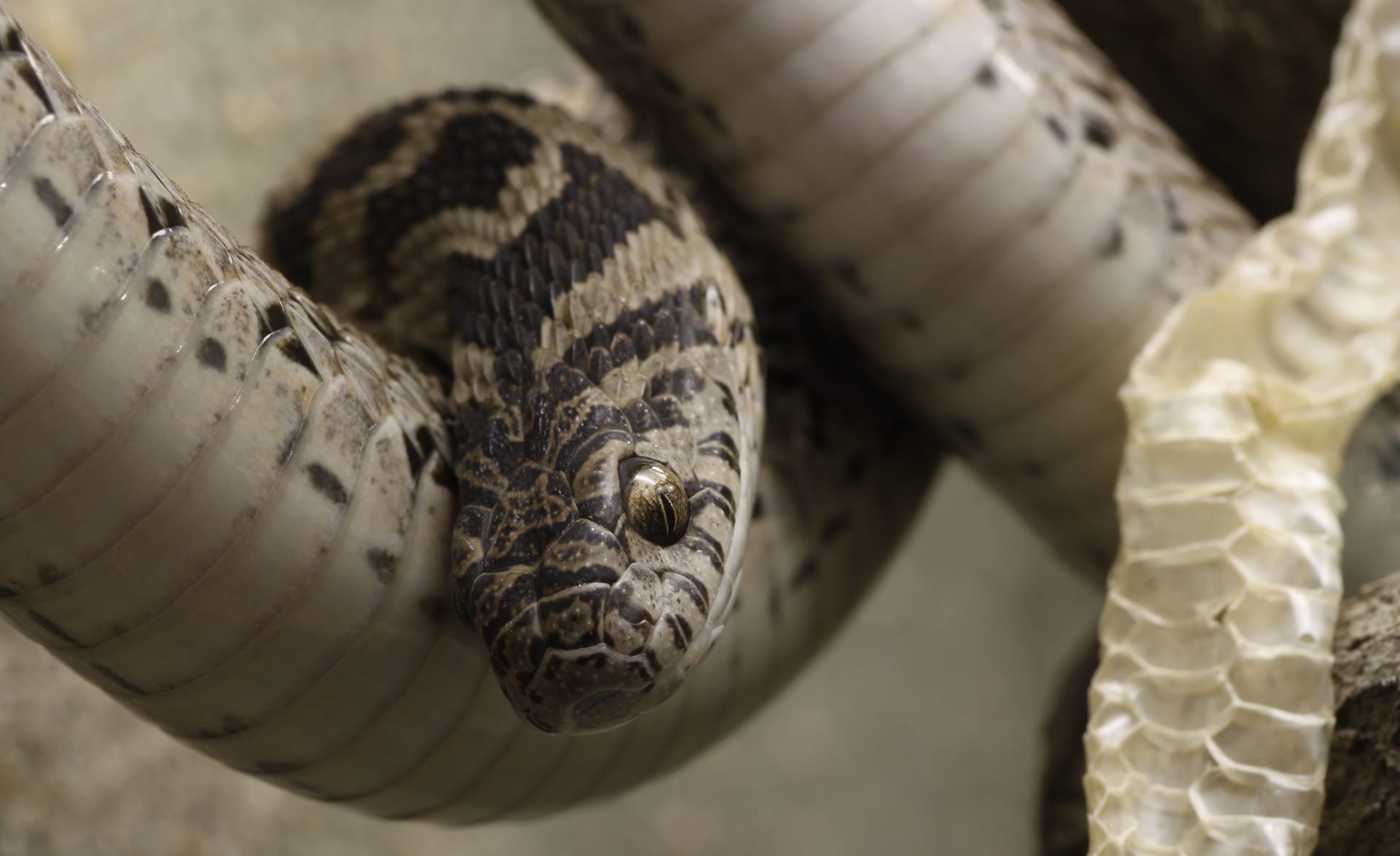
A harmless lamprophiid found widely across sub-Saharan Africa. The brown to blackish body has a strong iridescent sheen and pale stripes run from the eye to the back of the head. Hardy, easy to handle and readily bred.
Difficulty
Beginner
Temperature
25〜32℃
Lifespan
12-15 years
Humidity
40〜70%
Diet
Frozen-thawed mice
About
Boaedon fuliginosus is a harmless lamprophiid snake distributed mainly through the savanna belt of sub-Saharan Africa. It is brown to blackish with a strong oily iridescence on the scales and conspicuous pale stripes running from the snout through the eye to the back of the head. It was formerly placed in the genus Lamprophis and is still traded under that older name. The house snakes of the pet trade cover several species, most of them the southern African Cape house snake, Boaedon capensis, in which females reach about 120 cm while males stay at 61-76 cm. The species is nocturnal and feeds chiefly on the rodents that gather around human dwellings. It is oviparous, lays several clutches a year, and is regarded as relatively easy to breed in captivity.
Source: Wikipedia (CC BY-SA 4.0)
Lifespan of the African House Snake
The African House Snake lives 12-15 years.
Basic Info
Origin
The savanna belt of sub-Saharan Africa (Mauritania, Senegal, Nigeria, Cameroon, the Central African Republic, Malawi and neighbouring countries), together with Morocco, Western Sahara, Botswana and South Africa
Lifespan
12-15 years
Temperature
25〜32℃
Humidity
40〜70%
Diet
Frozen-thawed mice
Care Specifications
PeacefulSolitaryBreeding: Easy
Sources: Reptile Database / Wikipedia (English): African house snake / Wikipedia (English): Boaedon capensis
References & Sources
Edited & verified by: BreederDirect editorial team
The taxonomic, regulatory, and husbandry data on this page are compiled and verified against the authoritative primary sources below.
Taxonomy & Authority
Accepted name: Boaedon fuliginosus (Boie, 1827)
Synonyms: Lamprophis fuliginosus (Boie, 1827), Boodon fuliginosus Boulenger, 1893, Boaedon quadrilineatum Jan, 1870
Authority databases: Reptile Database
Nomenclature follows global taxonomic authority databases.
Regulations & Conservation Status
Not CITES-listed
Not listed in the appendices of the Washington Convention. It does not fall under the specific animals listed in the Order for Enforcement of the Law Concerning the Protection and Management of Animals, nor is it designated as an invasive alien species.
Sources: CITES Appendices (species not listed) / Order for Enforcement of the Act on Welfare and Management of Animals (list of designated animals)
Regulations may change. Always verify the latest information with the relevant authorities.
African House Snake Listings
Loading latest listingsFind listings for this species