Source: Wikimedia Commons
Golden Gecko
BeginnerGekko badenii
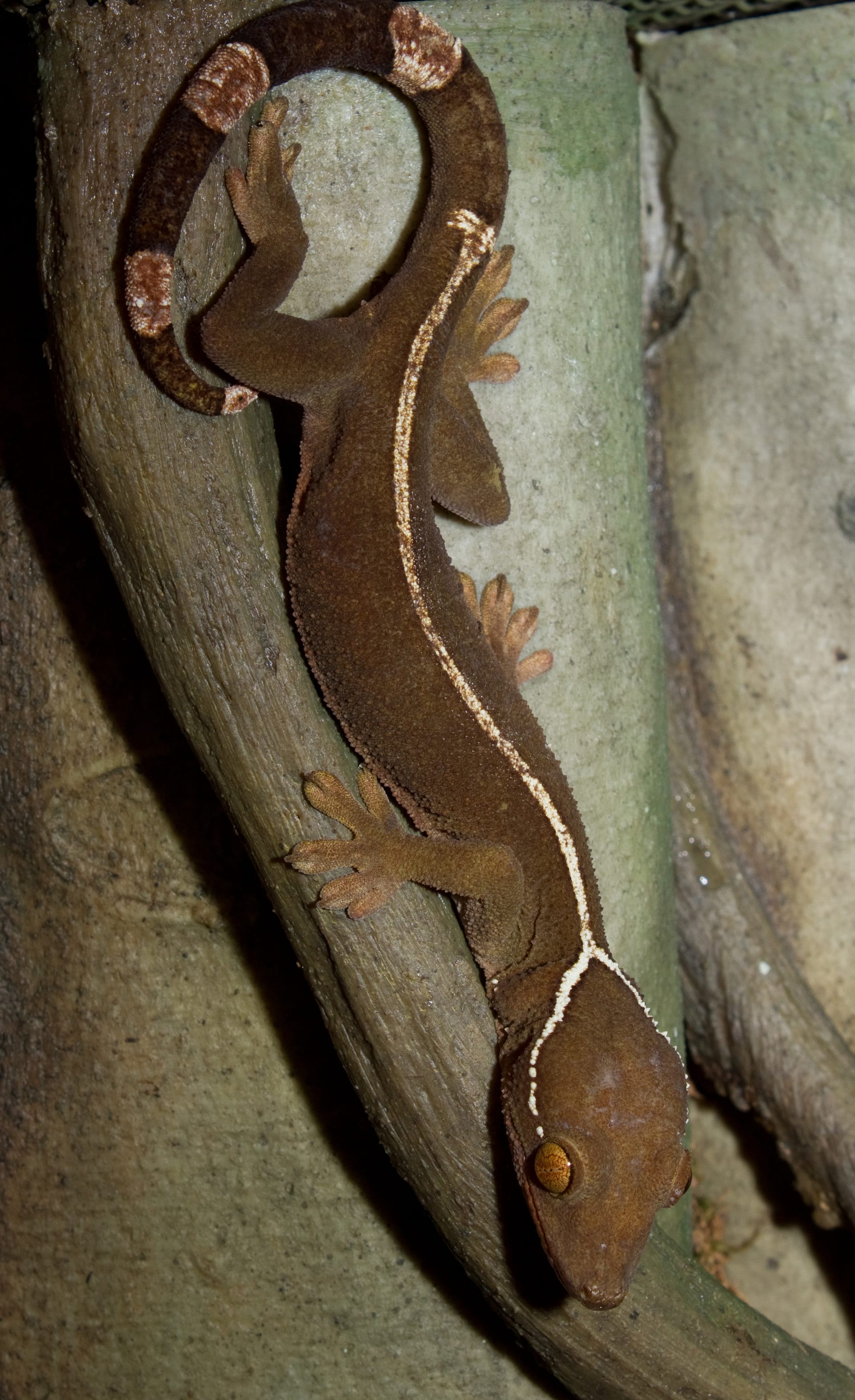
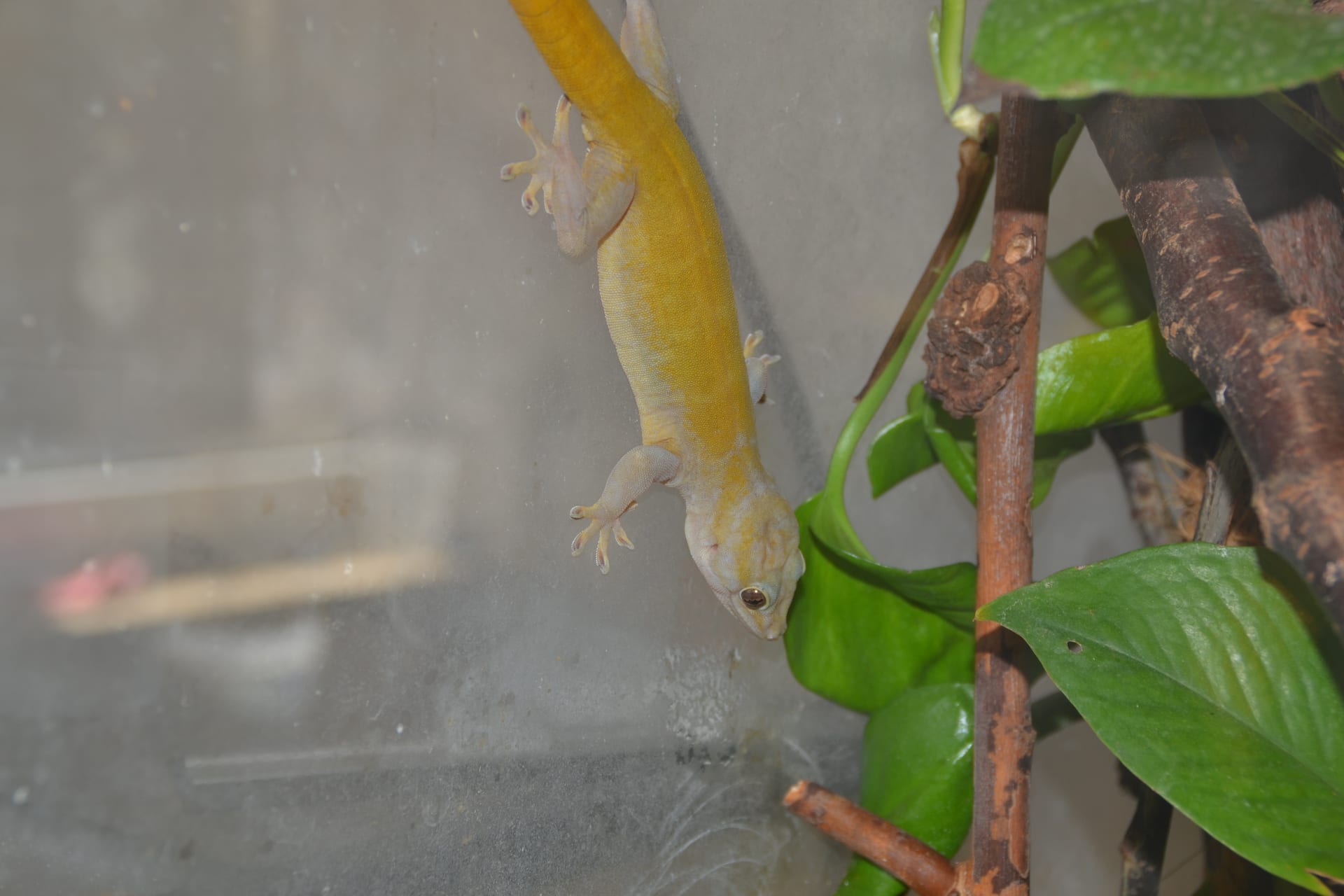
An arboreal gecko from southern Vietnam, named for its yellowish to golden colouring. Males reach 18-20 cm including the tail. Nocturnal and hardy, it is traded as an easy species to keep.
Difficulty
Beginner
Lifespan
Eight years or more, with well-kept animals exceeding 15 years
Size
Males 18-20cm, females 15-18cm including tail
Humidity
60〜80%
Diet
Crickets, dubia roaches and other insects, plus fruit-based gel diets
About
Gekko badenii is an arboreal gecko confined to a small area of southern Vietnam. It was described in 1994 from Ba Den Mountain in Tay Ninh Province, and Gekko ulikovskii, described separately the same year, is regarded as a synonym. The colour is yellowish brown to golden and varies with the individual and its condition. Males are slightly larger than females at 10-13 cm snout to vent and 18-20 cm in total length, while females are about 8-10 cm snout to vent and 15-18 cm overall. It is nocturnal and spends the day tucked into crevices in bark. As a rainforest animal it prefers relatively high humidity. Hardy, easy to keep and modestly priced, it is treated as a beginner's gecko, though its nocturnal habits mean it is best observed late in the day.
Source: Wikipedia (CC BY-SA 4.0)
Lifespan of the Golden Gecko
The Golden Gecko lives Eight years or more, with well-kept animals exceeding 15 years.
Size of the Golden Gecko
The Golden Gecko grows to Males 18-20cm, females 15-18cm including tail.
Basic Info
Origin
Southern Vietnam (Tay Ninh and Kien Giang provinces) in tropical forest, and possibly Cambodia
Lifespan
Eight years or more, with well-kept animals exceeding 15 years
Size
Males 18-20cm, females 15-18cm including tail
Humidity
Care Specifications
PeacefulGroupBreeding: Moderate
Sources: Reptiles Magazine: Golden Gecko Care Sheet / Reptile Database
References & Sources
Edited & verified by: BreederDirect editorial team
The taxonomic, regulatory, and husbandry data on this page are compiled and verified against the authoritative primary sources below.
Taxonomy & Authority
Accepted name: Gekko badenii Szczerbak & Nekrasova, 1994
Synonyms: Gekko ulikovskii Darevsky & Orlov, 1994
Authority databases: Reptile Database
Nomenclature follows global taxonomic authority databases.
Regulations & Conservation Status
Not CITES-listed
Not listed in the appendices of the Washington Convention. It does not fall under the specific animals listed in the Order for Enforcement of the Law Concerning the Protection and Management of Animals, nor is it designated as an invasive alien species.
Sources: CITES Appendices (species not listed) / Order for Enforcement of the Act on Welfare and Management of Animals (list of designated animals)
Regulations may change. Always verify the latest information with the relevant authorities.
Golden Gecko Listings
Loading latest listingsFind listings for this species