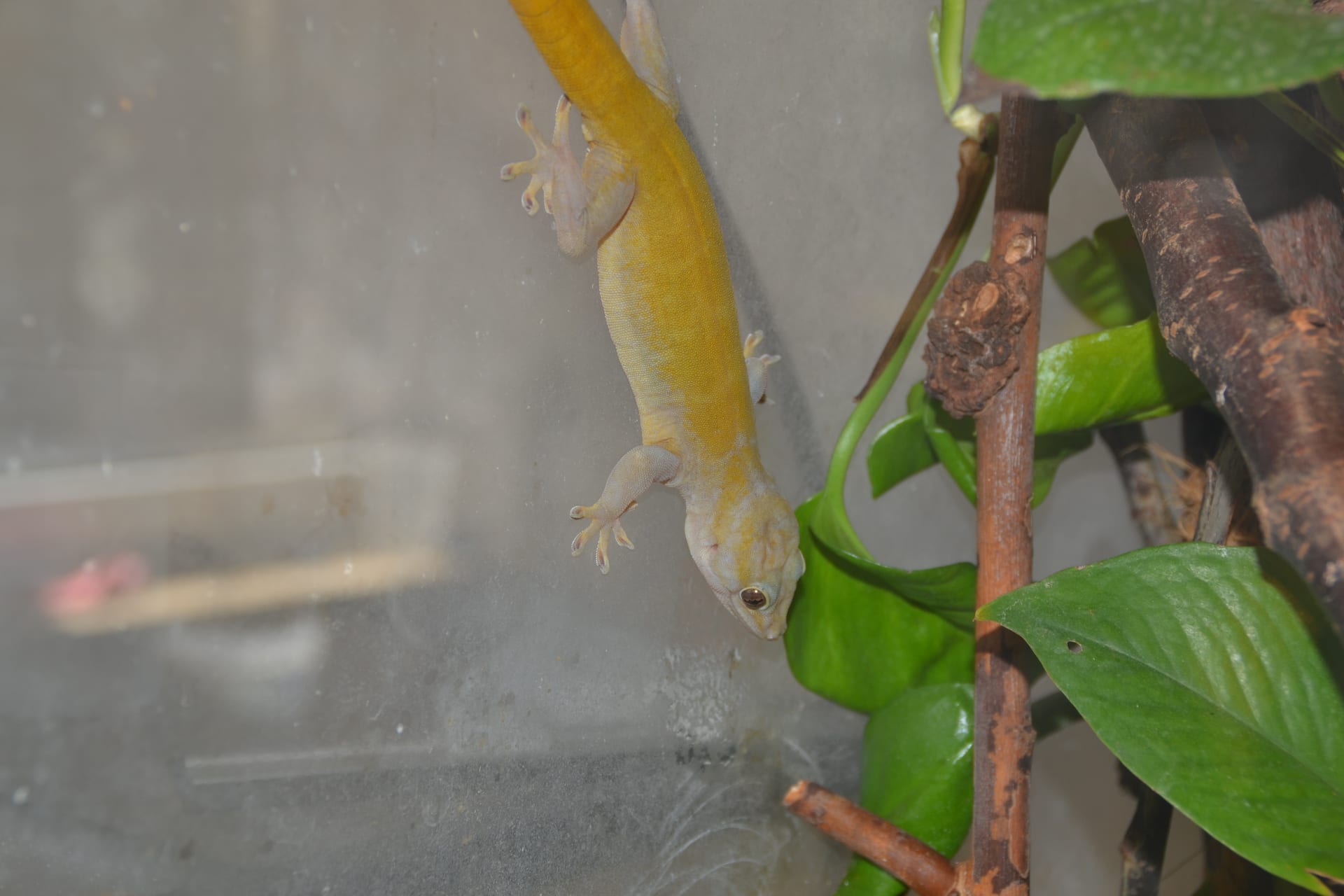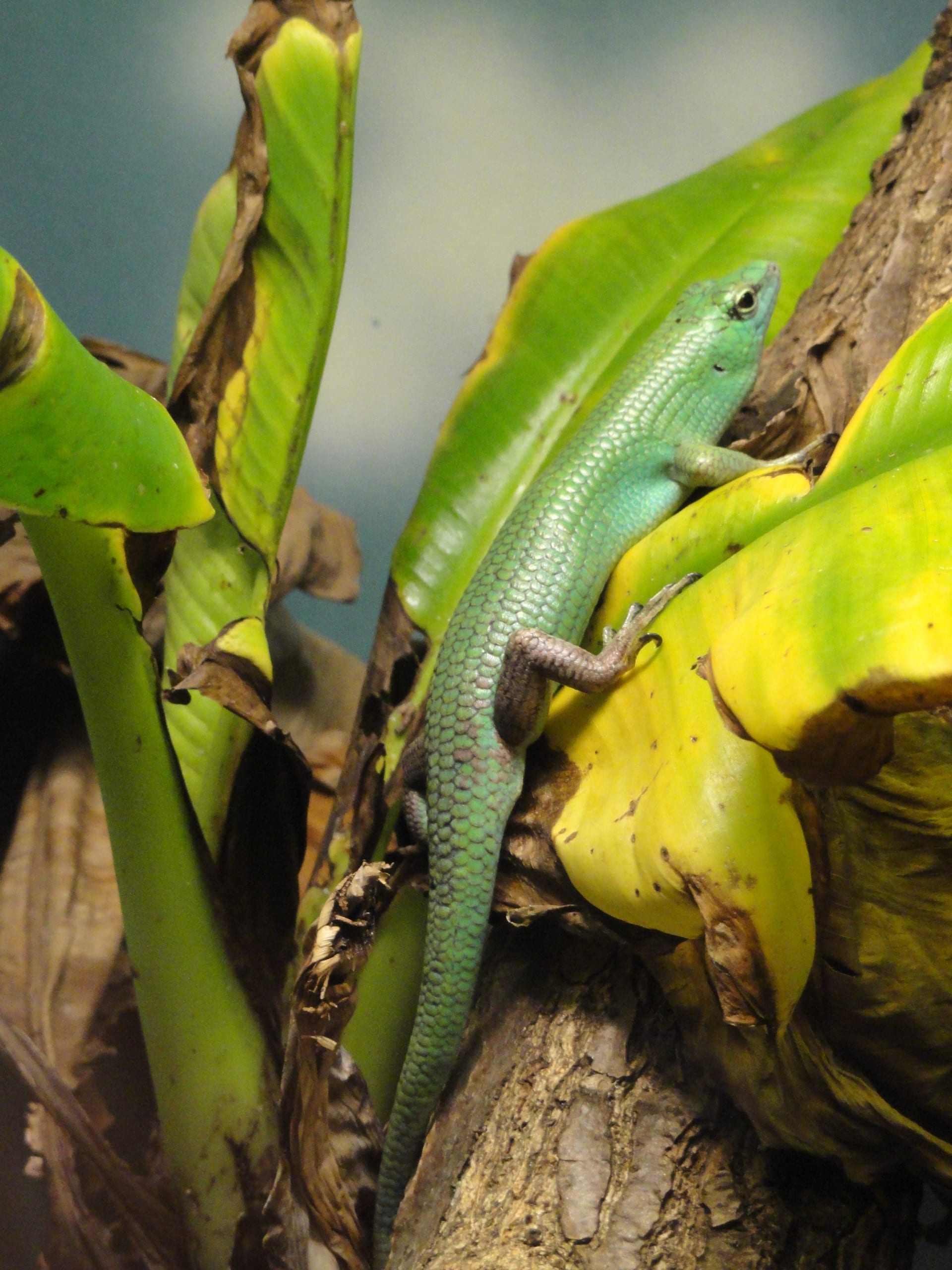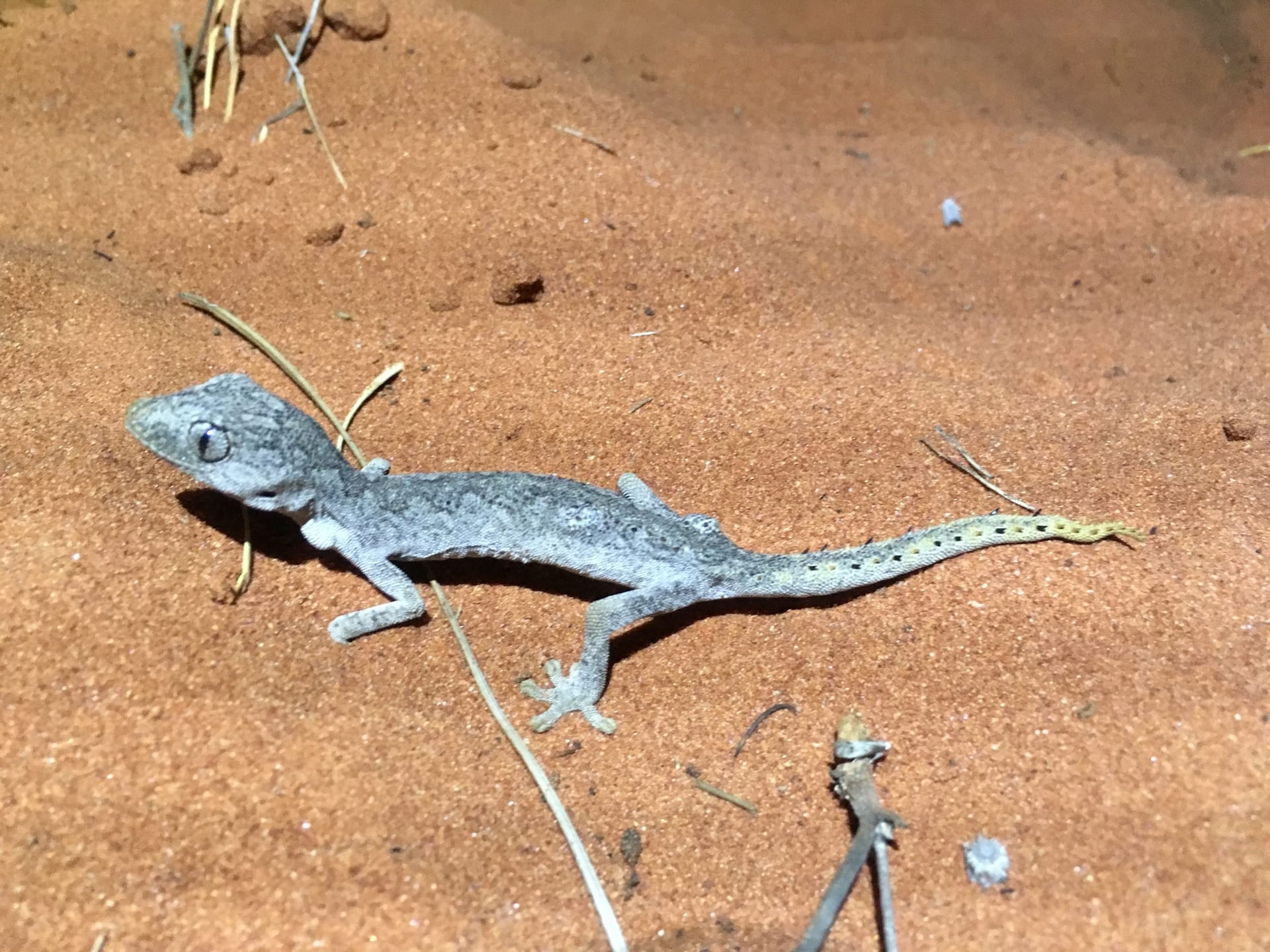
Source: Wikimedia Commons
White-Lined Gecko
IntermediateGekko vittatus
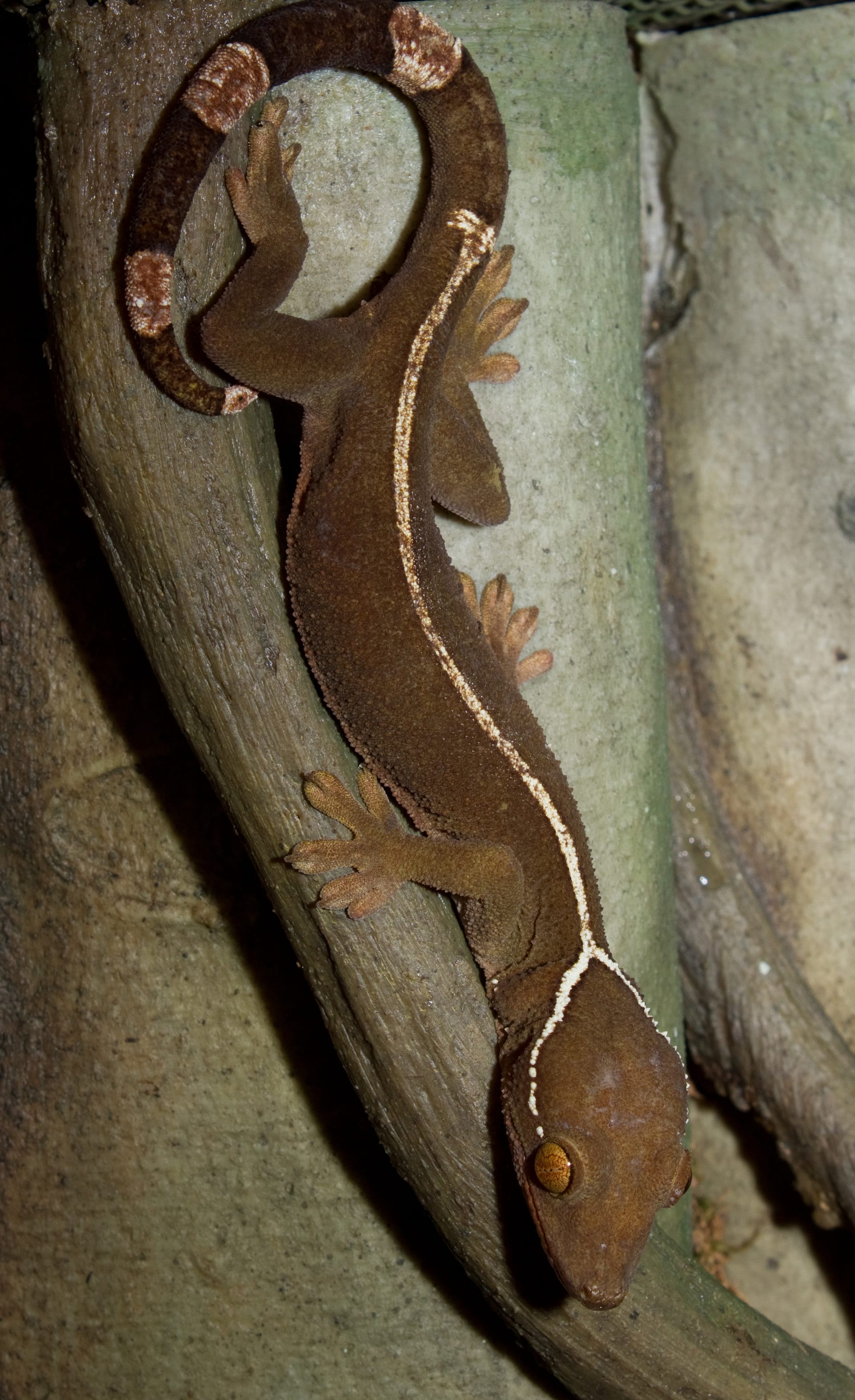
An arboreal gecko ranging from eastern Indonesia to the Solomon Islands, with a single white line running from the nape to the base of the tail over a brown body. It reaches 23-25 cm and is a medium-sized nocturnal species.
Difficulty
Intermediate
Lifespan
7-10 years in captivity, with records of over 15 years
Size
23-25cm
Humidity
70〜80%
Diet
Crickets, dubia roaches and other insects, plus fruit-based gel diets
About
Gekko vittatus is an arboreal gecko of the rainforests from eastern Indonesia through New Guinea to the Solomon Islands. The specific name vittatus is Latin for banded, after the single white line running from the nape to the base of the tail; that stripe also earned it the English name skunk gecko. It reaches 23-25 cm. Nocturnal, it hides under bark or leaves by day and hunts insects at night. Wild animals live about three to five years, but captives reach seven to ten years and well-kept individuals have exceeded 15. It is a Ferguson Zone 1 crepuscular or shade-dwelling species and does not require strong UVB.
Source: Wikipedia (CC BY-SA 4.0)
Lifespan of the White-Lined Gecko
The White-Lined Gecko lives 7-10 years in captivity, with records of over 15 years.
Size of the White-Lined Gecko
The White-Lined Gecko grows to 23-25cm.
Basic Info
Origin
Indonesia (Halmahera and Morotai), Papua New Guinea, the Bismarck Archipelago, the Solomon Islands and Vanuatu, in tropical rainforest
Lifespan
7-10 years in captivity, with records of over 15 years
Size
23-25cm
Humidity
70〜80%
Diet
Care Specifications
Semi-aggressiveSolitaryBreeding: Moderate
Sources: Reptiles Magazine: Skunk Gecko Care Sheet / Reptile Database
References & Sources
Edited & verified by: BreederDirect editorial team
The taxonomic, regulatory, and husbandry data on this page are compiled and verified against the authoritative primary sources below.
Taxonomy & Authority
Accepted name: Gekko vittatus Houttuyn, 1782
Synonyms: Gecko trachylaemus Peters, 1873, Gekko vittatus Wermuth, 1965
Authority databases: Reptile Database
Nomenclature follows global taxonomic authority databases.
Regulations & Conservation Status
Not CITES-listed
Not listed in the appendices of the Washington Convention. It does not fall under the specific animals listed in the Order for Enforcement of the Law Concerning the Protection and Management of Animals, nor is it designated as an invasive alien species.
Sources: CITES Appendices (species not listed) / Order for Enforcement of the Act on Welfare and Management of Animals (list of designated animals)
Regulations may change. Always verify the latest information with the relevant authorities.
White-Lined Gecko Listings
Loading latest listingsFind listings for this species