Leopard Gecko Beginner's Guide: Enclosure, Food, and Temperature Management
A beginner's guide to caring for leopard geckos (leos). Covers enclosure size, substrate, temperature and humidity settings, through detailed feeding management with crickets, dubias, and more.
Key Takeaways
A beginner's guide to caring for leopard geckos (leos). Covers enclosure size, substrate, temperature and humidity settings, through detailed feeding management with crickets, dubias, and more.
Related Species
What Are Leopard Geckos? The Appeal of Keeping Them
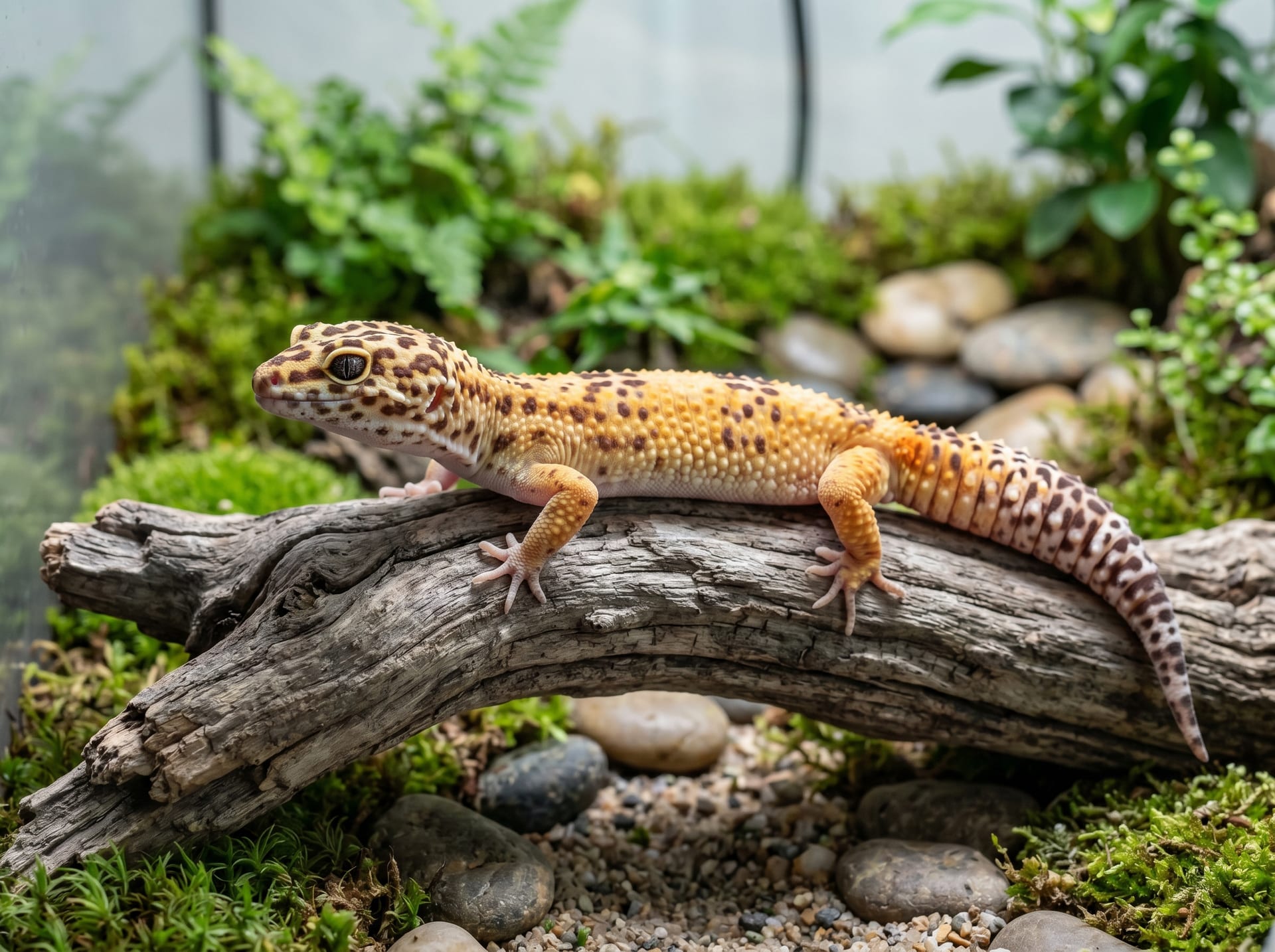
The Leopard Gecko (scientific name: Leopard Gecko, commonly called "leo") is widely known as one of the easiest reptiles to care for. They are native to arid rocky areas such as Afghanistan, Pakistan, and northwestern India. In the wild, they are nocturnal, hiding in rock crevices during the day and becoming active at night.
There are several reasons why leopard geckos are popular with beginners. First, they have hardy bodies and are relatively adaptable to environmental changes. Second, they have calm temperaments, become tame easily, and handling (holding them in your hand) is enjoyable. And finally, they are silent and have little odor, making them suitable even for apartment living.
Adult body length is approximately 18–25 cm, and with proper care, their lifespan is 10–15 years or more. They have abundant color variations (morphs), which adds to their collectibility and appeal.
Choosing an Enclosure and Basic Layout
Enclosure Size
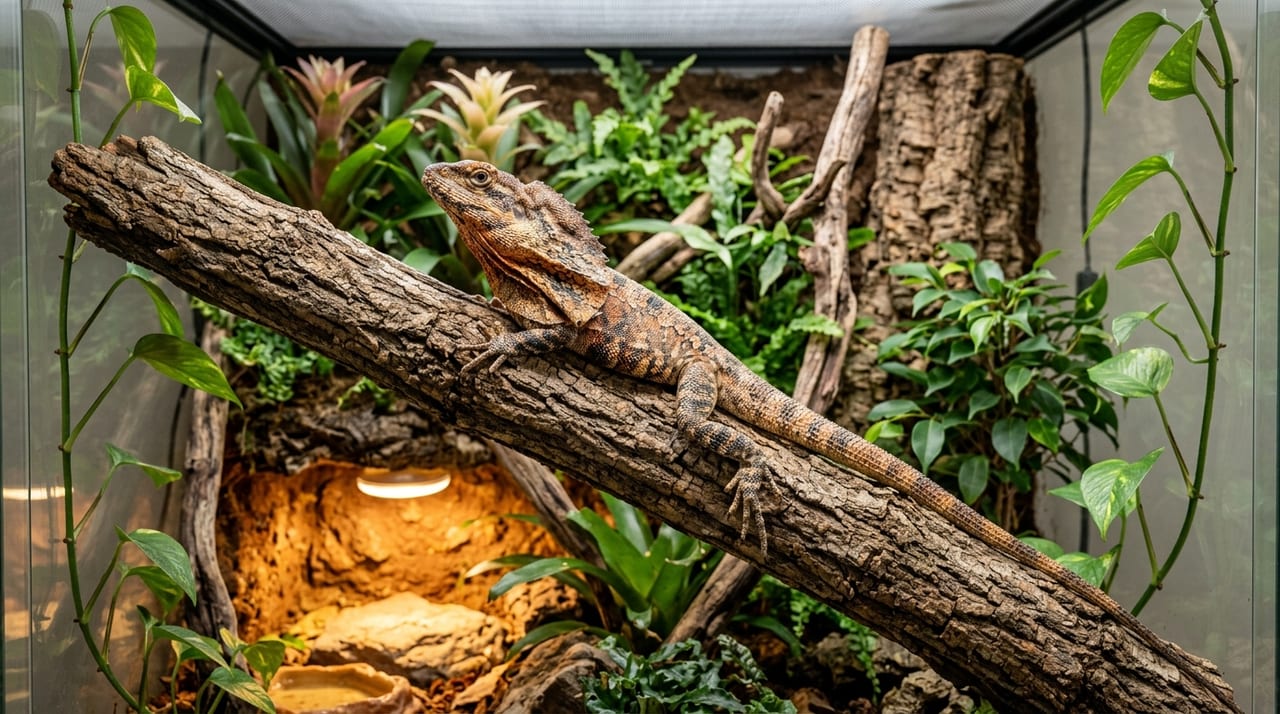
The recommended minimum enclosure size for one adult is approximately 60 cm wide × 30 cm deep × 30 cm tall. Since leopard geckos are ground-dwelling lizards with no climbing behavior, prioritize floor space over height. It's recommended to start with a smaller enclosure (around 30 cm square) for juveniles and upgrade as they grow.
Glass reptile-specific enclosures are standard, but choose one with a mesh top to ensure proper ventilation. Plastic enclosures are affordable and convenient, but for long-term use, glass is more durable.
Substrate Selection
You can choose substrate based on your care style and preference, but understand the characteristics of each.
- Paper towels/pet sheets: Easiest to manage. No ingestion risk and simple to keep clean, ideal for beginners.
- Calcium sand: Natural appearance and dissolves in the body if accidentally ingested. However, avoid using it for juveniles or individuals with health issues.
- Desert soil/reptile-specific substrate: Creates a natural-looking setup. Allows for natural burrowing behavior and provides an enriching environment.
For beginners, I recommend starting with paper towels or pet sheets and progressing to soil-based substrates as you gain experience.
Shelters and Decorations
Leopard geckos experience significant stress without hiding places. Always install one or two shelters. Commercial wet shelters (which retain moisture to aid shedding) are particularly useful. Placing shelters on both the warm and cool sides allows them to thermoregulate while feeling secure.
Temperature and Humidity Management: Key to Health
Temperature Management
Leopard geckos are ectothermic and rely on external heat to regulate body temperature. Creating a temperature gradient in the enclosure is essential.
| Area | Recommended Temperature |
|---|---|
| Warm side (under heat pad) | 30–33°C |
| Cool side | 24–27°C |
| Nighttime (overall) | Maintain above 20°C |
The most popular heating method is a heat pad (under-tank heater). Place it under one-third to one-half of the enclosure floor, allowing the gecko to select its preferred temperature zone. When room temperature drops below 15°C, add supplemental heating such as a ceramic heater.
A digital thermometer is essential. Dual-probe thermometers that measure both the warm and cool sides simultaneously make management easier.
Humidity Management
Although leopard geckos come from arid environments, they need 50–70% humidity during shedding. Normal humidity levels of 40–50% are fine.
By providing a wet shelter, geckos can enter a humid environment before shedding, allowing for smooth skin shedding. During dry winter months, lightly mist the shelter interior to maintain humidity. Improper shedding (retained skin) can harm the fingers and eyes, so humidity management is critical.
Food Types and Feeding Tips
Primary Food Insects
Leopard geckos are obligate carnivores and primarily eat insects. Here are the main food insects.
Crickets (Two-spotted/European house crickets)
The most popular feeder insect. Well-balanced nutrition and easy to obtain. However, they're noisy and escape easily, requiring careful management. They can be fed with tweezers and are good for teaching feeding behavior.
Dubia roaches (Argentine cave roaches)
Quieter and less likely to escape than crickets. Highly nutritious and easy to keep in stock. While some find their appearance off-putting, they are popular among keepers.
Mealworms and giant mealworms
Highly palatable with excellent feeding response. However, they are fatty and best used as occasional treats. Making them a staple results in nutritional imbalance.
Hornworms (bee pupae)
Extremely palatable and effective for recovering individuals with poor appetite. However, they are very high in calories and should not be fed regularly.
Feeding Frequency and Size
Choose prey no larger than the gecko's head width. Oversized food can cause digestive issues and regurgitation.
- Juveniles (up to 6 months): Daily or every other day
- Sub-adults (6 months to 1 year): Every 2–3 days
- Adults (1 year and older): Every 3–5 days
As they mature, appetite stabilizes and uneaten food increases. Always remove leftover crickets from the enclosure, as they can bite the gecko.
Dusting and Gut-loading
Feeder insects alone lack sufficient nutrition. Calcium deficiency especially causes metabolic bone disease, so always dust insects with calcium powder before feeding.
Another technique is "gut-loading," where you feed feeder insects nutrient-rich vegetables (carrots, mustard greens, etc.) or specialized food the day before offering them to the gecko, boosting the nutritional value.
Hydration and Health Monitoring Tips
Water Provision
Provide a shallow water dish at all times and refresh the water daily. Avoid deep dishes that could cause drowning; water should be only shallow enough for them to drink from.
Geckos drink directly from water dishes or lick water droplets off walls. Around shedding time, they need extra hydration, so lightly misting the enclosure walls is helpful.
Health Checklist
Get into the habit of observing the following daily.
- Tail thickness: The tail stores nutrients. A thin tail indicates malnutrition.
- Eye condition: Check for any retained skin after shedding.
- Feces: Normal droppings are dark solid waste with white or yellow uric acid deposits. Diarrhea or redness warrants attention.
- Appetite: Sudden appetite loss often indicates pre-shedding, breeding season, or inadequate temperature.
- Movement: Sluggish or lethargic movement indicates health issues.
If symptoms persist, consult a veterinarian experienced with reptiles (explicitly noted to handle reptiles).
Conclusion: Enjoying Leopard Gecko Care Long-term
The most important aspects of leopard gecko care are proper temperature management and regular observation. Health changes only become apparent through daily observation. Make it a habit to quickly check the enclosure even on busy days for appetite and movement changes.
In terms of equipment investment, starting with a quality enclosure, heater, and thermometer prevents problems later. Cutting costs initially often results in greater expenses down the line.
Enjoy your life with your leopard gecko as a long-term companion. With proper care and affection, they'll thrive for 10+ years.