Hermann's Tortoise Care Starter Guide | Complete Explanation of Enclosure, Diet, and Temperature Management
A comprehensive beginner's guide to caring for Hermann's tortoises. This starter guide covers all essential knowledge for healthy long-term care, from proper enclosure size and temperature management to diet (wild plants, vegetables, calcium supplementation), UV lighting, and hibernation basics.
Key Takeaways
A comprehensive beginner's guide to caring for Hermann's tortoises. This starter guide covers all essential knowledge for healthy long-term care, from proper enclosure size and temperature management to diet (wild plants, vegetables, calcium supplementation), UV lighting, and hibernation basics.
What Kind of Tortoise is a Hermann's Tortoise?
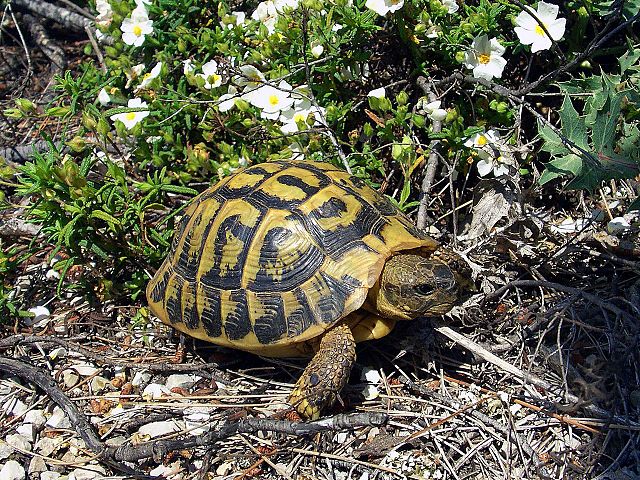
Hermann's tortoise (Testudo hermanni) is a relatively small and popular species of land tortoise native to Southern Europe through the Balkan Peninsula. Adult shell length reaches approximately 15-20 cm, and lifespan in captivity can reach 50-80 years. While their gentle temperament and hardy constitution make them often recommended for reptile beginners, their high UV requirements and specialized diet mean that inadequate preparation can easily lead to health problems.
In this article, I'll explain the essential points about enclosure setup, diet management, temperature, UV lighting, and hibernation from a breeder's perspective—everything you should know before bringing home a Hermann's tortoise.
Choosing an Enclosure and Minimum Size Standards
Hermann's tortoises are highly active and spend the entire day moving around. Narrow glass tanks accumulate stress, leading to immunosuppression, loss of appetite, and shell deformation.
Minimum Enclosure Size Guidelines
| Adult Size | Minimum Floor Area | Recommended Size |
|---|---|---|
| Juvenile (~8cm) | 60cm×45cm | 90cm×60cm |
| Subadult (~13cm) | 90cm×60cm | 120cm×60cm |
| Adult (15-20cm) | 120cm×60cm | 150cm×90cm |
Wood materials (OSB board or plywood) and reptile-specific table-top enclosures are the mainstream options. Glass tanks are unsuitable for long-term care because humidity management is difficult and reflection stress from side lighting is problematic.
Substrate selection considers heat retention, humidity maintenance, impaction risk, and ease of cleaning. A popular approach is blending coconut husk fiber and reptile sand at approximately 7:3. Maintain a depth of 5-8 cm to create an environment where tortoises can perform burrowing behavior.
Temperature Management and Basking Setup
Hermann's tortoises are ectothermic and require a temperature gradient (thermogradient) to thermoregulate.
Recommended Temperature Settings
- Basking spot: 35-40°C
- Enclosure (cool side): 22-28°C
- Nighttime: 18-22°C (use heating elements in winter)
Incandescent and halogen bulbs are widely used for basking lamps. Adjust temperature by varying the distance between the lamp and enclosure floor, and place a thermometer on the floor to verify actual temperatures.
There's a common misconception that lamp wattage determines temperature, but distance, presence of a reflector, and enclosure ventilation actually make a large difference. Always measure with a thermometer before finalizing settings.
In winter, prevent room temperature from dropping below 15°C by using under-tank heaters or far-infrared heaters to cover 1/3 to 1/2 of the enclosure floor. If hibernating your tortoise, a separate protocol is needed (see below).
Diet and Feeding Guidelines
Hermann's tortoises are strictly herbivorous, and excessive protein causes kidney disease and pyramiding.
Suitable Staple Foods
- Dandelion leaves and flowers (excellent choice)
- Plantain, cleavers, clover (calcium-rich wild plants)
- Mustard greens, bok choy (vegetables with good calcium-to-phosphorus ratio)
- Kale, turnip greens, radish leaves
Foods to Avoid
- Spinach (oxalic acid inhibits calcium absorption)
- Fruits of all kinds (excessive sugar causes digestive problems)
- Animal proteins (meat, insects, fish)
- Cabbage and broccoli (goitrogens inhibit thyroid function)
Use only pesticide-free wild plants, and avoid areas treated with herbicides when foraging from gardens or parks.
Provide calcium supplementation by dusting food daily to every other day with cuttlebone powder or reptile calcium powder. Since vitamin D3 is self-synthesized under UVB light, limit D3-containing supplements to about once or twice weekly.
The Importance of Ultraviolet (UVB) Lighting
Hermann's tortoises synthesize vitamin D3 in their skin under UVB (ultraviolet B) light. D3 deficiency prevents calcium utilization, causing metabolic bone disease. UVB lighting is essential for indoor care.
UVB Light Specifications to Choose
- UVI (ultraviolet index): 2.0-3.0 under the basking zone
- Recommended types: T5 HO (high-output fluorescent) or metal-halide (MVB)
- Mounting distance: Always confirm manufacturer recommendations (typically 30-50cm for T5)
- Duration: 10-12 hours in summer, 8-10 hours in winter (use a timer)
- Replacement: UVB degrades faster than visible light; replace according to manufacturer lifespan (6-12 months)
The most reliable way to measure UVI accurately is with a dedicated UVI meter like the Solarmeter 6.5, which most breeders use. Inexpensive UV meters often display combined UVA and UVB, making them unsuitable for UVI calculations.
About Hibernation (Brumation)
Hermann's tortoises are a hibernating species in their native habitat. While opinions vary on whether captive tortoises should hibernate, allowing healthy individuals to do so is believed to regulate their biological cycles and improve breeding success.
Basic Hibernation Protocol
- Beginning around October, gradually reduce feeding and empty the digestive system (fasting period: 3-4 weeks)
- Place in a dark enclosure at 5-10°C (refrigerator or hibernation box) for 1-3 months
- Weigh weekly; if weight loss exceeds 10%, discontinue hibernation
- Gradually raise temperature in February-March to wake, then resume feeding with small amounts after a warm bath
Juveniles (under 3 years), thin individuals, and sick tortoises are at high hibernation risk and not recommended. Most deaths during hibernation result from insufficient pre-hibernation nutrition or temperature fluctuations. If uncertain, maintaining heated indoor care without hibernation is a perfectly reasonable option.
Summary: Keys to Long-Term Success with Hermann's Tortoise Care
Hermann's tortoises are hardy reptiles that can become lifelong companions for 50+ years with proper husbandry and diet. Here's a review of essential points before you start.
- Enclosure: Provide at least 150cm×90cm for adults; wooden enclosures are ideal
- Temperature: Create a gradient with basking at 35-40°C and cool side at 22-28°C
- Diet: Low-protein herbivorous diet centered on wild plants and vegetables plus calcium supplementation
- UVB: Maintain UVI 2-3 with T5 HO lighting; replace every 6-12 months
- Hibernation: Consider for healthy individuals (not recommended for juveniles or weak tortoises)
By preparing and understanding these essentials before bringing your tortoise home, you'll create the foundation for a long, healthy life together.