Source: Wikimedia Commons
Cat Gecko
AdvancedAeluroscalabotes felinus
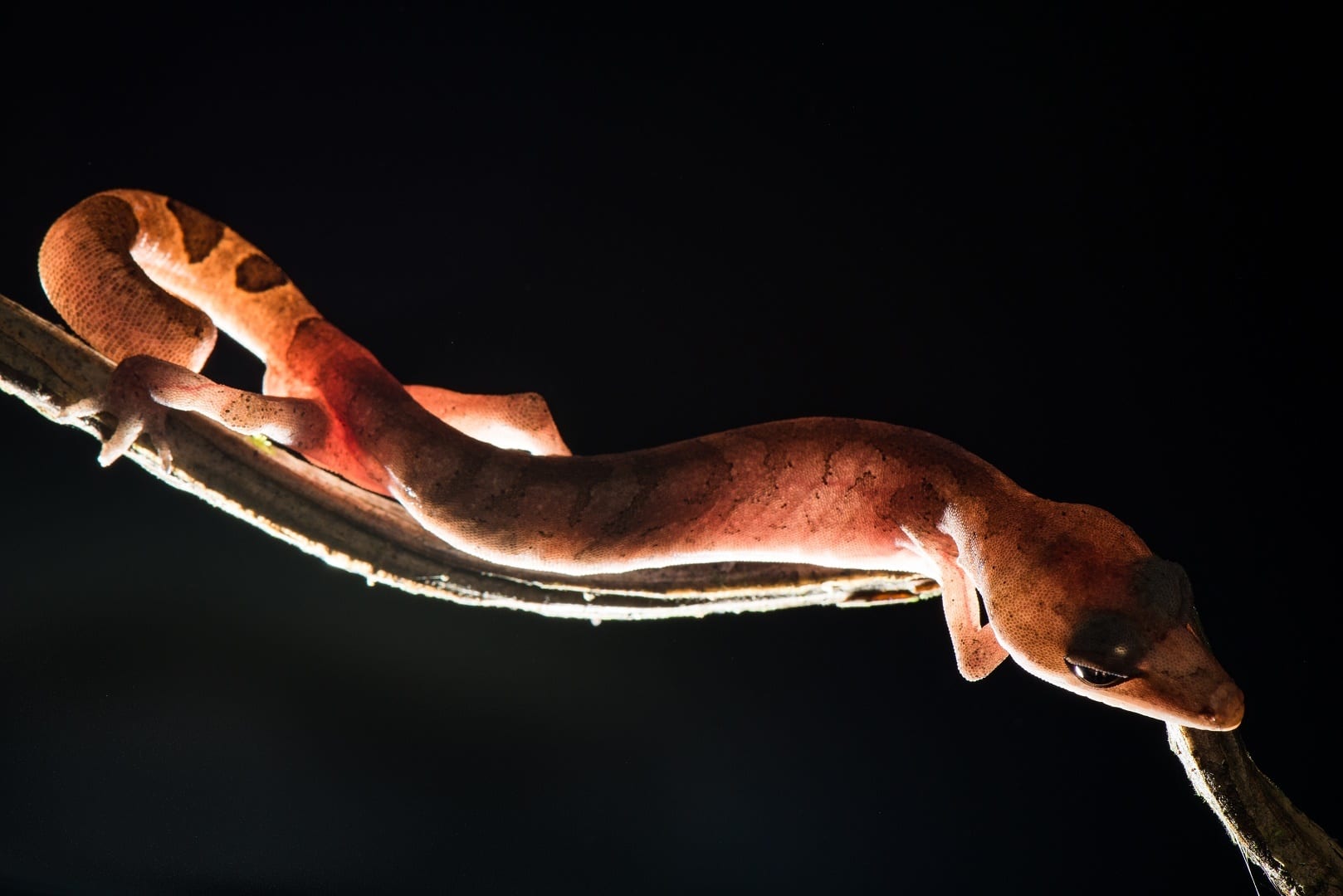
A semi-arboreal eyelid gecko of cool, humid montane forest in South-East Asia. It reaches about 18 cm and is named for its habit of curling up with its tail around itself when sleeping. Very intolerant of heat, it is demanding to keep.
Difficulty
Advanced
Lifespan
10-15 years
Size
About 18cm; males smaller than females
Diet
Small insects such as crickets and fruit flies, and other arthropods
About
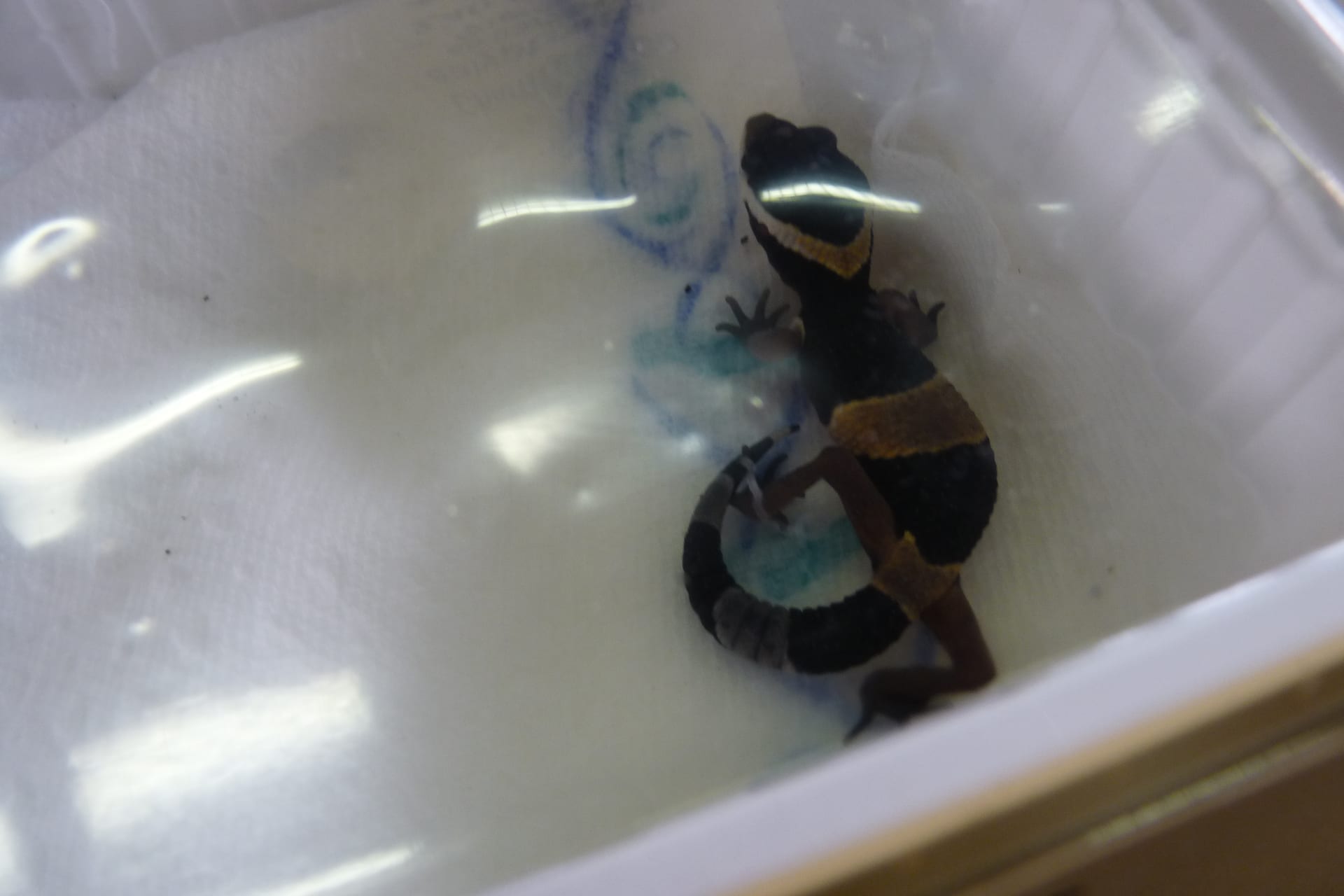
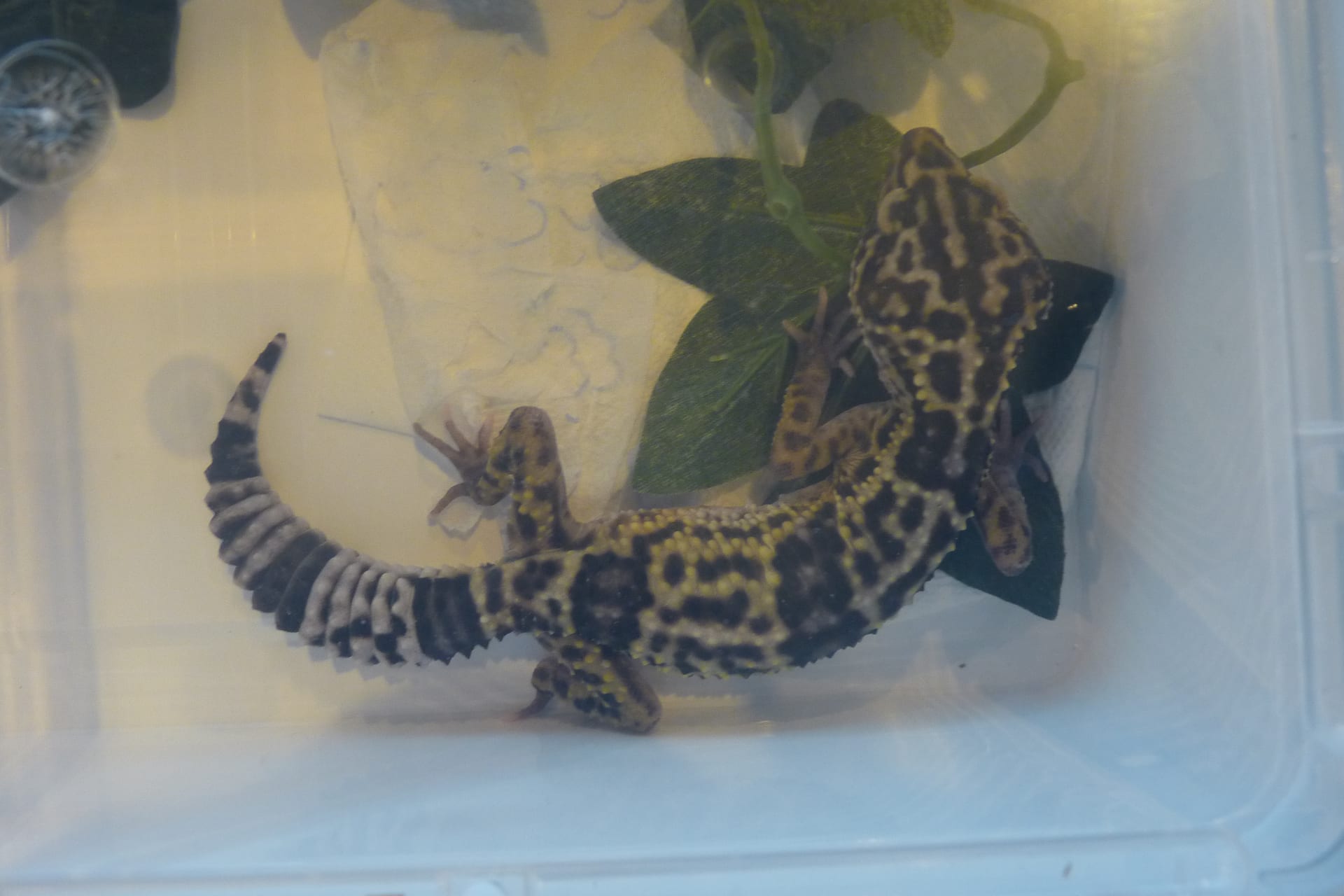
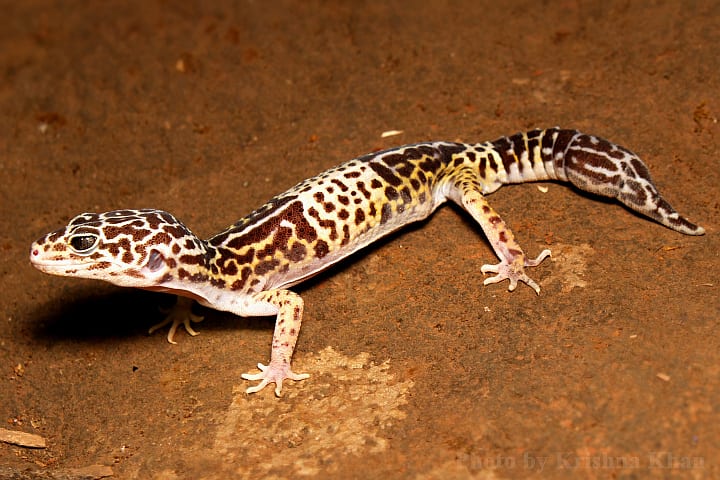
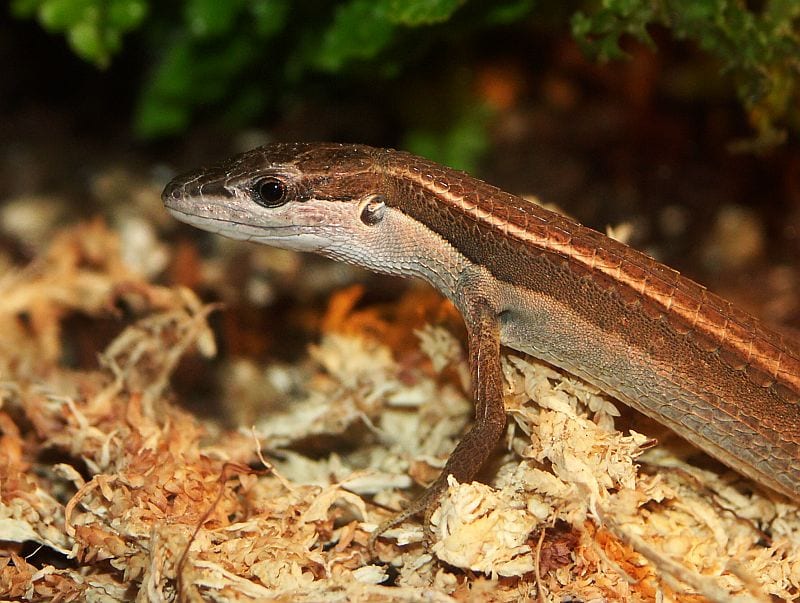
Aeluroscalabotes felinus is a gecko of the family Eublepharidae found in South-East Asia and the only species in its genus. It reaches about 18 cm, males being smaller than females. It is lightly built, typically red-brown with white spots and solid white under the chin, sometimes extending to the belly, and some animals show brown blotching along the back. It is regarded as one of the more primitive geckos, close in body structure to the few known fossils of early geckos. Semi-arboreal and preferring cool, humid montane rainforest, it is primarily nocturnal and insectivorous, taking a wide variety of small insects and other arthropods. The common name comes from its habit of curling up with its tail around itself when it sleeps, like a cat. Two subspecies are recognised, felinus felinus and felinus multituberculatus. It is occasionally kept as a pet but is not commonly available, and captive breeding is known to be difficult. It is extremely intolerant of heat and must always have a cool retreat available.
Source: Wikipedia (CC BY-SA 4.0)
Lifespan of the Cat Gecko
The Cat Gecko lives 10-15 years.
Size of the Cat Gecko
The Cat Gecko grows to About 18cm; males smaller than females.
Basic Info
Origin
Montane forest in Indonesia including Borneo and Sumatra, the Malay Peninsula, Singapore, southern Thailand and southern Vietnam
Lifespan
10-15 years
Size
About 18cm; males smaller than females
Care Specifications
PeacefulSolitaryBreeding: Very hard
Sources: The Bio Dude: Malaysian Cat Gecko Caresheet / Reptiles Magazine: Keeping and Breeding the Malaysian Cat Gecko / Wikipedia (English) / Reptile Database
References & Sources
Edited & verified by: BreederDirect editorial team
The taxonomic, regulatory, and husbandry data on this page are compiled and verified against the authoritative primary sources below.
Taxonomy & Authority
Accepted name: Aeluroscalabotes felinus (Günther, 1864)
Synonyms: Pentadactylus felinus Günther, 1864
Authority databases: GBIF · Reptile Database
Nomenclature follows global taxonomic authority databases.
Regulations & Conservation Status
Not CITES-listedIUCN LC · Least Concern
Not listed in any appendix of the Convention on International Trade in Endangered Species (CITES) (not registered in Species+). Does not fall under either the specified animals listed in the appended table of the Ordinance for Enforcement of the Animal Welfare and Management Law, nor the specified invasive alien species under the Invasive Alien Species Act.
Sources: CITES Appendices (species not listed) / IUCN Red List
Regulations may change. Always verify the latest information with the relevant authorities.
Cat Gecko Listings
Loading latest listingsFind listings for this species