Source: Wikimedia Commons
Central American Banded Gecko
BeginnerColeonyx mitratus
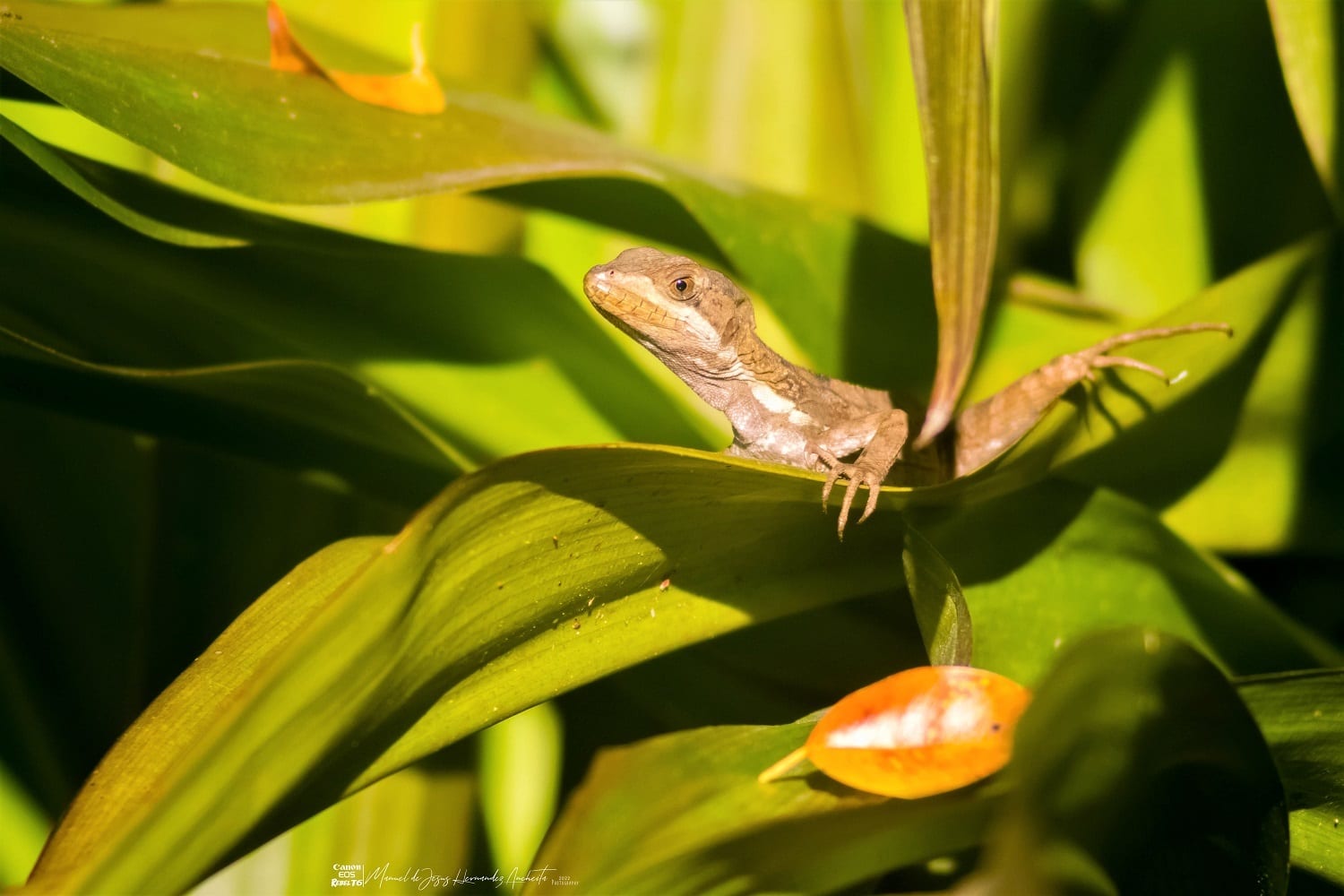
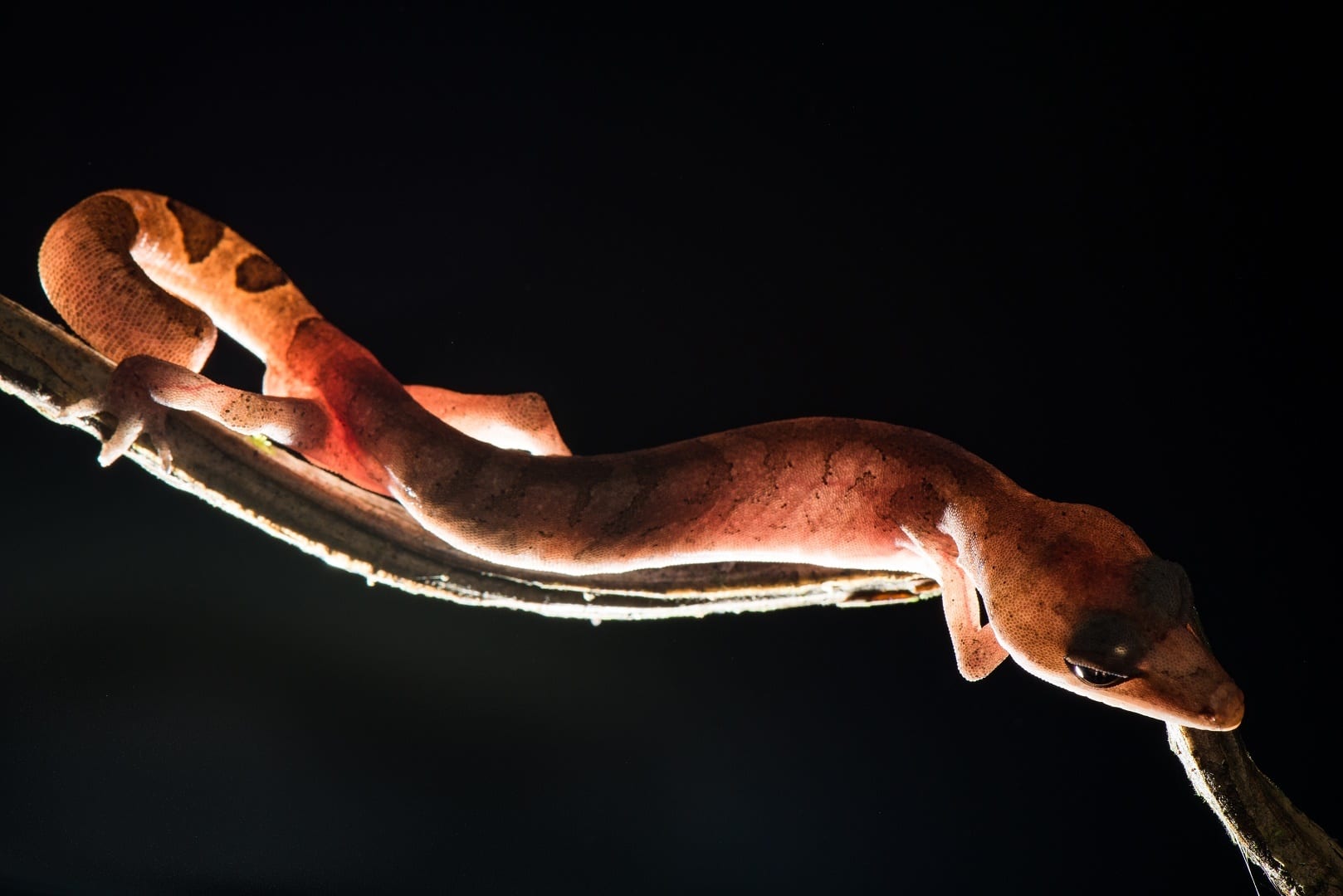
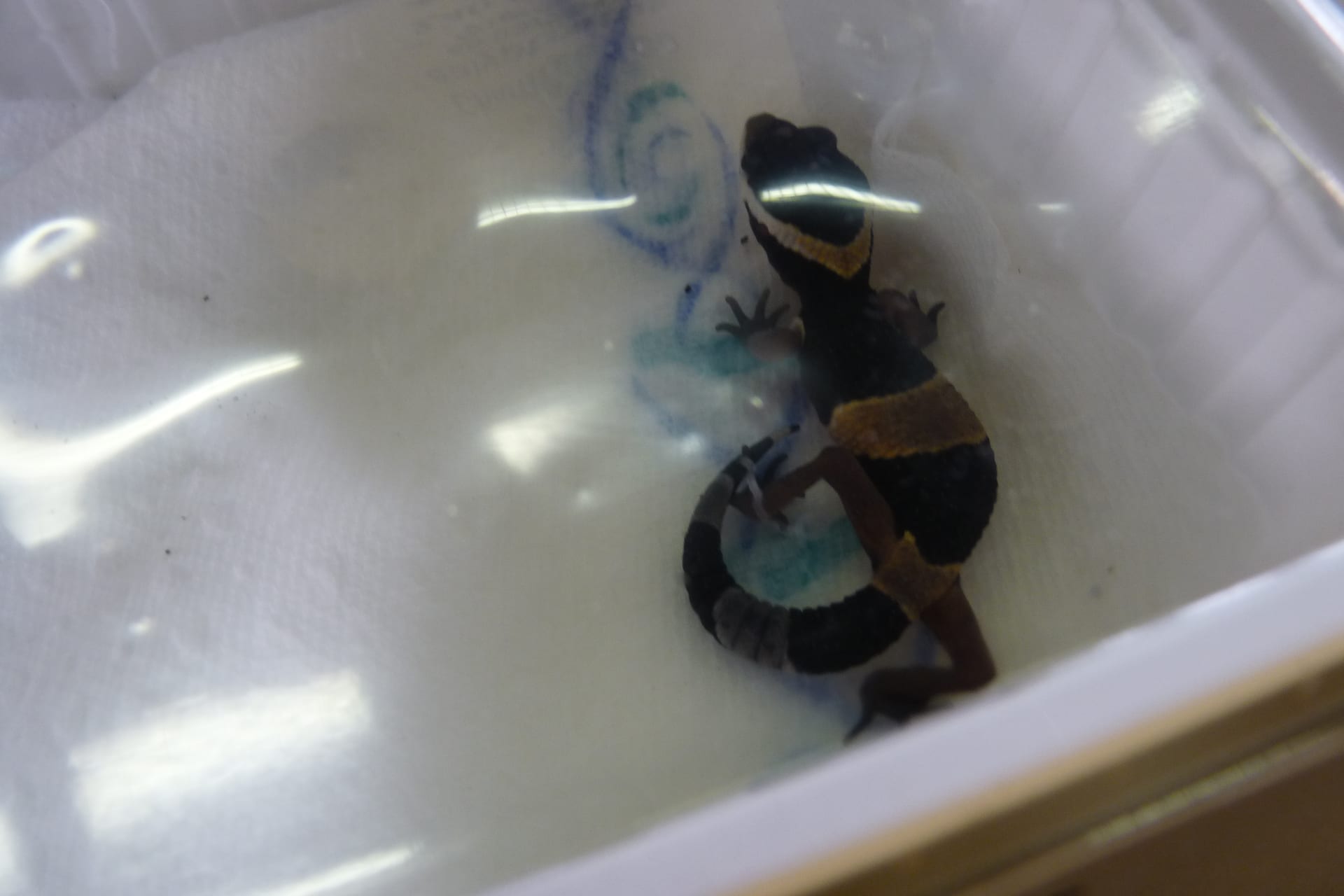
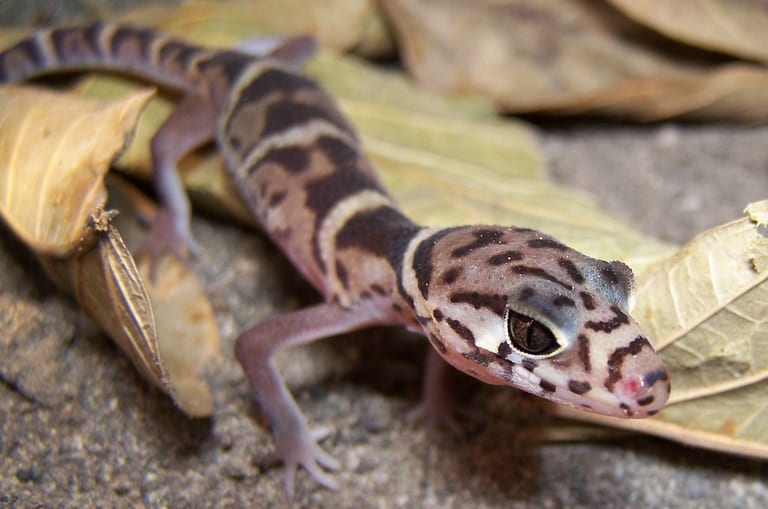
A medium-sized eyelid gecko of Central America with brown, black and yellow bands across the back. It reaches 190 mm including the tail, which makes up 50-54 per cent of the total, and is crepuscular, hiding in a burrow by day.
Difficulty
Beginner
Lifespan
15-20 years
Size
Up to 190mm total length, the tail making up 50-54 per cent
Diet
Crickets, dubia roaches and other insects
About
Coleonyx mitratus is a gecko of the family Eublepharidae native to Central America, first described by Wilhelm Peters in 1863. It reaches 190 mm including the tail, which accounts for 50 to 54 per cent of the total length. As its name suggests, brown, black and yellow bands run across its dorsal surface. It is separated from the congeners variegatus, brevis and fasciatus by tubercular scales scattered among the granules of the back, and from elegans by shorter scales sheathing the claws, which leaves the claws exposed rather than concealed, and by quadrilateral rather than triangular first infralabials. It is crepuscular, hiding in a burrow in the soil by day and emerging at dusk to forage for insects. Like most geckos it can drop its tail when threatened, and most regenerate the lost tail within a year. It is popular as a pet and is hardy and easy to handle.
Source: Wikipedia (CC BY-SA 4.0)
Lifespan of the Central American Banded Gecko
The Central American Banded Gecko lives 15-20 years.
Size of the Central American Banded Gecko
The Central American Banded Gecko grows to Up to 190mm total length, the tail making up 50-54 per cent.
Basic Info
Origin
Guatemala, El Salvador, Honduras, Nicaragua and Costa Rica
Lifespan
15-20 years
Size
Up to 190mm total length, the tail making up 50-54 per cent
Care Specifications
PeacefulGroupBreeding: Moderate
Sources: The Bio Dude: Central American Banded Gecko Caresheet / Reptiles Magazine: Central American Banded Gecko / Wikipedia (English) / Reptile Database
References & Sources
Edited & verified by: BreederDirect editorial team
The taxonomic, regulatory, and husbandry data on this page are compiled and verified against the authoritative primary sources below.
Taxonomy & Authority
Accepted name: Coleonyx mitratus (Peters, 1863)
Synonyms: Brachydactylus mitratus Peters, 1863, Eublepharis dovii Boulenger, 1885
Authority databases: GBIF · Reptile Database
Nomenclature follows global taxonomic authority databases.
Regulations & Conservation Status
Not CITES-listedIUCN LC · Least Concern
Not listed in any appendix of the Convention on International Trade in Endangered Species (CITES) (not registered in Species+). Does not fall under either the specified animals listed in the appended table of the Ordinance for Enforcement of the Act on Welfare and Management of Animals, nor the specified invasive alien species under the Invasive Alien Species Act.
Sources: CITES Appendices (species not listed) / IUCN Red List
Regulations may change. Always verify the latest information with the relevant authorities.
Central American Banded Gecko Listings
Loading latest listingsFind listings for this species