Source: Wikimedia Commons
California Kingsnake
BeginnerLampropeltis californiae
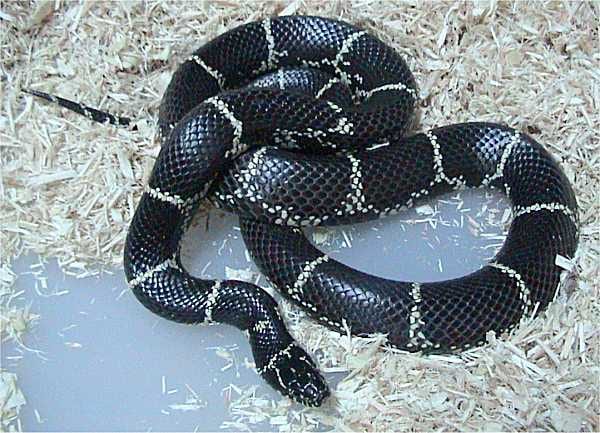
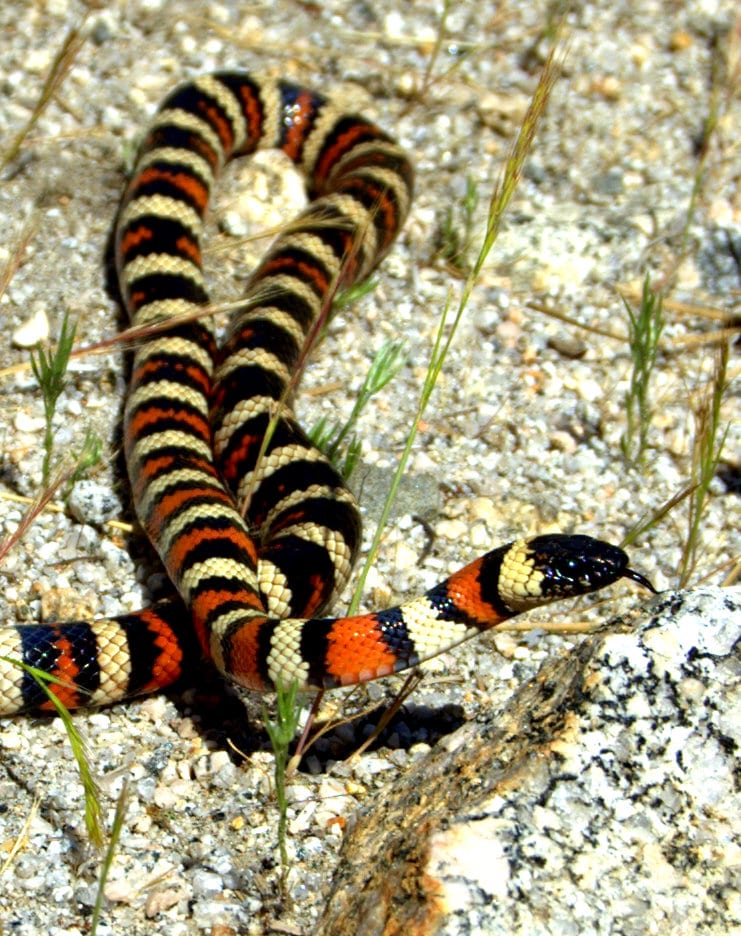
A non-venomous colubrid of the western United States and northern Mexico. Black and white banding is typical, though some populations are striped, and colour variation is exceptionally wide. Hardy and easy to keep, it is one of the most widely kept pet snakes.
Difficulty
Beginner
Lifespan
10-15 years; over 20 years in captivity
Size
76-107cm, exceptionally up to about 2m
Humidity
40〜60%
Diet
Frozen-thawed mice; in the wild rodents, lizards, nestling birds and other snakes
About
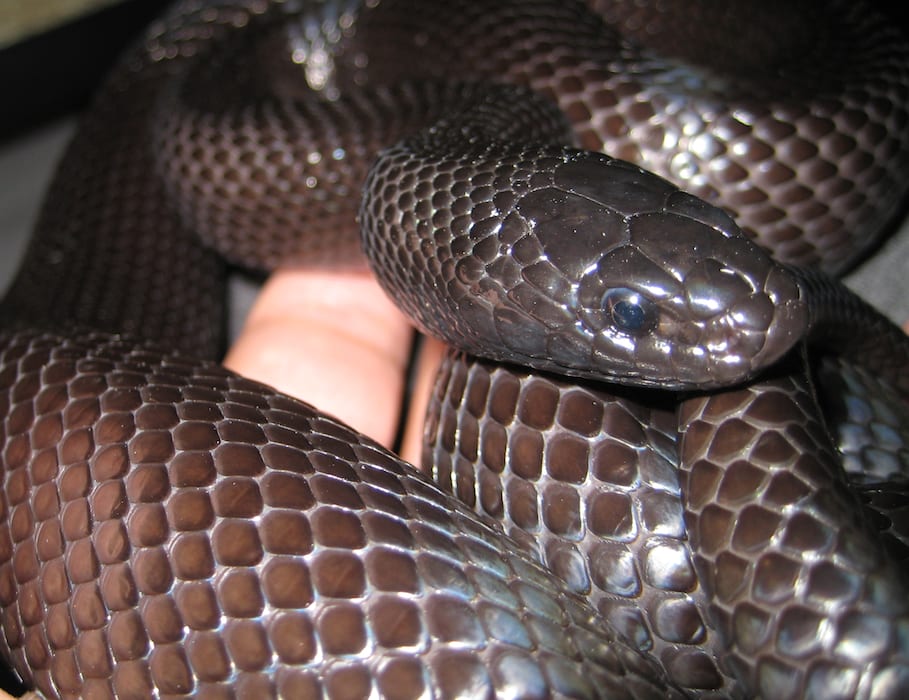
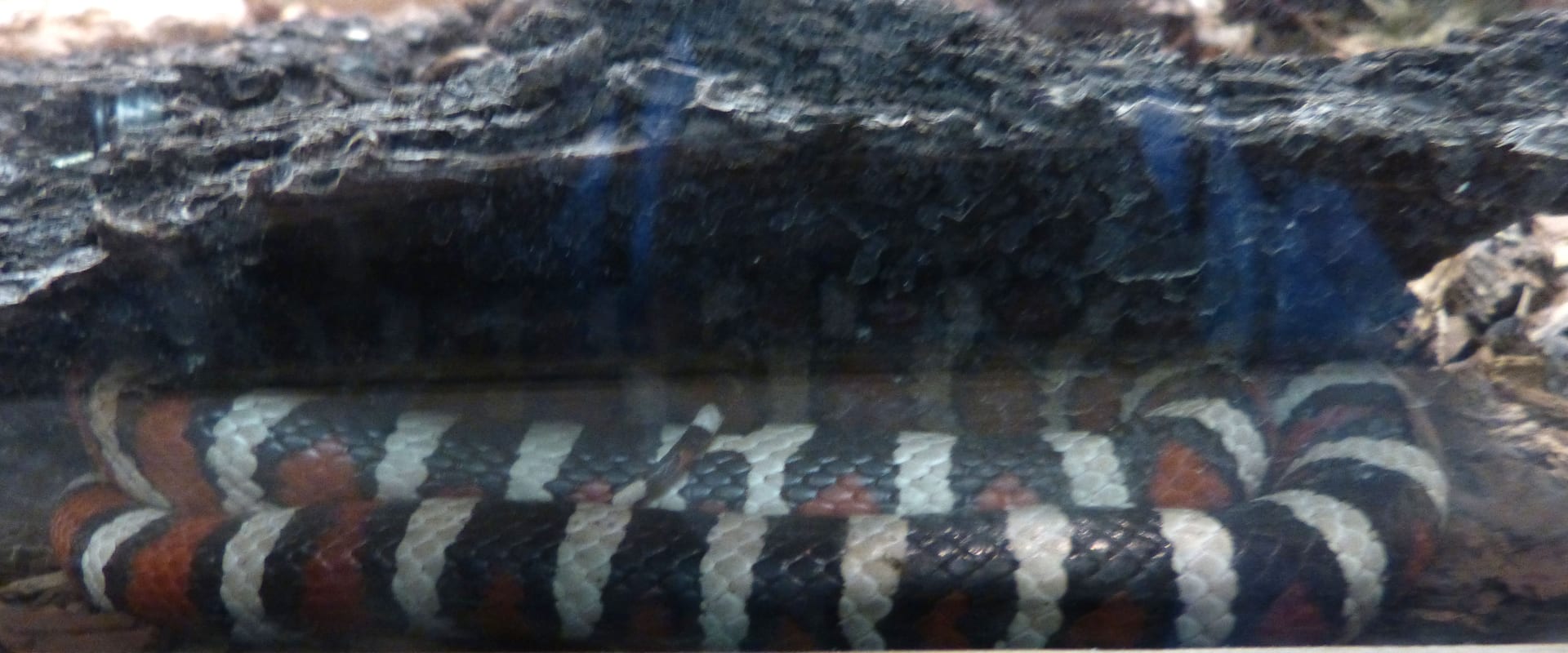
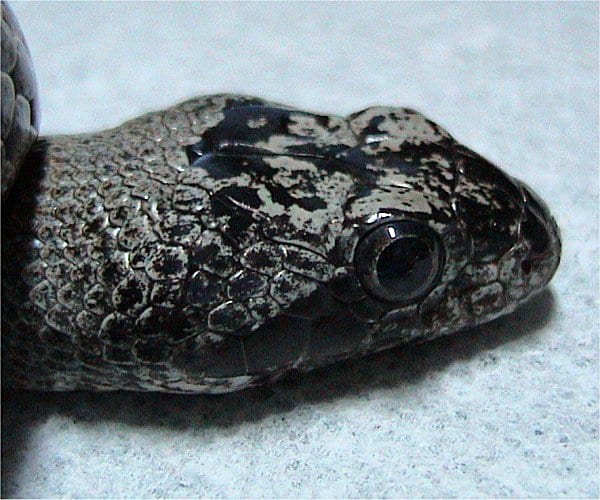
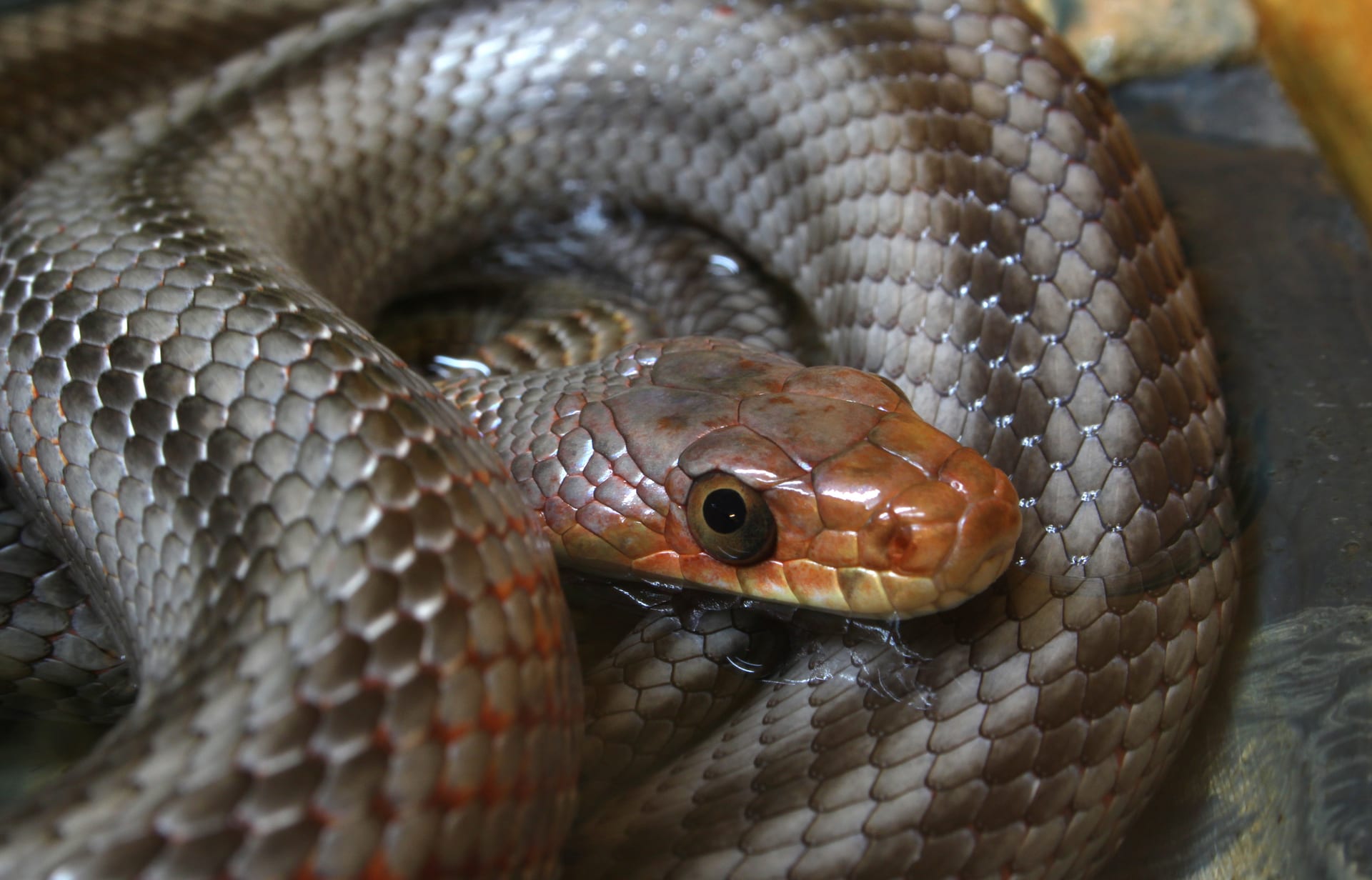
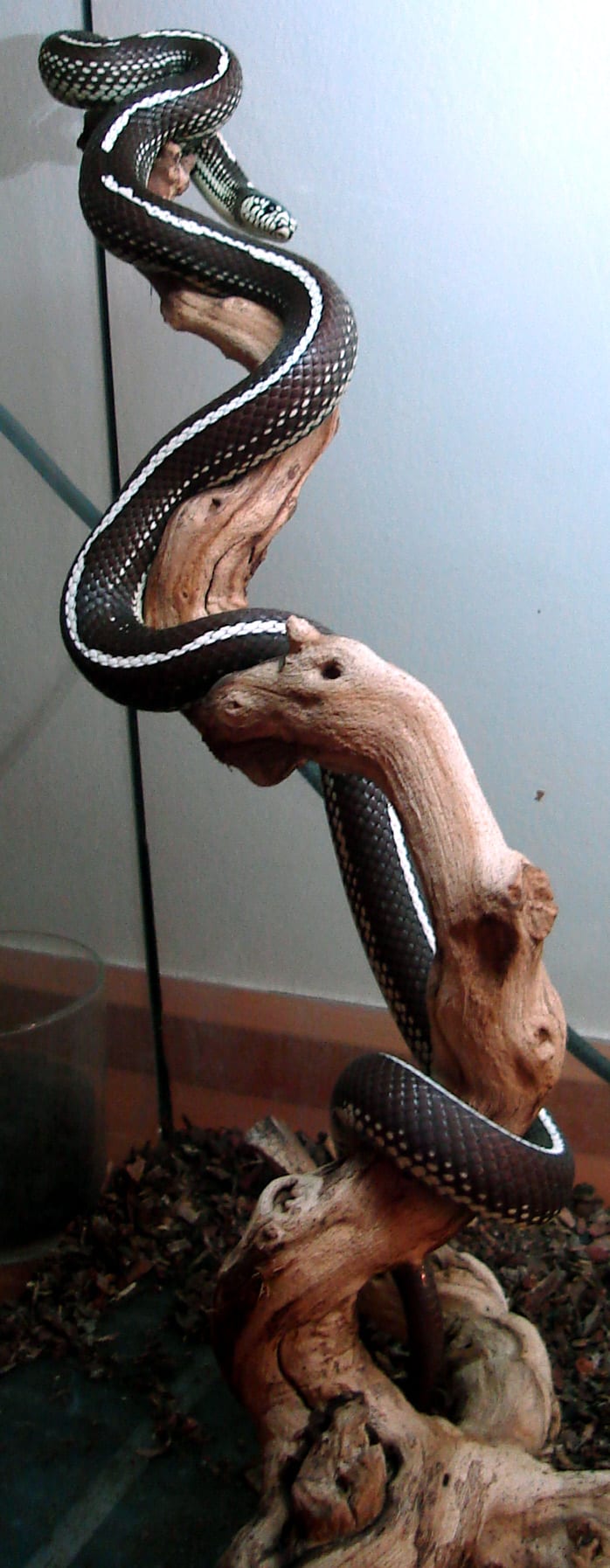
Lampropeltis californiae is a non-venomous colubrid snake of the western United States and northern Mexico. Wild animals are usually encountered at 76 to 107 cm, though individuals on Isla Angel de la Guarda in Mexico have been recorded at 2 m. The typical pattern is alternating dark and light bands, black and white or brown and cream, while some populations are longitudinally striped instead; the pattern camouflages the snake from predators, which include hawks, eagles, coyotes, skunks, foxes, bobcats and other kingsnakes. It occurs to about 1,900 m in the Tehachapi Mountains and over 2,100 m in the south-eastern Sierra Nevada, in habitats from woodland and chaparral to desert. Easy to care for and available in a wide range of colour variations, it is one of the most popular pet snakes, living over 20 years with good care. It has established an introduced population on Gran Canaria in the Canary Islands.
Source: Wikipedia (CC BY-SA 4.0)
Lifespan of the California Kingsnake
The California Kingsnake lives 10-15 years; over 20 years in captivity.
Size of the California Kingsnake
The California Kingsnake grows to 76-107cm, exceptionally up to about 2m.
Basic Info
Origin
The western United States, including California, southern Oregon, Nevada, southern Utah and Arizona, and Mexico in Baja California and Sonora
Lifespan
10-15 years; over 20 years in captivity
Size
76-107cm, exceptionally up to about 2m
Care Specifications
PeacefulSolitaryBreeding: Easy
Sources: ReptiFiles: Kingsnake Care Sheet / Reptiles Magazine: California Kingsnake Care, Breeding and Morphs / Wikipedia (English) / Reptile Database
References & Sources
Edited & verified by: BreederDirect editorial team
The taxonomic, regulatory, and husbandry data on this page are compiled and verified against the authoritative primary sources below.
Taxonomy & Authority
Accepted name: Lampropeltis californiae (Blainville, 1835)
Synonyms: Coluber californiae Blainville, 1835, Lampropeltis getula californiae (Blainville, 1835)
Authority databases: GBIF · Reptile Database
Nomenclature follows global taxonomic authority databases.
Regulations & Conservation Status
Not CITES-listedIUCN LC · Least Concern
Not listed in any appendix of the Convention on International Trade in Endangered Species (CITES) (not registered in Species+). Does not fall under either the specified animals listed in the appended table of the Ordinance for Enforcement of the Animal Welfare and Management Law, nor the specified invasive alien species under the Invasive Alien Species Act.
Sources: CITES Appendices (species not listed) / IUCN Red List
Regulations may change. Always verify the latest information with the relevant authorities.
California Kingsnake Listings
Loading latest listingsFind listings for this species