Californian Rabbit Complete Care Guide | Temperament, Diet, Health Management, and Breeder Selection
A comprehensive guide to Californian Rabbit characteristics, temperament, housing, diet, and health management. Learn key points for welcoming this distinctive white-bodied, dark-pointed breed from a breeder.
Key Takeaways
A comprehensive guide to Californian Rabbit characteristics, temperament, housing, diet, and health management. Learn key points for welcoming this distinctive white-bodied, dark-pointed breed from a breeder.
Related Species
What is a Californian Rabbit?
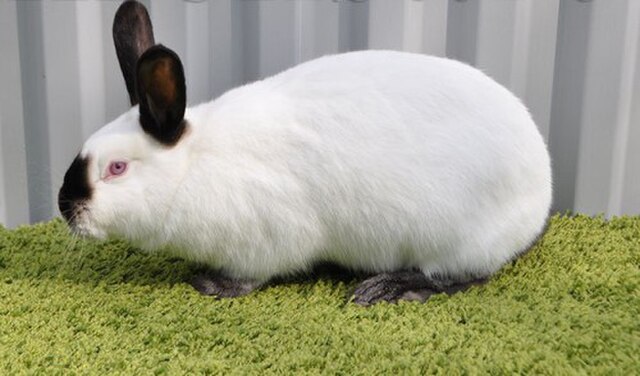
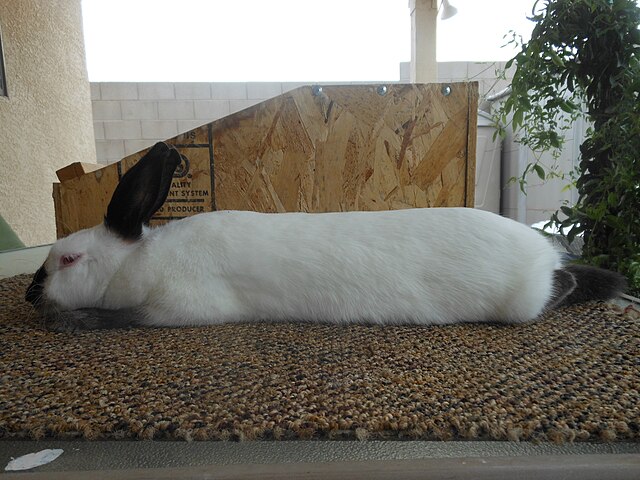
The Californian Rabbit is a breed developed in 1923 by breeder George West in California, USA. Created by crossing New Zealand White and Himalayan rabbits, this breed is distinguished by its white body with "color points"—the nose, ears, legs, and tail tip darkening to black or dark brown.
Originally developed for meat and fur production, it has become popular worldwide as a pet due to its warm appearance and gentle temperament. In Japan, it is a relatively rare breed available primarily from specialist breeders.
Basic Specifications
| Item | Details |
|---|---|
| Weight | 3.5–4.7 kg (medium to large) |
| Length | 40–50 cm |
| Lifespan | 5–10 years |
| Coat | Short-haired, dense, soft fur |
| Color | White with black points (standard); chocolate, blue, and lilac also exist |
Temperament and Behavioral Characteristics
Californian Rabbits are known for their calm and friendly nature. Due to their heritage as a breed developed for ease of handling in meat production, they adapt well to being held and handled, making them relatively easy to care for even for beginners.
Personality Traits
- Curious and energetic
- Enjoy human interaction and observe their owners closely
- Sensitive to sudden movements and loud noises; may thump their hind legs when startled
- Can bond well with children if properly socialized
However, like all rabbits, some individuals dislike being held. It is important to gradually acclimate young rabbits to handling from an early age.
Housing Setup
Cage Size and Placement
Since Californian Rabbits are medium to large-sized, their enclosure should be at least 120 cm wide × 60 cm deep. A height of 45–60 cm allows them to stand on their hind legs (a behavior called "binking"), reducing stress.
Indoor housing is essential. The location should meet these conditions:
- Away from direct sunlight
- Protected from direct air conditioning airflow
- Temperature maintained between 15–25°C (59–77°F)
- Minimal noise and vibration
Bedding and Cleaning
Metal mesh flooring can cause sore hocks (foot pad dermatitis), so it is ideal to place hay or fabric mats over a slatted floor. Placing a litter box in a consistent location helps establish litter training habits and keeps the enclosure clean.
Diet Management
Basic Diet Composition
| Food | Percentage | Notes |
|---|---|---|
| Timothy hay (1st cutting) | 70–75% | Available at all times; essential for tooth wear and digestion |
| Pellets | 10–15% | Approximately 25–30 g per kg of body weight (adult) |
| Fresh vegetables | 10–15% | Romaine lettuce, shiso leaves, bok choy, parsley, etc. |
| Treats | Minimal | Fruits are high in sugar; offer sparingly |
Because Californian Rabbits are large, be careful not to overfeed pellets, which can lead to obesity. Weigh your rabbit once monthly to ensure it maintains a healthy weight.
Foods to Avoid
- Onions, garlic, and leeks (toxic)
- Avocado (toxic)
- Chocolate and sweets
- Legumes (risk of bloat)
- Wild mushrooms
Health Management and Common Health Issues
GI Stasis (Gastrointestinal Ileus)
This is the most life-threatening disease in rabbits. It occurs when intestinal movement slows, causing gas to accumulate and severe abdominal pain. Signs include loss of appetite, minimal fecal output, and abdominal distension. Seek veterinary care immediately if these appear.
Prevention: Provide abundant hay to maintain active intestinal movement. Regular exercise (1–2 hours of free-roaming daily) is also effective.
Sore Hocks (Foot Pad Dermatitis)
This condition affects the heels of the hind feet, causing skin abrasion and ulcers. It is more common in heavy breeds; large Californian Rabbits are at higher risk.
Prevention: Avoid mesh flooring and use cushioned bedding materials. Check the foot pads regularly.
Malocclusion
This refers to misalignment of the front teeth (incisors) or back teeth (molars). Insufficient hay intake prevents normal molar wear, causing them to overgrow and become misaligned. Signs include reduced appetite, drooling, and weight loss.
Prevention: Provide timothy hay constantly. Hard vegetables like carrots can help supplement chewing needs.
Uterine Cancer (Unspayed Females)
Unspayed female rabbits face dramatically increasing risk of uterine cancer with age (estimated 60–80% in rabbits over 4 years old). Consider spaying females not intended for breeding.
Acquiring a Californian Rabbit from a Breeder
Identifying a Reputable Breeder
- Allows facility tours
- Can provide health records and pedigree documentation for parent rabbits
- Has vaccination and veterinary examination records
- Offers post-purchase support and advice
Checklist When Bringing Home Your Rabbit
| Item to Check | Healthy Appearance |
|---|---|
| Eyes | Clear and bright; no discharge |
| Nose | No discharge; no repeated sneezing |
| Ears | No odor or dark waxy buildup |
| Teeth | Upper and lower front teeth aligned correctly |
| Coat | Shiny; no thin patches or hair loss |
| Weight | Appropriate for age |
| Behavior | Active and curious |
Appropriate Age for Adoption
Rabbits should be adopted at 8 weeks of age or older. Earlier weaning increases the risk of compromised immunity and digestive issues.
Summary
The Californian Rabbit is a medium to large-sized rabbit prized for its gentle temperament and striking color points. While their size requires ample space and careful dietary management, proper care can support a full lifespan of 5–10 years.
The foundation of a healthy and happy life with a Californian Rabbit is maintaining three essentials: a hay-based diet, a clean environment, and regular veterinary checkups. Source your rabbit from a trusted breeder and build a lasting relationship with your new companion.