Dutch Rabbit Care Complete Guide | Character, Diet, and Health Management of the Popular Black-and-White Two-Tone Breed
Complete explanation of Dutch rabbit characteristics, personality, cage setup, diet management, and common diseases. We also introduce key points when welcoming this breed with its distinctive black-and-white two-tone coloring from a breeder.
Key Takeaways
Complete explanation of Dutch rabbit characteristics, personality, cage setup, diet management, and common diseases. We also introduce key points when welcoming this breed with its distinctive black-and-white two-tone coloring from a breeder.
Related Species
What is a Dutch Rabbit?
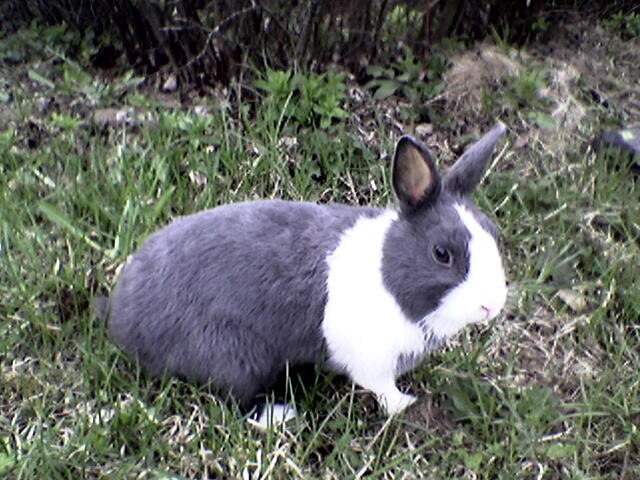
Dutch Rabbits (Dutch Rabbit) are one of the world's oldest pet rabbit breeds, believed to have originated in the Netherlands in the 19th century. The most distinctive feature is the two-tone color where the front half of the body (head, neck, and front legs) is white and the rear half (body and back legs) is colored, with an appearance like a "white belt pattern" being the breed standard.
Today, they are one of the most well-known rabbit breeds worldwide, with many specialist breeders in Japan as well.
Basic Specifications
| Item | Details |
|---|---|
| Weight | 1.6–2.5 kg (Small) |
| Lifespan | 5–10 years |
| Coat | Short hair with density and sheen |
| Color | Black, Blue, Chocolate, Gray, Tortoiseshell, Steel (combinations with white) |
| Temperament | Calm, social, easy to handle |
Personality and Behavioral Traits
Dutch Rabbits are characterized by a gentle and social temperament and are considered especially easy to handle among rabbit breeds. They are intelligent and highly curious, with many individuals enjoying playtime.
Personality Traits
- Low wariness toward people and easily become tame
- Energetic and enjoy play
- Good compatibility with other rabbits and small animals
- High stress tolerance (easily become accustomed to handling)
However, there are individual differences, and not all individuals are social. Especially when adopting an adult, previous living environment and socialization experience will influence personality.
Setting Up the Living Environment
Cage Size
Dutch Rabbits are a small to medium-sized breed, but require sufficient space due to their active nature. The recommended cage size is at least 90 cm wide × 60 cm deep.
Cage placement conditions:
- Avoid direct sunlight and direct air conditioning
- Maintain temperature of 15–25°C and humidity of 40–60%
- A place where predators like dogs and cats cannot approach
- A quiet environment with minimal noise and vibration
Bedding and Cleanliness Management
Metal mesh flooring can cause sore hock. Place a hay mat or fleece mat on top of wooden slat flooring to cushion the impact on the feet. Fixed toilet placement makes hygiene management easier.
Exercise Time (Free Roaming)
Ideally, 1–2 hours of free roaming in a room per day. Clear away cords, houseplants (especially toxic ones), and medications in advance to ensure a safe space.
Diet Management
Basic Diet Balance
| Food | Proportion | Notes |
|---|---|---|
| Timothy hay (1st cutting) | 70–75% | Always available ad libitum. Foundation for tooth wear and intestinal health |
| Pellets | 10–15% | 20–30 g per 1 kg of body weight (less for adults) |
| Fresh leafy vegetables | 10–15% | Bok choy, shiso leaves, romaine lettuce, etc. |
Foods to Avoid or Limit
Do not give: Onions and related vegetables, avocado, chocolate, legumes (bloating risk), wild mushrooms, potatoes
Limit intake of: Fruits (sugar), grains (starch), cabbage (gas production)
Hydration
Always provide fresh water. Both bottle-type and ceramic bowl-type waterers can be used, but bowl types get dirty easily and require daily replacement.
Health Management and Conditions to Watch
GI Stasis (Gastrointestinal Stasis)
A representative emergency condition in rabbits. The intestines stop moving, gas accumulates, and causes severe abdominal pain. Loss of appetite, reduced fecal output, and abdominal distention are signs. Seek veterinary care immediately if there is no appetite for 6–12 hours or more.
Prevention: Hay-centered diet, daily exercise (promotes intestinal motility), stress management
Malocclusion
A condition where overgrown molars lead to improper bite. Dutch rabbits have smaller jaw size compared to other breeds, so they have a slightly higher risk of developing this condition.
Symptoms: Reduced appetite, wet mouth area, weight loss, reluctance to eat certain foods
Prevention: Always provide Timothy hay. Annual or more frequent dental check-ups are recommended.
Encephalitozoonosis (EC)
An infection caused by the protozoan Encephalitozoon cuniculi. Causes neurological symptoms (head tilt, nystagmus, ataxia) and kidney disease. Many infected individuals don't develop symptoms, but stress or immunosuppression can trigger disease.
Prevention: Purchase from breeders with no infection history, reduce stress, regular blood tests
Uterine Cancer (Unspayed Females)
Risk of uterine cancer significantly increases in unspayed female rabbits after 4 years of age (up to 60–80% depending on breed). For females not used for breeding, spaying at 1–2 years of age is strongly recommended.
Bringing a Dutch Rabbit Home from a Breeder
How to Identify a Trustworthy Breeder
- Discloses parent rabbit color pattern, build, and health status
- Allows facility visits and meeting the parent rabbits
- Can provide vaccination history and health examination records
- Principle of adoption at 8 weeks of age or older
- Responds to post-purchase questions and consultations
Pre-Adoption Checklist
| Checklist Item | What to Check |
|---|---|
| Eyes | Clear and free of discharge |
| Nose | No discharge or sneezing |
| Teeth | Upper and lower incisors properly aligned |
| Ears | No odor or dark ear wax |
| Coat | Clear two-tone pattern with no thin fur |
| Behavior | Active and curious |
Summary
Dutch Rabbits are a rabbit breed suitable for beginners, with an appealing gentle personality and beautiful two-tone coloring. However, "easy to handle" does not mean "low maintenance"—a hay-centered diet, daily exercise, and regular health check-ups are key to a long life.
Bring home a healthy individual from a trustworthy breeder and share a life together for nearly a decade with proper care.