A Complete Q&A Guide to Raising Mame Shiba | Answering Common Questions About Weight, Training, and Health Management
Thoroughly answer common questions about Mame Shiba weight standards, temperament, training methods, and health management in Q&A format. This guide also explains how to adopt from legitimate breeders and how to distinguish genuine Mame Shiba from fakes.
Key Takeaways
Thoroughly answer common questions about Mame Shiba weight standards, temperament, training methods, and health management in Q&A format. This guide also explains how to adopt from legitimate breeders and how to distinguish genuine Mame Shiba from fakes.
What is Mame Shiba? How Does It Differ From a Regular Shiba Inu?
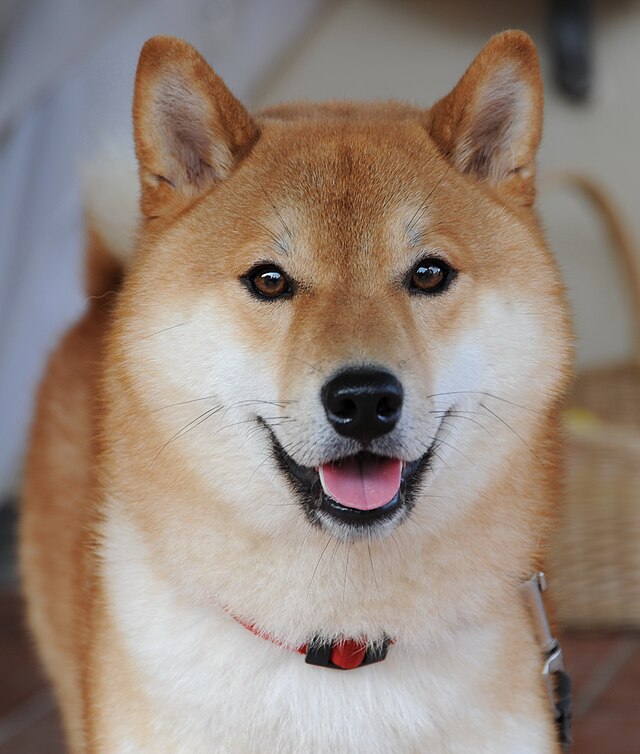
Mame Shiba is a dog with a smaller body structure than regular Shiba Inu. Generally, it refers to individuals weighing approximately 4–6 kg with a height of approximately 30–34 cm. However, "Mame Shiba" is not an officially recognized independent breed by the JKC (Japan Kennel Club), but is treated as a "small-sized Shiba Inu."
Q: Are Mame Shiba and regular Shiba Inu different breeds?
A: No, they are genetically the same Shiba Inu. Mame Shiba are dogs that have been selectively bred to be "small Shiba Inu," and they do not have a definition as an officially recognized breed. When purchasing from a "Mame Shiba specialist breeder," it's important to verify the bloodline to confirm whether the dog will remain small when fully grown.
Q: What are the correct weight and height measurements for Mame Shiba?
A: There is no clear unified standard, but many breeders use the following as guidelines.
| Item | Guideline |
|---|---|
| Weight (Adult) | 4–6 kg (Male 4–6 kg, Female 3–5 kg) |
| Height (Adult) | Approximately 30–34 cm |
| Regular Shiba Inu Weight | Male 8–11 kg, Female 6–9 kg |
Growth predictions are sometimes estimated at two times the weight at 3–4 months of age to approximate adult weight, but there is individual variation.
Training-Related Q&A
Q: Are Mame Shiba easy to train?
A: Shiba Inu are generally independent-minded and stubborn. Mame Shiba possess similar temperaments, so consistent early training is essential.
Basic training points:
- The period from 3 to 12 weeks of age (socialization period) has the highest learning capacity. Expose the puppy to people, other dogs, and various sounds.
- Positive reinforcement (praise and reward for good behavior) is effective.
- If scolding is too harsh, the dog may become timid and resistant.
Q: My Mame Shiba barks excessively. What should I do?
A: Mame Shiba (Shiba Inu) have watchdog instincts and tend to bark at strangers and doorbells. Here are some strategies to address this:
- Ignore barking (reacting teaches the dog that barking gets attention)
- Remove the cause of barking (block views of the outside from windows, provide hiding spots)
- Practice "bark→quiet" commands: Stop the barking and reward when the dog becomes quiet.
- Adequate exercise: Ensure proper energy expenditure.
Q: How should I housetrain my Mame Shiba?
A: It's important to build successful experiences while the puppy is young.
- Place a potty area in a pen and guide the puppy to it after eating, waking up, and playing.
- Praise immediately when the puppy uses the toilet successfully (rewards are also effective).
- If there are accidents, don't scold; quietly clean up (scolding can create fear of toileting itself).
- As success rates improve, gradually expand the free space.
Health Management Q&A
Q: What diseases is Mame Shiba prone to?
A: There are no diseases specific to Mame Shiba, but attention should be paid to conditions common in small breeds and Shiba Inu.
| Condition | Characteristics | Management |
|---|---|---|
| Allergic Dermatitis | Itching from food and environmental allergens | Identify allergens and use low-allergen diet |
| Patellar Luxation (Patella) | Joint condition common in small breeds | Prevent obesity and use non-slip flooring |
| Cataracts | Increase with age | Regular eye exams |
| Hypothyroidism | Thin coat and obesity tendency | Early detection through blood tests |
Q: How much exercise does Mame Shiba need?
A: Due to their Shiba Inu heritage, they have high exercise needs. The guideline is twice daily walks totaling 40–60 minutes per day. Many individuals are not satisfied with indoor play alone, so maintaining daily walks is directly connected to their mental health.
Q: When is Mame Shiba's shedding season? How do I manage shedding?
A: They shed heavily twice a year (spring March–May, fall September–November).
Shedding management:
- Daily brushing is essential during shedding season (slicker brush + comb).
- Regular bathing (approximately once a month) prevents clogged pores.
- Use vacuum-type grooming tools.
Breeder and Price-Related Q&A
Q: What is the price range for Mame Shiba?
A: From reputable breeders, the price range is typically ¥200,000–500,000. Prices vary depending on pedigree, coat color, and sex. If the price is extremely low (¥50,000 or less), the dog may grow to regular Shiba Inu size as it matures.
Q: How can I identify a trustworthy Mame Shiba breeder?
A: Check the following points:
- Disclose parent dog weight and height data
- Allow facility tours and meetings with parent dogs
- Have a JKC registration number (breeder license)
- Provide follow-up information about grown alumni dogs
- Have contracts and health guarantees in place
Breeders with contracts that clearly specify maximum weight limits at maturity as a "Mame Shiba guarantee" are especially trustworthy.
Summary
Mame Shiba are dogs that capture the charm of Shiba Inu in a compact form, but they fully possess the Shiba Inu's independent nature and high exercise needs. Avoid the assumption that they are easier to handle simply because they are small.
Daily walks, consistent training, and regular health check-ups are the foundation for living a long and fulfilling life with your Mame Shiba. Conduct thorough research before bringing one home and select a healthy puppy from a reputable breeder.