Source: Wikimedia Commons
Black Spiny-Tailed Iguana
AdvancedCtenosaura similis
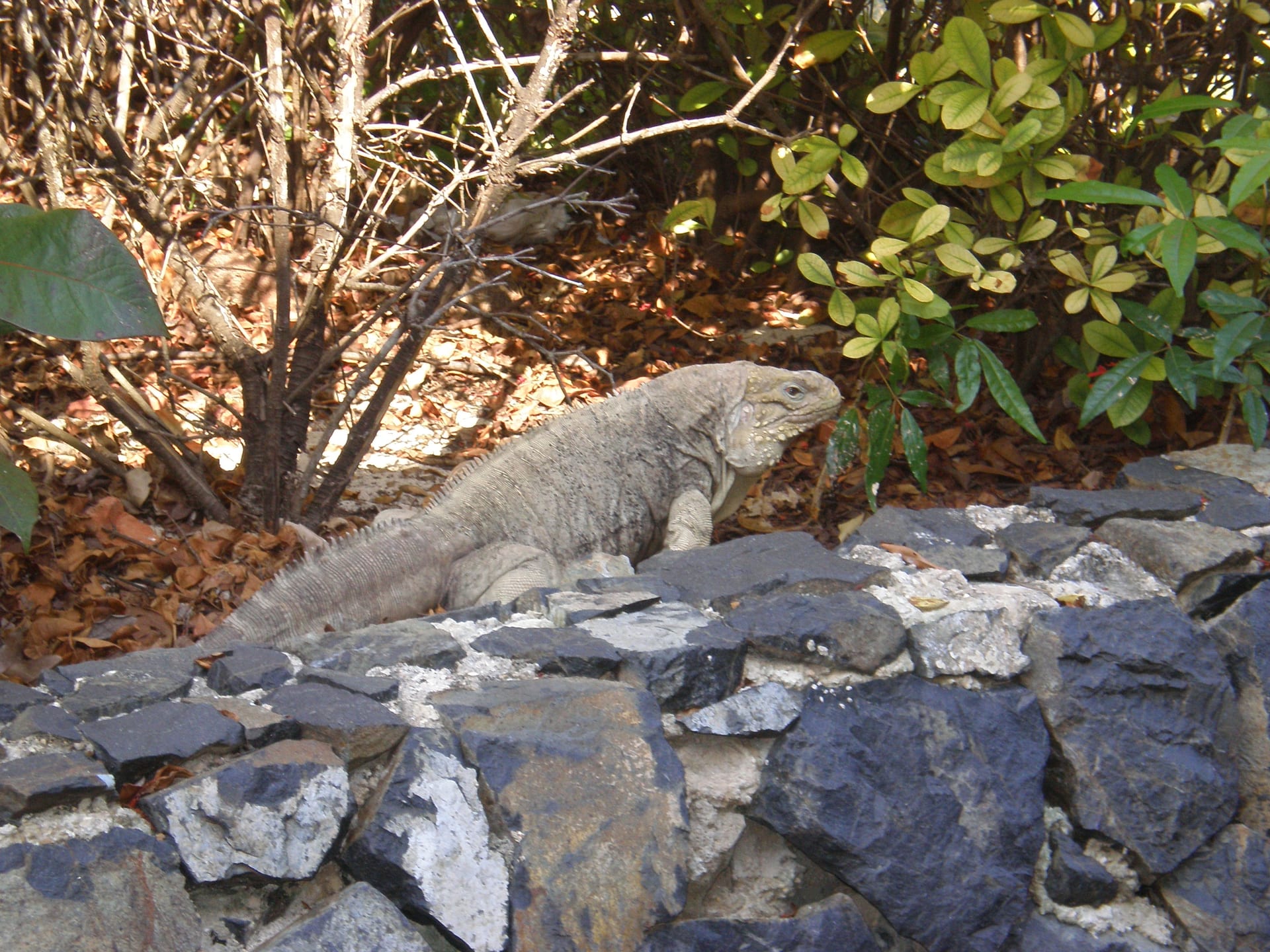
The largest species of Ctenosaura, with males reaching 1.3 m. Keeled black spiny scales ring the tail. It holds the record as the fastest lizard, favours rocky habitat and is a diurnal, largely herbivorous omnivore.
Difficulty
Advanced
Lifespan
15-25 years
Size
Males up to 1.3m, females 0.8-1m in total length
Humidity
40〜70%
Diet
Mainly plant matter such as leaves, flowers, stems and fruit, with insects and small animals taken opportunistically
About
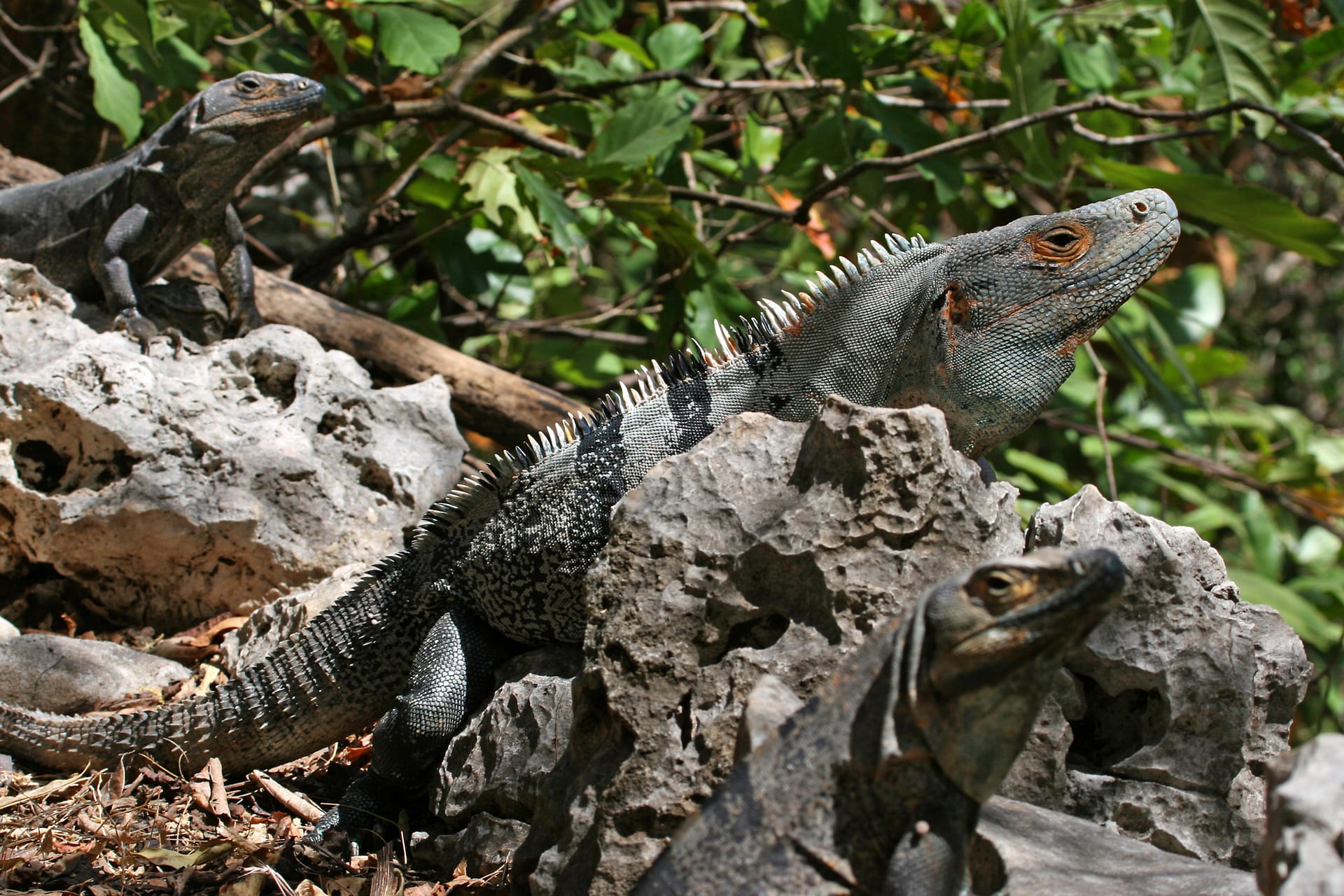
Ctenosaura similis is an iguanid lizard ranging from southern Mexico through Central America and the largest species in its genus. Males reach 1.3 m in total length, females a slightly smaller 0.8 to 1 m. Keeled black spiny scales ring the tail, giving the species its common name, and a crest of long spines runs down the middle of the back. Colour varies greatly even within one population, but adults usually have a whitish grey or tan ground colour with four to twelve well-defined dark dorsal bands. Breeding males develop orange around the head and throat with blue and peach highlights on the jowls. It lives in grassland and forest from sea level to about 1,320 m, prefers rocky habitat with crevices to hide in, and readily climbs nearby trees. It is diurnal and fast, its maximum sprint of 34.6 km per hour standing as the record for the fastest lizard; cornered animals lash with the tail and bite. Adults are largely herbivorous, eating flowers, leaves, stems and fruit. It has established an introduced population in Florida.
Source: Wikipedia (CC BY-SA 4.0)
Lifespan of the Black Spiny-Tailed Iguana
The Black Spiny-Tailed Iguana lives 15-25 years.
Size of the Black Spiny-Tailed Iguana
The Black Spiny-Tailed Iguana grows to Males up to 1.3m, females 0.8-1m in total length.
Basic Info
Origin
Southern Mexico through Central America to Panama, plus Colombian islands; introduced to Florida and Venezuela
Lifespan
15-25 years
Size
Care Specifications
Semi-aggressiveSolitaryBreeding: Hard
Sources: Reptiles Magazine: Spiny-Tailed Iguana Care Sheet / Reptiles Magazine: Breeding Spiny-Tailed Iguanas of the Genus Ctenosaura / Wikipedia (English) / Reptile Database
References & Sources
Edited & verified by: BreederDirect editorial team
The taxonomic, regulatory, and husbandry data on this page are compiled and verified against the authoritative primary sources below.
Taxonomy & Authority
Accepted name: Ctenosaura similis (Gray, 1831)
Synonyms: Iguana similis Gray, 1830, Ctenosaura completa Bocourt, 1874
Authority databases: GBIF · Reptile Database
Nomenclature follows global taxonomic authority databases.
Regulations & Conservation Status
CITES Appendix IIIUCN LC · Least Concern
The genus Ctenosaura spp. has been listed in CITES Appendix II since February 12, 2020. As an Appendix II species, registration certificates for species designated as international rare wild animals and plants are not required; however, import requires an export permit issued by the exporting country. It is not included in the special animals listed in the table of the Ordinance for the Enforcement of the Act on Welfare and Management of Animals, nor in the designated invasive alien species under the Invasive Alien Species Act.
Sources: CITES Appendices (Ctenosaura spp., Appendix II, effective 12 February 2020) / IUCN Red List
Regulations may change. Always verify the latest information with the relevant authorities.
Black Spiny-Tailed Iguana Listings
Loading latest listingsFind listings for this species