Source: Wikimedia Commons
Parson's Chameleon
AdvancedCalumma parsonii
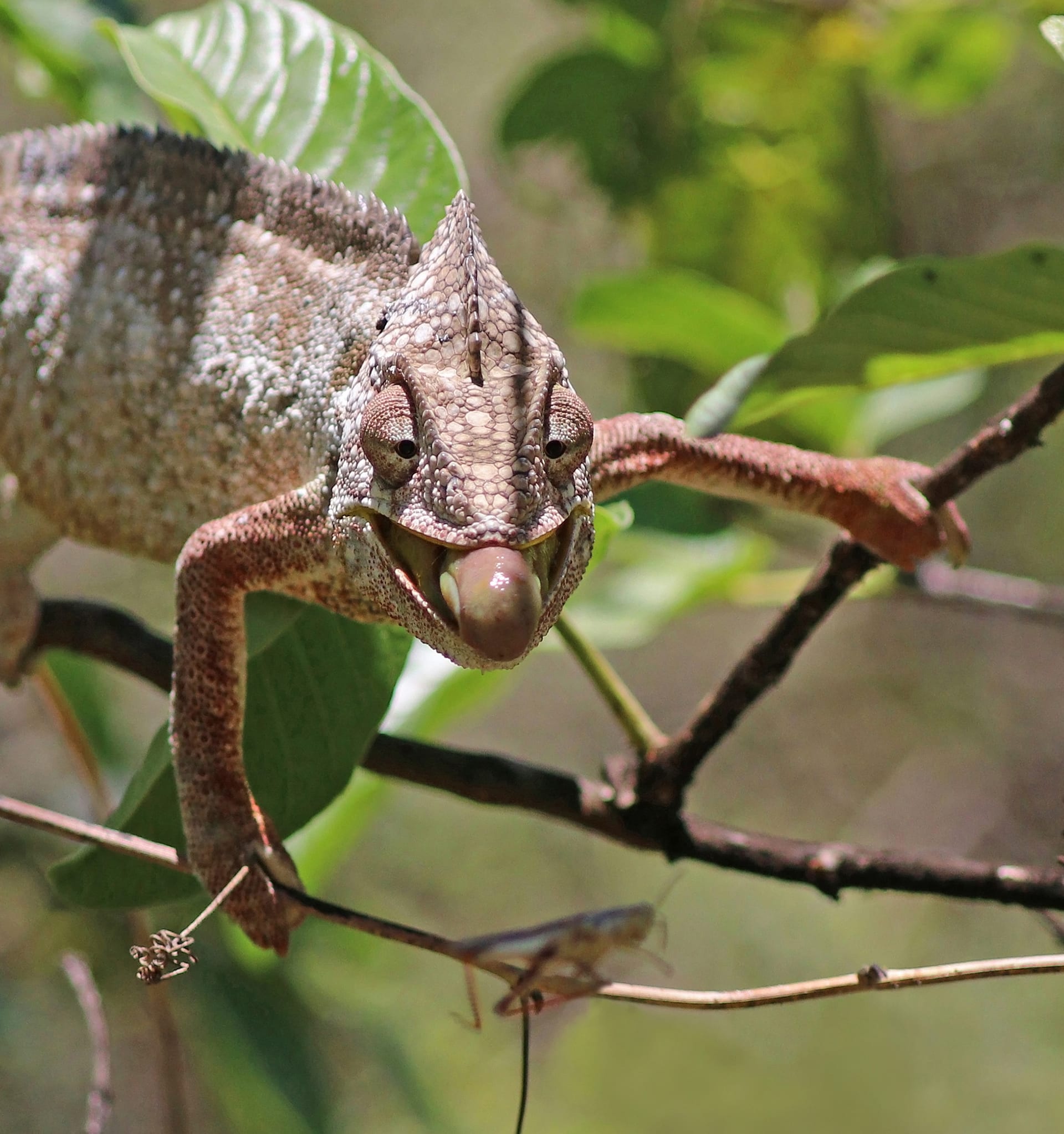
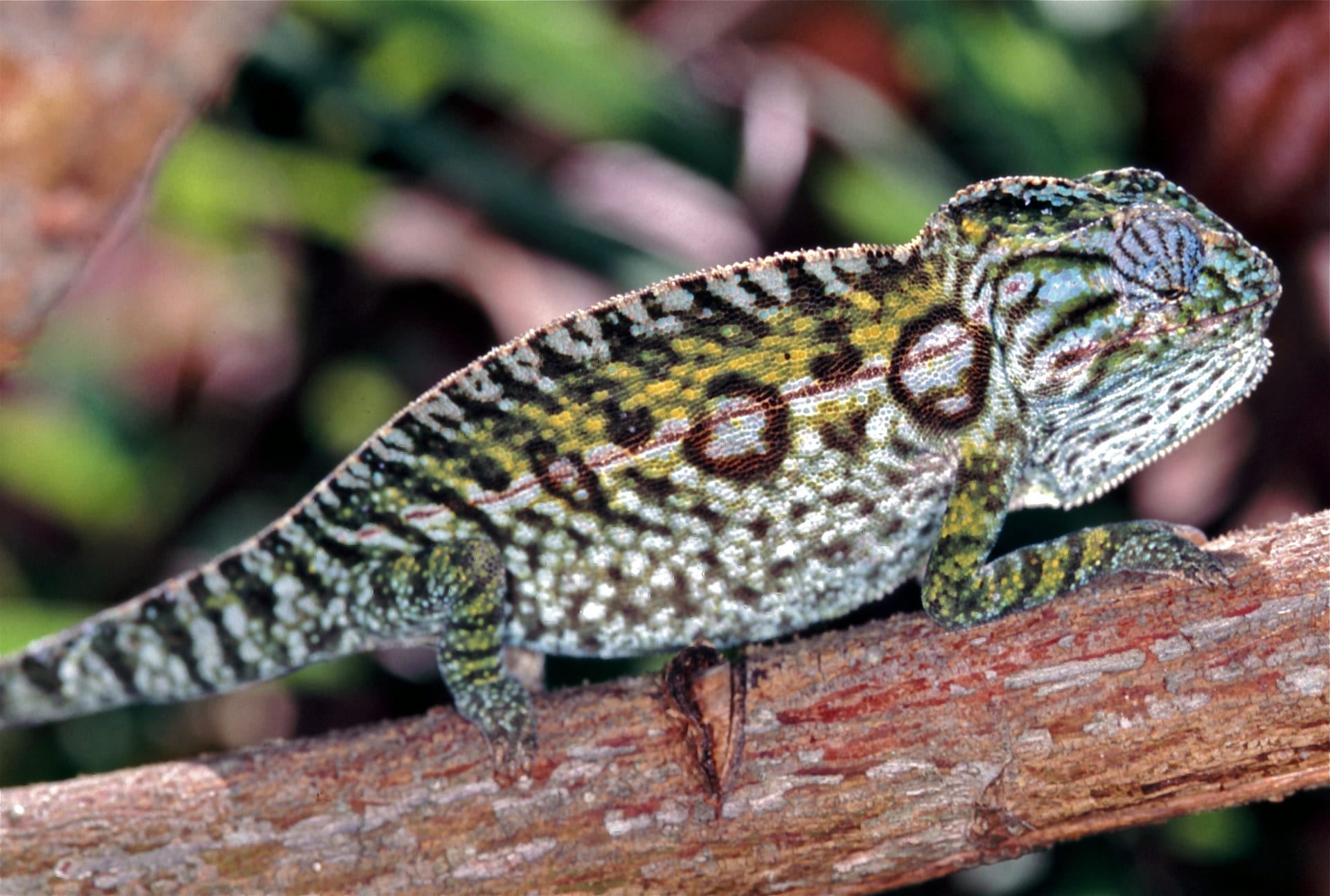
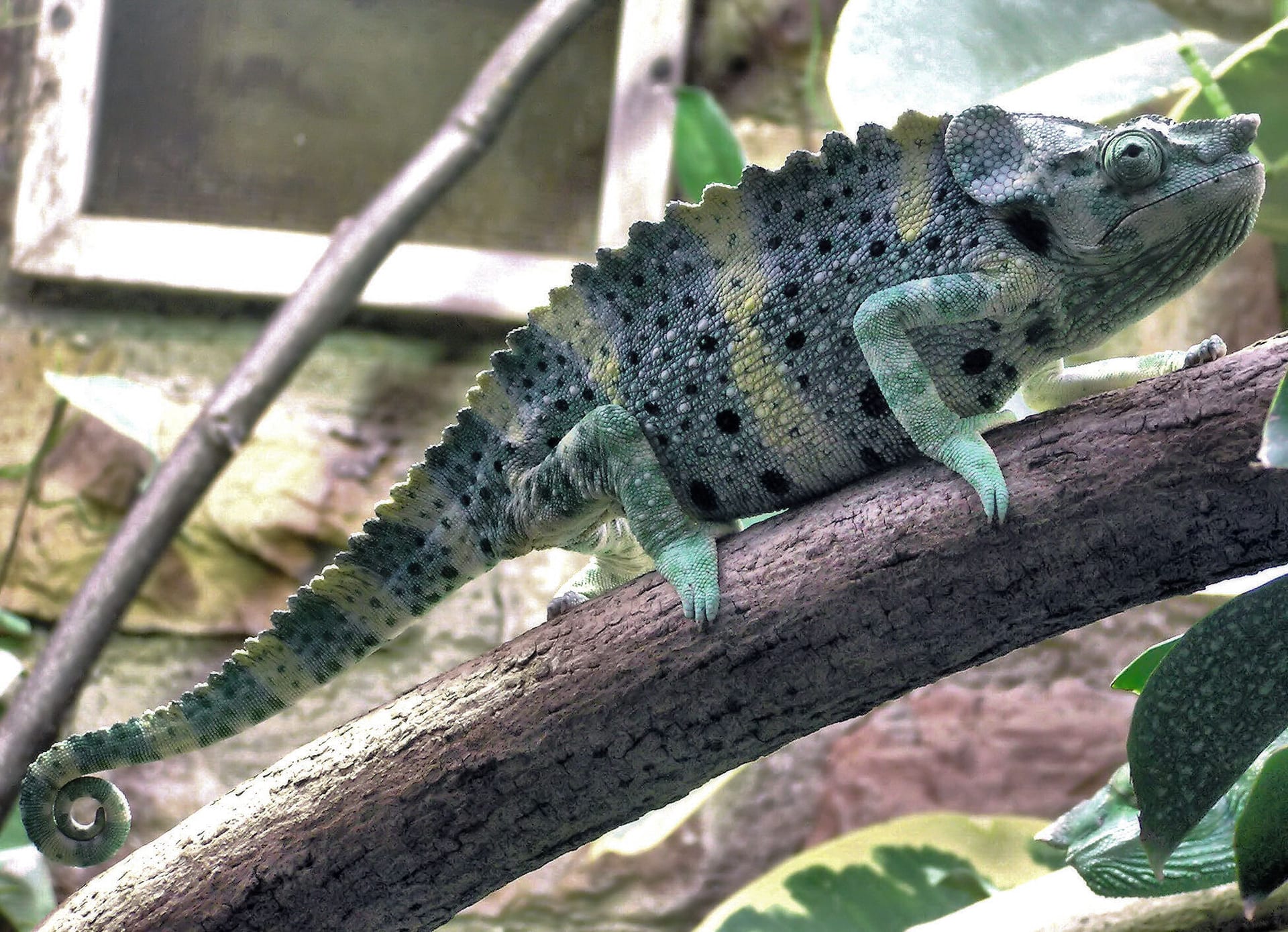
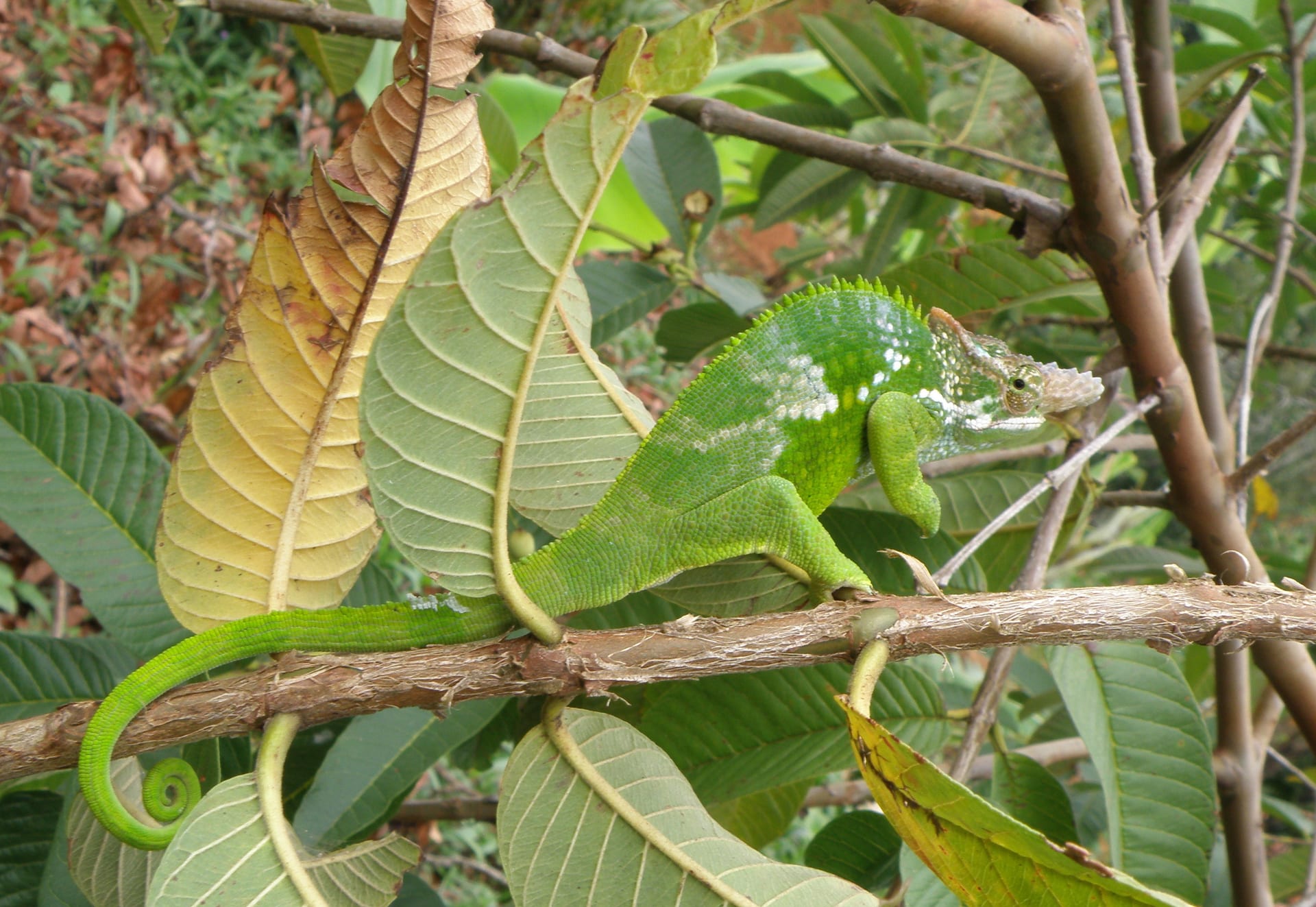
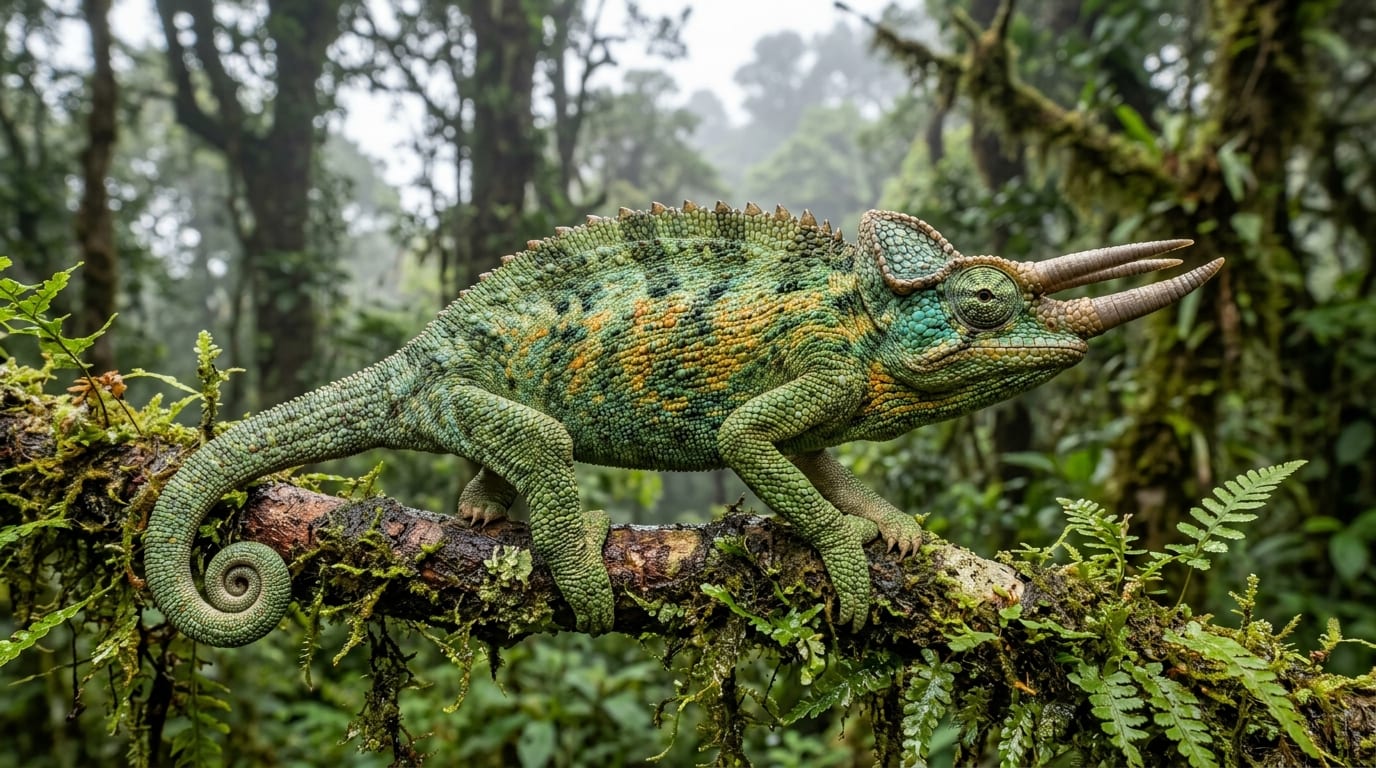
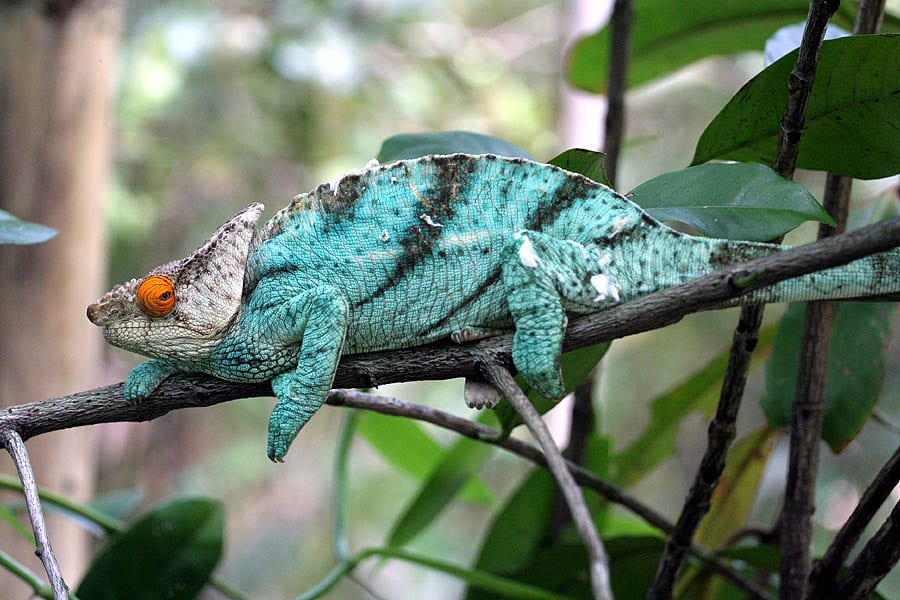
A giant chameleon endemic to the humid primary forests of northern and eastern Madagascar, generally considered the world's largest by weight. Males have a casque and two warty horns running from above the eyes to the nose.
Difficulty
Advanced
Temperature
20〜24℃
Lifespan
About 20 years
Size
Up to 65cm in the nominate subspecies; usually to 50cm in cristifer
Humidity
50〜100%
Diet
Crickets, dubia roaches and other insects, plus small vertebrates
About
Calumma parsonii is a giant chameleon endemic to northern and eastern Madagascar, living mainly in humid primary forest from the lowlands up to 1,195 m and also appearing in disturbed habitats that retain trees. Males carry a casque on the crown and two warty horns running from above the eyes to the nose. The nominate subspecies, which has no dorsal crest, reaches 65 cm, while cristifer from the Andasibe area has a small dorsal crest and usually stays under 50 cm. For a chameleon it is exceptionally long-lived and slow to reproduce, living about 20 years. Females bury 20 to 38 eggs some 30 cm deep, and these take 400 to 520 days to hatch. It needs cool, humid conditions and a very large enclosure, making it a species for experienced keepers.
Source: Wikipedia (CC BY-SA 4.0)
Lifespan of the Parson's Chameleon
The Parson's Chameleon lives About 20 years.
Size of the Parson's Chameleon
The Parson's Chameleon grows to Up to 65cm in the nominate subspecies; usually to 50cm in cristifer.
It is generally considered the world's largest chameleon by weight, adult males reaching 500-700 g.
Temperature & humidity for the Parson's Chameleon
The ideal temperature for the Parson's Chameleon is 20〜24℃. Ideal humidity is 50〜100%.
Basic Info
Origin
Northern and eastern Madagascar, from the lowlands to 1,195 m, mainly in humid primary forest but also in disturbed habitats with trees
Care Specifications
PeacefulSolitaryBreeding: Very hard
Sources: Chameleon Academy: Should You Get A Parson's Chameleon? / Wikipedia (English) / Wikipedia (German): Parsons Chamäleon
References & Sources
Edited & verified by: BreederDirect editorial team
The taxonomic, regulatory, and husbandry data on this page are compiled and verified against the authoritative primary sources below.
Taxonomy & Authority
Accepted name: Calumma parsonii (Cuvier, 1825)
Synonyms: Chamaeleo parsonii Cuvier, 1825, Chamaeleon parsonsi var. cristifer Methuen & Hewitt, 1913, Chamaeleo madecassus Lesson, 1832
Authority databases: GBIF · Reptile Database
Nomenclature follows global taxonomic authority databases.
Regulations & Conservation Status
CITES Appendix IIIUCN NT · Near Threatened
Family Chamaeleonidae spp. has been listed on CITES Appendix II since February 4, 1977 (Species+). Because it is on Appendix II, registration as an international rare species is not required. This species is not included in the specific animals listed in the Schedule of the Enforcement Ordinance of the Animal Protection and Management Law.
Sources: CITES Appendices (Chamaeleonidae spp., Appendix II, effective 4 February 1977) / IUCN Red List
Regulations may change. Always verify the latest information with the relevant authorities.
Parson's Chameleon Listings
Loading latest listingsFind listings for this species