Chameleon Misting and Humidity Management Complete Guide
Comprehensive explanation of humidity management and misting methods, the most important aspects of chameleon care. Introduces automatic misting system setup, species-specific optimal humidity levels, signs of dehydration, and dripper installation methods.
Key Takeaways
Comprehensive explanation of humidity management and misting methods, the most important aspects of chameleon care. Introduces automatic misting system setup, species-specific optimal humidity levels, signs of dehydration, and dripper installation methods.
Related Species
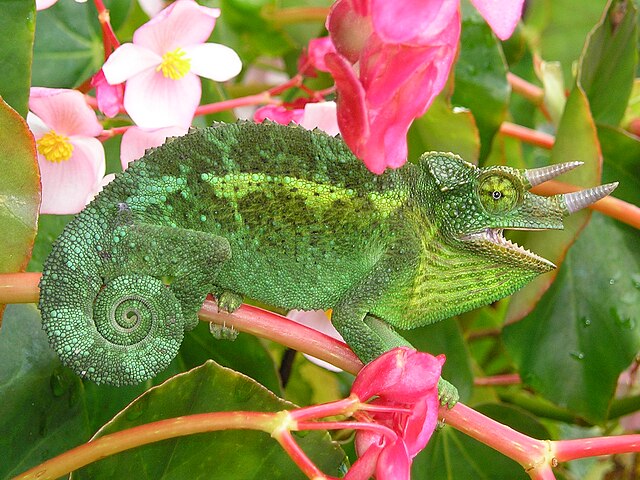
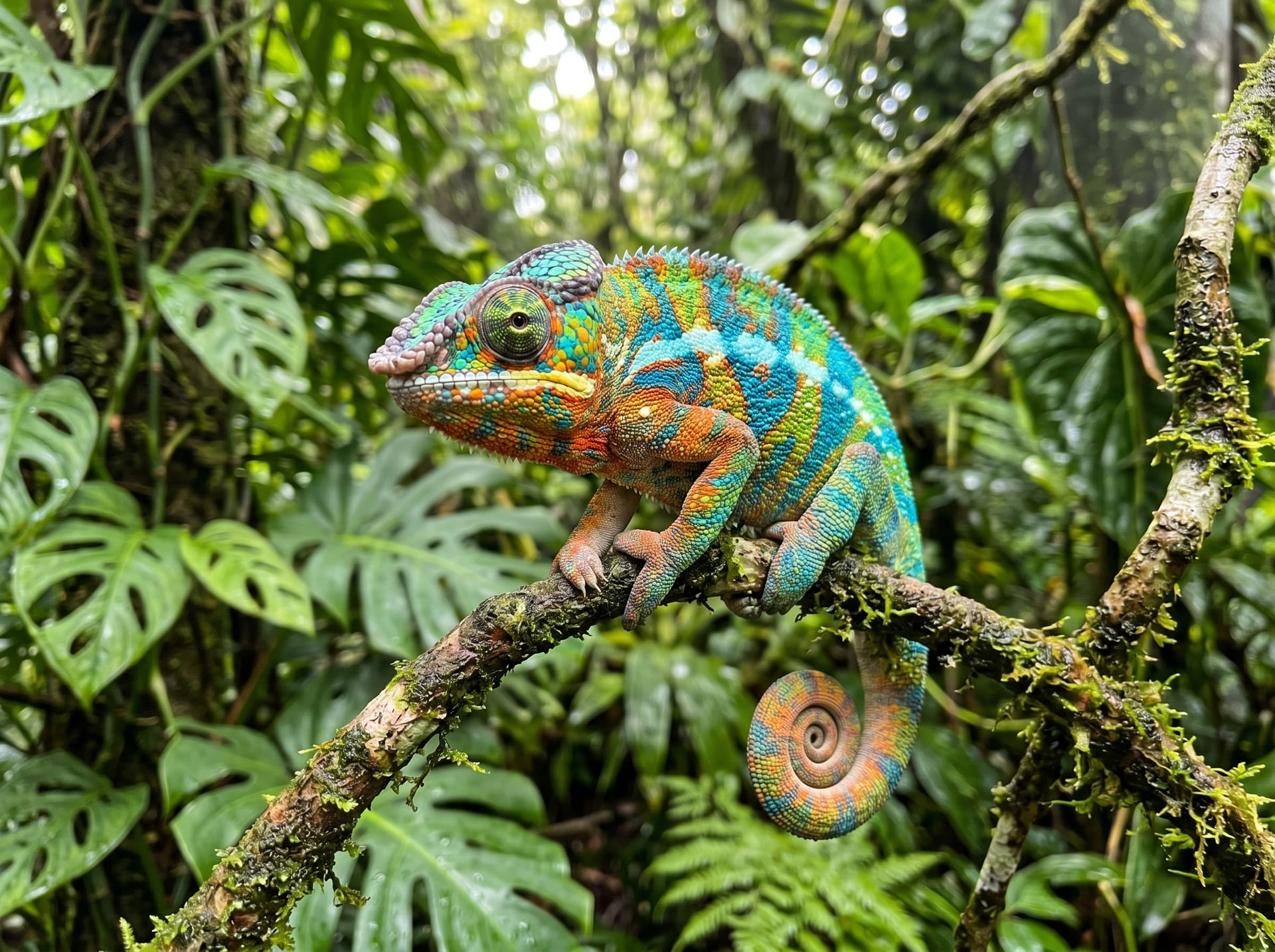
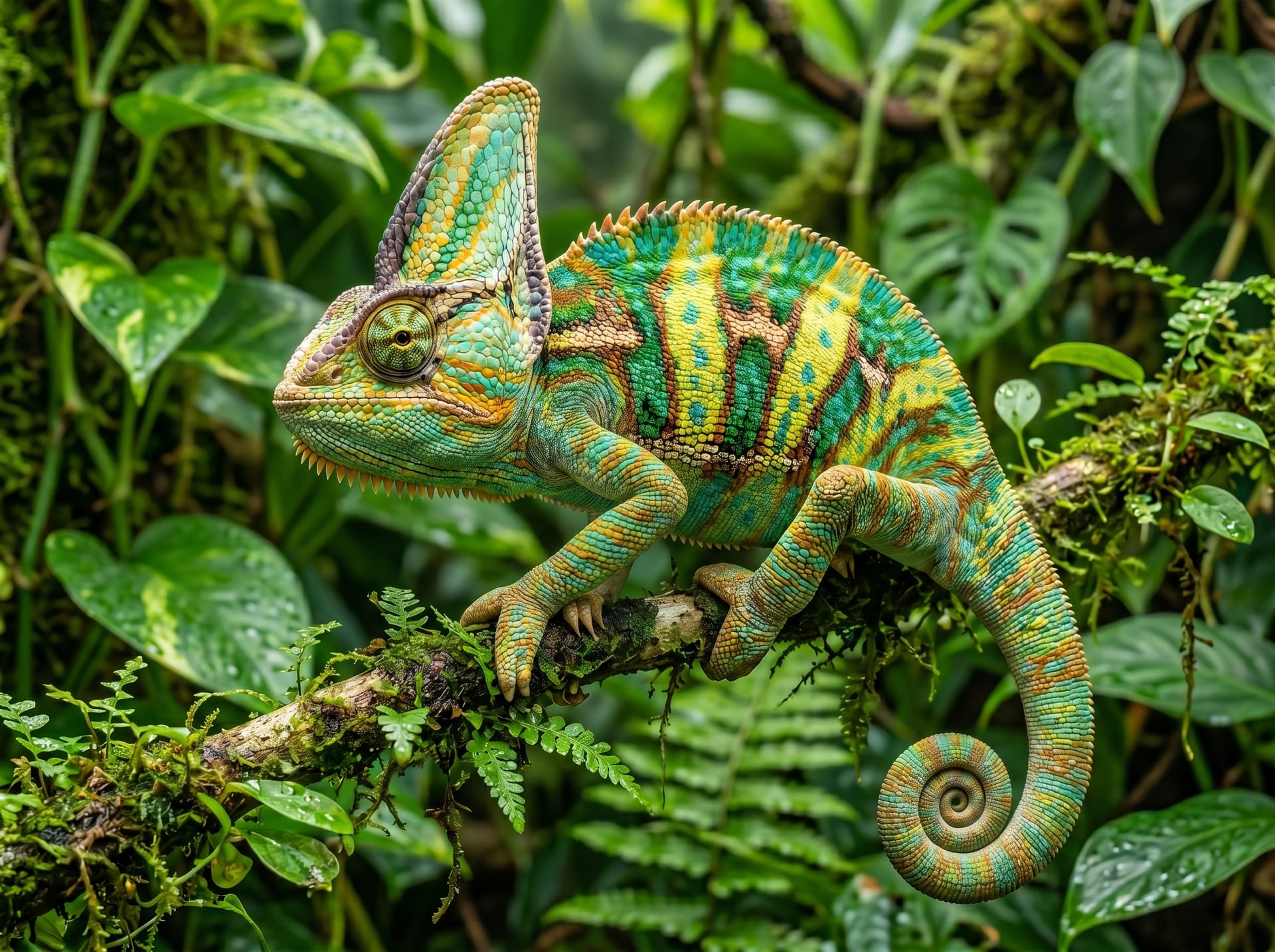
Chameleons are extremely delicate creatures, and humidity management is just as important—if not more so—than temperature and diet for successful care. While many people spray water somewhat haphazardly, the truth is that optimal humidity levels vary by species, and improper methods can lead to dehydration and respiratory diseases. This guide provides a thorough explanation from basics to advanced techniques, so that even beginners can confidently put humidity management and misting into practice.
Why Humidity Management Is Essential for Chameleons
Wild chameleons inhabit diverse environments such as tropical rainforests and dry shrublands depending on the species, but what they have in common is that humidity fluctuates throughout the day. Morning dew and mist occur, the air dries during the day, and it becomes humid again at night—this cycle is necessary in captivity as well.
Chameleons have a unique way of drinking water: they lick water droplets on leaves and branches with their tongue. For this reason, they almost never drink from a standing water dish. Without misting or dripping water (a dripper), they cannot get sufficient hydration.
Additionally, if humidity is too low, the following problems can occur:
- Improper shedding: Skin fails to shed properly, risking necrosis of the digits and other areas
- Dehydration: Sunken eyes and loss of skin elasticity
- Respiratory disease: Dry air irritates the airways
Conversely, if humidity is too high, bacteria and mold proliferate easily, increasing the risk of respiratory infections (such as RI viruses). Moderate humidity fluctuation is what matters.
Species-Specific Optimal Humidity Levels
While over 200 chameleon species exist worldwide, here are the optimal humidity levels for the main species available as pets. All share a basic pattern: lower humidity during the day, higher humidity from evening to morning.
| Species | Daytime Humidity | Evening to Morning Humidity |
|---|---|---|
| Veiled Chameleon | 30–50% | 70–90% |
| Panther Chameleon | 50–70% | 85–100% |
| Jackson's Chameleon | 50–70% | 80–95% |
| Bearded Chameleon | 30–50% | 70–85% |
Veiled Chameleons are relatively drought-tolerant and are considered beginner-friendly, but morning misting is still essential. Panther Chameleons and Jackson's Chameleons prefer high humidity, so I strongly recommend installing an automatic misting system.
Use a digital hygrometer and place it in the middle level of the enclosure (at the height where the chameleon spends most of its time). Avoid inexpensive analog hygrometers as they lack accuracy.
Manual Misting Basics and Tips
Even without an automatic system, you can manage humidity adequately with manual misting. The keys are timing and quantity.
Recommended Schedule Example (Veiled Chameleon, Single Animal)
- Morning (immediately after turning on the light): Generous misting until leaves are fully wet → amount that dries in approximately 15–20 minutes
- Midday (optional): Add one additional misting during hot summer months
- Evening (before turning off the light): Light misting → to raise evening humidity
The golden rule is to never spray directly on the chameleon. This causes stress and can be uncomfortable if water gets in the eyes or nostrils. Instead, spray the cage walls and plant leaves so water droplets naturally drip down.
Ideally, use dechlorinated tap water or distilled water. Using raw tap water leaves mineral deposits that appear as white residue on leaves and walls, making the enclosure get dirty quickly. To save money, simply letting tap water sit overnight allows chlorine to dissipate.
You can use an inexpensive spray bottle, but choose one with an adjustable nozzle that produces a fine mist. If droplets are too large, the chameleon will have difficulty licking the water.
Choosing and Setting Up an Automatic Misting System
For those who find it difficult to mist manually 2–3 times daily or who keep multiple chameleons, an automatic misting system is extremely convenient.
Main Product Types
- Timer-controlled pump systems (e.g., MistKing, Zoo Med Repti Rain): Fill a tank with water and set automatic misting times. Nozzles can be placed inside the enclosure.
- Ultrasonic humidifier type: For raising humidity in an entire room. Not suitable for managing a single enclosure.
- Simple timer method: DIY approach using commercial automatic watering systems designed for gardens.
For beginners, the MistKing starter kit is a standard choice. It allows fine adjustment of nozzle position and misting duration/frequency and can handle multiple enclosures.
Setting Example (Panther Chameleon, 60cm Enclosure)
- 7:00 AM: 2-minute misting
- 12:00 PM: 1-minute misting
- 5:00 PM: 1-minute misting
- 9:00 PM: 2-minute misting (to raise humidity before sleep)
Misting duration should be adjusted based on season and ambient humidity. Check your hygrometer to see how much humidity drops in 15–30 minutes after misting, then fine-tune accordingly.
Important note: aim the nozzles away from where the chameleon usually stays. If water directly hits the chameleon's favorite basking area or shelter, it can cause excessive cooling and stress.
Dripper Installation and Benefits
Misting alone limits drinking opportunities, so using a dripper in conjunction is even more effective. Chameleons have an instinct to drink in response to moving water droplets, making water dripping from a dripper an extremely effective hydration method.
DIY Dripper (Easiest Method)
- Poke 1–2 small holes in the cap of a 500mL plastic bottle using a pushpin
- Fill the bottle with water, invert it, and place it on top of the enclosure
- Place a cup or leaf underneath to collect drips
- Poking a small hole in the bottle's bottom (now facing up) improves water flow
Popular commercial options include the Zoo Med Big Dripper and Exo Terra Dripper Plant. Plant-shaped designs blend naturally with the enclosure décor and allow the chameleon to drink in a more natural manner.
Water accumulating at the bottom of the enclosure from the dripper can harbor bacteria. Provide drainage holes in the enclosure floor or lay absorbent material (such as paper towels) and change it regularly.
Signs of Dehydration and How to Address Them
The best way to confirm that humidity management is working is to observe the chameleon itself. If you notice any of the following signs, take action promptly.
Signs of Dehydration
- Sunken or half-closed eyes: The most obvious early sign. Healthy chameleons have full, alert eyes.
- Lack of skin elasticity: Skin returns slowly when gently pinched (but avoid squeezing forcefully).
- Scant or orange urates (white uric acid): Healthy urates are white. Orange or reddish urates strongly suggest dehydration.
- Darkened coloration and lethargy: General signs of poor health.
Treatment
For mild dehydration, increasing misting frequency and installing a dripper may help. If there is no improvement or if the eyes are severely sunken, consult a reptile specialist veterinarian. Attempting to administer oral rehydration solutions on your own risks making the condition worse.
Chameleons instinctively hide illness, so visible symptoms often indicate advanced problems. Establishing a daily observation habit is the most important preventive measure.
While humidity management may seem difficult at first, once you establish a routine, it becomes second nature. Seeing your chameleon licking leaves to drink is a sign that your care is successful. Start with a hygrometer and manual misting, and as you grow more comfortable, consider upgrading to an automatic system.