Complete Guide to Chameleon Care | Managing Temperature, Humidity, Misting, and UVB | ブリちょく
Reptiles| ✍️ BreederDirect Editorial
Complete Guide to Chameleon Care | Managing Temperature, Humidity, Misting, and UVB
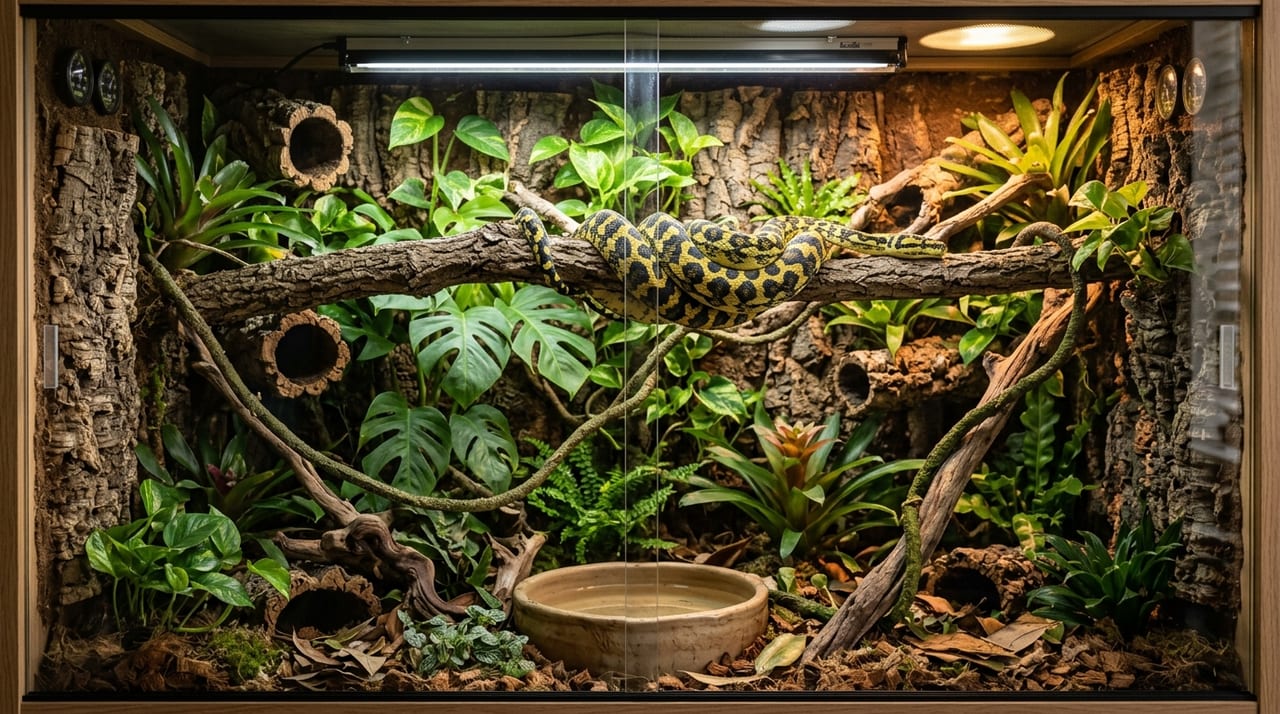
Detailed explanation of setup methods for full-mesh cages, UVB lighting, temperature gradients, and misting systems, focusing on Veiled Chameleons and Panther Chameleons.
Key Takeaways
Detailed explanation of setup methods for full-mesh cages, UVB lighting, temperature gradients, and misting systems, focusing on Veiled Chameleons and Panther Chameleons.
Complete Guide to Chameleon Care | Managing Temperature, Humidity, Misting, and UVB
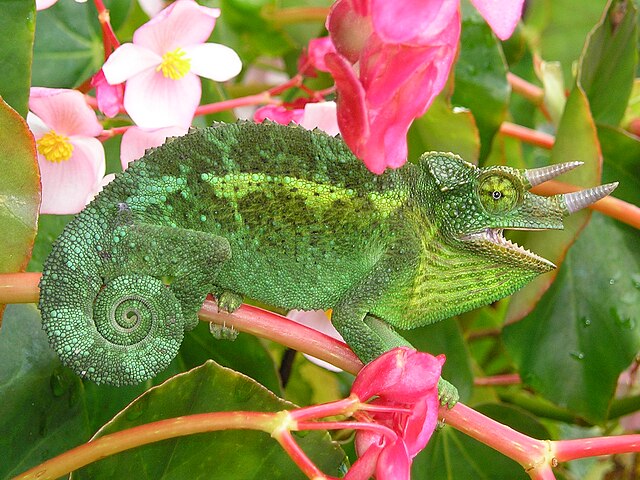
Chameleons possess uniquely fascinating qualities among reptiles, including their remarkable color-changing ability, independently moving eyes, and their long prehensile tongue. However, their care is extremely delicate, and long-term husbandry is challenging without proper environmental setup. This article provides comprehensive guidance from chameleon care fundamentals to advanced management techniques.
✍️
BreederDirect Editorial
The BreederDirect editorial team specializes in care information for animals, covering veterinary care and breeding to deliver beginner-friendly guides.
Find Reptiles on BreederDirect
Buy directly from verified breeders
Browse Related Listings
Find Reptiles listings related to this article on BreederDirect. Buy directly from verified breeders.
Misting Systems:
- Manual misting: 2–3 times daily (morning, midday, evening)
- Automatic misting system (recommended): Timer-controlled automatic misting
Importance of Misting:
Chameleons rarely drink from water bowls. Instead, they lick water droplets from leaves and enclosure walls. Water bowls are usually non-functional.
Symptoms: Sunken eyes; uric acid is yellow (healthy uric acid is white to cream-colored)
Management: Increase misting frequency; provide lukewarm water shower
Summary
Chameleons are exceptionally delicate to care for among reptiles. Only when all elements align—full-mesh enclosure, UVB lighting, temperature gradient, frequent misting, and proper calcium supplementation—can they thrive long-term.
While demanding in effort, the experience of observing their unique color changes and hunting behavior (using their long tongue to capture insects) offers rewards unavailable from other reptile species. Ensure all preparations are complete before bringing one home.