Complete Guide to Axolotl Care | Water Temperature Management, Feeding, Water Quality, and Tank Setup
A comprehensive guide to caring for axolotls (Mexican salamanders). We explain water temperature management—where summer cooling is the biggest challenge—filter selection, proper feeding types and frequency, water change methods, and how to handle common diseases, all geared toward beginners.
Key Takeaways
A comprehensive guide to caring for axolotls (Mexican salamanders). We explain water temperature management—where summer cooling is the biggest challenge—filter selection, proper feeding types and frequency, water change methods, and how to handle common diseases, all geared toward beginners.
What is an Axolotl?
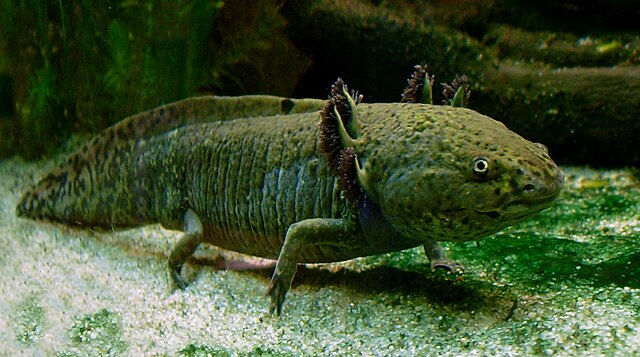
The axolotl (scientific name: Ambystoma mexicanum) is a type of amphibian native to Lake Xochimilco in Mexico, and its formal name is the Mexican salamander. It possesses a characteristic called neoteny (pedomorphosis), meaning it retains the juvenile appearance (external gills and fin-like limbs) even as an adult. After causing a major boom in Japan during the 1980s, it remains a unique pet with passionate fans worldwide.
Basic Specifications
- Length: 20–30 cm (can exceed 30 cm in captivity)
- Lifespan: 10–15 years (can live longer with proper care)
- Ideal water temperature: 5–22°C (prefers cool water)
- Classification: Order Caudata, Family Ambystomatidae
- Difficulty: Beginner to intermediate (water temperature management is critical)
The external gills have a fluffy, feathery appearance, and their adorable look makes them beloved worldwide. It's worth noting that wild axolotls in their native Lake Xochimilco are designated as endangered species, and the axolotls sold as pets are the result of long-term captive breeding.
Setting Up the Breeding Environment
Tank Size
A minimum tank size of 45–60 cm is required for one adult axolotl. Since axolotls crawl along the bottom, floor space is more important than depth. A standard 60 cm tank (60 × 30 × 36 cm) is the basic choice for housing one individual.
Housing multiple axolotls is generally not recommended due to the risk of cannibalism. When individuals of different sizes are housed together, smaller ones may lose their external gills and limbs to bites.
Filtration
Water quality stability is essential. Ammonia and nitrite buildup can be fatal.
- External filter (highly recommended): High filtration capacity and minimal water temperature increase
- Hang-on filter: Convenient but tends to raise water temperature slightly
- Sponge filter: Useful as a secondary filter
Important: Axolotls dislike strong water currents. Direct the filter outlet toward a wall or use a sponge to dampen the flow, maintaining a gentle current.
Substrate
Minimal or no substrate is best. Since axolotls may ingest sand along with food, large gravel and stones pose a risk of intestinal blockage.
If using substrate, apply fine sand with a grain size of 2 mm or smaller, in a thin layer (1 cm or less). Providing hiding places like PVC pipes or driftwood helps them feel secure.
Water Temperature Management Is Critical to Survival
Water temperature management is the most important factor in axolotl care.
Proper Water Temperature
- Ideal temperature: 15–18°C
- Maximum safe limit: 25°C (temporarily)
- Dangerous range: 28°C and above
High summer temperatures are the biggest threat. Above 28°C, stress increases dramatically, leading to loss of appetite, immune suppression, and death.
Summer Cooling Strategies
Cooling measures are essential during summer.
- Aquarium chiller (most reliable): Specialized cooling equipment. Expensive but effective
- Aquarium cooling fan: Evaporative cooling can lower temperature by 2–4°C
- Apply ice packs to the outside: Quick fix; be careful not to chill too much
- Control room temperature with air conditioning: Keeping the room at 24°C or below ensures stable water temperature
Winter Heating
Conversely, temperatures below 5°C in winter are also dangerous. Maintain a minimum of 8–10°C. Standard tropical fish heaters are set too high, so use a thermostat-controlled heater set to 18–20°C or a heater with low-temperature settings.
Feeding and Feeding Methods
Axolotls are carnivorous and prefer the following foods.
Main Types of Food
Pellets: Equally popular as frozen bloodworms. Well-balanced nutrition and easy to manage. Axolotl-specific pellets from brands like Kotobuki and GEX are widely available.
Frozen bloodworms: Highly palatable with good feeding response. Thaw before serving. However, due to nutritional imbalance, use as a supplementary food rather than a staple.
Krill (dried shrimp): Rich in calcium and protein. Feeding regularly as a supplement helps develop the external gills.
Live food (earthworms, killifish, etc.): Most highly preferred. However, there's a risk of parasites, so use only from reliable sources.
Feeding Frequency and Tips
- Juveniles and young adults (up to 10 cm): 1–2 times daily
- Adults (20 cm and larger): Once every 2–3 days
- Portion size: Aim for approximately 1/3 the size of the head
Since their eyesight is poor, use tweezers to bring food close to the snout for accurate feeding. Remove uneaten food within 30 minutes to prevent water quality deterioration.
Water Changes and Daily Maintenance
Weekly partial water changes (30–50%) are standard. Always dechlorinate the replacement water and match its temperature to the current tank temperature before adding it.
Water quality targets:
- pH: 7.0–8.0 (neutral to slightly alkaline)
- Ammonia and nitrite: undetectable
- Nitrate: 50 mg/L or below
During water changes, also perform "substrate vacuuming" to remove waste and uneaten food from the bottom using a siphon.
Common Diseases and Troubleshooting
Fungal infection (cotton mouth): White fuzzy growth appears on the body and external gills. Usually caused by poor water quality or low temperature. Often improves with water changes, but severe cases may require salt baths (0.1–0.3%) or amphibian-specific medications.
Loss of appetite: Primarily caused by temperature increase, water quality deterioration, or stress. Often improves by lowering water temperature, performing water changes, and stabilizing the environment.
Gill shrinkage: Caused by poor water quality, oxygen deficiency, or malnutrition. May improve with filter maintenance and dietary adjustments.
Axolotls have high regenerative ability and can regrow damaged external gills and limbs in proper conditions. However, secondary infections can prevent regeneration, making clean water quality essential.