Complete Guide to Caring for Axolotls (Ambystoma mexicanum): Tank Setup, Water Temperature, Feeding, and Health Management
A comprehensive beginner's guide to axolotl care. This guide covers proper tank size, water temperature and quality management, types and frequency of feeding with frozen bloodworms, regeneration abilities, and an introduction to color morphs.
Key Takeaways
A comprehensive beginner's guide to axolotl care. This guide covers proper tank size, water temperature and quality management, types and frequency of feeding with frozen bloodworms, regeneration abilities, and an introduction to color morphs.
What is an Axolotl?
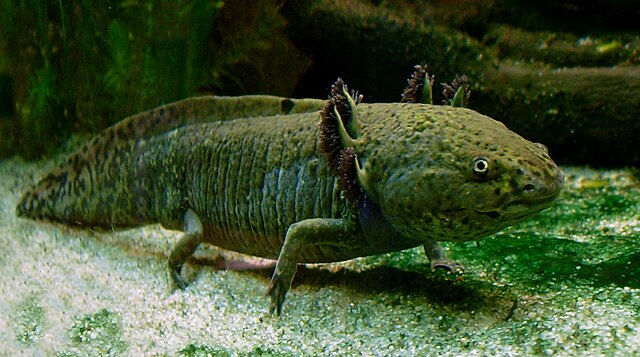
The axolotl (scientific name: Ambystoma mexicanum, also called the Mexican salamander) is a caudate amphibian native to Lake Xochimilco in Mexico. It possesses a unique characteristic called "neoteny" (juvenile form maturity), meaning it never fully metamorphoses like other amphibians and instead becomes a reproductive adult while retaining its larval form with gill-based respiration. Three pairs of feathery external gills extend from both sides of its head, and its leisurely movements and seemingly smiling expression have captivated many.
In the wild, populations have declined drastically and the axolotl is listed as Critically Endangered (CR) on the IUCN Red List. However, captive breeding is thriving and they are widely available in Japan. Common color morphs include the "Leucistic" (white with black eyes), the "Golden" or "Albino" (white with red eyes), the "Wild Type" or "Dark" (entirely black), and the pure "Albino" or "White" (completely lacking melanin pigment). With proper care, they can live 10–15 years.
Tank Selection and Setup
Since axolotls are fully aquatic, a proper tank and water quality management are essential to their care.
A single adult axolotl requires a minimum of a 60cm standard tank (approximately 57 liters); ideally, a 90cm tank is better. Since they are poor swimmers and spend most of their time on the bottom, choose a tank with a large floor area. Water depth should be approximately 2–2.5 times their body length (for adults, around 25–35cm).
For substrate, use coarse gravel with a grain size of 5mm or larger, or leave the bottom bare. Accidental ingestion of fine sand is common and can cause intestinal blockage. Provide hiding places such as driftwood or unglazed terracotta pots to reduce stress.
Use an external filter or box filter appropriate for your tank volume. However, strong water currents cause stress, so reduce the flow by placing a sponge at the outlet. Aeration is beneficial for oxygen replenishment and water circulation, but keep it gentle.
Water Temperature and Quality Management
Water temperature management is the most critical factor in axolotl care.
Ideal Water Temperature: 16–20°C (ideally around 18°C)
Above this range, the risk of appetite loss, immune suppression, and skin disease increases dramatically. Temperatures above 25°C are particularly dangerous and can cause fatal damage even in the short term. In summer, cooling measures such as an aquarium chiller, evaporative cooling with a small fan, or ice packs are essential. In winter, heaters are often unnecessary unless you live in a very cold climate, but avoid sudden temperature drops.
Water Quality Parameters
- pH: 7.0–8.0
- Ammonia and Nitrite: 0 ppm (requires established biological filtration)
- Nitrate: ≤40 mg/L
- GH (General Hardness): 7–14°dH (they prefer slightly hard water)
Perform water changes 1–2 times per week, replacing 20–30% of the total volume. Use dechlorinated water at the same temperature (within ±2°C).
Food Types and Feeding Methods
Axolotls are carnivorous and will eat a variety of live foods, frozen foods, and prepared feeds.
Common Food Types
- Frozen Bloodworms: The most common choice with excellent nutritional balance. Readily accepted with good appetite response.
- Frozen Tubifex Worms: Highly nutritious but can foul water quickly; feed in small amounts.
- Sinking Prepared Feeds (Pellets, etc.): Convenient to manage once the axolotl is accustomed to them. Specialized axolotl pellets are also available.
- Frozen Clean Bloodworms: A safe option with minimal risk of bacteria or parasites.
Feed 3–5 times per week, offering only as much as they will eat in 10–20 minutes. Remove uneaten food immediately to prevent water quality deterioration. Using tweezers or chopsticks to place food directly in front of them ensures they will eat.
As they mature, appetite moderates and 2–3 feedings per week may be sufficient. Adjust quantities based on body condition. If the ribs are visible (underweight), increase feeding; if the abdomen is distended, reduce feeding.
Regenerative Abilities
Axolotls possess extraordinary regenerative abilities among vertebrates. They can regenerate limbs, portions of the tail, gills, and even parts of the heart and brain tissue, making them an important model organism in medical and regenerative medicine research.
If one axolotl's limbs are bitten by another during group housing, they will regenerate within weeks to months with proper care. However, repeated biting causes stress and immune suppression, so single housing or very spacious tank housing is recommended even for similarly-sized individuals.
Health Concerns to Watch For
Edema (Dropsy): Abnormal swelling of the body or gills, often caused by organ disease or bacterial infection. Seek immediate veterinary care from a specialist in reptiles and amphibians.
Gill Regression: Gills may shrink due to poor water quality, strong current stress, or disease. Improvement often follows water quality remediation and flow adjustment.
Skin Redness and Sores (Red Leg Disease): A bacterial infection, often caused by Aeromonas, primarily due to poor water quality. Salt baths (approximately 0.1% saline) or antibiotics are effective treatments, though severe cases require veterinary care.
Intestinal Blockage: Caused by accidental ingestion of gravel or sand. Use only coarse substrate and prevent ingestion of foreign objects.
Metamorphosis (Transformation)
Axolotls occasionally undergo metamorphosis when exposed to thyroid hormones (thyroxine) or similar triggers. After metamorphosis, the gills disappear and they become primarily lung-breathing terrestrial salamanders; however, care becomes significantly more difficult and metamorphosed individuals typically have shorter lifespans. Metamorphosis rarely occurs in standard captive conditions, but intentional metamorphosis induction is not recommended.
Summary: Keeping Your Axolotl Healthy for Years
Water temperature control and quality maintenance form the foundation of axolotl care. Summer heat management requires advance planning—establish cooling equipment before bringing one home. Center feeding on frozen bloodworms while incorporating prepared feeds. Their leisurely movements and unique gills create a charm that becomes irresistible once you keep one. With proper care, you can enjoy their company for more than a decade.