Source: Wikimedia Commons
Fischer's Chameleon
AdvancedKinyongia multituberculata
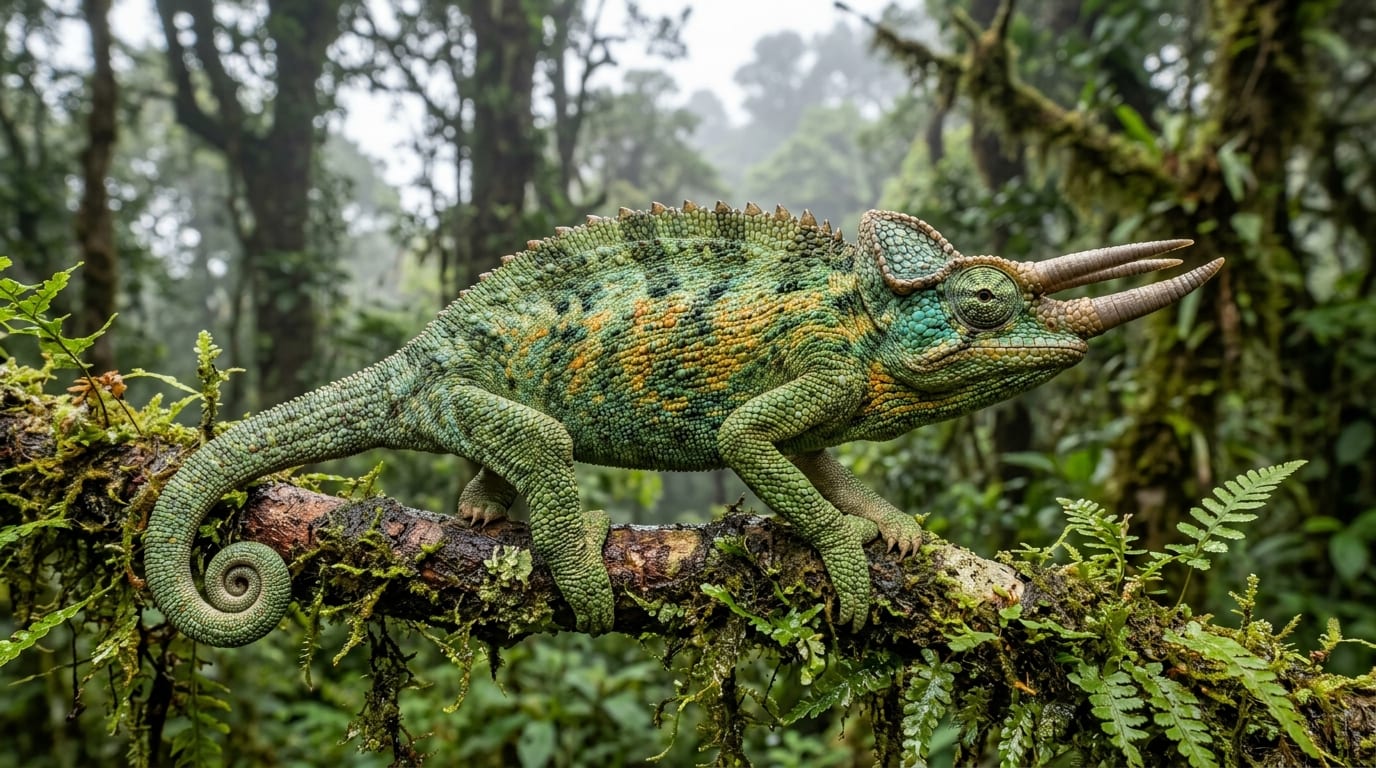
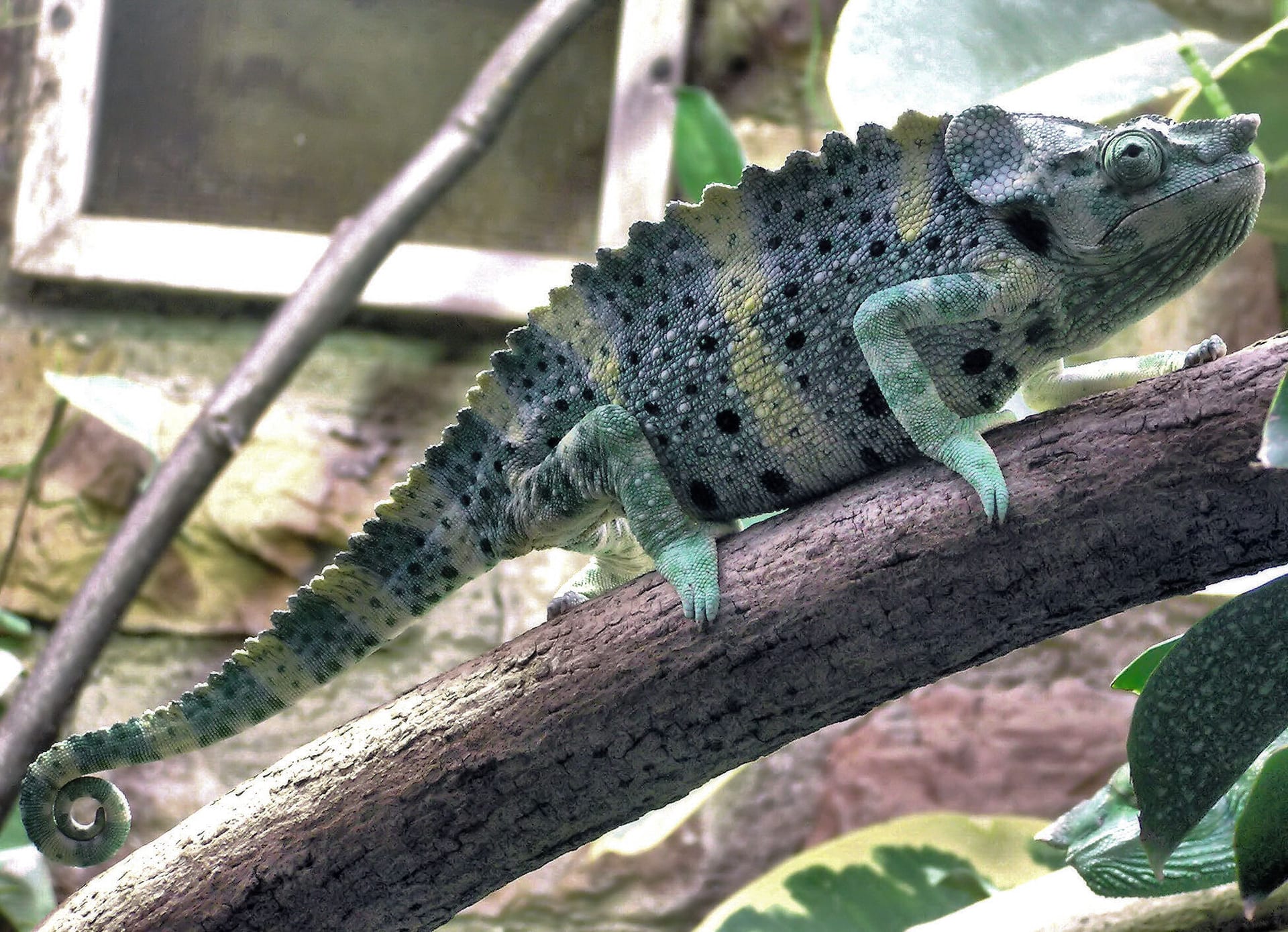
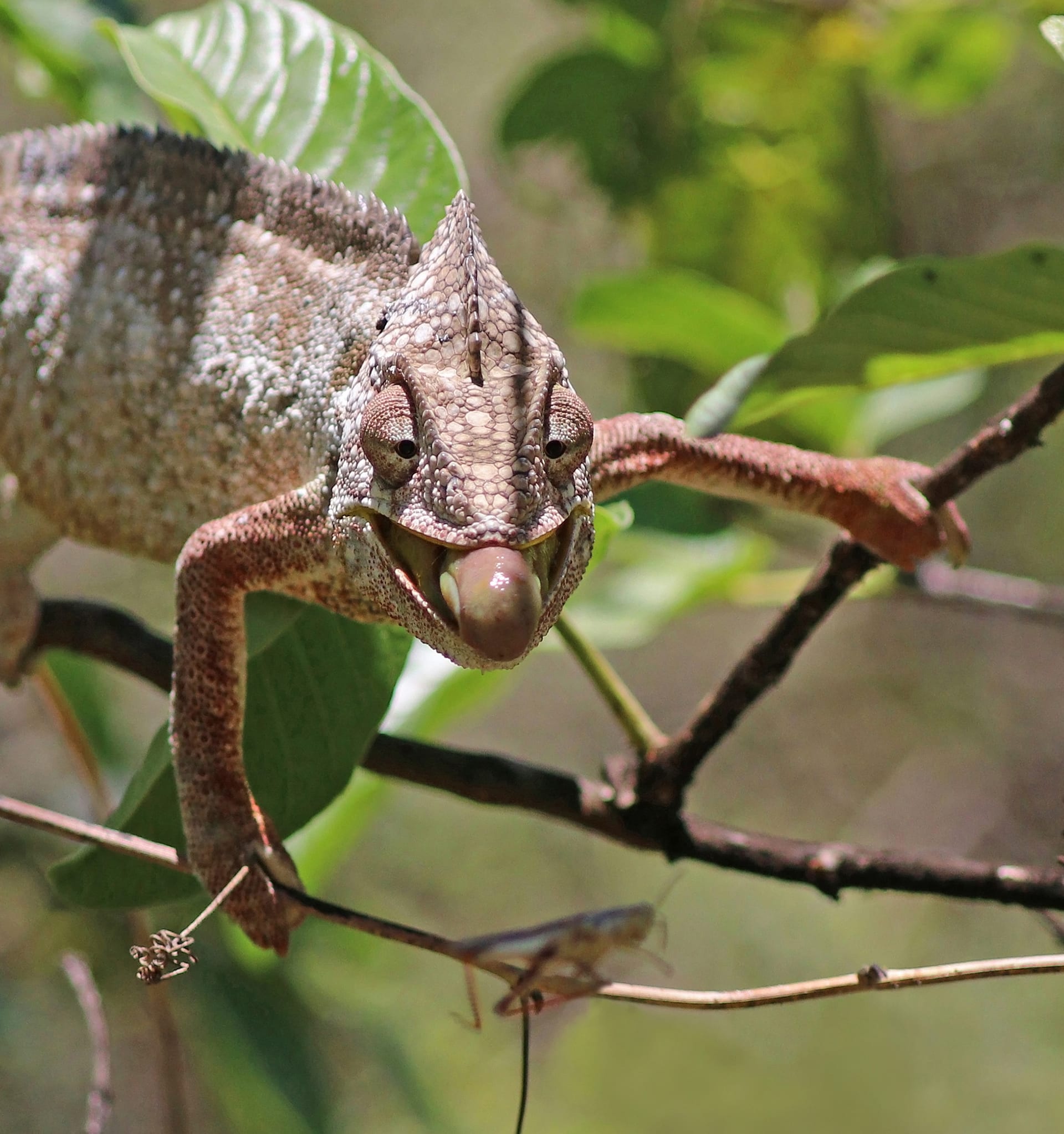
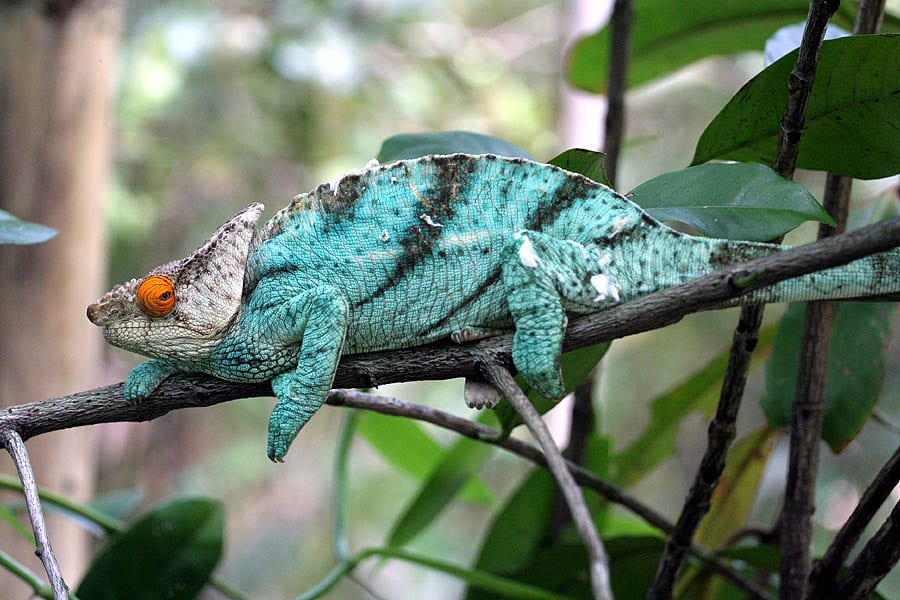
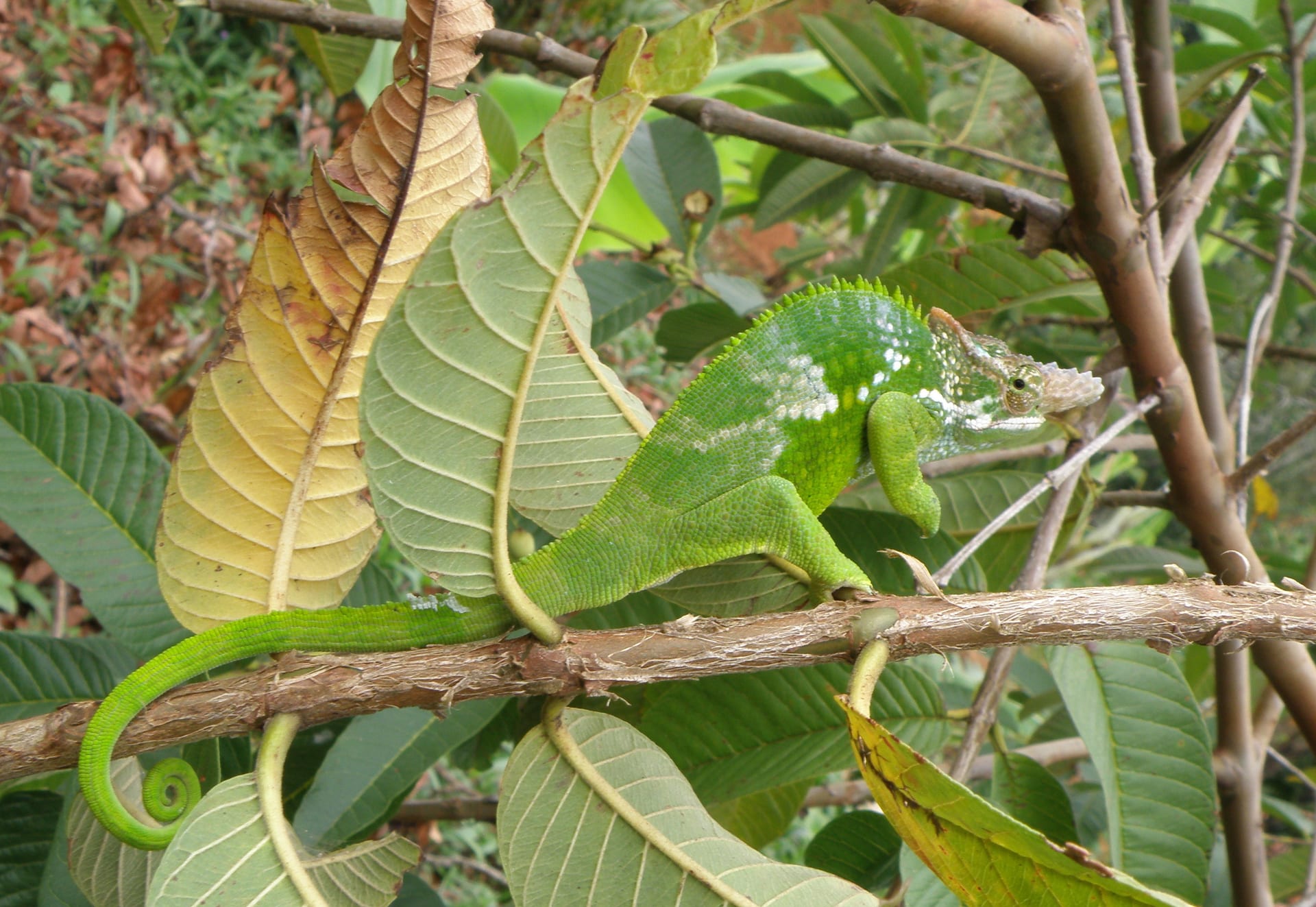
An arboreal chameleon endemic to the West Usambara Mountains of Tanzania. At 34 cm it is among the larger Kinyongia, with the tail making up more than half that length, and adult males carry a pair of blade-like horns on the snout.
Difficulty
Advanced
Temperature
25〜32℃
Lifespan
5-8 years
Size
Up to 34cm, more than half of it tail
Humidity
40〜70%
Diet
Crickets, silkworms, dubia roaches and other insects
About
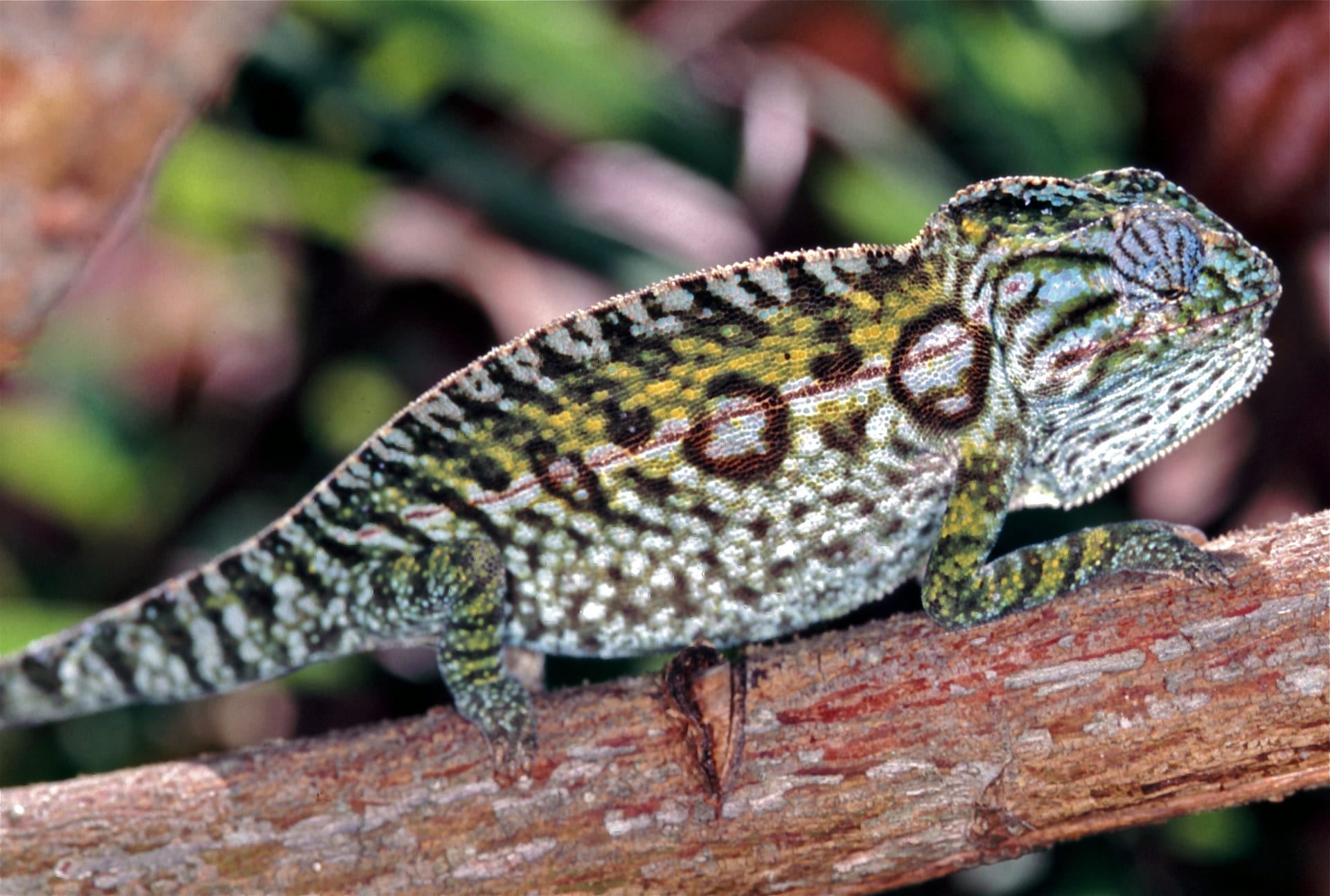
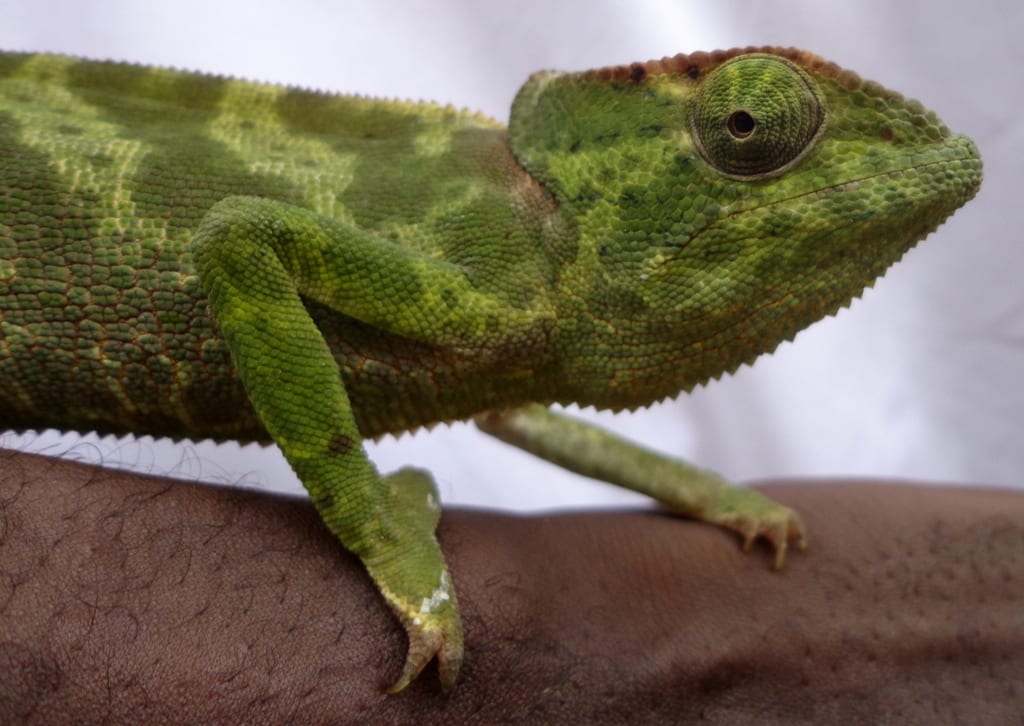
Kinyongia multituberculata is a chameleon endemic to the West Usambara Mountains of Tanzania. It inhabits Afrotemperate forest at 1,200 to 2,500 m and also occurs in modified vegetation beside forest patches and on roadside shrubs, but it requires structurally complex habitat and does not range across transformed landscapes. At up to 34 cm it is one of the larger species in its genus, with the tail making up more than half the total length. Females stay smaller than males, and adult males bear a pair of blade-like horns on the snout. Until 2008 it was widely confused with Kinyongia fischeri, and more than 95 percent of animals exported from Tanzania as K. fischeri are estimated to have been this species. After CITES recognised it separately, Tanzania allowed limited exports but stopped them after 2017. Its forests are fragmented by logging and agricultural encroachment, and the IUCN assesses it as Endangered.
Source: Wikipedia (CC BY-SA 4.0)
Lifespan of the Fischer's Chameleon
The Fischer's Chameleon lives 5-8 years.
Size of the Fischer's Chameleon
The Fischer's Chameleon grows to Up to 34cm, more than half of it tail.
Basic Info
Origin
The West Usambara Mountains of Tanzania, in Afrotemperate forest at 1,200-2,500 m, also occurring in modified vegetation beside forest patches and on roadside shrubs and trees
Lifespan
5-8 years
Size
Up to 34cm, more than half of it tail
Care Specifications
Semi-aggressiveSolitaryBreeding: Very hard
Sources: Wikipedia (English) / Chameleon Academy: Kinyongia matschiei (background on husbandry in the fischeri complex) / Reptile Database
References & Sources
Edited & verified by: BreederDirect editorial team
The taxonomic, regulatory, and husbandry data on this page are compiled and verified against the authoritative primary sources below.
Taxonomy & Authority
Accepted name: Kinyongia multituberculata (Nieden, 1913)
Synonyms: Chamaeleon fischeri multituberculatus Nieden, 1913, Chamaeleon fischeri werneri Nieden, 1913
Authority databases: GBIF · Reptile Database
Nomenclature follows global taxonomic authority databases.
Regulations & Conservation Status
CITES Appendix IIIUCN EN · Endangered
Chamaeleonidae spp. has been listed under Appendix II since February 4, 1977 (Species+). Because it is listed under Appendix II, no registration certificate as an internationally rare wild animal or plant species is required. Tanzania has suspended exports of this species since 2017. This species is not included in the specified animals listed in the Ordinance for the Enforcement of the Act on the Welfare and Management of Animals.
Sources: CITES Appendices (Chamaeleonidae spp., Appendix II, effective 4 February 1977) / IUCN Red List
Regulations may change. Always verify the latest information with the relevant authorities.
Fischer's Chameleon Listings
Loading latest listingsFind listings for this species