Chameleon Supplement Guide | How to Use Calcium, D3, and Multivitamins
A guide to chameleon supplements explaining how to use calcium, D3, and multivitamins, including dosing frequency and warnings about overdose.
Key Takeaways
A guide to chameleon supplements explaining how to use calcium, D3, and multivitamins, including dosing frequency and warnings about overdose.
Related Species
Chameleons are particularly delicate reptiles that require not only precise environmental control but also careful nutritional management. Incorrect supplementation—whether in type, frequency, or combination—risks metabolic bone disease (MBD) from nutritional deficiency or internal organ damage from overdosing. This article explains the characteristics of three essential chameleon supplements and provides a practical rotation schedule that's easy to follow.
Why Supplements Are Essential for Chameleon Care
Wild chameleons naturally obtain balanced nutrition by consuming a diverse array of insects and plants. In captivity, however, feeder insects are limited in variety and nutritional value compared to wild insects. The calcium-to-phosphorus ratio especially tends to become imbalanced, leading to metabolic bone disease and weakened bones.
Additionally, while chameleons synthesize vitamin D3 internally through UVB exposure, captive UVB lamps often provide insufficient output, distance, or duration compared to natural outdoor conditions. Supplements bridge this environmental gap, but it's crucial to understand that more is not better—maintaining health depends on using each supplement type at the correct frequency.
Characteristics and Roles of Three Supplement Types
Calcium (Without D3)
The most frequently used supplement, it provides calcium—an essential mineral for bone and shell formation, muscle contraction, and nerve transmission.
- Dust feeders with calcium powder at each feeding
- Because it contains no D3, daily use poses minimal risk of overdose
- Calcium carbonate (CaCO₃) formulations are common, inexpensive, and very safe
- Choosing products low in phosphorus helps maintain proper calcium-to-phosphorus ratio
Since chameleons capture prey quickly with their tongue, dust feeders immediately before offering and feed before the powder falls off.
Calcium (With D3)
Vitamin D3 (cholecalciferol) is a fat-soluble vitamin that promotes calcium absorption through the intestines. Without adequate D3, calcium cannot be absorbed effectively, increasing MBD risk.
- A guideline is to dust feeders about twice per month
- If proper UVB lamps (5.0 or higher) are in place, the chameleon can synthesize D3 internally, so lower frequency is sufficient
- Because D3 is fat-soluble and accumulates in the body, overdosing can cause hypercalcemia
- Calcium deposits in organs can cause irreversible damage
Because D3 supplementation needs vary based on UVB lamp quality and placement, we recommend tracking lamp duration, distance, and replacement schedule.
Multivitamin
It provides micronutrients other than calcium, such as vitamins A, E, B-complex, and zinc.
- Apply about twice per month (typically alternating with D3-containing calcium)
- Choose products containing vitamin A (retinol form). Beta-carotene forms are said to be poorly converted to retinol in chameleons
- Watch for signs of vitamin A toxicity: eye swelling, appetite loss, and skin problems
- Quality varies widely, so choose products from reptile-specialist manufacturers
Practical Rotation Schedule
Below is a 4-week rotation example assuming feeding three times per week (Monday, Wednesday, Friday).
| Week | Monday | Wednesday | Friday |
|---|---|---|---|
| Week 1 | Ca (no D3) | Ca (with D3) | Ca (no D3) |
| Week 2 | Ca (no D3) | Multivitamin | Ca (no D3) |
| Week 3 | Ca (no D3) | Ca (with D3) | Ca (no D3) |
| Week 4 | Ca (no D3) | Multivitamin | Ca (no D3) |
In this schedule, D3-containing calcium and multivitamin each appear twice monthly, reducing the risk of D3 and vitamin A overdose while ensuring calcium supplementation at every feeding.
For schedule management, we recommend recording feedings in a calendar or note app. Forgetting which supplement was used last week can lead to unintentional consecutive D3 dosing.
Maximizing Supplement Effectiveness Through Gut-Loading
Alongside supplement dusting, gut-loading feeders—enriching their nutritional content—is essential. By filling the feeder's digestive tract with nutrients, chameleons indirectly obtain more nutrition when consuming them.
How to Gut-Load
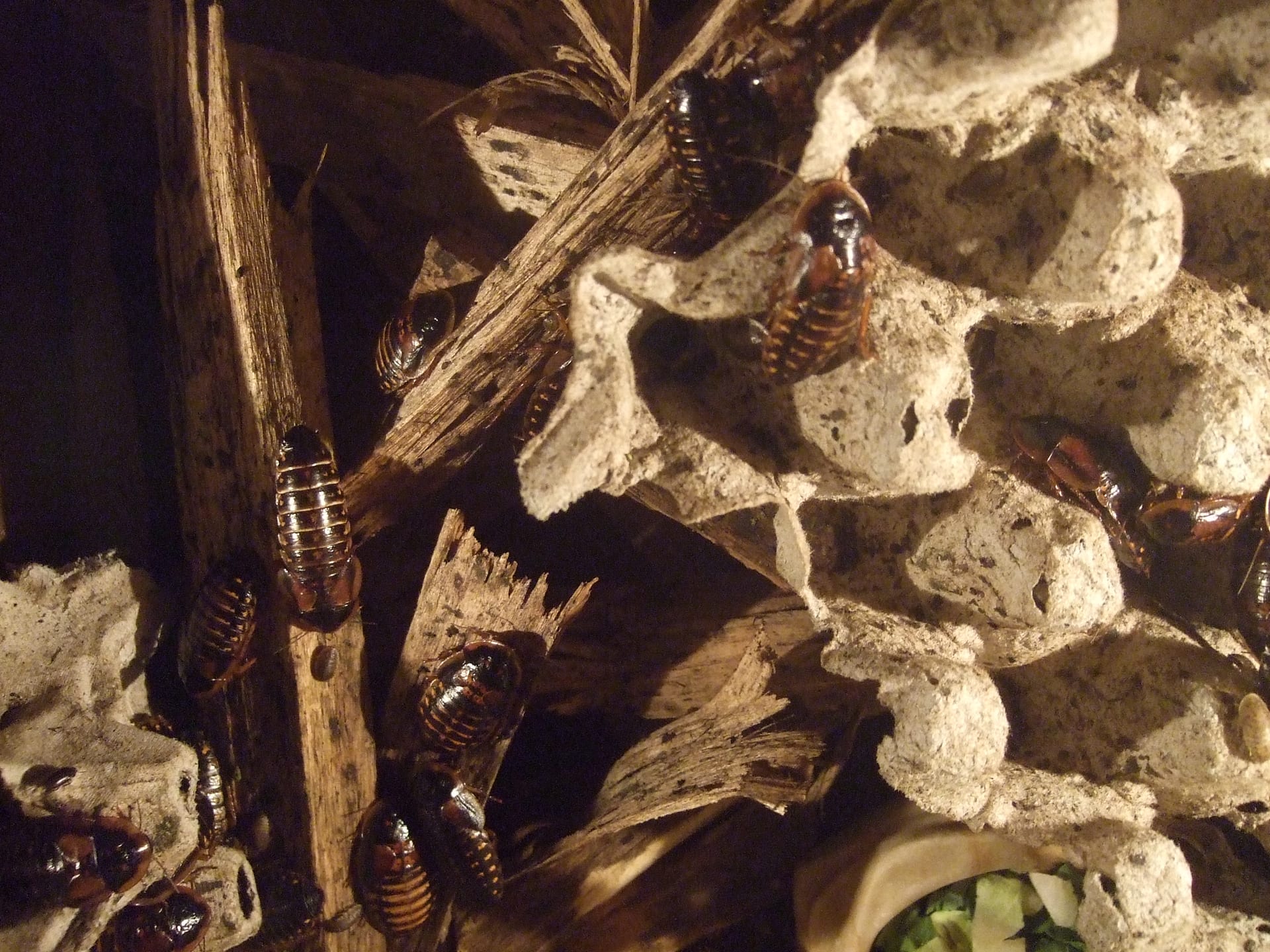
- Feed crickets or dubia roaches vegetables and grains 24 to 48 hours before offering them to your chameleon
- Recommended foods: bok choy and Chinese cabbage (calcium-rich), squash and carrot (beta-carotene), oats and bran (energy source)
- Commercial gut-load products (such as Repashy Bug Burger) are convenient and effective
- Avoid excessive spinach and broccoli due to their oxalate and goitrogen content
Gut-loaded feeders are richer in minerals and antioxidants than simply dusted ones, providing synergistic benefits with supplements. Feeder management is an important part of chameleon care.
Don't Overlook Signs of Deficiency and Toxicity
Even with proper supplementation, individual variation and environmental changes can cause problems. Address these signs promptly if you notice them.
Signs of Deficiency (Mainly Calcium and D3 Insufficiency)
- Limb and jaw deformities, or bones that break easily (MBD)
- Trembling, seizures, or sluggish movement
- Post-egg-laying paralysis, especially in females
Signs of Toxicity
- Vitamin A toxicity: swelling around the eyes, loss of appetite, skin lesions
- D3 toxicity (hypercalcemia): decreased activity, increased water intake, organ damage
If you notice abnormalities, stop supplements immediately and consult an exotic animal veterinarian. Blood tests can confirm calcium and vitamin levels, enabling more precise treatment.
BreederDirect's Safety and Trust Framework
BreederDirect features breeders who specialize in reptiles, including chameleons, selling directly. These professionals practice supplement management daily and provide comprehensive post-purchase support.
When purchasing, ask the breeder directly about the specific supplements, frequency, and rotation schedule they use. A major advantage of buying directly from breeders is receiving personalized advice tailored to the individual and its environment. You can also easily consult with the breeder if questions arise after you start keeping the animal.
While chameleon care can be challenging, with proper knowledge and breeder support, even beginners can successfully maintain healthy animals long-term. We encourage you to find a trusted breeder on BreederDirect.