Complete Guide to Reptile Feeding & Nutrition Management | Diet Selection by Food Type, Dusting, Calcium, and UVB Lighting Integration
Complete Guide to Reptile Feeding & Nutrition Management。Understanding Reptile Diet Types — Basic Foods by Category Reptiles exhibit far greater species…
Key Takeaways
Complete Guide to Reptile Feeding & Nutrition Management。Understanding Reptile Diet Types — Basic Foods by Category Reptiles exhibit far greater species…
Related Species
Understanding Reptile Diet Types — Basic Foods by Category
Reptiles exhibit far greater species diversity compared to mammals and birds, and their dietary requirements vary accordingly. The first step toward proper nutrition management is accurately determining which dietary category your species belongs to.
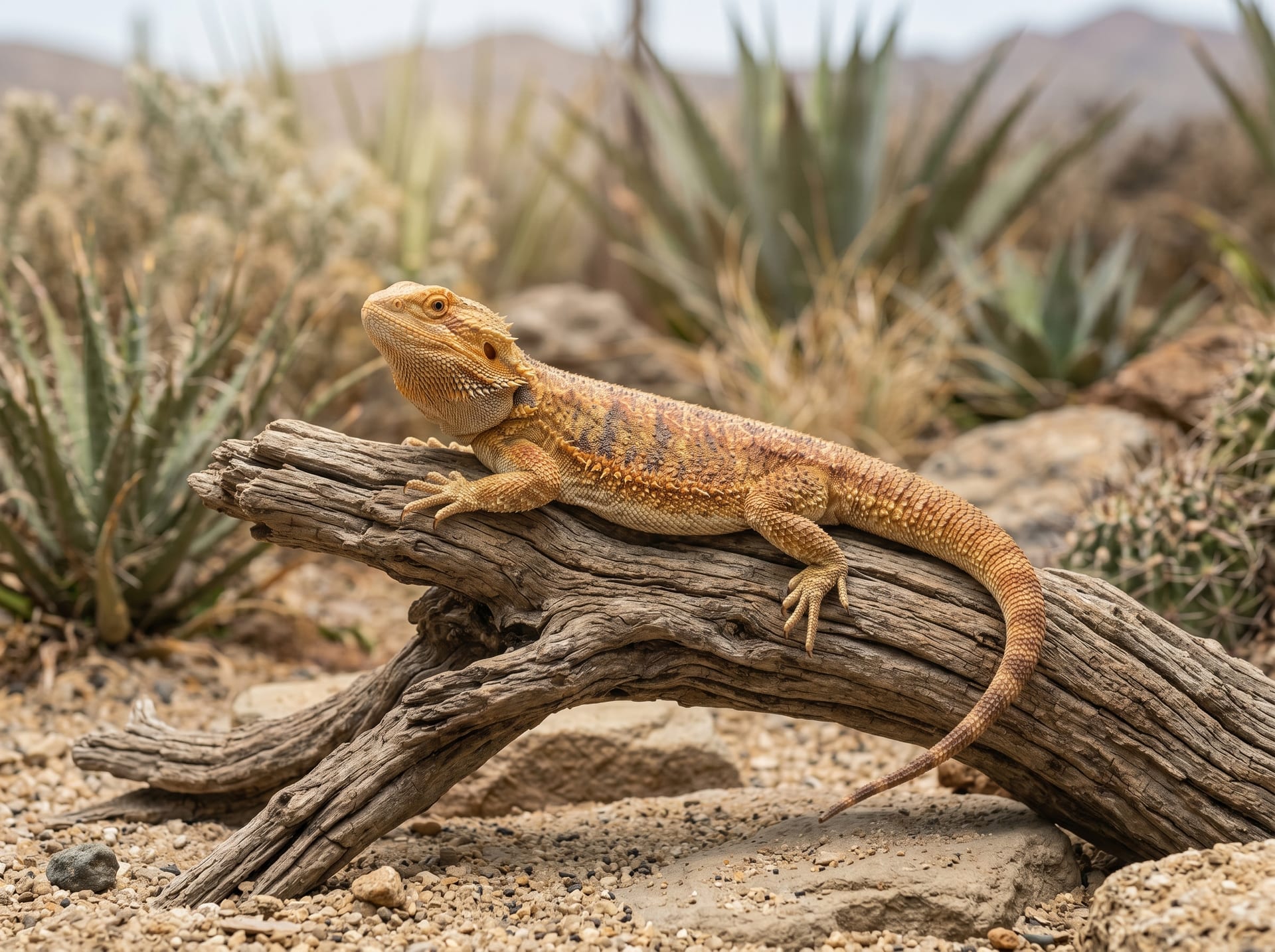
Insectivorous species include leopard geckos (Leos), juvenile bearded dragons, chameleons, and many other lizards. Crickets (European house crickets and two-spotted crickets), dubia roaches, mealworms, and honeyworms serve as primary foods, but the notion that "feeding insects alone is sufficient" is nutritionally inadequate. Techniques such as gut loading and dusting (covered later) become essential.
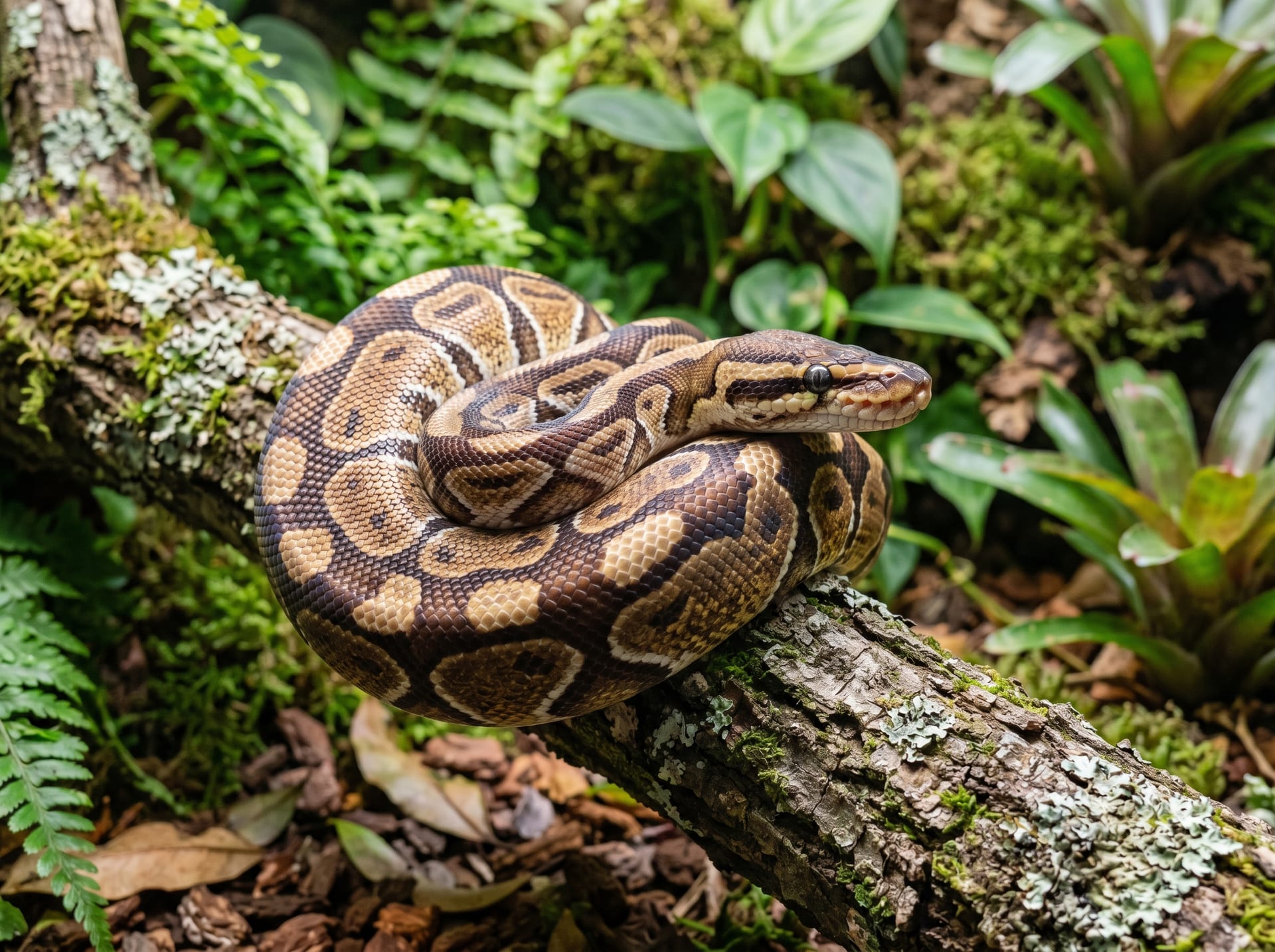
Carnivorous species primarily consist of snakes, including ball pythons. The typical approach involves thawing frozen mice or rats before feeding, and these are often designed as complete nutritional foods. However, mice and rats differ in fat content, requiring species-appropriate selection based on growth stage and animal size.
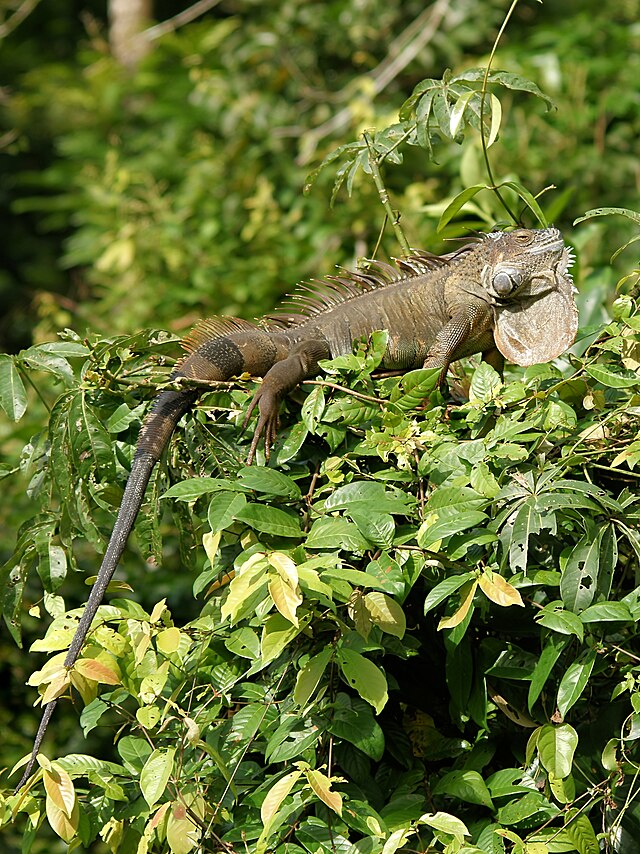
Herbivorous and omnivorous species are exemplified by green iguanas and tortoises. These require a combination of leafy vegetables (bok choy, komatsuna, kale), wild plants (dandelion, plantain), and low-sugar fruits. Spinach and broccoli contain oxalic acid and goitrogens, so they should be avoided as primary foods. Adult bearded dragons shift from the insectivorous diet of their juvenile stage to a vegetable-centered diet, requiring adjustment of ratios as they grow.
What is Gut Loading? — Pre-treatment to Enhance Feeder Insect Nutrition
Often overlooked when keeping insectivorous reptiles is "gut loading." This involves feeding high-nutrition foods to feeder insects 24–48 hours before feeding them to your reptile, allowing them to pass those nutrients directly to your animal.
Excellent gut-loading materials for crickets and dubia roaches include plants rich in carotenoids and vitamins, such as squash, carrots, komatsuna, and young barley sprouts. Commercially available gut-loading feeds are also reliable options with stable nutritional profiles, making them user-friendly for beginners.
Neglecting gut loading leaves insects with a very poor calcium-to-phosphorus ratio (typically around 1:7 to 1:10), significantly increasing the risk of metabolic bone disease (MBD) in reptiles. By providing properly nutritionally enhanced insects, you can bring this ratio closer to an optimal state.
Dusting — Supplementing Calcium and Vitamin D3
Dusting is the practice of coating feeder insects with supplement powder just before feeding them, forming the core of insectivorous reptile nutrition management. Two main types of supplements are used:
Calcium alone (without Vitamin D3) is for species in environments where UVB lighting enables them to synthesize D3 internally. Dust feeders 3–5 times per week on a regular schedule.
Calcium + Vitamin D3 formulations are used in environments without UVB lamps or for nocturnal species with low UV synthesis capacity (such as leopard geckos). However, since Vitamin D3 is fat-soluble and can accumulate to toxic levels, dusting is typically limited to 1–2 times per week.
Multivitamin supplements are used several times per month to provide micronutrients like Vitamin A and Vitamin E. Selecting products formulated with beta-carotene (the precursor form) rather than preformed Vitamin A increases safety, as excess Vitamin A is harmful to reptiles.
The easiest dusting method is the "bag shaking" technique: place the feeder insect and supplement powder in a small ziplock bag and shake gently to coat evenly. It is crucial to feed immediately after dusting, as powder effectiveness diminishes as it settles or dissolves over time.
The Connection Between UVB and Calcium Metabolism
One of the most critical elements of reptile health management is UVB (ultraviolet B radiation) lighting. Most diurnal reptiles synthesize Vitamin D3 through their skin when exposed to UVB, and this D3 promotes intestinal calcium absorption. When this cycle breaks down, insufficient blood calcium levels lead to metabolic bone disease (MBD).
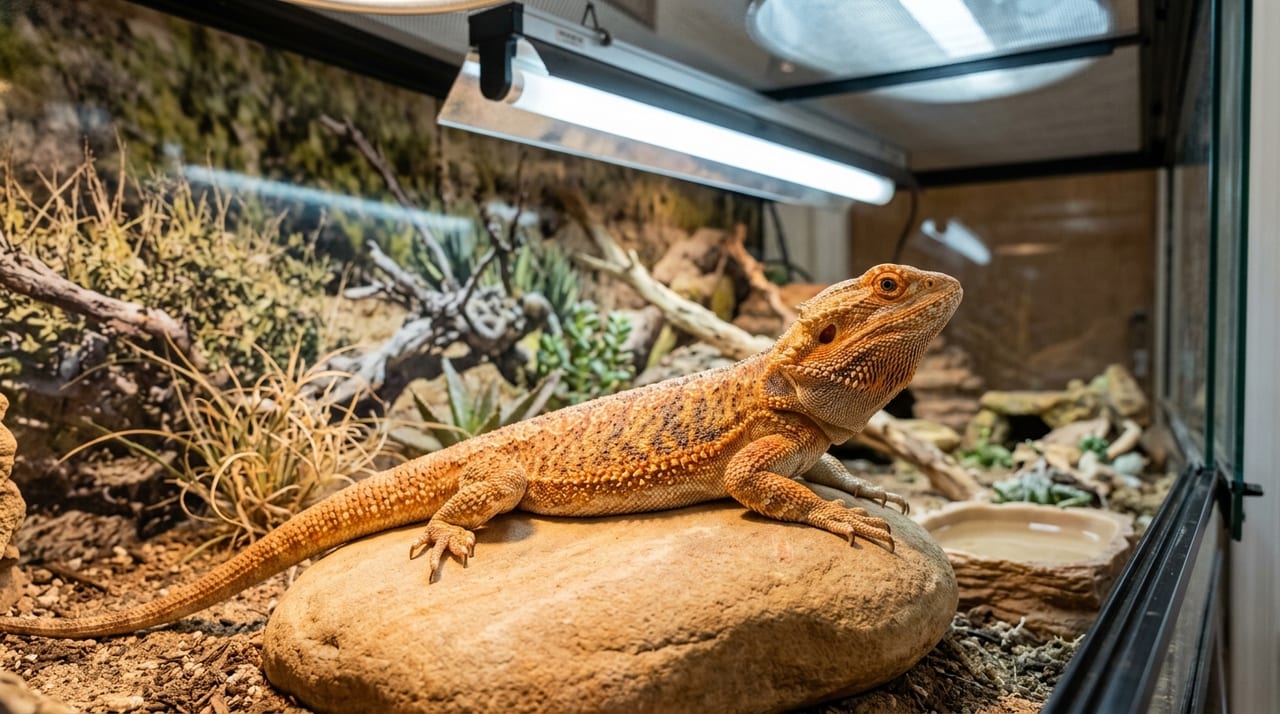
The "UVI" (Ultraviolet Index) has become the standard metric for selecting UVB lamps. Species requiring strong sunlight, such as bearded dragons, typically need UVI 3–5; chameleons require UVI 2–4; and nocturnal species like leopard geckos require UVI 0–0.7 (refer to the Ferguson Zone as a reference).
UVB lamps come in two types: fluorescent tubes and metal halide. Fluorescent tubes are convenient and readily available, but their UVB output declines with usage time, so replacement is recommended every 6–12 months despite appearing to function normally. A UVI meter enables actual measurement-based management and is worth considering if keeping multiple animals.
Glass and acrylic block nearly all UVB radiation, so avoid placing these materials between the lamp and enclosure. Additionally, UVI changes significantly with distance from the lamp, so position it according to the manufacturer's recommended distance.
Practical Tips for Feeding Frequency, Quantity, and Hydration Management
Just as nutrient types matter, feeding timing and quantity directly impact health.
During the juvenile stage, metabolism is high and growth is rapid, so insectivorous species typically require daily to every-other-day feeding. For juvenile bearded dragons, feed amounts they can consume in 10–20 minutes. Juvenile snakes should start with weekly feeding, using a prey item approximately the width of the snake's head.
During adulthood, feeding frequency decreases. Adult snakes typically eat once every 1–2 weeks; adult bearded dragons usually receive vegetables daily plus insects 2–3 times weekly. Tortoises receive daily vegetables and wild plants but low-frequency fruit.
Obesity is a serious health concern in reptiles. Snakes, in particular, have a tendency to overeat; a circular body cross-section indicates obesity, while a body shape allowing slight vertebral palpation is considered ideal.
Hydration needs vary significantly by species. Desert-dwelling lizards may not obtain sufficient water from enclosure water bowls alone; offering soaking sessions or misting to create water droplets to lick several times weekly increases water intake. Snakes, conversely, often do well with a permanently available water bowl and self-directed drinking. Dehydration leads to appetite loss, improper shedding, and kidney problems, so regularly monitor hydration status through fecal output, particularly uric acid color and consistency.
Signs of Nutritional Deficiency and Corrective Measures — Early Detection Saves Lives
Despite careful attention, nutritional management errors can occur. Recognizing signs early and responding appropriately is critical.
Metabolic Bone Disease (MBD) is among the most common nutrition-related problems in captive reptiles. Typical symptoms include limb tremors and deformities, soft jaw, and bone fragility. The underlying cause may be calcium insufficiency, Vitamin D3 insufficiency, UVB deficiency, or a combination thereof; address both supplementation practices and lighting environment. Mild cases often improve with environmental modifications, but severe cases require consultation with a reptile specialist veterinarian.
Vitamin A deficiency manifests as eye swelling, partially open eyes, and appetite loss. Regularly administer multivitamin supplements to prevent this in insectivorous species.
Obesity and fatty liver disease are seen in overfed snakes and lizards. Adjust body weight management and feeding intervals.
Appetite loss may signal illness, but it can also be normal behavior before shedding or result from temperature, humidity, or stress issues. If refusal persists beyond two weeks, investigate temperature, humidity, and stressors; if improvement doesn't follow, consult a veterinary specialist.
BreederDirect makes it possible to obtain healthy individuals directly from breeders, so preparing your enclosure and supplementation protocol before bringing home your new pet is the path to a smooth start. Feeding and nutrition management, once made routine, is straightforward. The key to long-term success lies in understanding your species' characteristics and building a solid foundation with the three pillars of UVB, dusting, and gut loading.