Source: Wikimedia Commons
Cuban Rock Iguana
AdvancedCyclura nubila
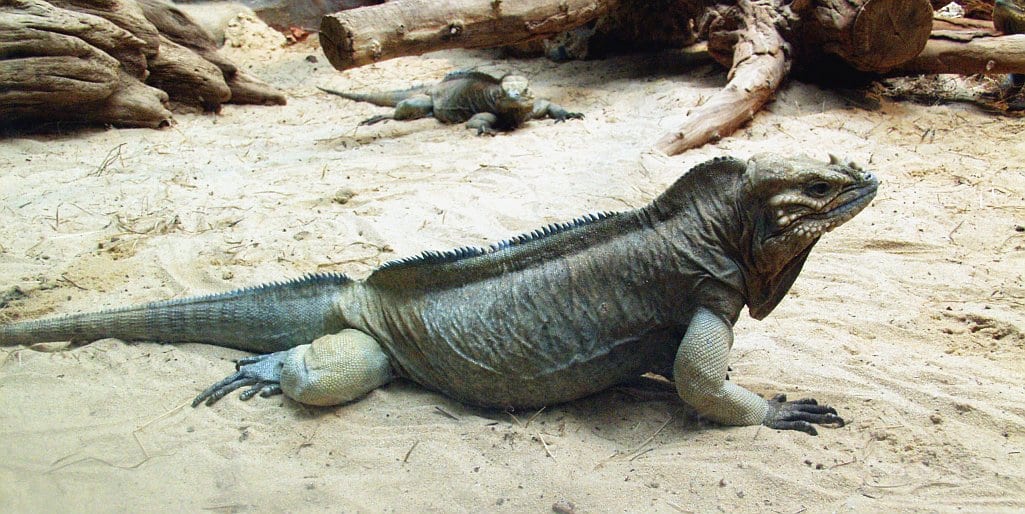
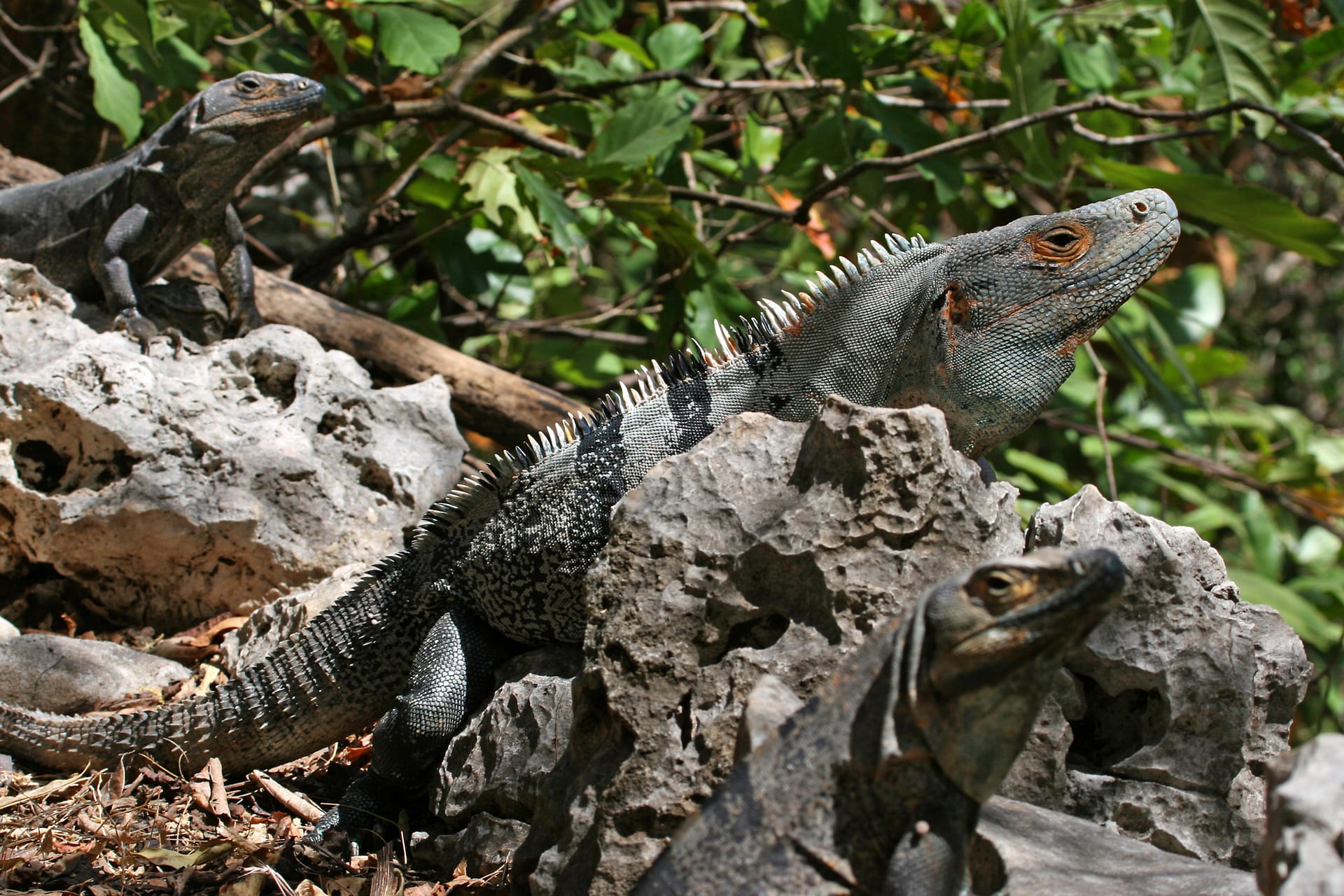
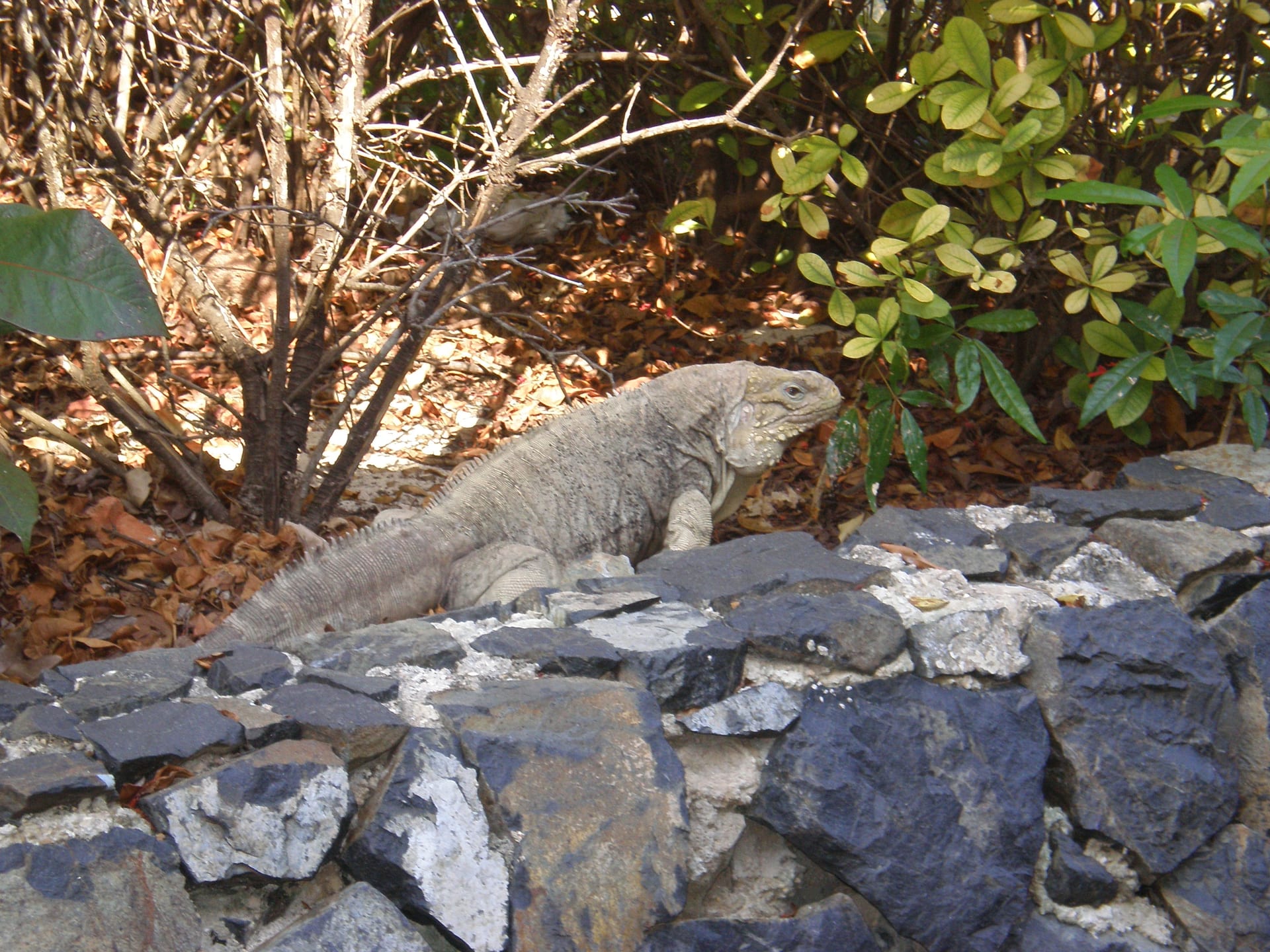
The second-largest of the West Indian rock iguanas, a herbivore with a thick tail and spiked jowls and one of the largest lizards in the Caribbean. Males range from dark grey to brick red and are markedly larger than females.
Difficulty
Advanced
Lifespan
60-70 years
Size
Average snout-vent length 40cm; males have been recorded at 1.6m total length, with females about two-thirds that size
Humidity
40〜70%
Diet
Mainly plant matter such as purslane, prickly pear, black mangrove and grasses, with animal matter taken occasionally
About
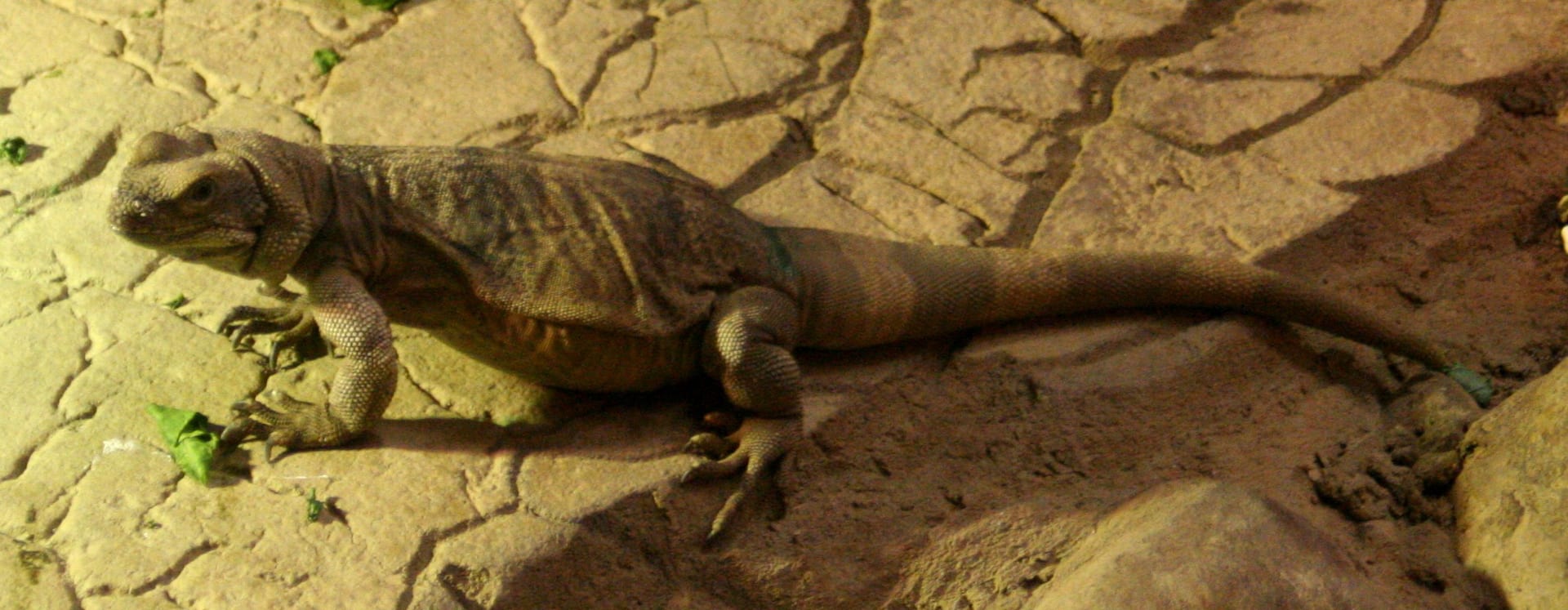
Cyclura nubila is a large iguanid lizard of Cuba and its surrounding islands. It is the second-largest of the West Indian rock iguanas after the blue iguana and one of the largest lizards in the Caribbean. Snout-vent length averages 40 cm, and males of 1.6 m total length have been recorded at the wildlife sanctuary within the Guantanamo Bay Naval Base, with females about two-thirds that size, so sexual dimorphism is pronounced. Males have enlarged femoral pores on the thighs, used to release pheromones that attract mates and mark territory, and their skin ranges from dark grey to brick red. The tail is thick and the jowls are spiked. It occupies rocky coastal areas of mainland Cuba and as many as 4,000 surrounding islets. It is strongly herbivorous, eating purslane, prickly pear, black mangrove, Harrisia cacti and grasses; colonies of nematodes, thought to aid digestion of this high-cellulose diet, occupy half the contents of its large intestine. Females guard their nest sites, and one population nests in holes excavated by Cuban crocodiles. Captive breeding and other conservation programmes have bolstered its numbers.
Source: Wikipedia (CC BY-SA 4.0)
Lifespan of the Cuban Rock Iguana
The Cuban Rock Iguana lives 60-70 years.
Size of the Cuban Rock Iguana
The Cuban Rock Iguana grows to Average snout-vent length 40cm; males have been recorded at 1.6m total length, with females about two-thirds that size.
Basic Info
Origin
Mainland Cuba and as many as 4,000 surrounding islets including Isla de la Juventud, with a subspecies on Little Cayman and Cayman Brac, and a feral population on Isla Magueyes, Puerto Rico
Lifespan
Care Specifications
Semi-aggressiveSolitaryBreeding: Hard
Sources: Reptiles Magazine: Cuban Rock Iguana Care Tips / Reptiles Magazine: Cuban Rock Iguana Breeding Basics / Wikipedia (English) / Reptile Database
References & Sources
Edited & verified by: BreederDirect editorial team
The taxonomic, regulatory, and husbandry data on this page are compiled and verified against the authoritative primary sources below.
Taxonomy & Authority
Accepted name: Cyclura nubila (Gray, 1831)
Synonyms: Iguana nubila Gray, 1830, Cyclura macleayii Gray, 1845, Cyclura caymanensis Barbour & Noble, 1916, Cyclura harlani Duméril & Bibron
Authority databases: GBIF · Reptile Database
Nomenclature follows global taxonomic authority databases.
Regulations & Conservation Status
CITES Appendix IIUCN VU · Vulnerable
Listed in CITES Appendix I since June 6, 1981. It qualifies as a species designated as rare and endangered wildlife under the Act on Conservation of Endangered Species of Wild Fauna and Flora, and individual registration certificates are required for any transfers or transactions within Japan. Buying, selling, or transferring individuals without a registration certificate constitutes a violation of the Act. It is neither a specially designated animal listed in the regulations under the Act on Welfare and Management of Animals nor a specific alien species under the Alien Species Act.
Sources: CITES Appendices (Cyclura nubila, Appendix I, effective 6 June 1981) / IUCN Red List
Regulations may change. Always verify the latest information with the relevant authorities.
Cuban Rock Iguana Listings
Loading latest listingsFind listings for this species