Source: Wikimedia Commons
Dumeril's Boa
IntermediateAcrantophis dumerili
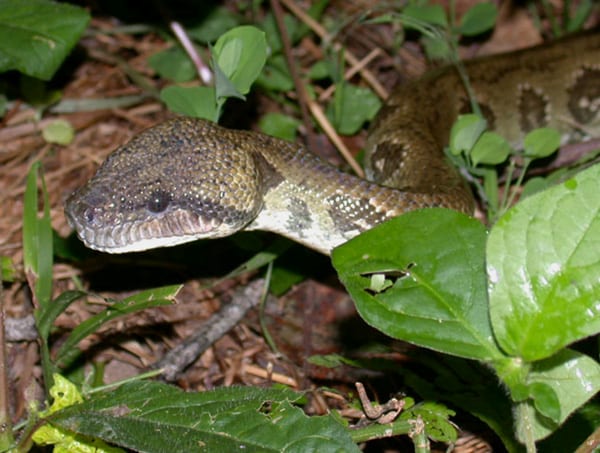
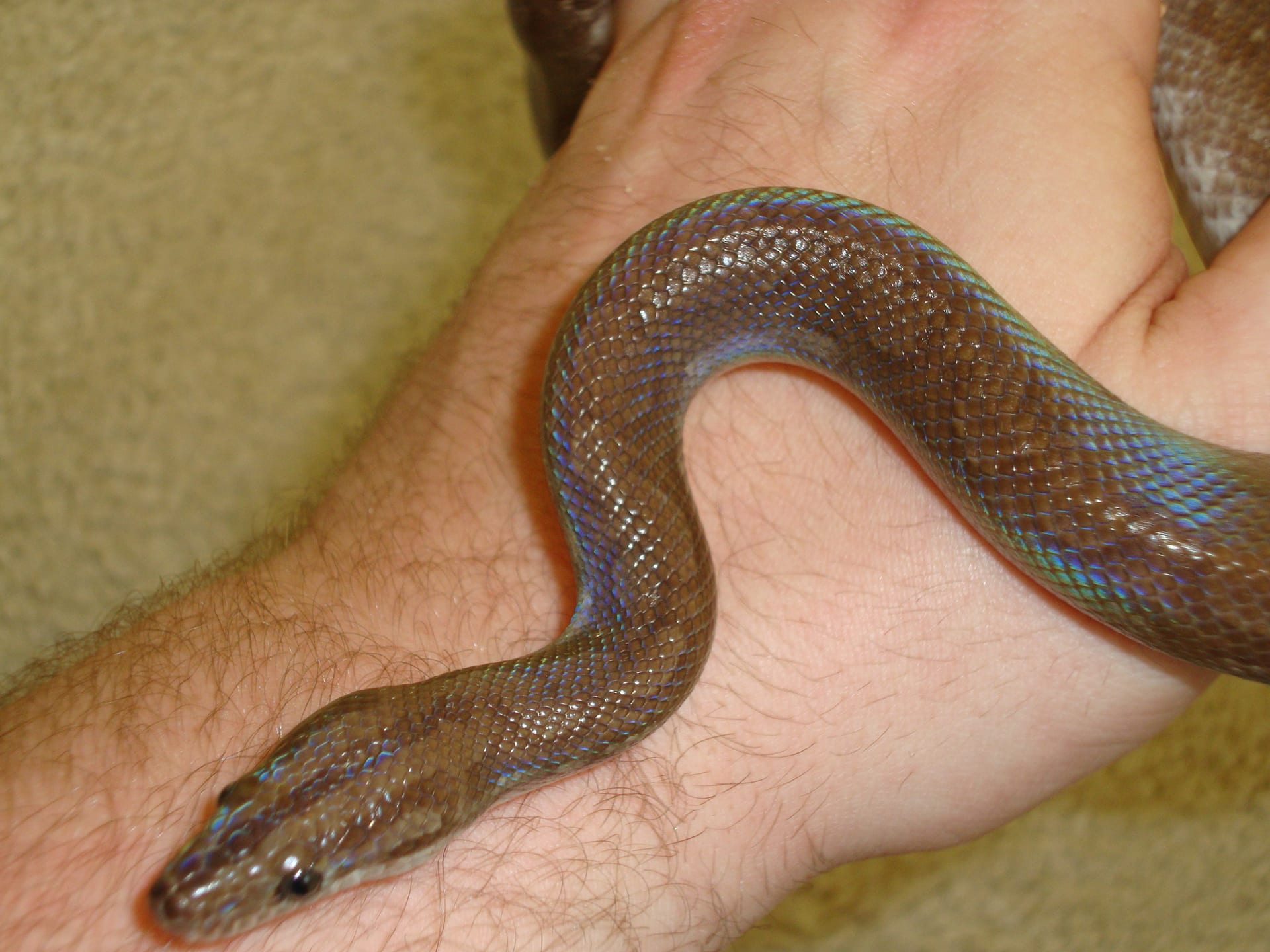
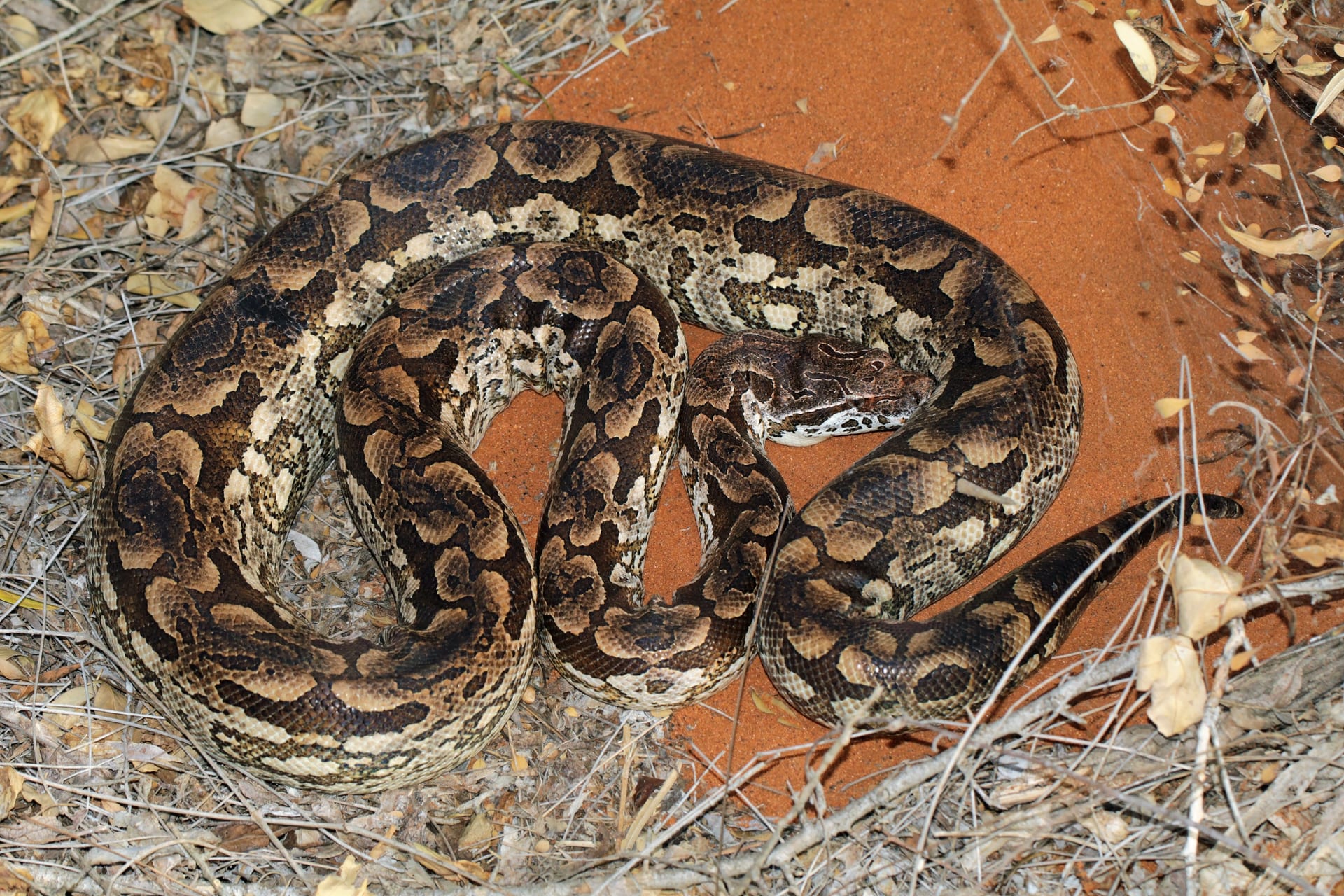
A terrestrial boa endemic to the semi-arid forests of western and south-western Madagascar. Its grey-brown ground colour with darker patches mimics leaf litter, and although it grows to about 2 m it is calm and slow-moving.
Difficulty
Intermediate
Temperature
21〜31℃
Lifespan
20-30 years
Size
Usually about 200cm, maximum 259cm
Humidity
40〜60%
Diet
Thawed frozen rats and mice
About
Acrantophis dumerili is a boid endemic to the semi-arid forests of western and south-western Madagascar. Adults usually reach about 2 m, with a maximum recorded length of 259 cm. The grey-brown ground colour with darker patches is highly effective camouflage against the leaf litter of its habitat. Males have longer, thinner tails while females are larger overall. It is largely terrestrial, sheltering in leaf litter, loose soil and rocky ground, and will use burrows dug by other animals. It feeds on birds, lizards and small mammals, with records of juvenile lemurs and other snakes, hunting opportunistically by day or night. Sexual maturity comes at three to five years; mating runs from March to May and females give birth six to eight months later to litters of 6 to 28. It is listed on CITES Appendix I.
Source: Wikipedia (CC BY-SA 4.0)
Lifespan of the Dumeril's Boa
The Dumeril's Boa lives 20-30 years.
Size of the Dumeril's Boa
The Dumeril's Boa grows to Usually about 200cm, maximum 259cm.
Temperature & humidity for the Dumeril's Boa
The ideal temperature for the Dumeril's Boa is 21〜31℃. Ideal humidity is 40〜60%.
Basic Info
Origin
Western to south-western Madagascar, in semi-arid forest with low rainfall, among leaf litter, loose soil and rocky ground
Lifespan
20-30 years
Care Specifications
PeacefulSolitaryBreeding: Moderate
Sources: ReptiFiles: Dumeril's Boa Care / Reptiles Magazine: Dumeril's Boa Care Sheet / Wikipedia (English)
References & Sources
Edited & verified by: BreederDirect editorial team
The taxonomic, regulatory, and husbandry data on this page are compiled and verified against the authoritative primary sources below.
Primary sources
- Wikipedia
- CITES Appendices (Acrantophis dumerili, Appendix I, effective 4 February 1977)
- IUCN Red List
- Act on Conservation of Endangered Species of Wild Fauna and Flora (registration of internationally endangered species)
- ReptiFiles: Dumeril's Boa Care
- Reptiles Magazine: Dumeril's Boa Care Sheet
- GBIF
- Reptile Database
Taxonomy & Authority
Accepted name: Acrantophis dumerili Jan, 1860
Synonyms: Boa dumerili (Jan, 1860), Acrantophis madagascariensis dumerili
Authority databases: GBIF · Reptile Database
Nomenclature follows global taxonomic authority databases.
Regulations & Conservation Status
CITES Appendix IIUCN LC · Least Concern
Listed in Appendix I since February 4, 1977 (Species+). As an Appendix I species, it constitutes an internationally rare wild fauna and flora species in Japan, and a registration certificate based on the Species Conservation Law is required for transfer, delivery, or exhibition. This species is not included in the designated animals listed in the Ordinance for the Enforcement of the Law Concerning the Protection and Management of Animals.
Sources: CITES Appendices (Acrantophis dumerili, Appendix I, effective 4 February 1977) / IUCN Red List / Act on Conservation of Endangered Species of Wild Fauna and Flora (registration of internationally endangered species)
Regulations may change. Always verify the latest information with the relevant authorities.
Dumeril's Boa Listings
Loading latest listingsFind listings for this species