Source: Wikimedia Commons
Common Chuckwalla
IntermediateSauromalus ater
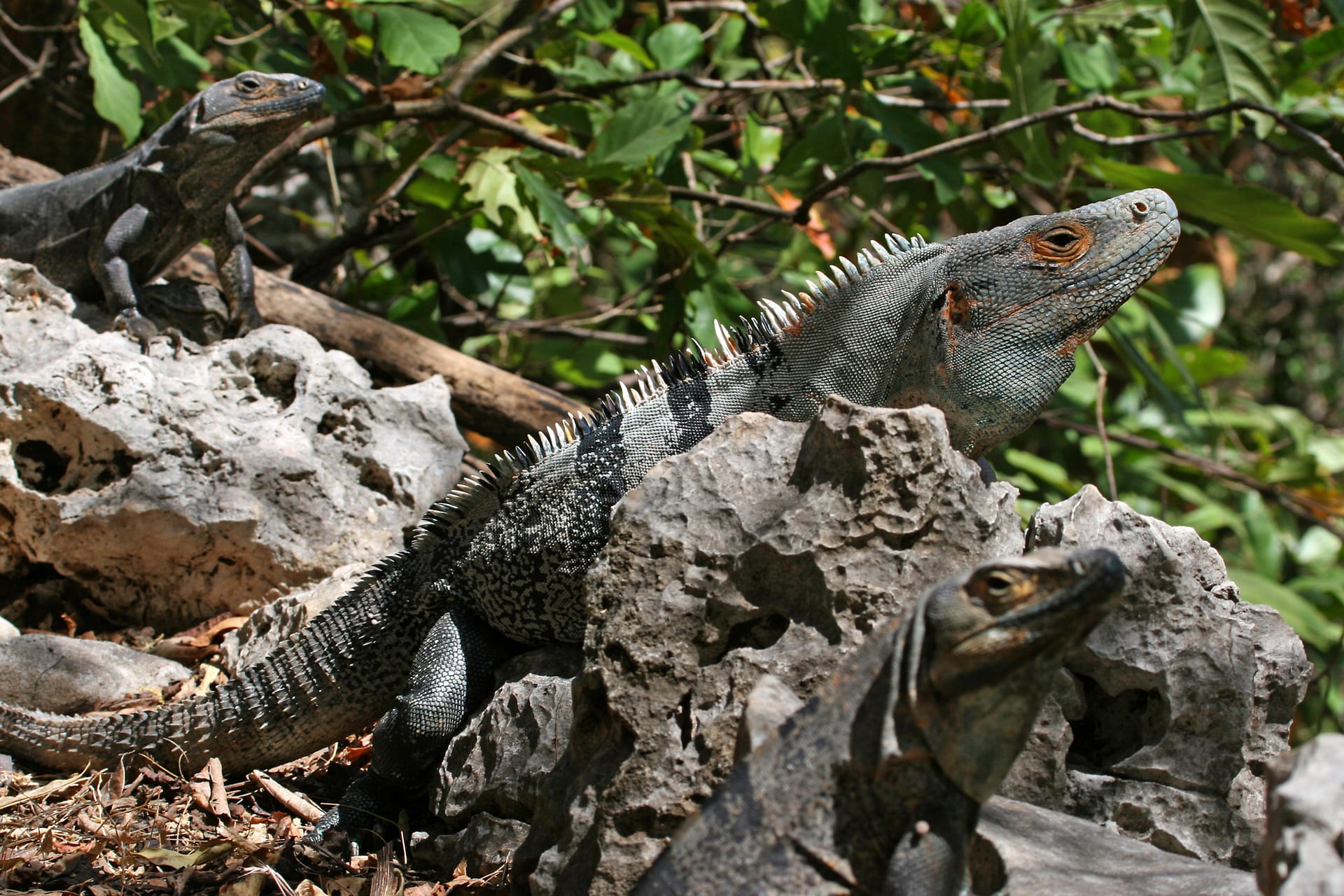
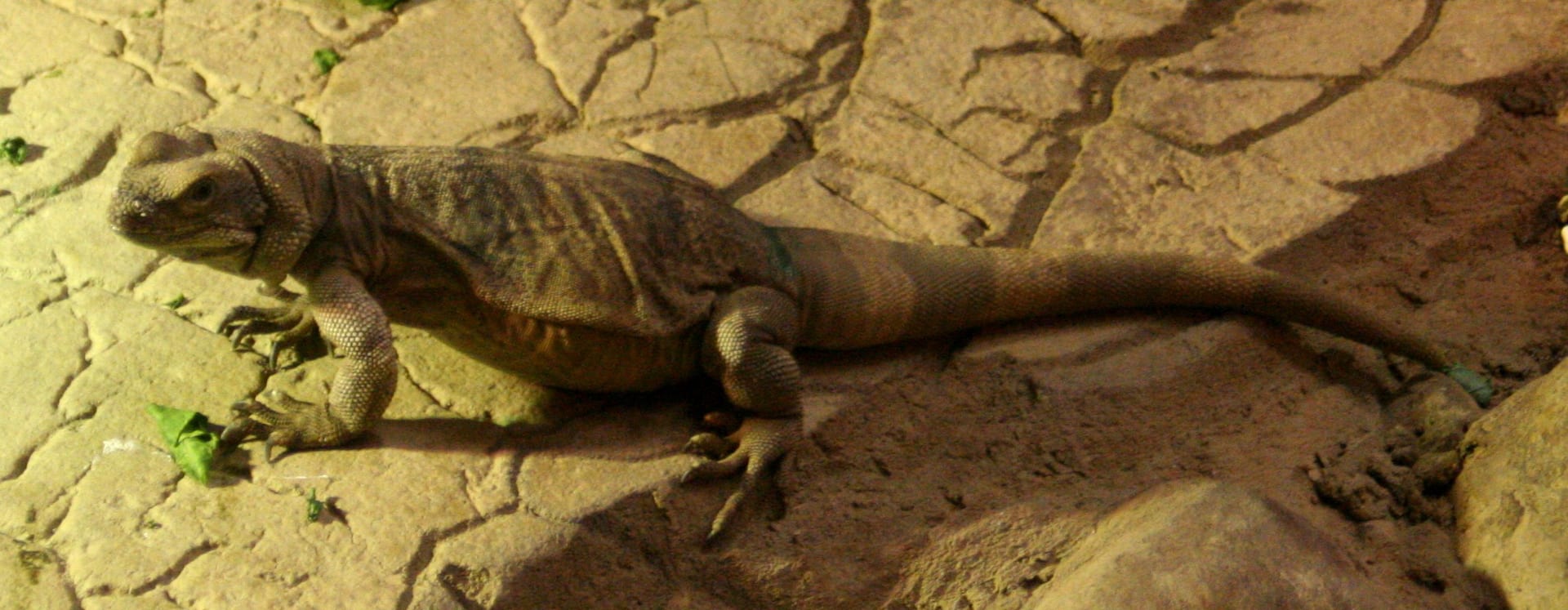
A large, flat-bodied, round-bellied lizard of rocky North American desert, reaching 51 cm. When threatened it retreats into a rock crevice and inflates its lungs to wedge itself in place so that a predator cannot pull it out.
Difficulty
Intermediate
Lifespan
Up to about 30 years
Size
Up to 51cm total length and 0.9kg
Humidity
15〜65%
Diet
Mainly plant matter such as leaves, flowers and fruit, with occasional insects
About
Sauromalus ater is a large iguanid lizard of the Sonoran and Mojave Deserts of North America. Colour varies with locality, age and sex: adult males have black head, shoulders and pelvic region with a light tan, brown-speckled midbody, while adult females are brownish with scattered dark red spots. Juveniles carry four or five broad bands on the body and three or four on the tail, which males lose with age. Harmless to people, it runs from threats into rock crevices and then inflates its lungs with a gular pump, distending its body so that it is wedged firmly in place and cannot be pulled out. It is diurnal and spends much of the morning basking, changing its basking posture with the season. Males are seasonally and conditionally territorial, communicating with push-ups, head-bobbing and gaping. It is primarily herbivorous, eating creosote bush flowers, leaves and fruit.
Source: Wikipedia (CC BY-SA 4.0)
Lifespan of the Common Chuckwalla
The Common Chuckwalla lives Up to about 30 years.
Size of the Common Chuckwalla
The Common Chuckwalla grows to Up to 51cm total length and 0.9kg.
It reaches 51 cm in total length and 0.9 kg in weight, with a flattened body, rounded belly and a wide-based, blunt-tipped tail.
Basic Info
Origin
The Sonoran and Mojave Deserts of the south-western United States and north-western Mexico
Lifespan
Up to about 30 years
Size
Care Specifications
PeacefulSolitaryBreeding: Hard
Sources: ReptiFiles: Common Chuckwalla Care Sheet / The Bio Dude: Chuckwalla Caresheet and Bioactive Habitat Maintenance / Wikipedia (English) / Reptile Database
References & Sources
Edited & verified by: BreederDirect editorial team
The taxonomic, regulatory, and husbandry data on this page are compiled and verified against the authoritative primary sources below.
Taxonomy & Authority
Accepted name: Sauromalus ater Duméril, 1856
Synonyms: Sauromalus obesus Baird, 1858, Sauromalus australis Shaw, 1945, Sauromalus shawi Cliff, 1958
Authority databases: GBIF · Reptile Database
Nomenclature follows global taxonomic authority databases.
Regulations & Conservation Status
Not CITES-listedIUCN LC · Least Concern
Not listed in the CITES appendices (not registered in Species+). While Sauromalus varius of the same genus is listed in Appendix I, this species is not subject to listing. It is neither a specially designated animal listed in the regulations under the Act on the Welfare and Management of Animals nor a specific alien species under the Alien Species Act.
Sources: CITES Appendices (species not listed) / IUCN Red List
Regulations may change. Always verify the latest information with the relevant authorities.
Common Chuckwalla Listings
Loading latest listingsFind listings for this species