Source: Wikimedia Commons
Trans-Pecos Rat Snake
BeginnerBogertophis subocularis
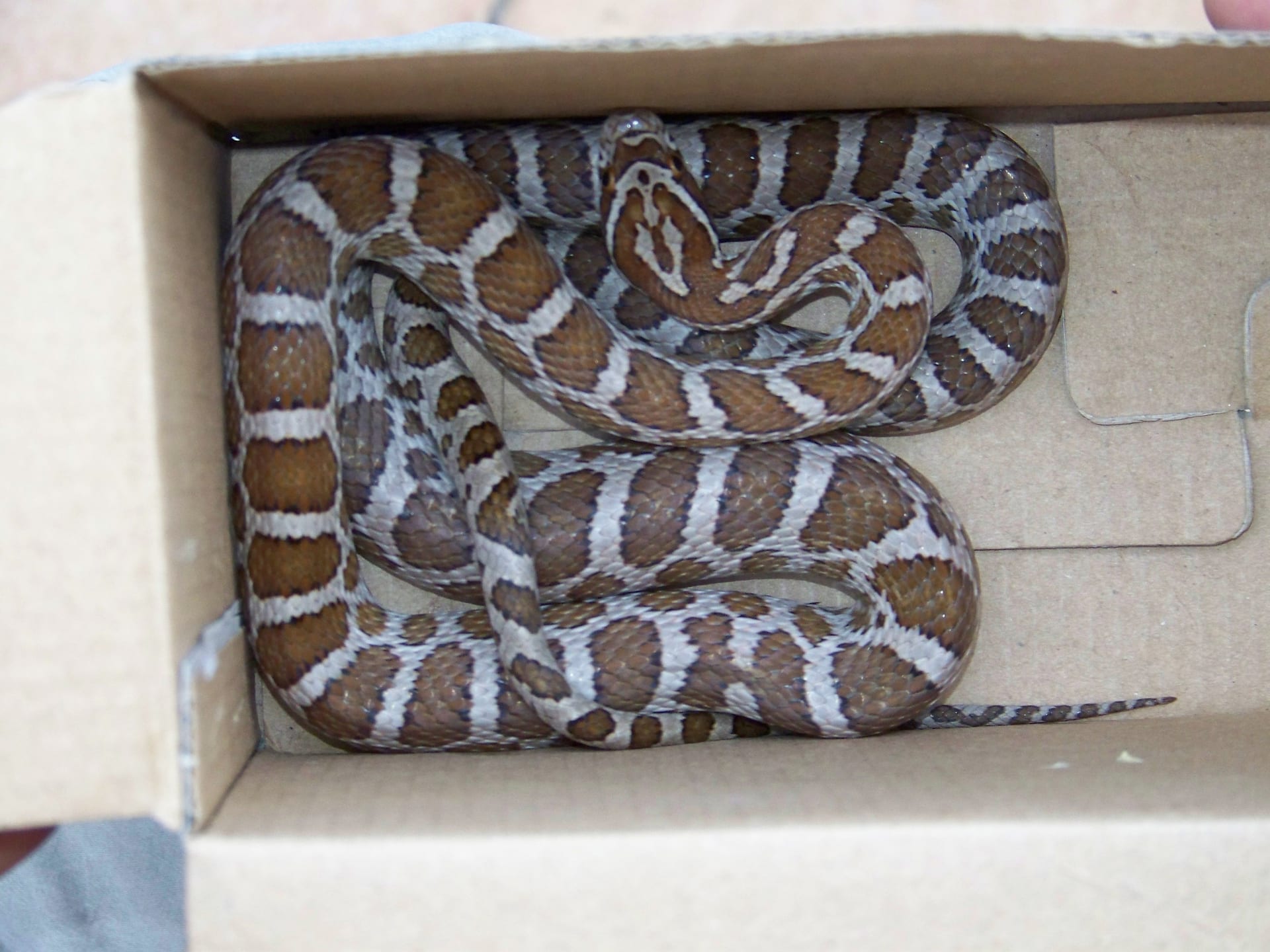
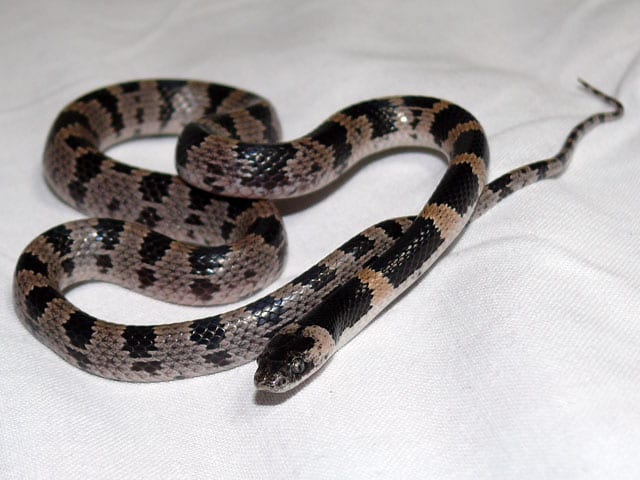
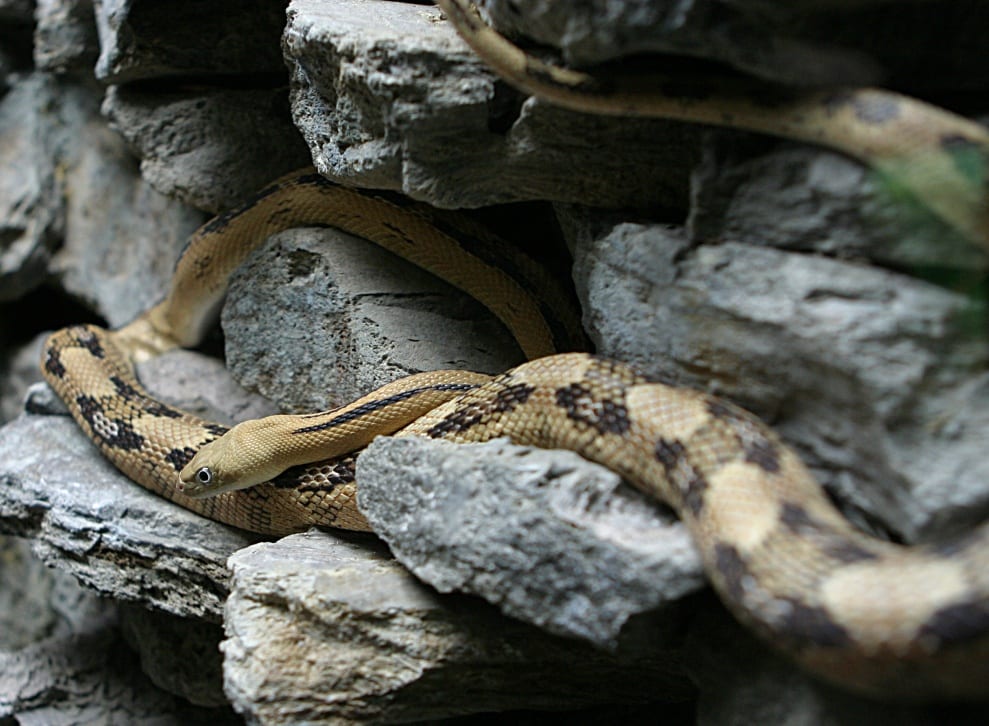
A desert colubrid, yellow to tan with a series of black or dark brown H-shaped markings. A row of small scales, the suboculars, separates the lower edge of the eye from the upper labials, the feature behind its epithet. The eyes are large and prominent with round pupils.
Difficulty
Beginner
Lifespan
15-20 years
Size
90-137cm total length, with a record of 168cm
Humidity
40〜50%
Diet
Carnivorous: small vertebrates such as birds and small mammals; juveniles take lizards
About
The Trans-Pecos rat snake (Bogertophis subocularis) is a colubrid endemic to the Chihuahuan Desert. It is usually 90-137 cm long, with a record of 168 cm; juveniles are slender and thicken with age. The back is yellow to tan with a series of black or dark brown H-shaped markings that may join up, often forming two black stripes on the neck and growing closer together towards the tail, while the belly is white. A pale form known as the blonde has a reduced, net-like pattern. The eyes are large and prominent, a light iris contrasting with a round black pupil, well suited to hunting by sight at night, and the tongue is pink. There are 31-35 rows of dorsal scales at midbody, 260-277 ventrals and 69-79 subcaudals. Nocturnal, it escapes the heat by day in rock crevices and burrows dug by other animals. Rarely encountered in the wild, it tames readily in captivity and is placid and easy to handle. Clutches are of three to seven eggs, up to a maximum of twelve.
Source: Wikipedia (CC BY-SA 4.0)
Lifespan of the Trans-Pecos Rat Snake
The Trans-Pecos Rat Snake lives 15-20 years.
Size of the Trans-Pecos Rat Snake
The Trans-Pecos Rat Snake grows to 90-137cm total length, with a record of 168cm.
Basic Info
Origin
The Chihuahuan Desert in the United States (western Texas and southern New Mexico) and Mexico (north-eastern Chihuahua, Coahuila, north-eastern Durango and Nuevo Leon), on desert flats, brushy slopes and rocky outcrops
Lifespan
15-20 years
Size
Care Specifications
PeacefulSolitaryBreeding: Moderate
Sources: Reptiles Magazine: Trans-Pecos Rat Snake Natural History and Captive Care / Reptiles Magazine: Breeding Trans-Pecos Rat Snakes / Wikipedia (Japanese)
References & Sources
Edited & verified by: BreederDirect editorial team
The taxonomic, regulatory, and husbandry data on this page are compiled and verified against the authoritative primary sources below.
Taxonomy & Authority
Accepted name: Bogertophis subocularis (Brown, 1901)
Synonyms: Coluber subocularis Brown, 1901, Elaphe subocularis (Brown, 1901), Elaphe sclerotica Smith, 1941
Authority databases: GBIF · Reptile Database
Nomenclature follows global taxonomic authority databases.
Regulations & Conservation Status
Not CITES-listedIUCN LC · Least Concern
Not listed in any CITES appendix (not recorded in Species+). IUCN Red List assessment: Least Concern (LC). This species is not included in either the specified animals listed in the appended table of the Ordinance for Enforcement of the Animal Welfare and Management Law, nor the specified invasive alien species under the Ordinance for Enforcement of the Invasive Alien Species Act.
Sources: CITES Species+ (species not listed) / IUCN Red List
Regulations may change. Always verify the latest information with the relevant authorities.
Trans-Pecos Rat Snake Listings
Loading latest listingsFind listings for this species