Complete Reptile Transportation Guide | Veterinary Visits, Events, and Moving
We explain transportation containers by species (snakes, lizards, turtles), temperature management, and precautions for moving by car and train.
Key Takeaways
We explain transportation containers by species (snakes, lizards, turtles), temperature management, and precautions for moving by car and train.
Related Species
If you keep reptiles, there will be times when you need to transport them—for veterinary visits, event participation, or moving. Since reptiles are ectothermic animals, transportation is a major source of stress, making proper preparation and management essential. The optimal transportation method varies by species, and incorrect methods can even be life-threatening. This article systematically covers the knowledge needed for safe reptile transportation.
Choosing Transportation Containers by Species
The optimal transportation container varies greatly depending on the reptile species. Selecting a container suited to each animal's body shape and habits is the first step toward safe transportation.
- Snakes: A fabric bag (snake bag) is standard. A mesh laundry bag can also be used. Ideally, place the bagged snake inside a foam box or plastic container for a double-layer structure. Tie the bag opening securely so it doesn't come undone.
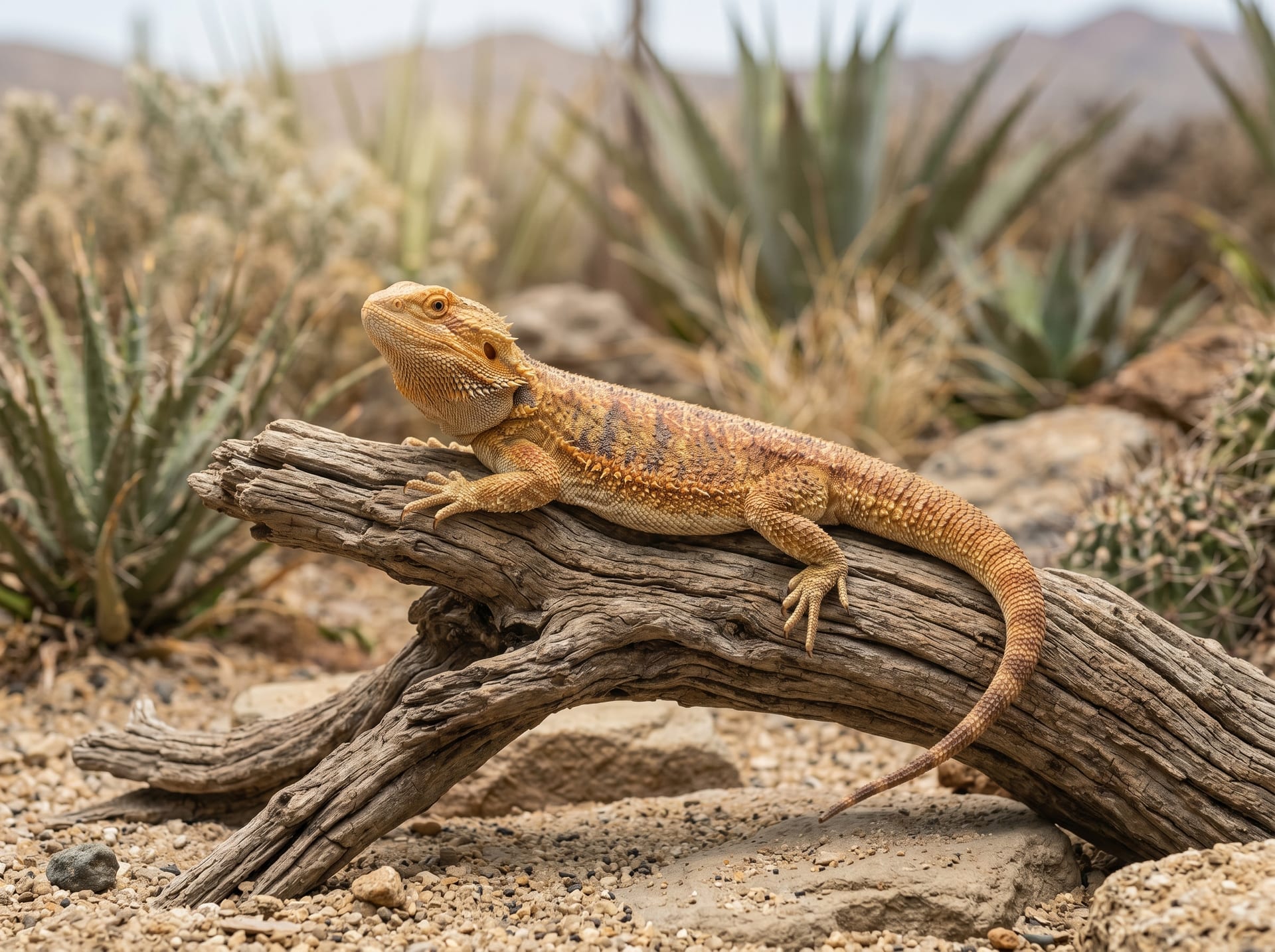
- Lizards: Plastic containers or small plastic cases are suitable. Line the interior with newspaper or paper towels so the animal's claws have something to grip. Ensure ventilation holes in the lid. Large species like bearded dragons can also use pet carriers designed for dogs and cats.
- Turtles: For aquatic turtles, place them in a plastic container lined with a damp towel with the water drained out. For terrestrial turtles, use a cardboard box lined with towels or newspaper. In both cases, use a non-slip material on the bottom to prevent tipping during transport.
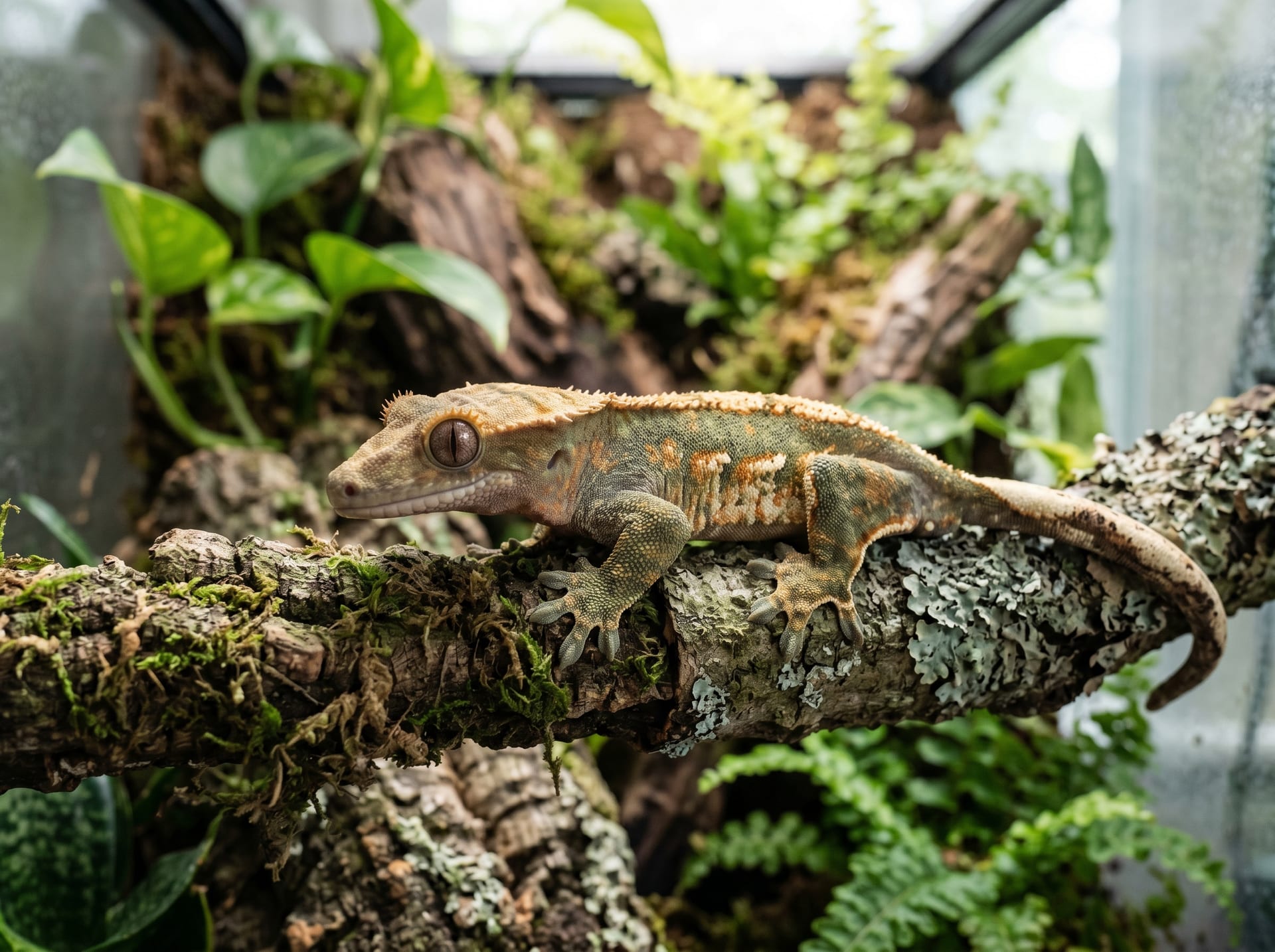
- Geckos: Small plastic cups or deli containers are convenient. Make small pinhole ventilation holes in the lid. For wall-climbing geckos (such as crested geckos), place perches or paper towels inside.
Basic Principles of Temperature Management
Since reptiles are ectothermic, temperature management during transport is the most critical factor. Temperatures outside the proper range can cause health issues even in short periods.
- Winter (15°C or below) heating: Disposable heat packs are standard. However, wrap them in a towel to prevent direct contact with the container. Since heat packs consume oxygen, never use them in sealed containers. It's safest to attach them to the outside of a foam box.
- Summer (30°C or above) cooling: Wrap ice packs in a towel for use. To prevent overcooling, place them on only one side of the container to create a temperature gradient. Never leave the animal unattended in a vehicle.
- Temperature monitoring: Place a digital thermometer inside the container to monitor constantly. Recent years have seen the rise of small Bluetooth-enabled temperature and humidity sensors that allow real-time recording and monitoring of temperature changes during transport via smartphone.
- Ideal transport temperature: For most reptiles, 25–28°C is the target range. Adjust slightly higher for desert-dwelling species and slightly lower for high-altitude species.
Precautions for Car Transportation
Car transportation is the most controllable method for reptiles. While temperature management and space allocation are relatively easy, there are several important precautions.
- Placement: The passenger side floor or rear seat provides stability. If placing on a seat, secure it with a seatbelt or use a non-slip mat. Avoid the trunk due to temperature fluctuations.
- Air conditioning management: Keep the car interior at 25–28°C. Position the container so air conditioning vents don't blow directly on it. In winter, turn on heating early to warm the car.
- Vibration dampening: Place towels and cushions around the container to absorb vibrations. Practice safe driving by avoiding sudden braking and sharp turns.
- Rest stop precautions: Never leave the animal unattended in the car with the engine off. Especially during recent extreme heat waves, it's not uncommon for in-car temperatures to exceed 50°C within minutes in summer. When stopping at convenience stores, keep the air conditioning on or bring the animal with you.
- Water management for aquatic turtles: Generally, don't include water even for long-distance moves. Water creates stress due to sloshing and makes temperature control difficult. Prepare a water area immediately upon arrival.
Transportation by Train and Public Transit
Moving reptiles by public transit requires consideration for other passengers and familiarity with regulations. Most railway companies have established rules for bringing small animals aboard.
- Railway company regulations: JR requires a handling charge (around 290 yen) for small animals. There's a size limit on containers (120 cm or less in combined dimensions, 10 kg or less in weight). Private railways have similar rules, so confirm in advance.
- Container requirements: Use a container where the contents are not visible from outside. A plastic container placed in a cloth bag or carrier is appropriate. It's important to be considerate of other passengers.
- Timing: If possible, avoid rush hour. In crowded trains, there's a risk of the container being crushed.
- Handling vibrations: Hold it on your lap or place it securely at your feet. Don't use overhead racks due to fall risk.
- Taxis and ride-sharing apps: For short distances, taxis are least stressful. Recent years have seen ride-sharing apps increasingly offer the ability to pre-select vehicles that allow pets or animals. Confirming this before booking makes for a smoother experience.
For Long-Distance Moves
Long-distance moves require thorough advance planning. Develop strategies based on the distance and expected travel time.
- Preparation several days in advance: Stop feeding 3 days before moving (to reduce the risk of regurgitation of partially digested food). For snakes, it's better to stop feeding 5 days before. Water can be provided up until the day before.
- Packing husbandry equipment: Pack cages, lights, and heaters separately. Handle glass cages with special care. Group items together so you can set them up immediately upon arrival.
- Setting up the new environment: In the new residence, set up the cage before bringing in the animal, and stabilize temperature and humidity first. Refrain from feeding for 24–48 hours after the move to allow the animal to settle.
- Managing multiple animals: Always keep each animal in a separate container. Some individuals become aggressive under stress, so cohabitation is strictly prohibited. Label containers to identify each animal.
- Professional services: For long distances, specialized pet transportation companies are an option. Since few companies handle reptiles, early booking is essential. Costs typically range from ¥10,000 to ¥50,000 depending on distance.
Handling Problems During Transport
Despite thorough preparation, unexpected problems can occur. Familiarize yourself with common issues and how to address them so you can respond calmly.
- Escape from the container: A double-layer container prevents escape to the outside. Avoid opening bags or case lids to check on the animal during transport.
- If vomiting occurs: Wipe out the container and replace the bedding with clean paper towels. After arrival, check for dehydration and provide a warm bath if needed.
- Temperature problems: If too cold, you can warm the container with your body heat as a temporary measure. If too hot, move to shade and slightly open the container for ventilation.
- Health issues after arrival: Even if you notice loss of appetite or reduced activity after transport, wait 2–3 days before taking action. If symptoms persist for a week or more, see a veterinarian experienced with exotic animals. Many veterinary clinics now offer online consultations and telemedicine, which can be used as an initial consultation before in-person visits.
Safe Transportation Support with BreederDirect
With BreederDirect, you can purchase reptiles directly from trusted breeders. Experienced breeders are also transportation professionals who deliver animals with proper packing and temperature management. A major benefit of purchasing is that you can consult directly with breeders about transportation methods and post-delivery care.