Source: Wikimedia Commons
Rhinoceros Iguana
AdvancedCyclura cornuta
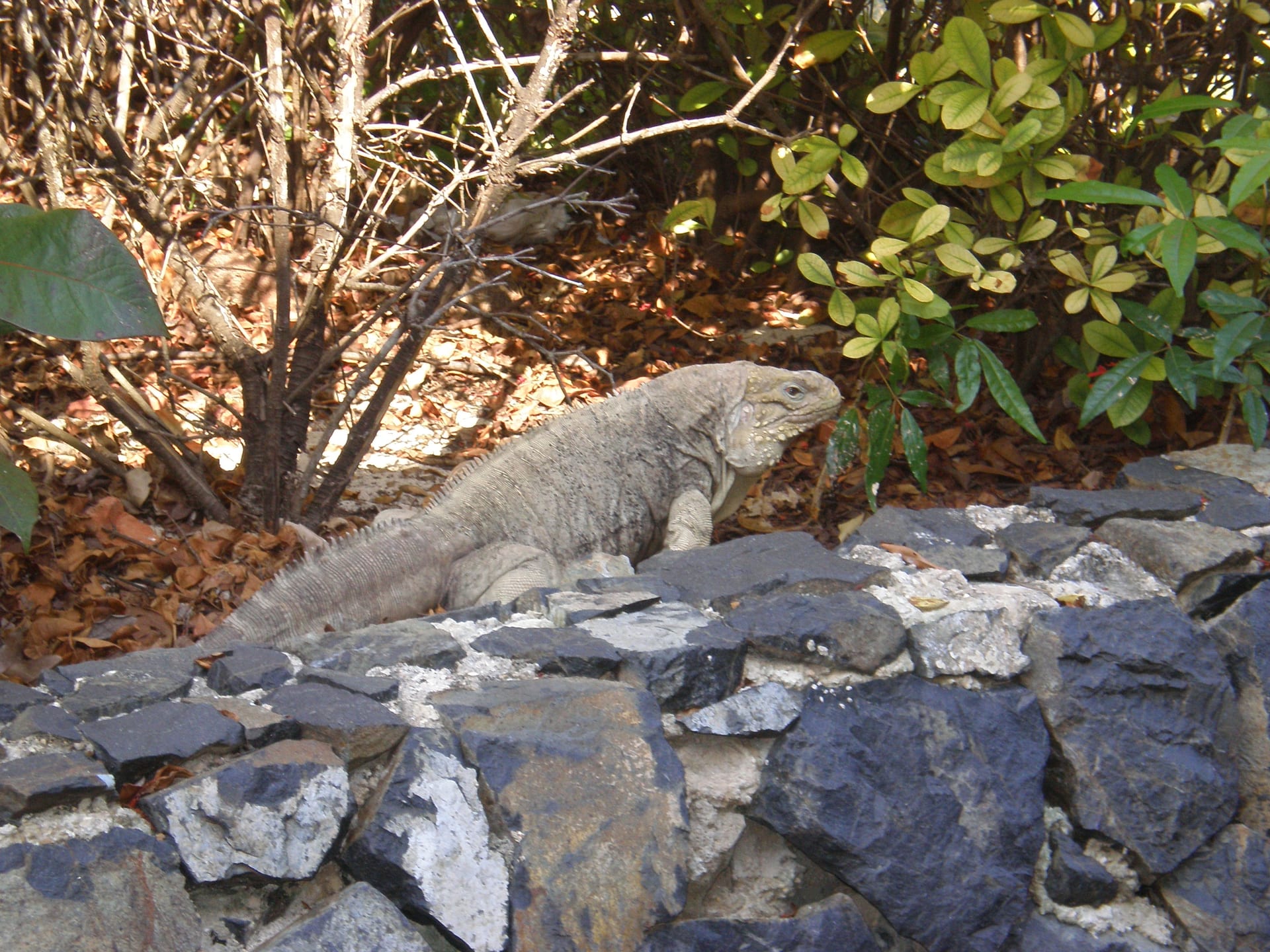
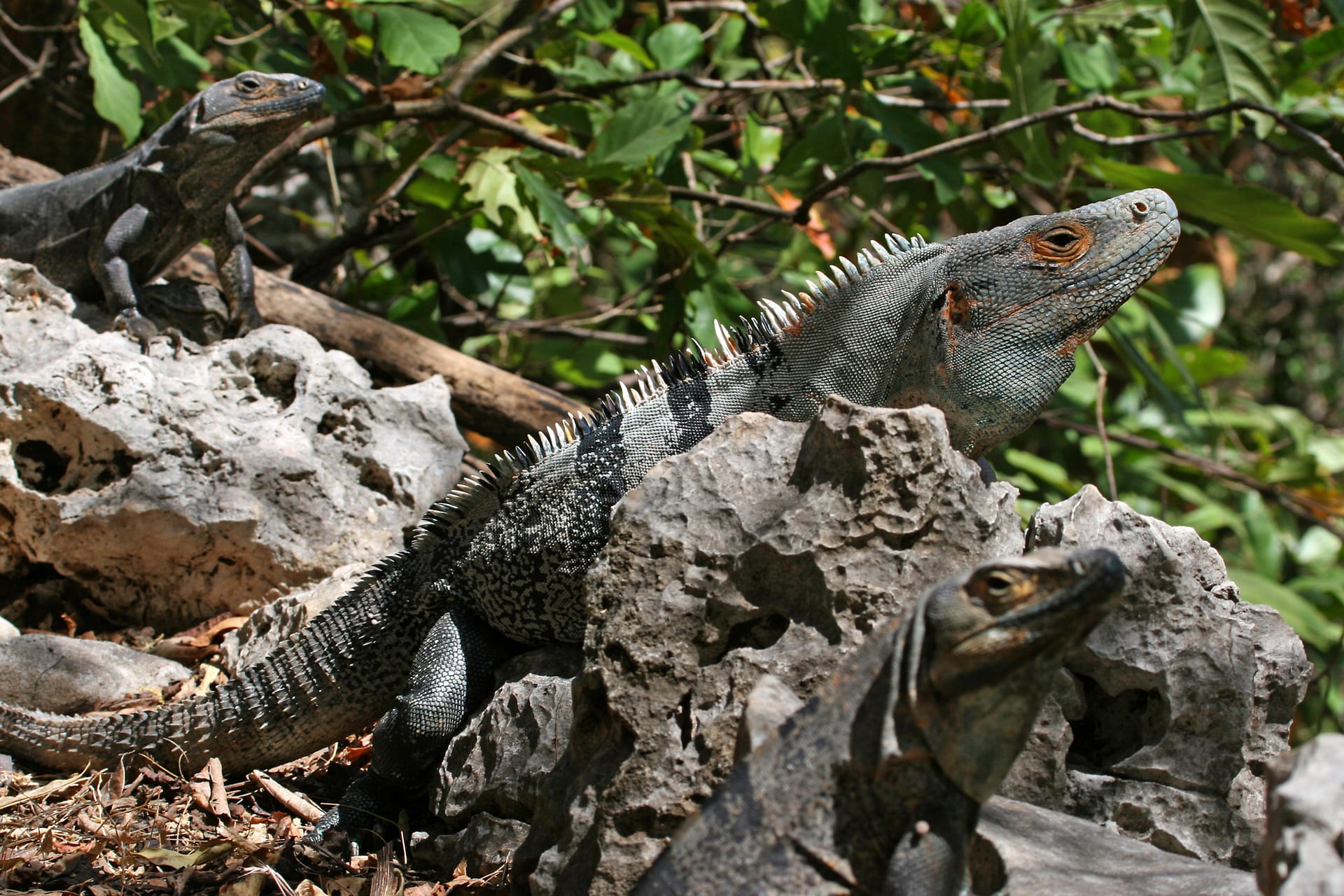
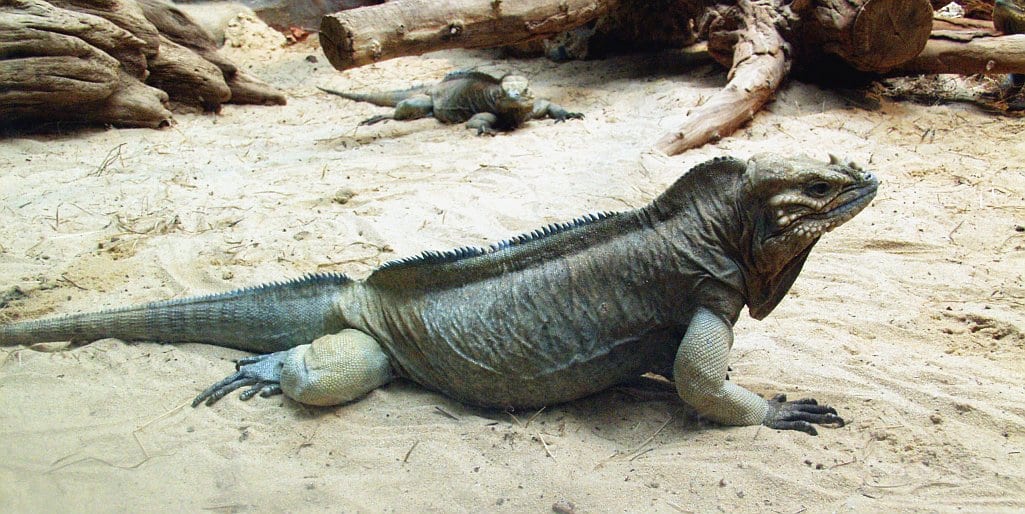
A large rock iguana with bony horn-like outgrowths on the snout, endemic to Hispaniola and its surrounding islands. It measures 60-136 cm, with a crest of pointed horned scales from the nape to the tail tip, and is herbivorous.
Difficulty
Advanced
Lifespan
50-70 years
Size
60-136cm; adults weigh 4.56-9kg
Humidity
40〜70%
Diet
Mainly plant matter such as leaves, flowers and fruit
About
Cyclura cornuta is a large iguanid lizard endemic to the Caribbean island of Hispaniola and its surrounding islands. It varies in length from 60 to 136 cm, and its colour ranges from steely grey through dark green to brown. Its name comes from the bony, horn-like outgrowths on the snouts of males. Like other rock iguanas it is heavy-bodied and heavy-headed with strong legs and a vertically flattened tail, and a crest of pointed horned scales runs from the nape of the neck to the tip of the tail. Most adults weigh 4.56 to 9 kilograms. The species was first identified by Pierre Joseph Bonnaterre in 1789. It is known to coexist with Ricord's iguana, Cyclura ricordii, and the two are the only rock iguanas known to do so. Habitat loss, introduced predators and capture for food and for trade have reduced its numbers, and the IUCN assesses it as Endangered. An introduced population exists in Florida.
Source: Wikipedia (CC BY-SA 4.0)
Lifespan of the Rhinoceros Iguana
The Rhinoceros Iguana lives 50-70 years.
Size of the Rhinoceros Iguana
The Rhinoceros Iguana grows to 60-136cm; adults weigh 4.56-9kg.
Basic Info
Origin
Hispaniola, shared by Haiti and the Dominican Republic, and surrounding islands including Beata, Saona, Cabritos and Mona; introduced to Florida
Lifespan
50-70 years
Size
60-136cm; adults weigh 4.56-9kg
Care Specifications
Semi-aggressiveSolitaryBreeding: Hard
Sources: Reptiles Magazine: Rhinoceros Iguana Care Info / Reptiles Magazine: Cyclura Species Rundown / Wikipedia (English) / Reptile Database
References & Sources
Edited & verified by: BreederDirect editorial team
The taxonomic, regulatory, and husbandry data on this page are compiled and verified against the authoritative primary sources below.
Taxonomy & Authority
Accepted name: Cyclura cornuta (Bonnaterre, 1789)
Synonyms: Lacerta cornuta Bonnaterre, 1789, Iguana cornuta, Metopoceros cornutus
Authority databases: GBIF · Reptile Database
Nomenclature follows global taxonomic authority databases.
Regulations & Conservation Status
CITES Appendix IIUCN EN · Endangered
Listed in CITES Appendix I since June 6, 1981. It qualifies as a species designated as rare and endangered wildlife under the Act on Conservation of Endangered Species of Wild Fauna and Flora, and individual registration certificates are required for any transfers or transactions within Japan. Buying, selling, or transferring individuals without a registration certificate constitutes a violation of the Act. It is neither a specially designated animal listed in the regulations under the Act on Welfare and Management of Animals nor a specific alien species under the Alien Species Act.
Sources: CITES Appendices (Cyclura cornuta, Appendix I, effective 6 June 1981) / IUCN Red List
Regulations may change. Always verify the latest information with the relevant authorities.
Rhinoceros Iguana Listings
Loading latest listingsFind listings for this species