Image: Charles J. Sharp / CC BY-SA 4.0 / Wikimedia Commons
Nile Monitor
AdvancedVaranus niloticus
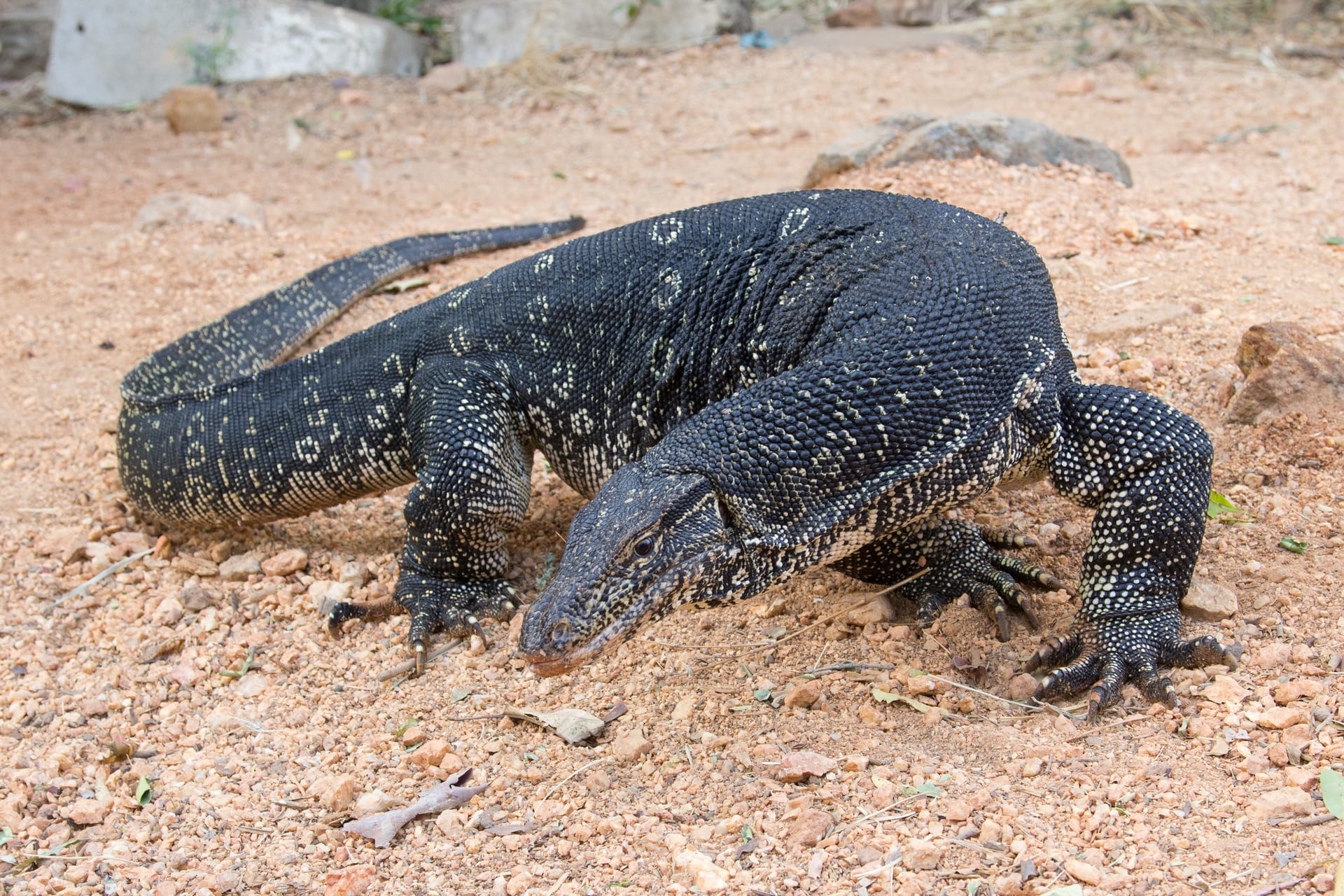
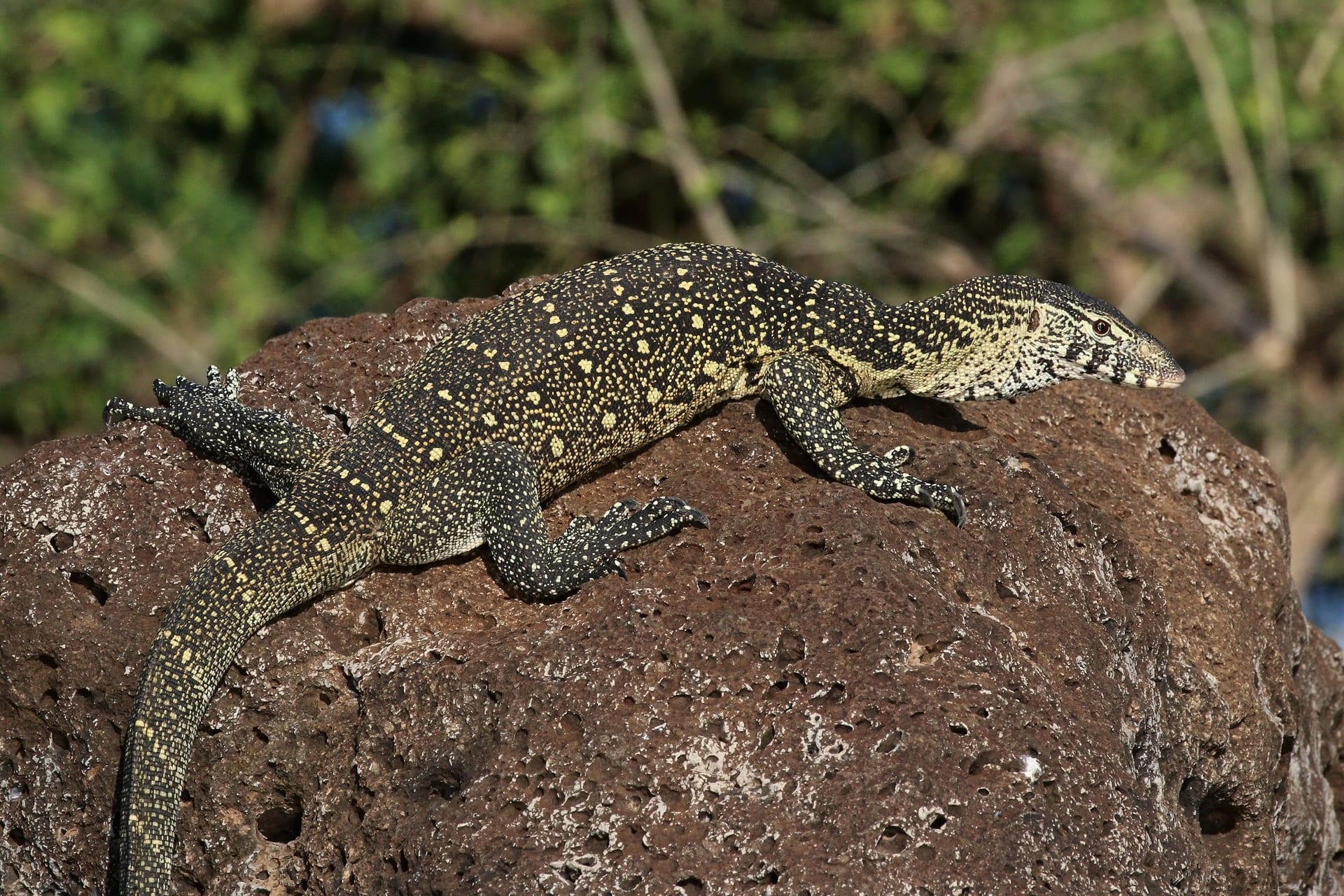
Africa's largest lizard, around 200 cm long with the largest reaching 244 cm. Bands of yellow ocelli mark a grey-brown to olive-brown ground colour. Powerful and temperamental, it is a species for experienced keepers only.
Difficulty
Advanced
Lifespan
15-20 years
Size
120-220cm, up to 244cm; snout-vent length up to about 80cm
Humidity
60%
Diet
Insects, fish and rodents; in captivity pre-killed prey is used
About
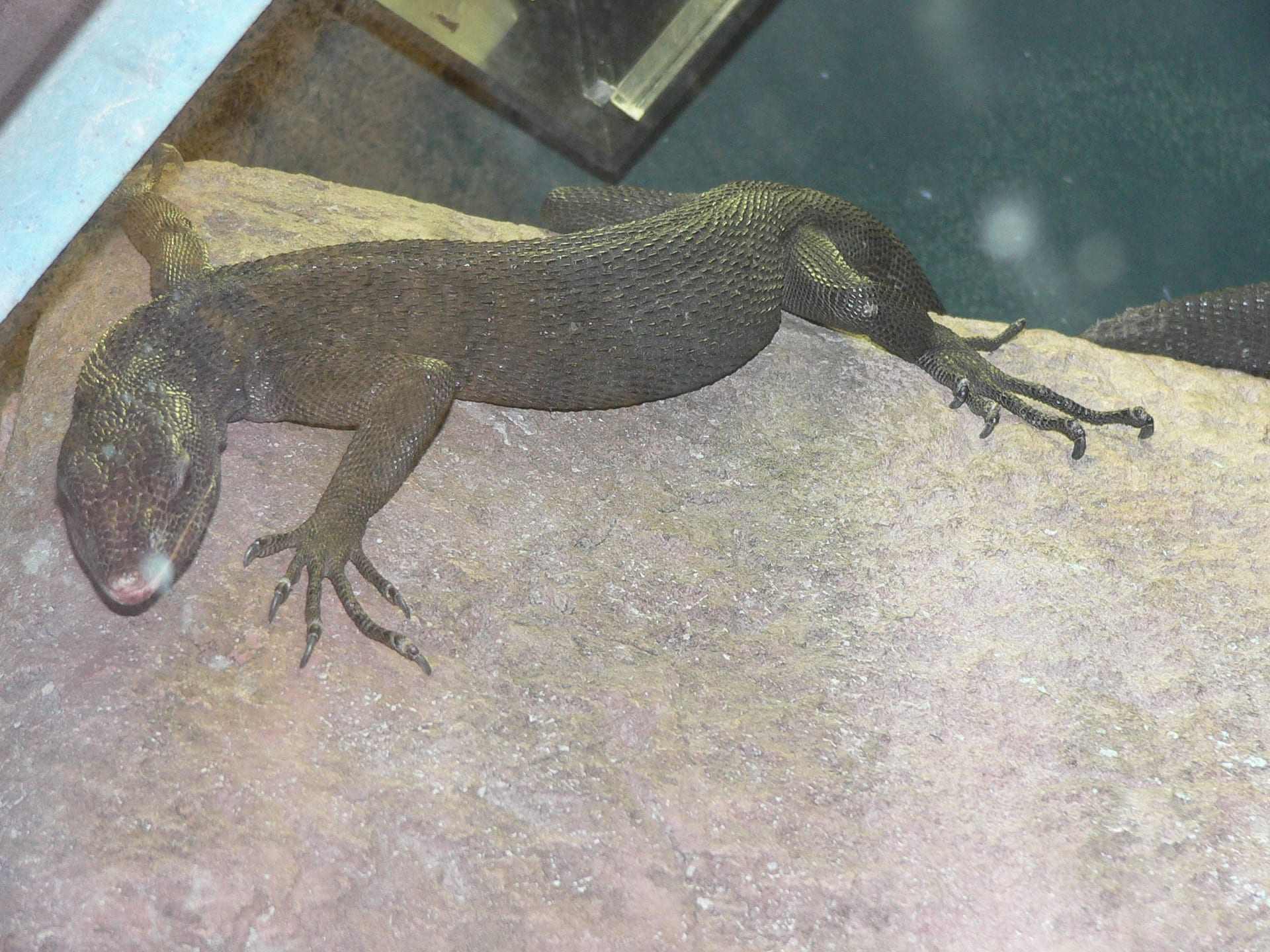
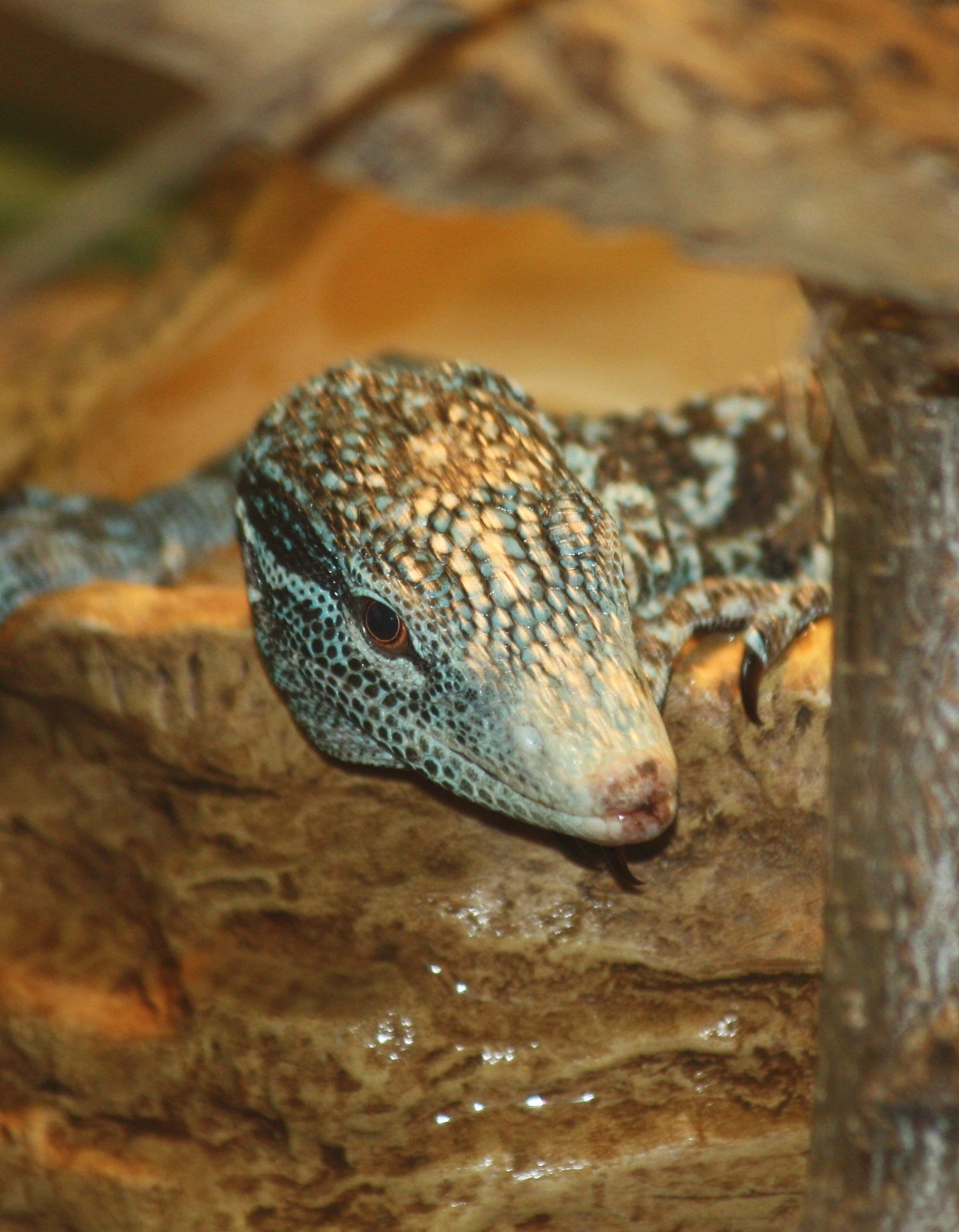
Varanus niloticus is a varanid lizard widely distributed across sub-Saharan Africa and the largest lizard in Africa. It commonly grows from 120 to 220 cm, with a record of 244 cm. The tail is laterally compressed with a low dorsal crest. Adults are grey-brown to olive-brown above with light yellow ocelli and bands on the head, back, limbs and tail, while the belly and throat are paler with black bars, and there are six to nine crossbands or rows of yellow ocelli between the fore and hind limbs. There are 136 to 183 scales around the midbody. It is most abundant in drier regions and along the Nile and its tributaries, and the West African forest and savannah populations are sometimes treated as separate species. Feral populations descended from escaped or released pets are established in southern Florida. Juveniles are strongly arboreal and climb actively, while large adults seldom leave the ground and like to soak and swim. Animals that are not properly conditioned puff the throat, lash with the tail and bite hard.
Source: Wikipedia (CC BY-SA 4.0)
Lifespan of the Nile Monitor
Nile Monitor lifespan: 15-20 years
Size of the Nile Monitor
Nile Monitor adult size: 120-220cm, up to 244cm; snout-vent length up to about 80cm
Basic Info
Origin
Most of sub-Saharan Africa and the Nile system; introduced and established in southern Florida
Lifespan
15-20 years
Size
120-220cm, up to 244cm; snout-vent length up to about 80cm
Care Specifications
AggressiveSolitaryBreeding: Hard
Sources: Reptiles Magazine: The Monitor Lizard Foursome For Expert Keepers / Reptiles Magazine: Nile Monitor / Wikipedia (English) / Reptile Database
References & Sources
Edited & verified by: BreederDirect editorial team
The taxonomic, regulatory, and husbandry data on this page are compiled and verified against the authoritative primary sources below.
Taxonomy & Authority
Accepted name: Varanus niloticus (Linnaeus, 1766)
Synonyms: Lacerta nilotica Linnaeus, 1766, Monitor niloticus (Linnaeus, 1766)
Authority databases: GBIF · Reptile Database
Nomenclature follows global taxonomic authority databases.
Regulations & Conservation Status
CITES Appendix IIIUCN LC · Least Concern
Varanus spp. (excluding species listed in Appendix I) are listed in CITES Appendix II. Because of Appendix II listing, an international CITES registration certificate is not required, but an export permit issued by the exporting country is necessary for importation. In Japan, only 2 species of Varanidae are designated as Specified Animals; this species is not included. It does not fall under Designated Invasive Species under the Invasive Species Act.
Sources: CITES Appendices (Varanidae spp., Appendix II) / IUCN Red List
Regulations may change. Always verify the latest information with the relevant authorities.
Nile Monitor Listings
Loading latest listingsFind listings for this species