Source: Wikimedia Commons
East Indian Leopard Gecko
IntermediateEublepharis hardwickii
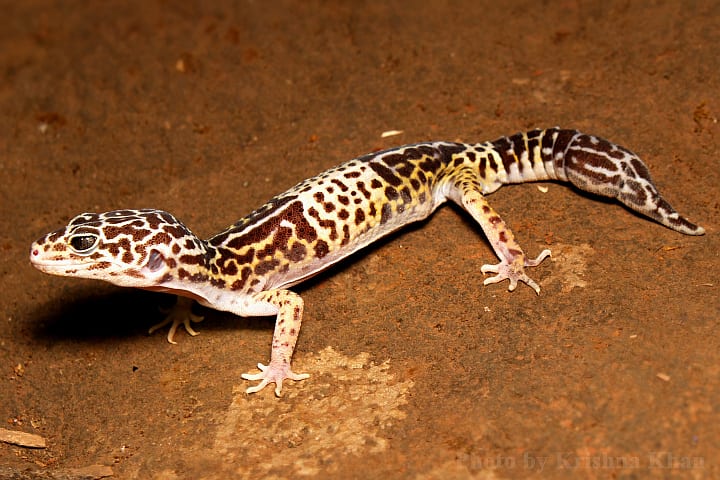
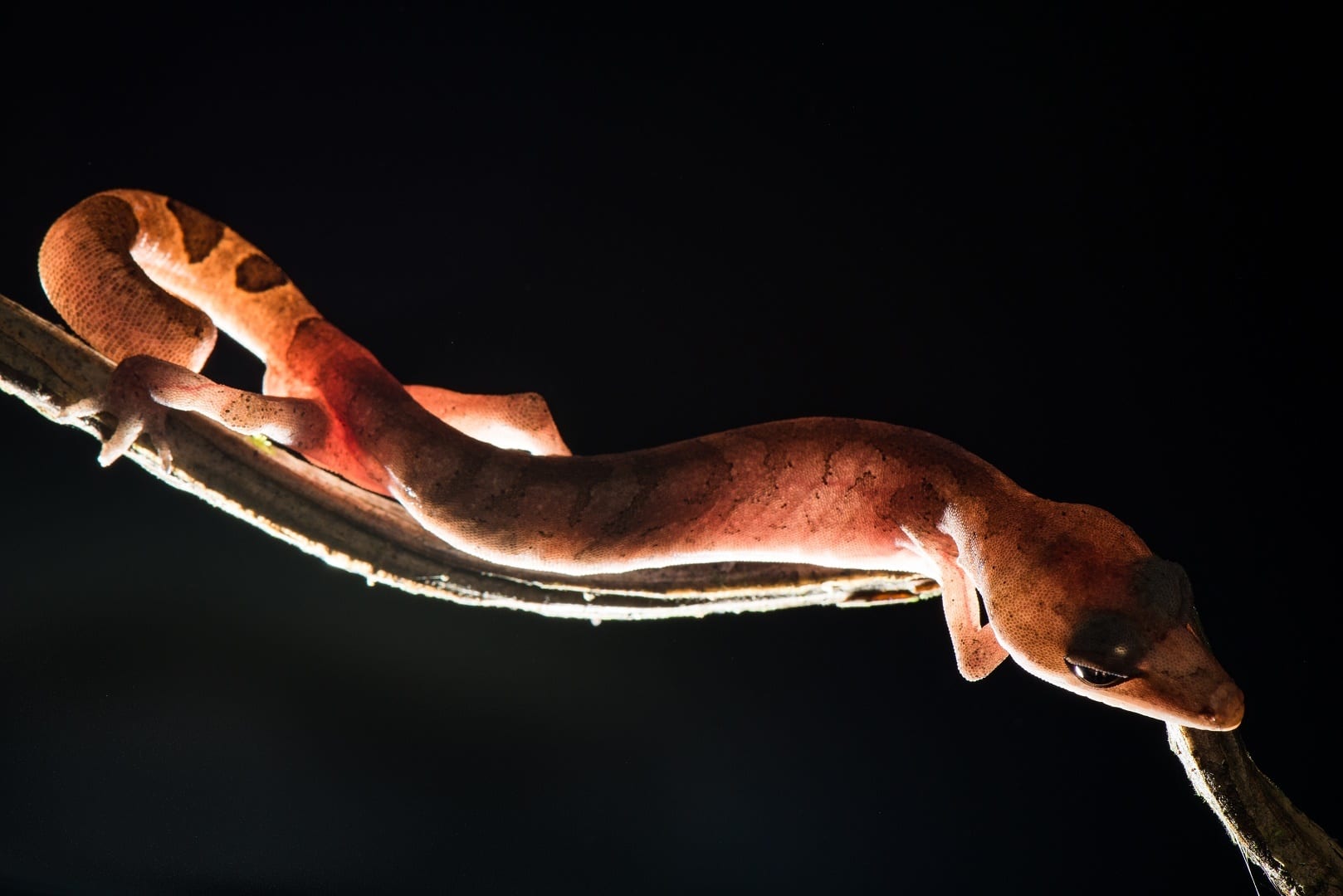
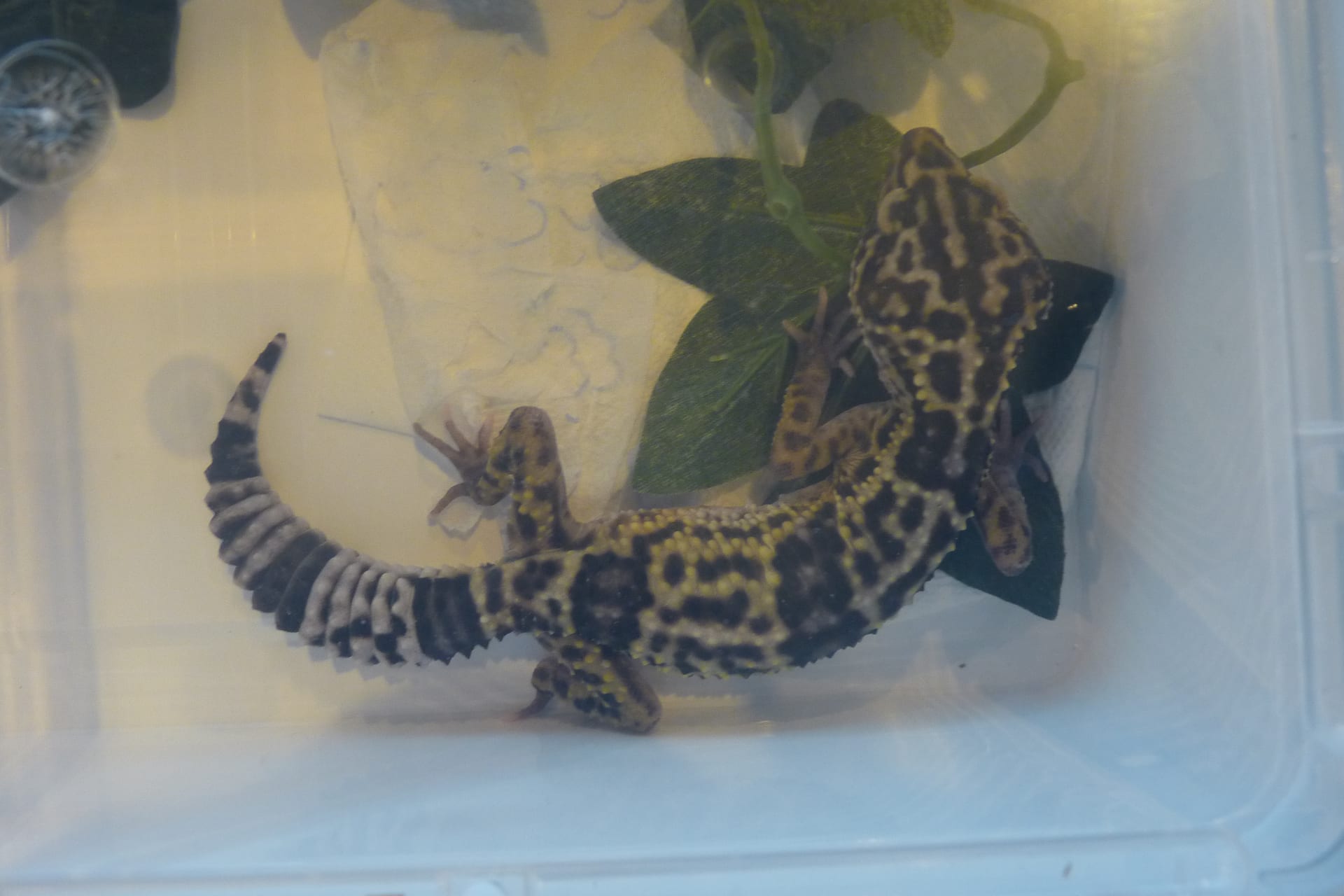
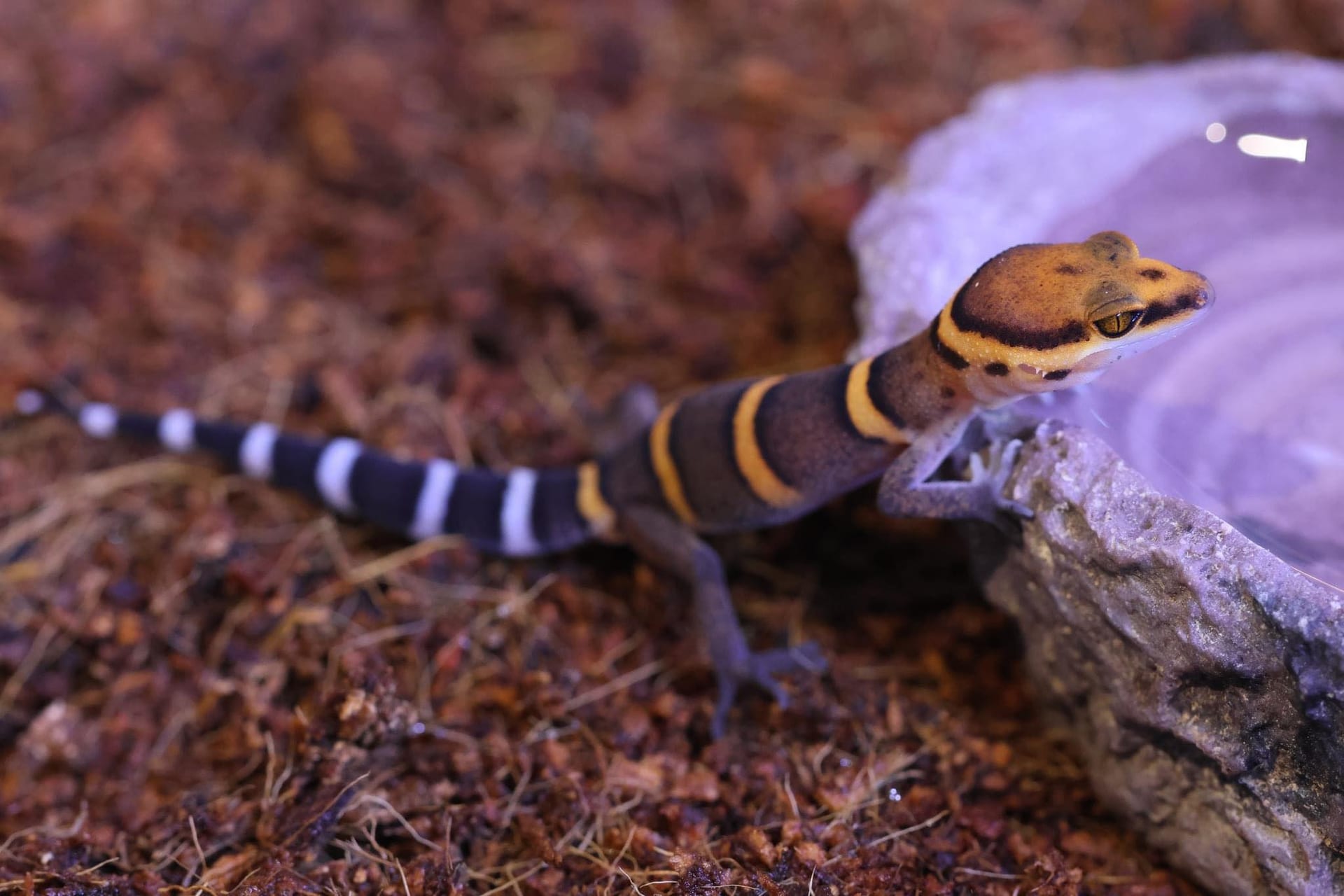
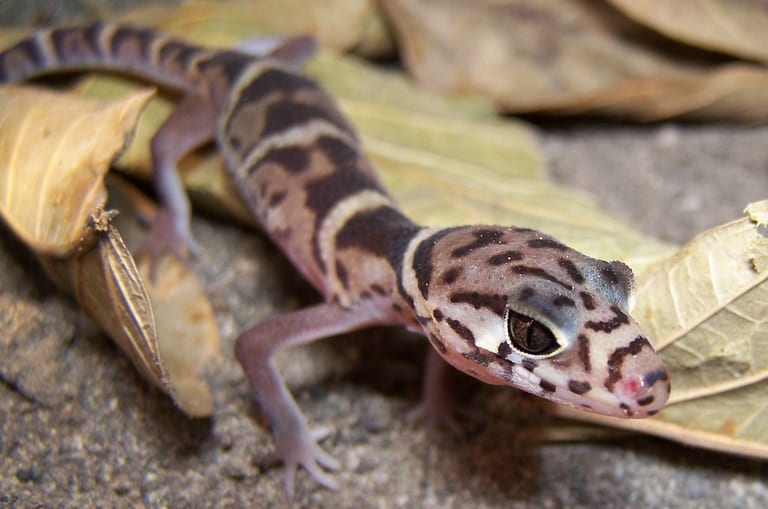
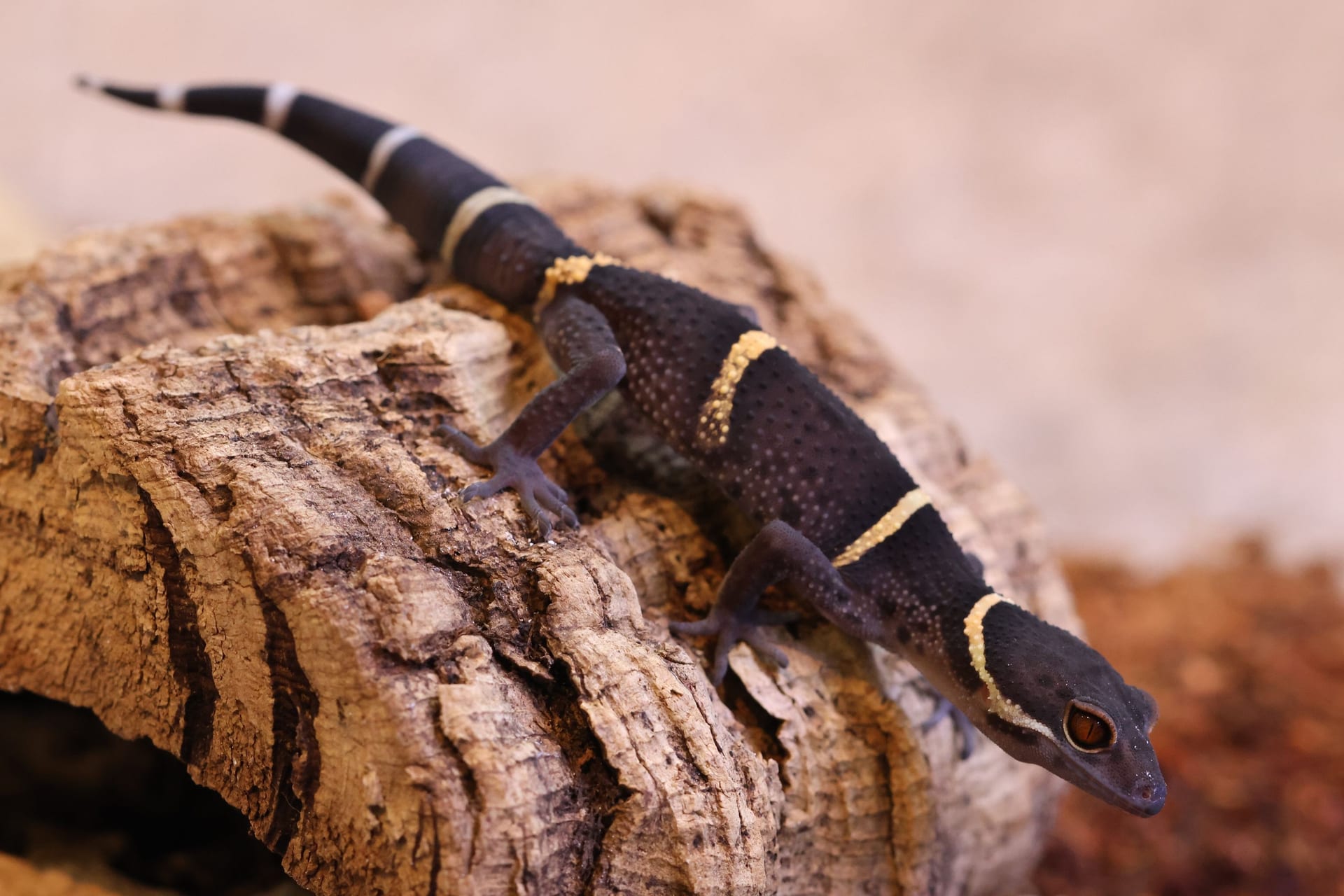
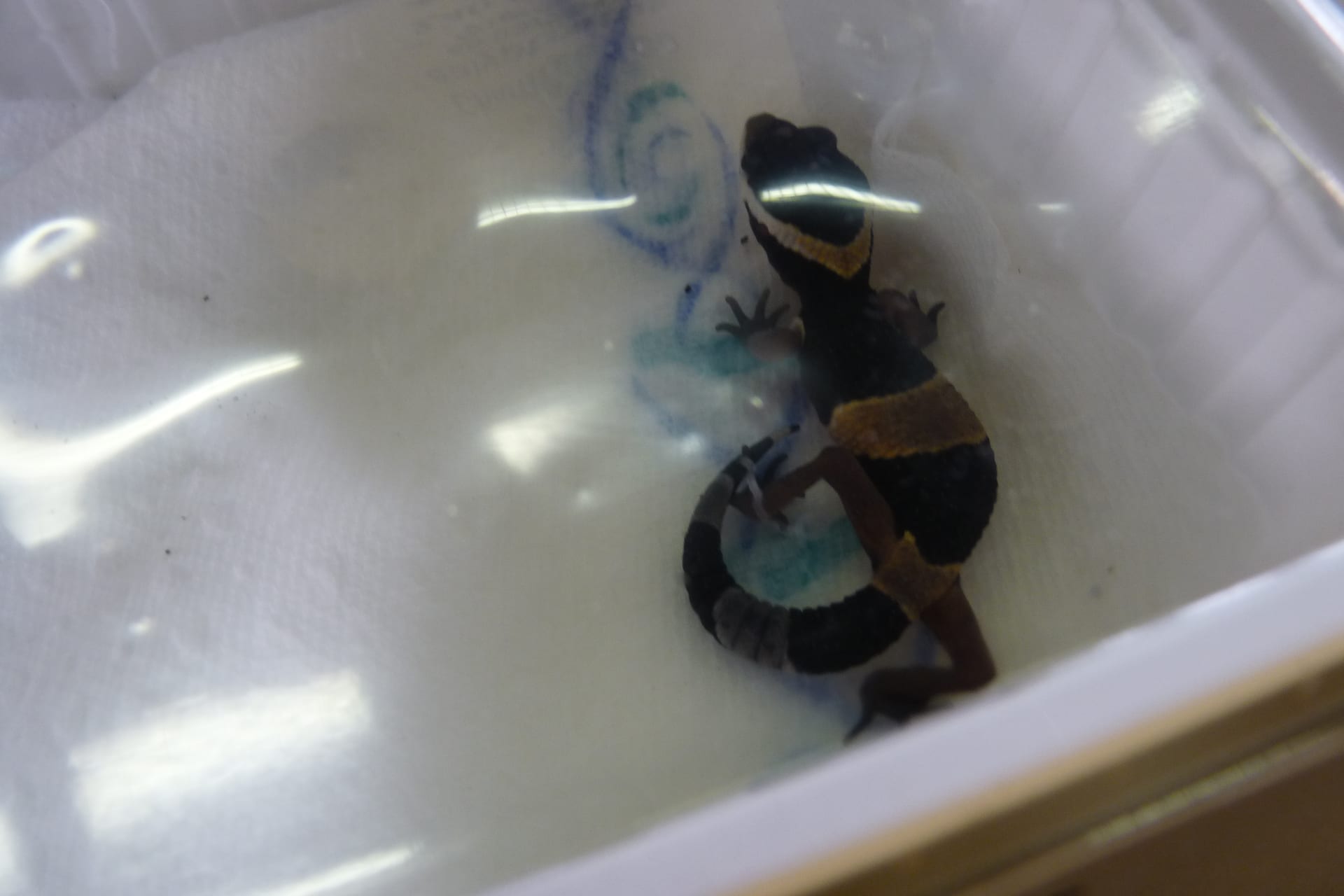
An eyelid gecko endemic to eastern India and Bangladesh. It reaches 20-23 cm with a stout body and short limbs and digits. Rounded, subconical tubercles are scattered among the small dorsal scales, and the swollen tail is ringed with segments.
Difficulty
Intermediate
Lifespan
15-20 years
Size
20-23cm total length
Humidity
30〜40%
Diet
Crickets, dubia roaches and other insects
About
Eublepharis hardwickii is a gecko of the family Eublepharidae endemic to eastern India and Bangladesh, reaching 20 to 23 cm in total length. The body is stout with rather short limbs and short digits. The snout is as long as the distance between the orbit and the ear opening, and the ear opening is large, suboval and vertical. The head is covered with irregular polygonal scales mixed with enlarged tubercles on the temple and occiput. The back is covered with small, irregular, flat scales interspersed with numerous rounded, subconical tubercles larger than the spaces between them. The tail is swollen and rounded, tapering at the end and ringed with segments. Males have 14 to 18 preanal pores. Like all eyelid geckos it has movable eyelids and vertical pupils, and its clawed digits have the claws partly concealed by lateral scales. It is oviparous, burying eggs of about 20 by 10 mm in soil, and is nocturnal and terrestrial.
Source: Wikipedia (CC BY-SA 4.0)
Lifespan of the East Indian Leopard Gecko
The East Indian Leopard Gecko lives 15-20 years.
Size of the East Indian Leopard Gecko
The East Indian Leopard Gecko grows to 20-23cm total length.
Basic Info
Origin
Eastern India, including Odisha, West Bengal, Bihar, Jharkhand and Madhya Pradesh, and Bangladesh
Lifespan
15-20 years
Size
20-23cm total length
Care Specifications
PeacefulSolitary
Sources: Wikipedia (English) / Reptile Database / ReptiFiles: Leopard Gecko Care / The Bio Dude: Leopard Gecko Caresheet 2024
References & Sources
Edited & verified by: BreederDirect editorial team
The taxonomic, regulatory, and husbandry data on this page are compiled and verified against the authoritative primary sources below.
Taxonomy & Authority
Accepted name: Eublepharis hardwickii Gray, 1827
Authority databases: GBIF · Reptile Database
Nomenclature follows global taxonomic authority databases.
Regulations & Conservation Status
Not CITES-listedIUCN LC · Least Concern
Not listed in any appendix of the Convention on International Trade in Endangered Species (CITES) (not registered in Species+). Does not fall under either the specified animals listed in the appended table of the Ordinance for Enforcement of the Animal Welfare and Management Law, nor the specified invasive alien species under the Invasive Alien Species Act.
Sources: CITES Appendices (species not listed) / IUCN Red List
Regulations may change. Always verify the latest information with the relevant authorities.
East Indian Leopard Gecko Listings
Loading latest listingsFind listings for this species