Source: Wikimedia Commons
Iranian Fat-Tailed Gecko
IntermediateEublepharis angramainyu
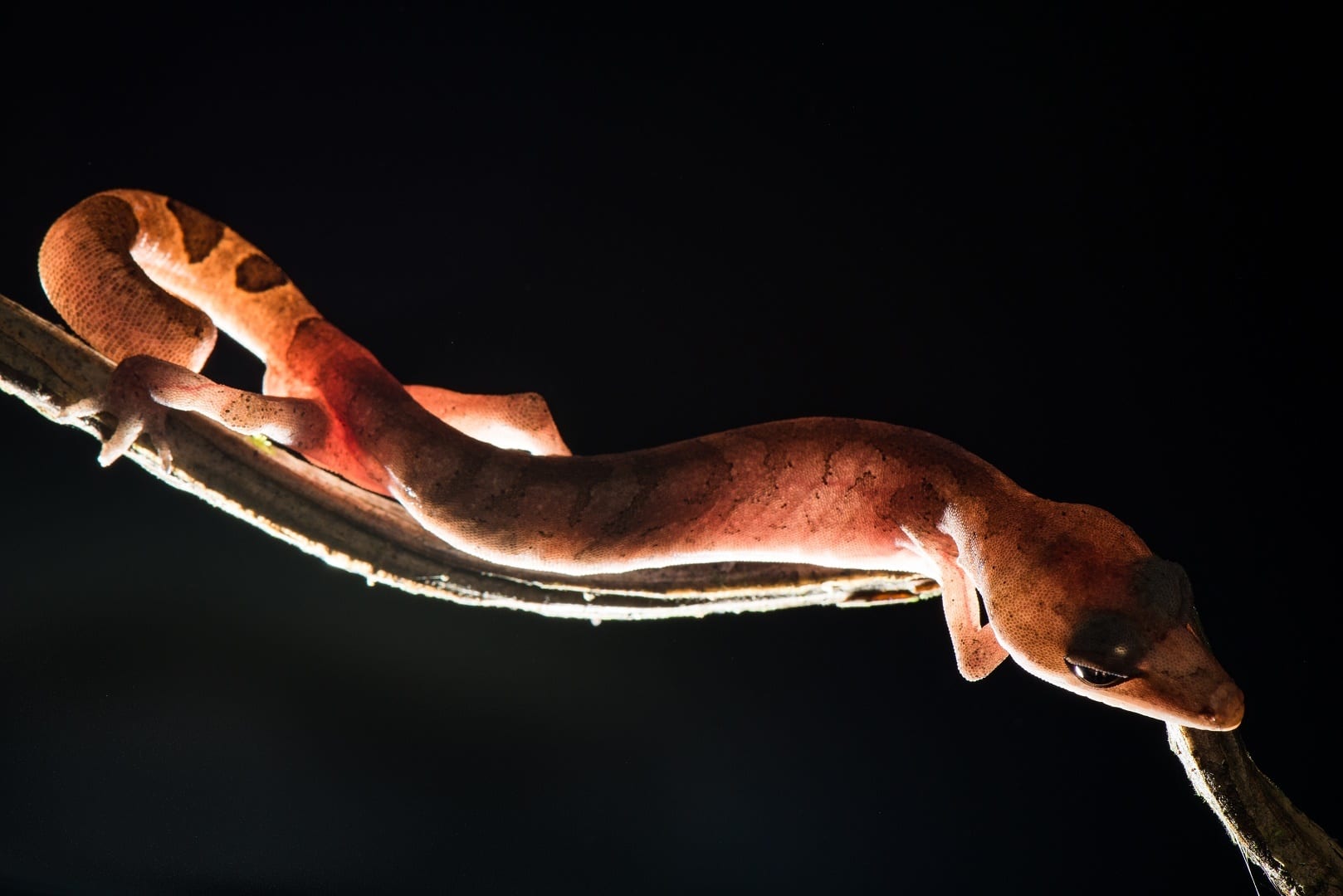
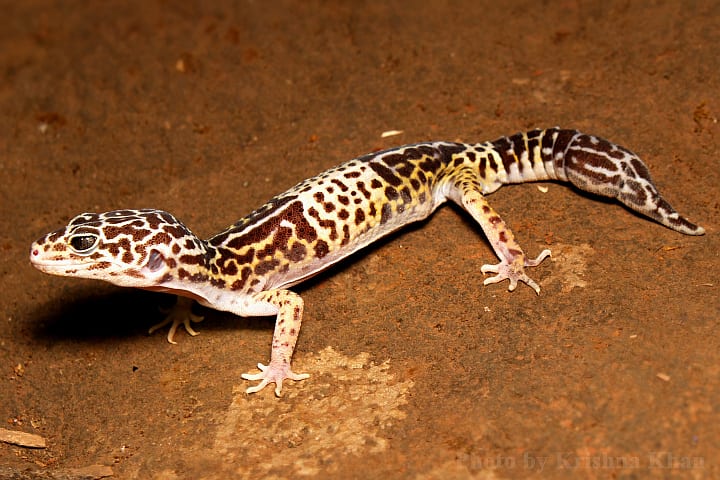
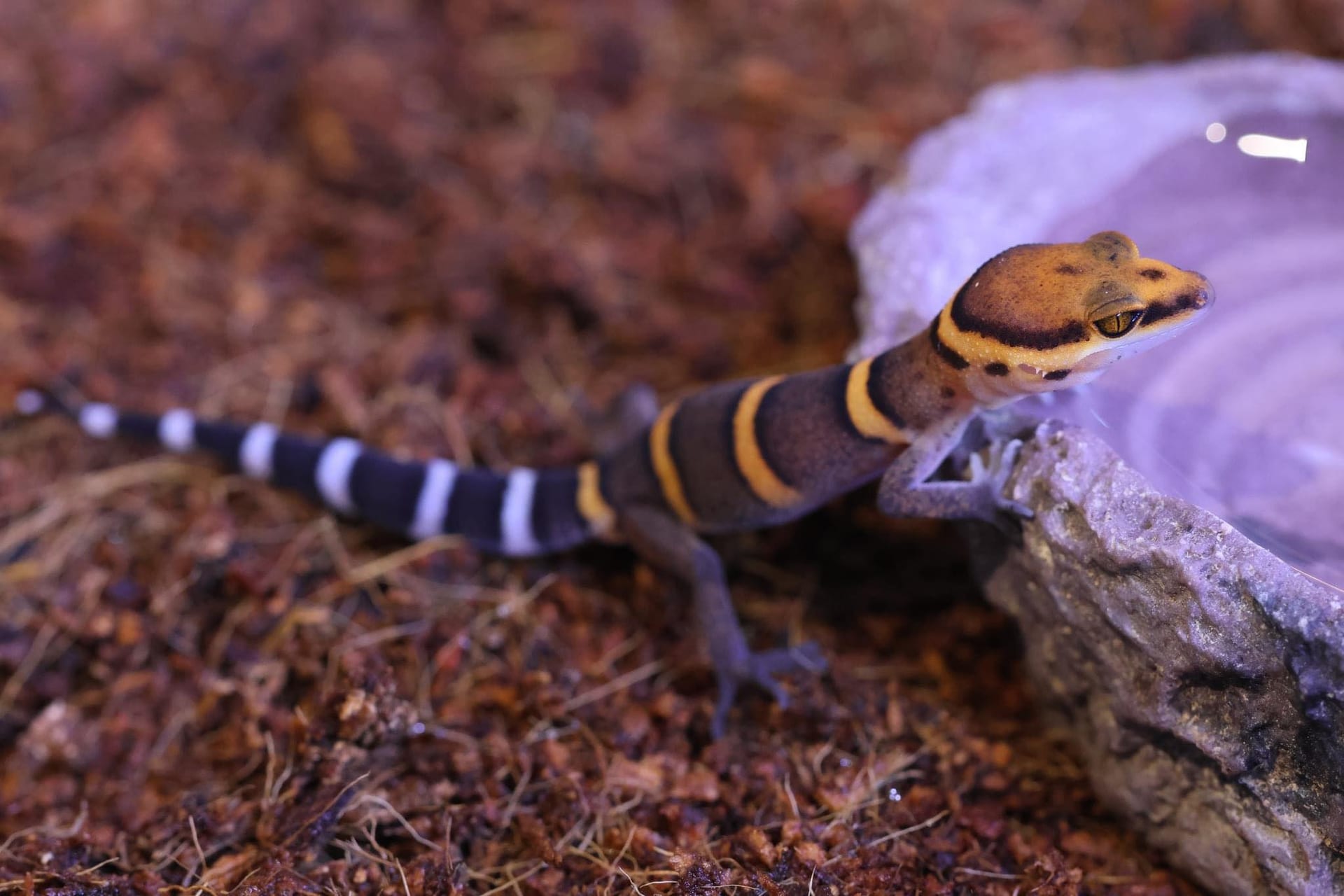
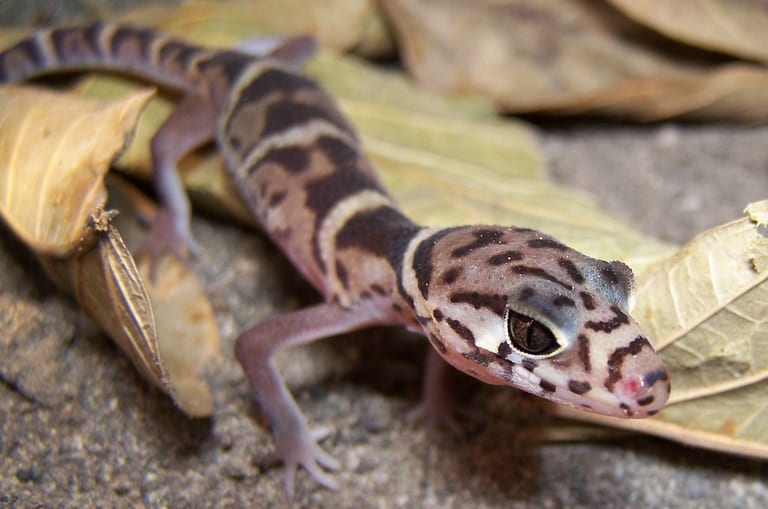
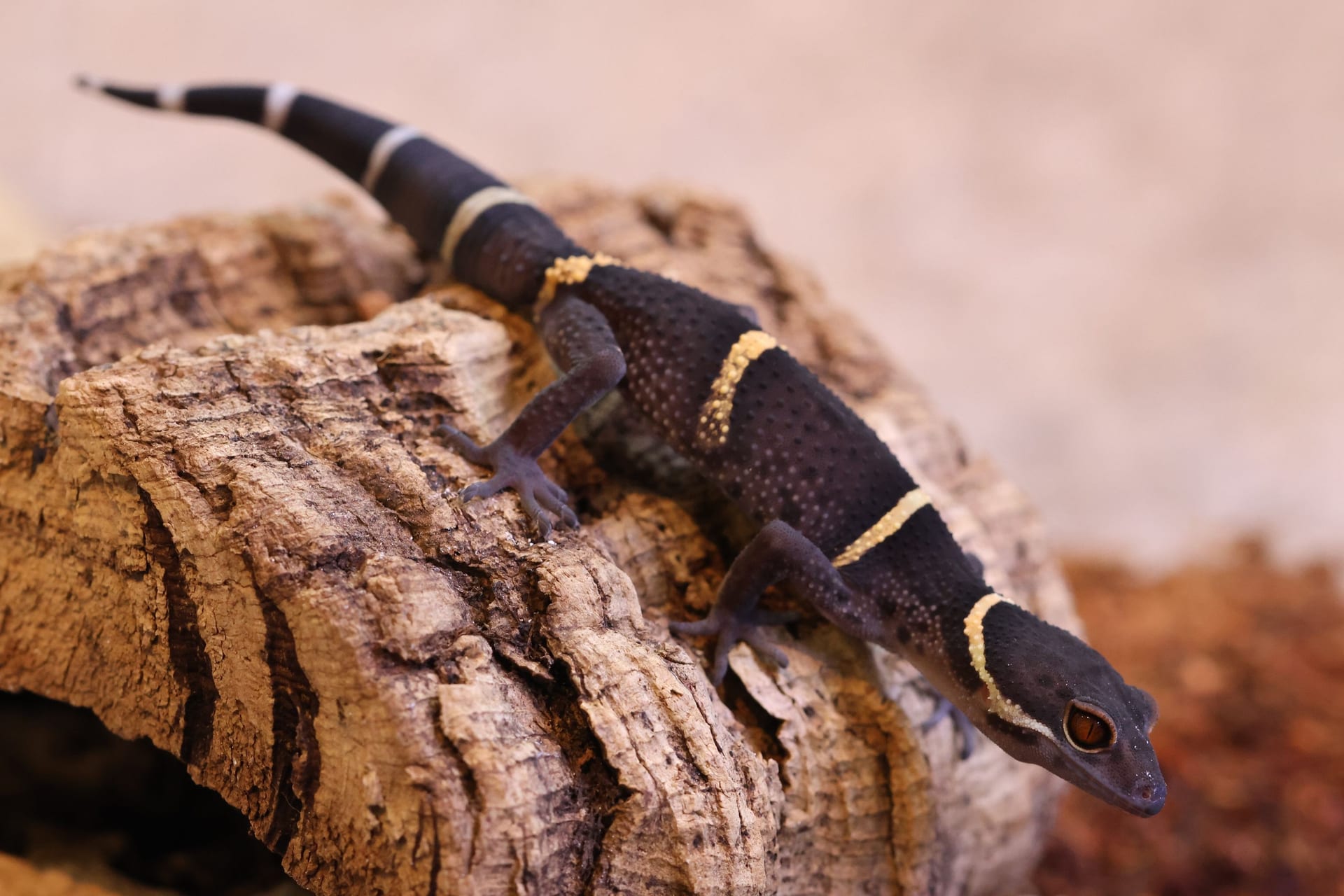
A nocturnal, ground-dwelling eyelid gecko of western Iran, Iraq and eastern Syria. A continuous pale vertebral stripe runs from the occiput to the tail base, bordered on each side by broken black stripes.
Difficulty
Intermediate
Lifespan
15-20 years
Humidity
30〜40%
Diet
Crickets, dubia roaches and other insects; it may also take small vertebrates
About
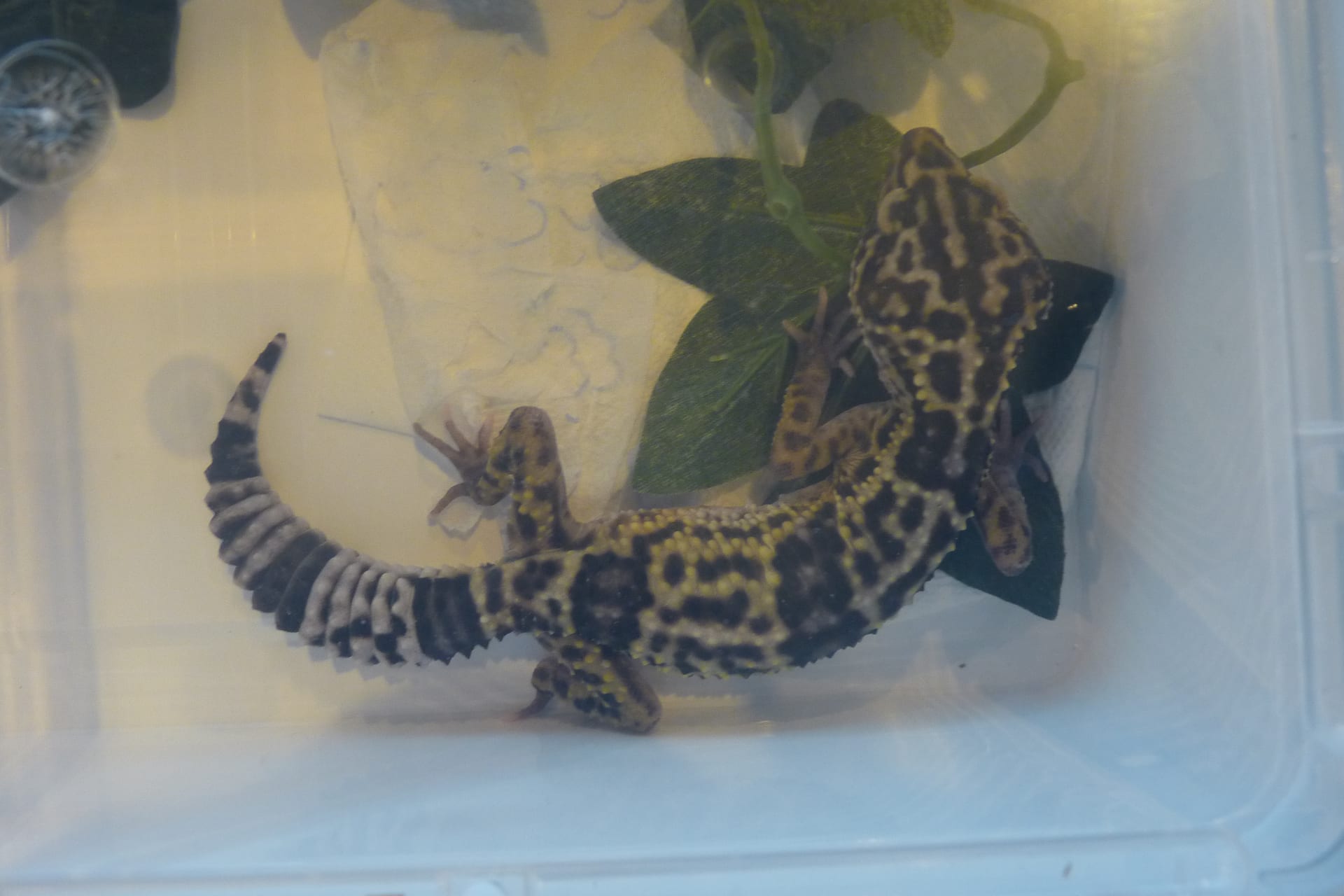
Eublepharis angramainyu is a gecko of the family Eublepharidae ranging from northern and eastern Iraq into south-western Iran and eastern Syria. It is nocturnal and ground-dwelling, insectivorous but also taking small vertebrates. A continuous light vertebral stripe runs from the occiput to the base of the tail, bordered on each side by broken black stripes, which distinguishes it from its congeners, and like most of the genus it has a fat, spotted tail. The Reptile Database lists as diagnostic characters mid-dorsal tubercles no larger than the spaces between them, smooth subdigital lamellae without tubercles, some elements of the dark head and body pattern arranged linearly, and preanal pores discernible even in females. Like most lizards it can shed its tail. The specific name angramainyu refers to Angra Mainyu, the destructive spirit of Zoroastrianism. The IUCN assesses it as Data Deficient.
Source: Wikipedia (CC BY-SA 4.0)
Lifespan of the Iranian Fat-Tailed Gecko
The Iranian Fat-Tailed Gecko lives 15-20 years.
Basic Info
Origin
Northern and eastern Iraq, south-western Iran around the Zagros Mountains, and eastern Syria, with records reported from Anatolia in Turkey
Lifespan
15-20 years
Humidity
30〜40%
Diet
Crickets, dubia roaches and other insects; it may also take small vertebrates
Care Guide
Care Specifications
PeacefulSolitary
Sources: Wikipedia (English) / Reptile Database / ReptiFiles: Leopard Gecko Care / The Bio Dude: Leopard Gecko Caresheet 2024
References & Sources
Edited & verified by: BreederDirect editorial team
The taxonomic, regulatory, and husbandry data on this page are compiled and verified against the authoritative primary sources below.
Taxonomy & Authority
Accepted name: Eublepharis angramainyu Anderson & Leviton, 1966
Synonyms: Eublepharis ensafi Baloutch & Thireau, 1986
Authority databases: GBIF · Reptile Database
Nomenclature follows global taxonomic authority databases.
Regulations & Conservation Status
Not CITES-listedIUCN DD · Data Deficient
Not listed in any appendix of the Convention on International Trade in Endangered Species (CITES) (not registered in Species+). Does not fall under either the specified animals listed in the appended table of the Ordinance for Enforcement of the Act on Welfare and Management of Animals, nor the specified invasive alien species under the Invasive Alien Species Act.
Sources: CITES Appendices (species not listed) / IUCN Red List
Regulations may change. Always verify the latest information with the relevant authorities.
Iranian Fat-Tailed Gecko Listings
Loading latest listingsFind listings for this species