Source: Wikimedia Commons
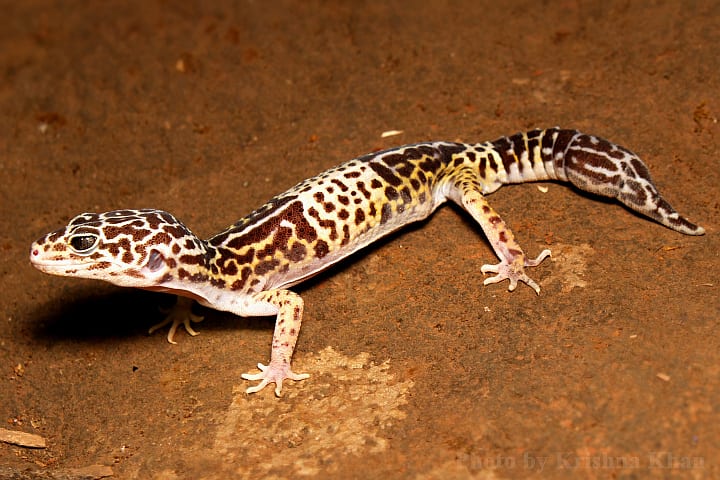
West Indian Leopard Gecko
IntermediateEublepharis fuscus
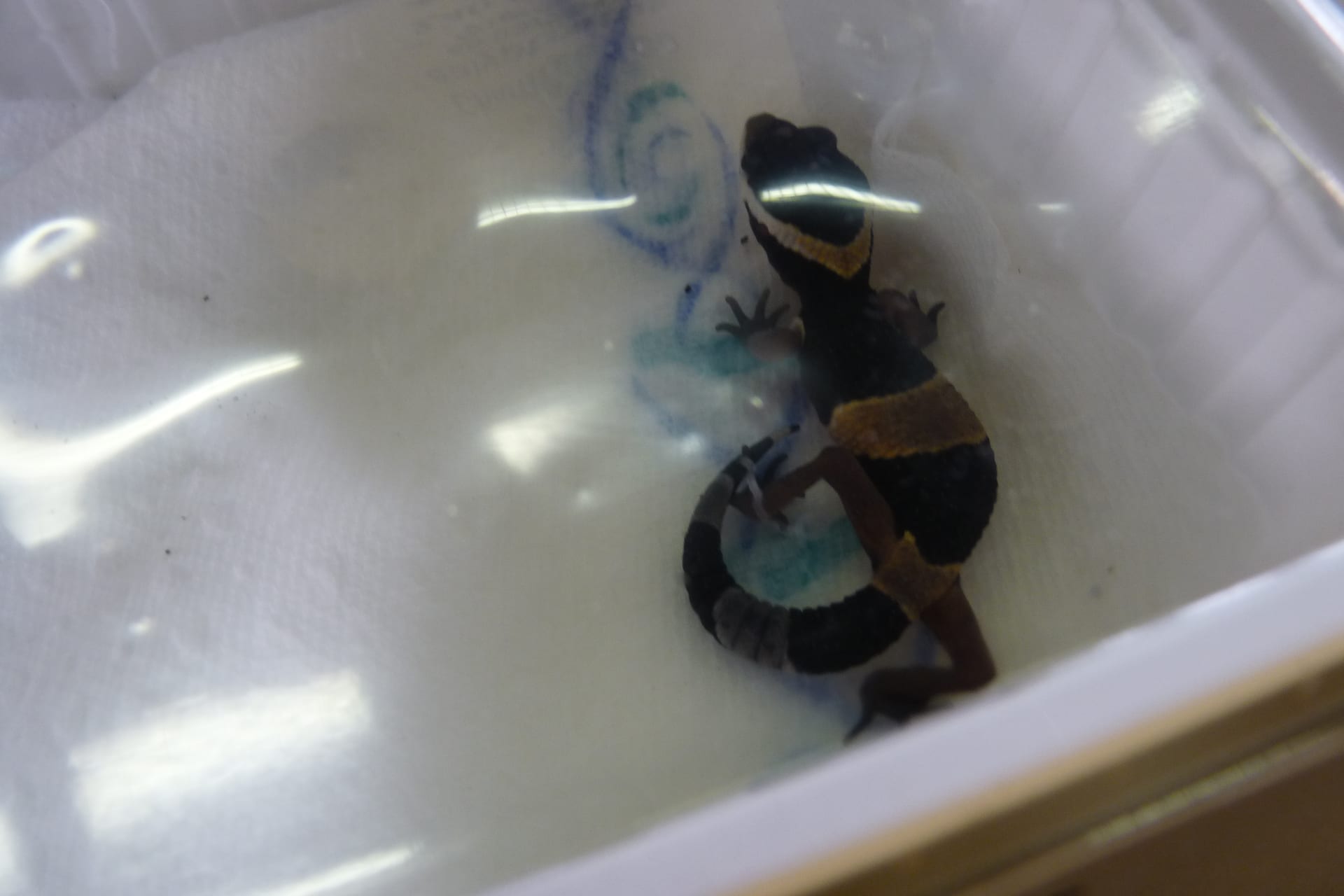
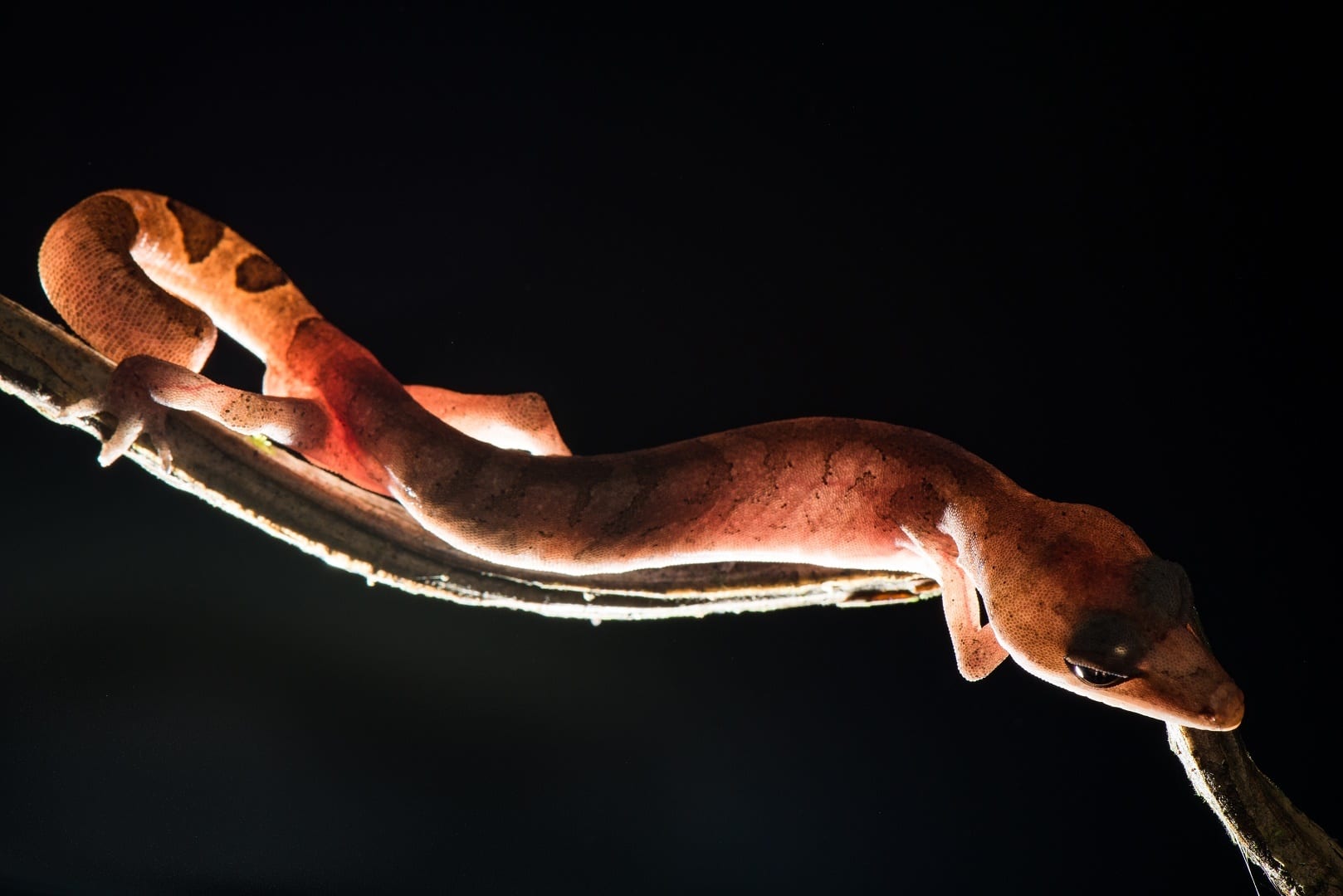
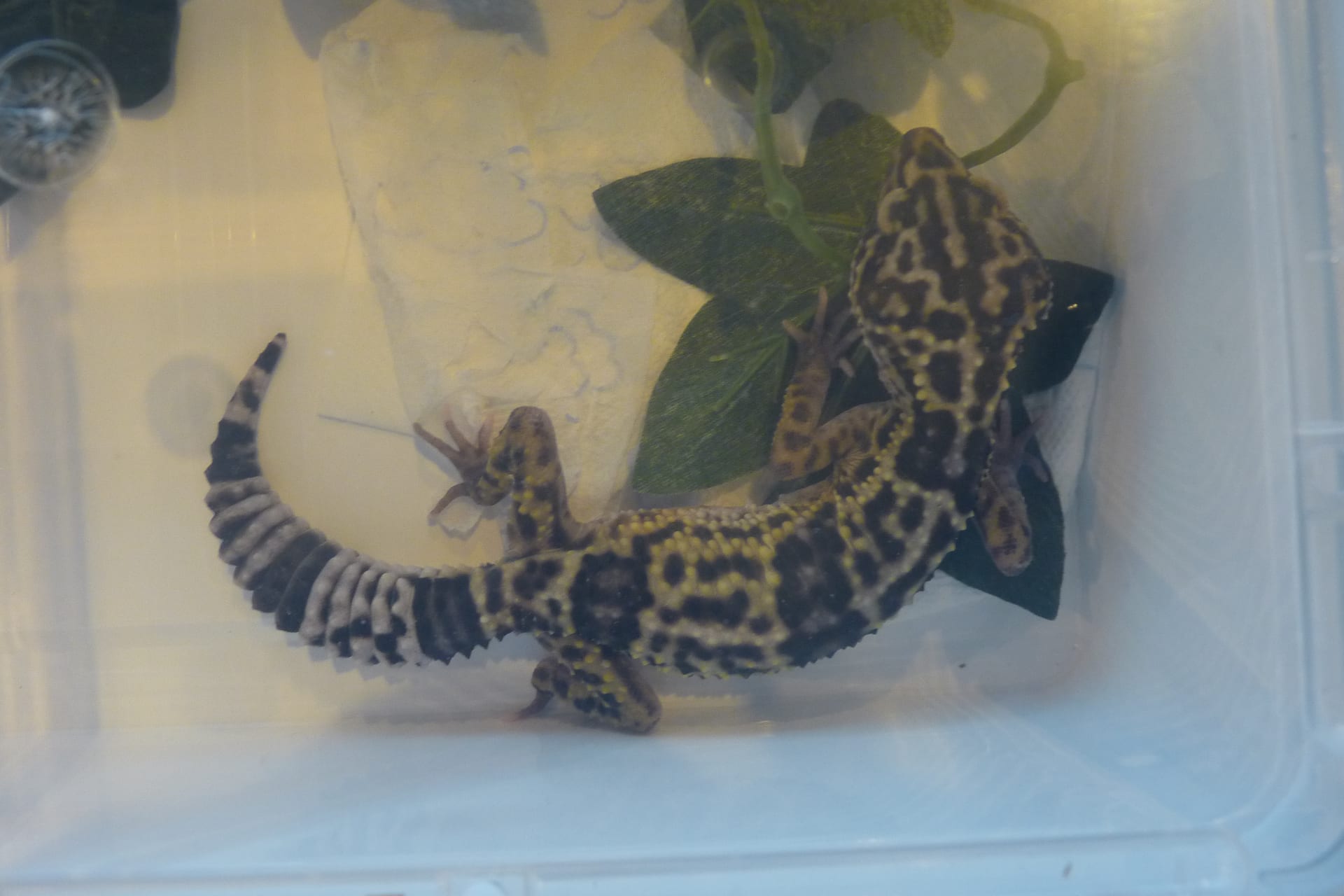
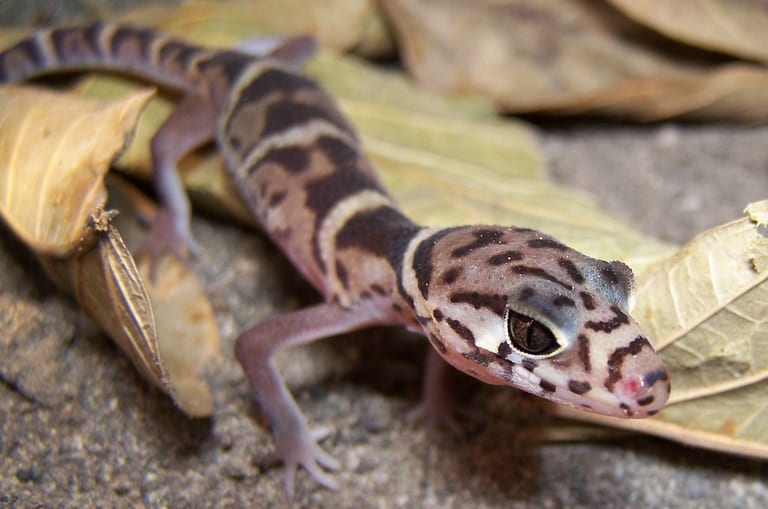
A large eyelid gecko of western India with a robust build, reaching 252 mm in snout-vent length. It is nocturnal and terrestrial, and is known to feed on scorpions and other arthropods.
Difficulty
Intermediate
Lifespan
12-18 years
Size
Up to 252mm snout-vent length
Humidity
30〜40%
Diet
Crickets, dubia roaches and other insects; in the wild scorpions and other arthropods
About
Eublepharis fuscus is a gecko of the family Eublepharidae found in western India. Reaching 252 mm in snout-vent length with a robust habitus, it is a large member of its genus. It is separated from the leopard gecko by smooth rather than tuberculate median scansors on the toes, mentals longer than wide, a single broad pale dorsal band instead of two, and eight rather than six postnasals bordering the nasals. It differs from the East Indian leopard gecko in having mid-dorsal tubercles smaller than the spaces between them and conical rather than flattened in shape. It is widely distributed from the northern Western Ghats to Gujarat, in forested hill tracts, scrub and rocky ground. It is nocturnal and terrestrial, feeding in the wild on scorpions and other arthropods. It is oviparous and shows temperature-dependent sex determination.
Source: Wikipedia (CC BY-SA 4.0)
Lifespan of the West Indian Leopard Gecko
The West Indian Leopard Gecko lives 12-18 years.
Size of the West Indian Leopard Gecko
The West Indian Leopard Gecko grows to Up to 252mm snout-vent length.
Basic Info
Origin
Western India in northern Karnataka, Maharashtra and Gujarat, possibly extending into south-eastern Pakistan
Lifespan
12-18 years
Size
Up to 252mm snout-vent length
Humidity
Care Specifications
PeacefulSolitary
Sources: Wikipedia (English) / Reptile Database / ReptiFiles: Leopard Gecko Care / The Bio Dude: Leopard Gecko Caresheet 2024
References & Sources
Edited & verified by: BreederDirect editorial team
The taxonomic, regulatory, and husbandry data on this page are compiled and verified against the authoritative primary sources below.
Taxonomy & Authority
Accepted name: Eublepharis fuscus Börner, 1974
Synonyms: Eublepharis macularius fuscus Börner, 1974
Authority databases: GBIF · Reptile Database
Nomenclature follows global taxonomic authority databases.
Regulations & Conservation Status
Not CITES-listedIUCN LC · Least Concern
Not listed in any appendix of the Convention on International Trade in Endangered Species (CITES) (not registered in Species+). Does not fall under either the specified animals listed in the appended table of the Ordinance for Enforcement of the Animal Welfare and Management Law, nor the specified invasive alien species under the Invasive Alien Species Act.
Sources: CITES Appendices (species not listed) / IUCN Red List
Regulations may change. Always verify the latest information with the relevant authorities.
West Indian Leopard Gecko Listings
Loading latest listingsFind listings for this species