Source: Wikimedia Commons
Indian Sand Boa
BeginnerEryx johnii
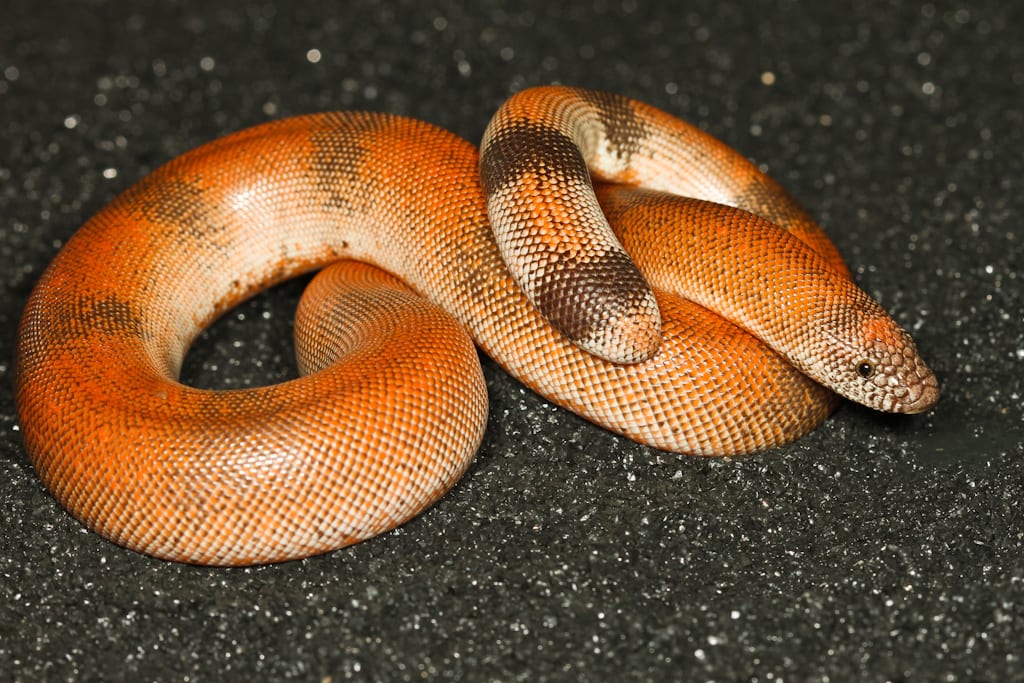
A burrowing sand boa of the semi-desert from Iran through Pakistan into India. Its wedge-shaped head and blunt, truncated tail make both ends look alike, which is why it has long been called the two-headed snake.
Difficulty
Beginner
Temperature
27〜32℃
Lifespan
15-20 years
Size
60-90cm
Humidity
50〜65%
Diet
Thawed frozen mice and rats
About
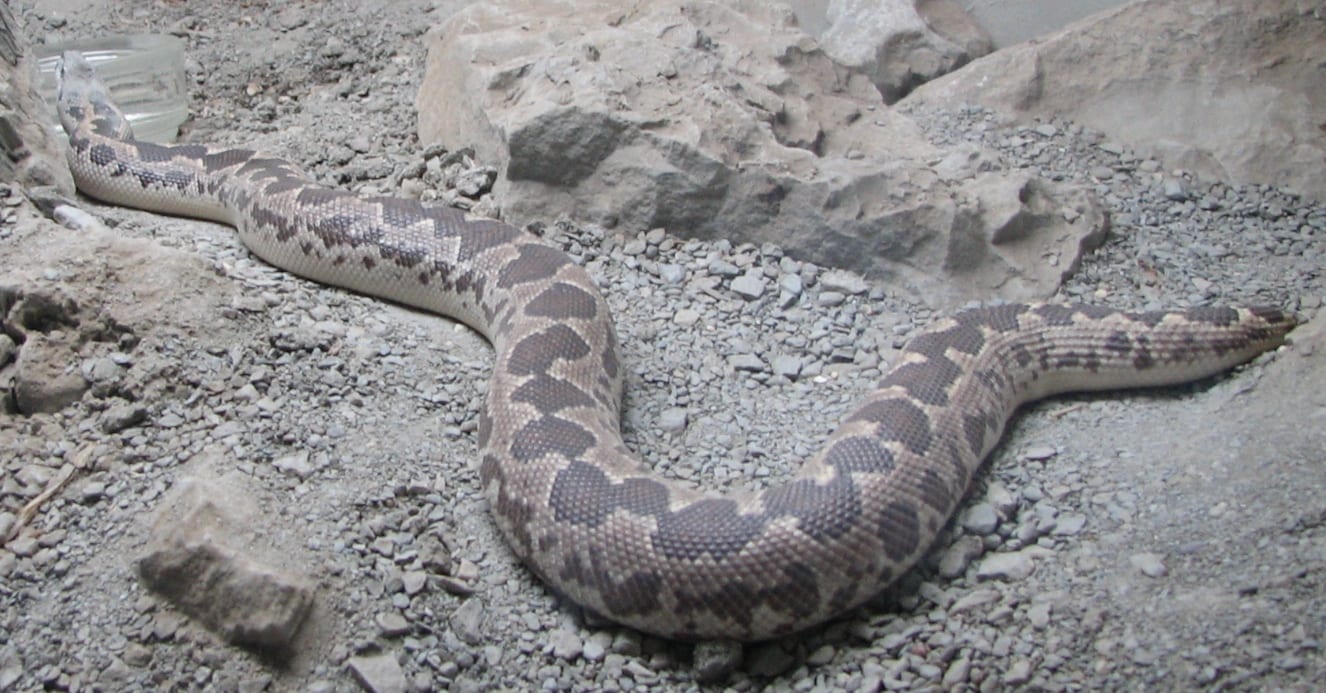
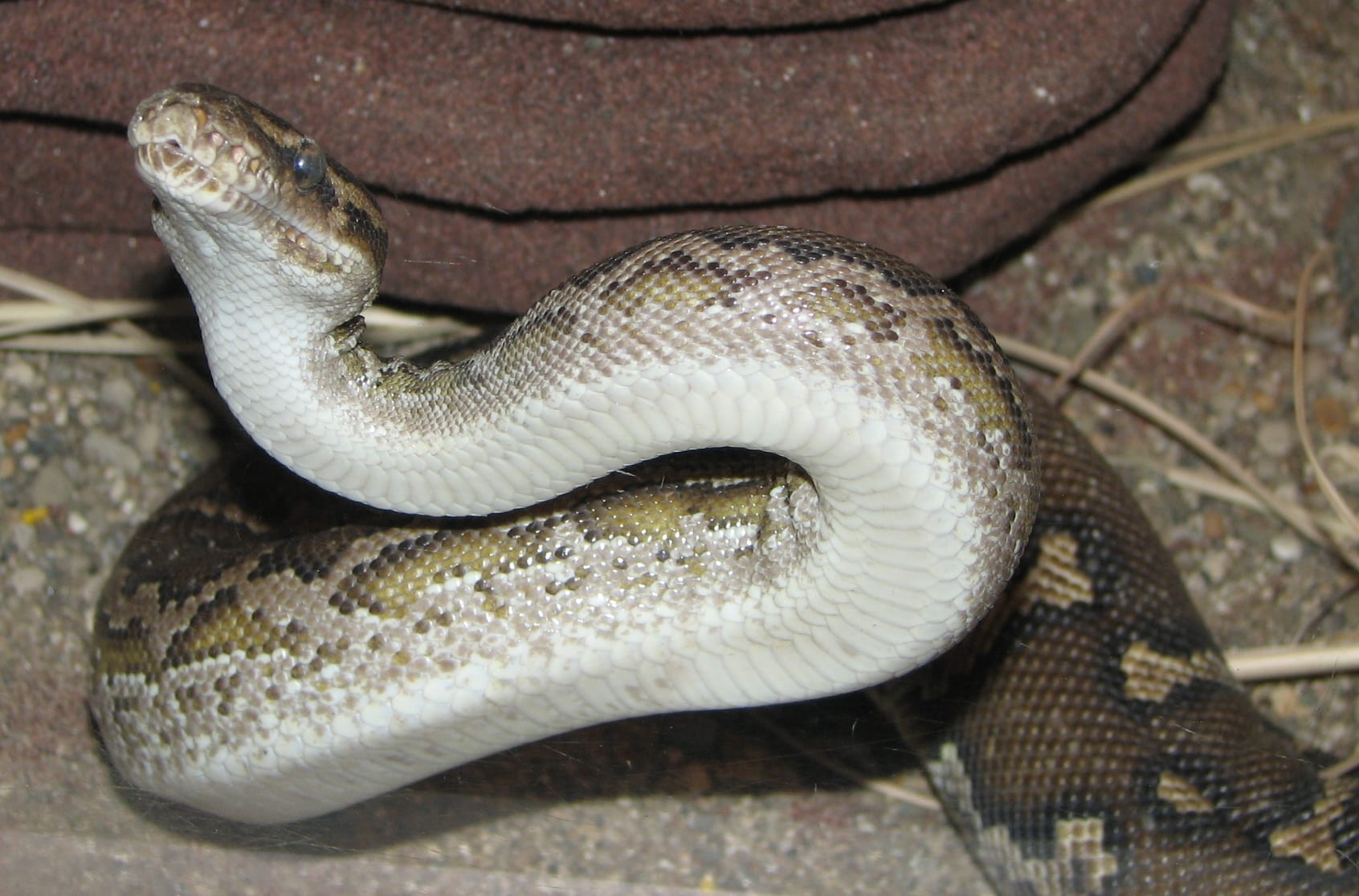
Eryx johnii is a boid of the family Boidae ranging from Iran through Pakistan into western, southern and north-western India. Adults rarely exceed 61 cm in total length, though large individuals reach 91 cm. It is adapted to burrowing: the head is wedge-shaped, the nostrils narrow and the eyes very small. The body is cylindrical with small polished dorsal scales, and the thick, rounded tail looks truncated, making the two ends hard to tell apart. Colour varies from reddish brown to dull yellow-tan. It prefers loose, crumbly sandy soil and lives underground. Its diet is mainly rodents, killed by constriction. It is ovoviviparous, giving birth to up to 14 young from late summer into the monsoon. It is a very calm species, and captive care centres on a substrate it can burrow into plus belly heat.
Source: Wikipedia (CC BY-SA 4.0)
Lifespan of the Indian Sand Boa
The Indian Sand Boa lives 15-20 years.
Size of the Indian Sand Boa
The Indian Sand Boa grows to 60-90cm.
Temperature & humidity for the Indian Sand Boa
The ideal temperature for the Indian Sand Boa is 27〜32℃. Ideal humidity is 50〜65%.
Basic Info
Origin
Eastern Iran, Pakistan, western, southern and north-western India and Nepal, in dry semi-desert scrub and rocky foothills up to 200 m
Lifespan
15-20 years
Care Specifications
PeacefulSolitaryBreeding: Moderate
Sources: Reptiles Magazine: Care, Breeding And Caudal Luring Of The Rough-Scaled Sand Boa (covers Eryx colubrinus, E. conicus and E. johnii) / Wikipedia (English) / Reptile Database
References & Sources
Edited & verified by: BreederDirect editorial team
The taxonomic, regulatory, and husbandry data on this page are compiled and verified against the authoritative primary sources below.
Taxonomy & Authority
Accepted name: Eryx johnii (Russell, 1801)
Synonyms: Boa johnii Russell, 1801, Boa anguiformis Schneider, 1801, Eryx maculatus Hallowell, 1848
Authority databases: GBIF · Reptile Database
Nomenclature follows global taxonomic authority databases.
Regulations & Conservation Status
CITES Appendix IIIUCN NT · Near Threatened
The family Boidae (Boidae spp.) has been listed on Appendix II since 4 February 1977 (Species+). As an Appendix II species, no registration certificate for internationally rare wild fauna and flora is required. In India, it is protected under Schedule IV of the Wildlife Protection Act 1972, and keeping it for pet purposes is prohibited. This species is not included in the designated animals listed in the Schedule of the Order for Enforcement of the Law Concerning the Protection and Management of Animals.
Sources: CITES Appendices (Boidae spp., Appendix II, effective 4 February 1977) / IUCN Red List
Regulations may change. Always verify the latest information with the relevant authorities.
Indian Sand Boa Listings
Loading latest listingsFind listings for this species