Indian Ringneck Parakeet Care Guide | Mid-Sized Parakeet with Abundant Color Varieties and Intelligence
The Indian Ringneck Parakeet (Psittacula krameri) is a popular medium-sized parakeet known for its abundant color variations and high intelligence. This guide explains the basics: managing behavioral changes as they mature, proper nutrition, speech training, and taming techniques.
Key Takeaways
The Indian Ringneck Parakeet (Psittacula krameri) is a popular medium-sized parakeet known for its abundant color variations and high intelligence. This guide explains the basics: managing behavioral changes as they mature, proper nutrition, speech training, and taming techniques.
Related Species
What Kind of Bird is the Indian Ringneck Parakeet
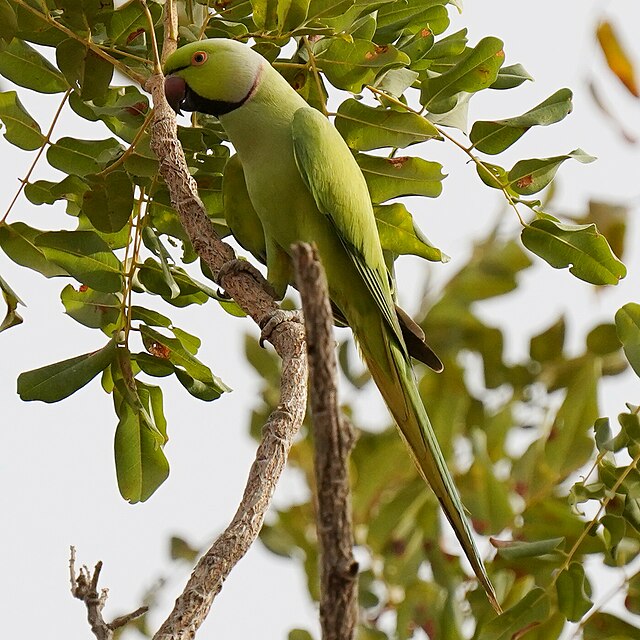
The Indian Ringneck Parakeet (Psittacula krameri manillensis) is a parrot native to South Asia and North Africa, with populations centered in India. In English, it's known as the "Indian Ringneck Parakeet (IRN)" or "Rose-Ringed Parakeet," named after the distinctive ring pattern around the male's neck.
They measure 40–43 cm in body length (with tail feathers comprising about 20–25 cm) and are considered medium-sized parakeets. While wild-type birds have green plumage, selective breeding has produced over 50 color mutations. Lutino (yellow), albino (white), violet, blue, pied, and cinnamon morphs are among the many colors available—a major appeal of this species.
They have a lifespan of 25–30 years in captivity, making them long-term companions when properly cared for. They also possess excellent language acquisition abilities; with dedicated training, some birds learn 50 or more words.
Key Characteristics to Know Before Acquiring One
About the "Bluff Period" (Adolescence)
Indian Ringneck Parakeets enter a developmental phase called the "bluff period" around 6–12 months of age. During this adolescence, they may suddenly bite, become irritable, or fear hands—behavioral changes that surprise many owners into abandoning their care.
How to Navigate the Bluff Period
- Don't rush to handle them; respect the bird's pace
- Temporarily avoid things they dislike to maintain trust
- Keep training sessions short (5–10 minutes) to minimize stress
- The bluff period typically lasts 6–18 months, after which many birds become affectionate again
Strong Independent Personality
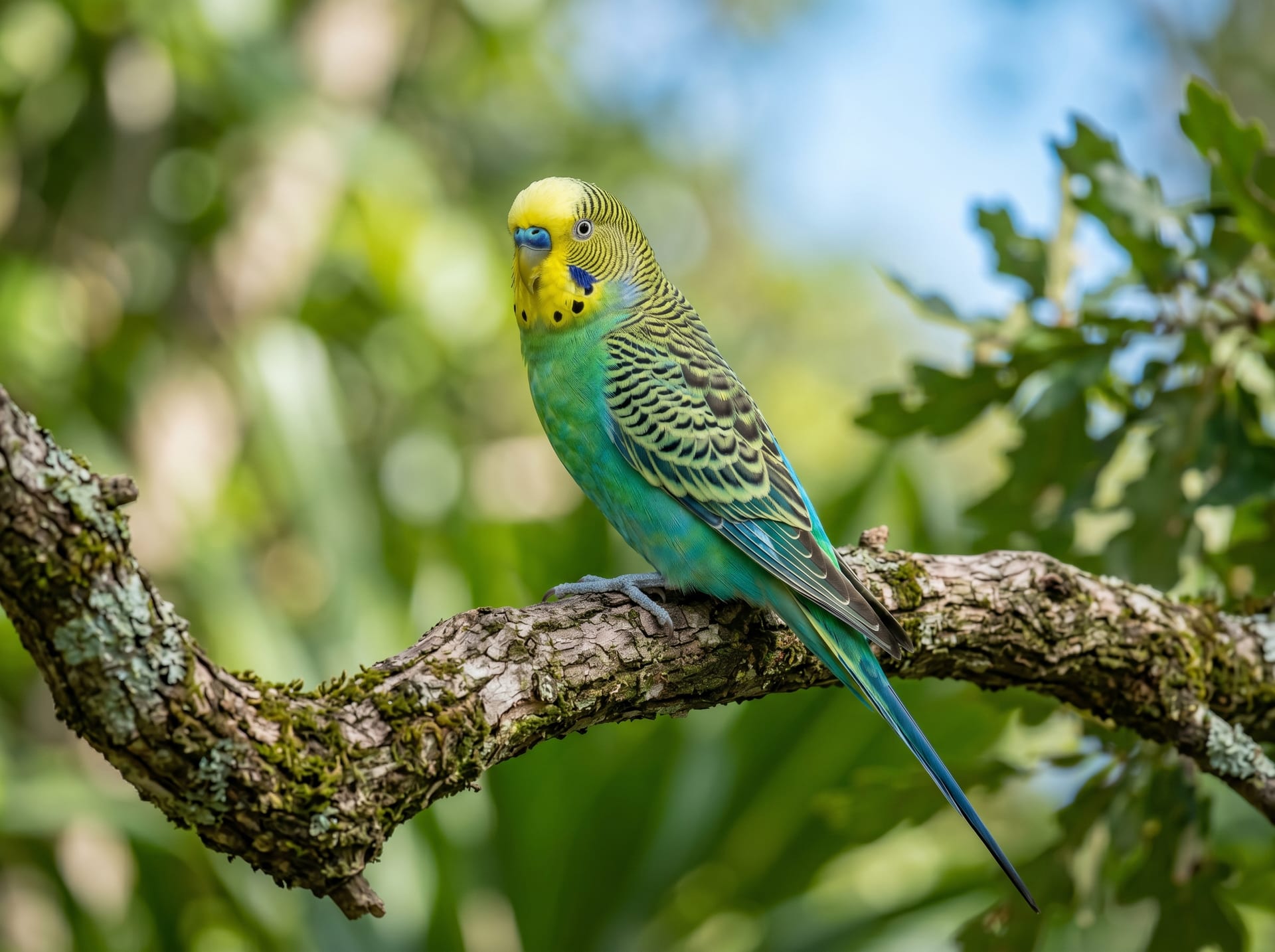
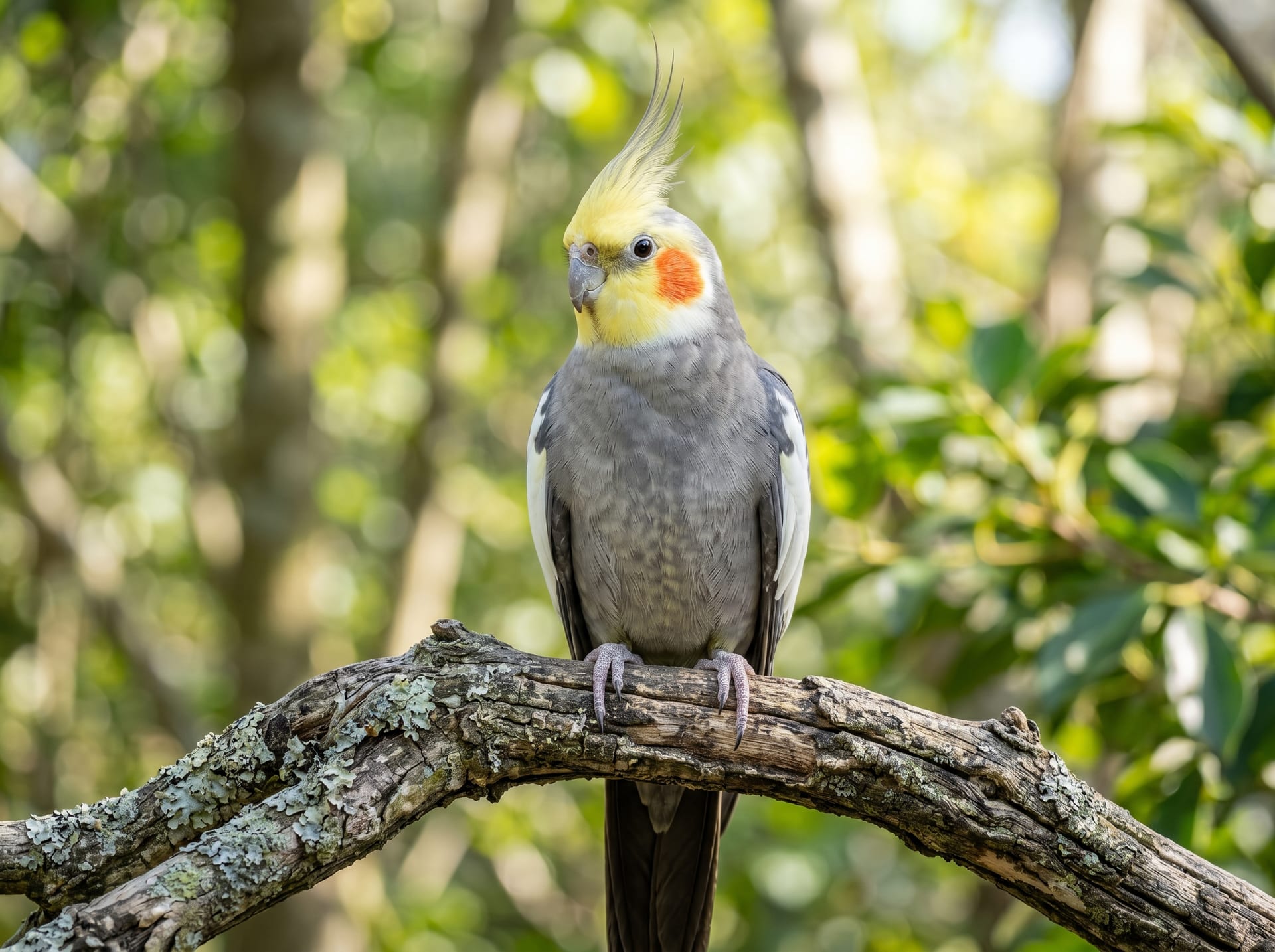
Compared to smaller parakeets like budgies and cockatiels, Indian Ringnecks are more independent and prefer engaging on their own terms. Many dislike excessive physical contact, so respecting the bird's preferences is essential. However, well-trained hand-tamed birds become remarkably loyal companions.
Setting Up the Right Environment
Cage Size
Indian Ringnecks require spacious cages due to their 40+ cm body length and long tail feathers.
- Minimum size: 60 cm W × 40 cm D × 60 cm H
- Recommended size: 80+ cm W × 50+ cm D × 90+ cm H
- Install multiple perches 1.5–2 cm in diameter to maintain foot health
Temperature and Humidity Management
- Ideal temperature: 20–28°C
- Minimum temperature: 15°C or higher (below 10°C is dangerous)
- Humidity: 40–60%
Winter temperatures in Japan require careful attention. Avoid cold drafts from windows and direct air conditioning vents.
Play and Mental Stimulation
Indian Ringnecks are intelligent and may develop behavioral problems (feather plucking, cage chewing, screaming) if bored.
- At least 1–2 hours of out-of-cage flight time daily
- Enrichment toys such as foraging toys and puzzle feeders
- Speech and song practice
- Rotate various toys including mirrors, hanging toys, and wooden chew toys
Diet Management
Primary Foods
- Pellets (60–70% of diet): Nutritionally balanced commercial pellets designed for medium-sized parakeets are ideal. Choose brands like Harrison or Zupreem for medium parakeets.
- Seeds (10–20% after transitioning to pellets): Mix canary seed, sunflower seed, and safflower seed. Excessive sunflower seeds cause obesity.
Supplemental Foods (Small Amounts Daily)
- Fresh vegetables: bok choy, mustard greens, broccoli, carrots, and peppers (vitamin A and calcium sources)
- Fruits: apples, blueberries, and kiwi (in moderation; watch sugar content)
- Sprouted beans and grains (highly nutritious)
Foods Never to Give
Avocado, chocolate, cocoa, alcohol, caffeine, high-salt foods, onions, garlic, and alliums are toxic to birds. Avoid sharing human food with them.
Speech Training
Indian Ringneck Parakeets are among the best talkers in the parrot family.
Effective Training Tips
- Repeat the same words and phrases daily (audio repetition is also effective)
- Use positive reinforcement with favorite treats
- Praise when the bird vocalizes spontaneously
- Start with short, clear words ("hello," "treat," "come," etc.)
- Practice 10–15 minutes daily
Most birds begin speaking at 6–8 months old, with vocabulary expanding through age 1–2. Since there's individual variation, patience and long-term commitment are essential.
Health Management and Common Illnesses
Regular Health Checks
- Monitor weight daily; sudden loss of 10% or more warrants immediate attention
- Check droppings (green droppings, diarrhea, or undigested food indicate illness)
- Observe feather sheen, abnormal plucking, and skin irritation
Common Diseases
PBFD (Psittacine Beak and Feather Disease)
A viral disease affecting parrots causing feather loss and beak deformity. Quarantine and testing are recommended when introducing new birds.
Megabacteriosis (Avian Gastric Yeast: AGY)
A digestive tract infection causing weight loss, vomiting, and diarrhea. Consult an avian veterinarian immediately if symptoms appear.
Egg Binding
Occurs when eggs become stuck in the female's body. If egg-laying behavior is observed, provide calcium supplementation and a nesting box for safe laying.
Welcoming an Indian Ringneck as a Family Member
If you weather the bluff period, Indian Ringneck Parakeets become highly intelligent and social companions. Choosing your favorite color mutation, teaching speech, and enjoying their unique personalities bring great satisfaction throughout a long life together.
The key to building a strong bond is acquiring the bird as a young chick from a breeder or specialist and patiently continuing hand-taming training.