Source: Wikimedia Commons
Bawangling Cave Gecko
IntermediateGoniurosaurus bawanglingensis
A cave gecko known only from around Bawangling in south-western Hainan Island, China. It is rarer in the trade than the Hainan cave gecko, and night-time poaching has been reported in the wild.
Difficulty
Intermediate
Temperature
25〜32℃
Humidity
55〜65%
Diet
Insectivore (crickets, roaches)
About
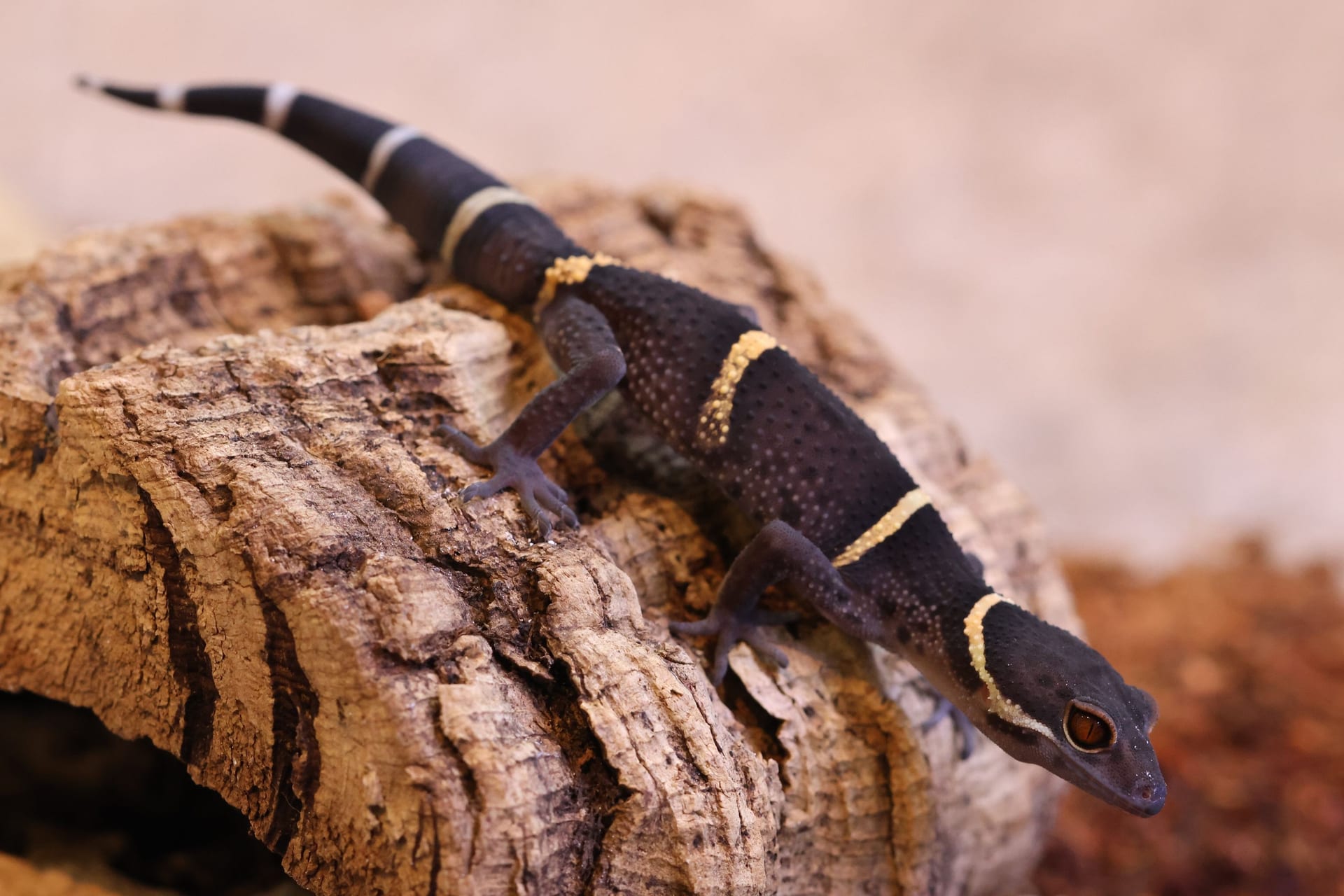
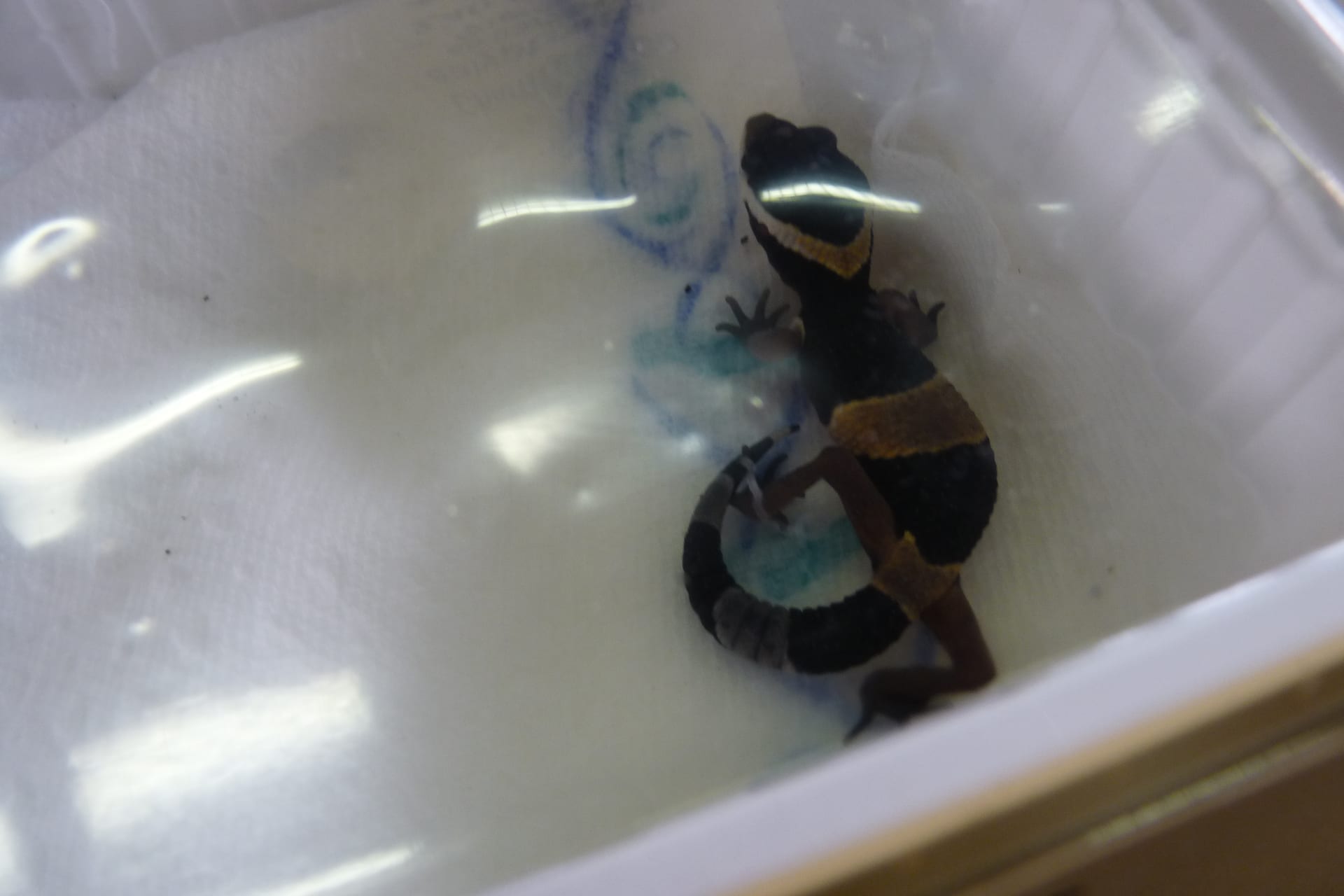
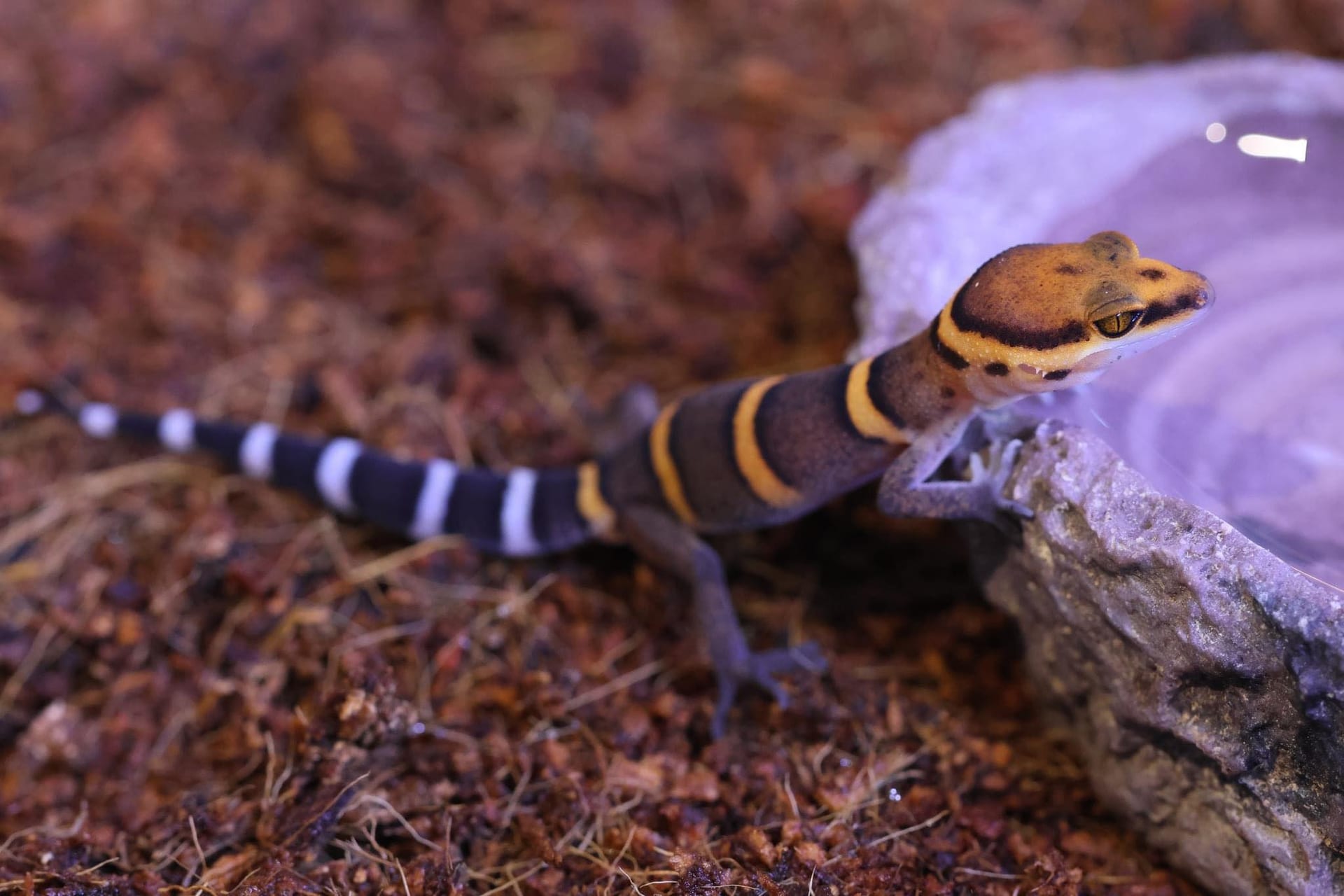
The Bawangling cave gecko is a Goniurosaurus eyelid gecko endemic to the Bawangling National Nature Reserve in south-western Hainan Island, China. Described by Grismer and colleagues in 2002, its type locality lies 5.6 km north-east of Bawangling. Like many congeners it has a tiny range, and habitat loss and collection for the pet trade are threats; researchers describing another Hainan species reported encountering night-time poaching of this gecko. As in the rest of the genus it has movable eyelids and lacks adhesive toe pads, and it lives on cool, moist forest floors, in rock crevices and near cave entrances. Juveniles show strongly contrasting bands, and coloration changes with growth. Some breeders in Europe and North America work with it, but it is much less common than the Hainan cave gecko; in Japan it is only occasionally seen in specialist shops or at shows. It is a different species from the Hainan cave gecko, so confirm the scientific name and parental lineage when buying. It is also distinct from Japan's native protected Goniurosaurus.
Source: Wikipedia (CC BY-SA 4.0)
Basic Info
Origin
South-western Hainan Island, China (Bawangling National Nature Reserve)
Temperature
25〜32℃
Humidity
55〜65%
Diet
Insectivore (crickets, roaches)
Care Guide
Temperature & Humidity
Goniurosaurus prefer cool, moist conditions and are often kept at around 22°C room temperature. Aim for 55-65% humidity.
References & Sources
Edited & verified by: BreederDirect editorial team
The taxonomic, regulatory, and husbandry data on this page are compiled and verified against the authoritative primary sources below.
Taxonomy & Authority
Accepted name: Goniurosaurus bawanglingensis Grismer, Shi, Orlov & Ananjeva, 2002
Authority databases: GBIF · The Reptile Database: Goniurosaurus bawanglingensis · GBIF: Goniurosaurus bawanglingensis
Nomenclature follows global taxonomic authority databases.
Regulations & Conservation Status
CITES Appendix II
Listed in CITES Appendix II. International trade requires an export permit from the country of origin, but no registration is needed to keep or transfer the animal within Japan. Goniurosaurus has been listed since 26 November 2019, with the annotation "except the species native to Japan". Japan's native Kuroiwa's ground geckos (five subspecies, including the Yanbaru form) and G. splendens are National Endangered Species under the Act on Conservation of Endangered Species of Wild Fauna and Flora; capture, transfer and sale are in principle prohibited.
Sources: Species+ (CITES): Goniurosaurus bawanglingensis / Ministry of the Environment, Japan: list of National Endangered Species
Regulations may change. Always verify the latest information with the relevant authorities.
Bawangling Cave Gecko Listings
Loading latest listingsFind listings for this species