Source: Wikimedia Commons
Honduran Milk Snake
BeginnerLampropeltis abnorma
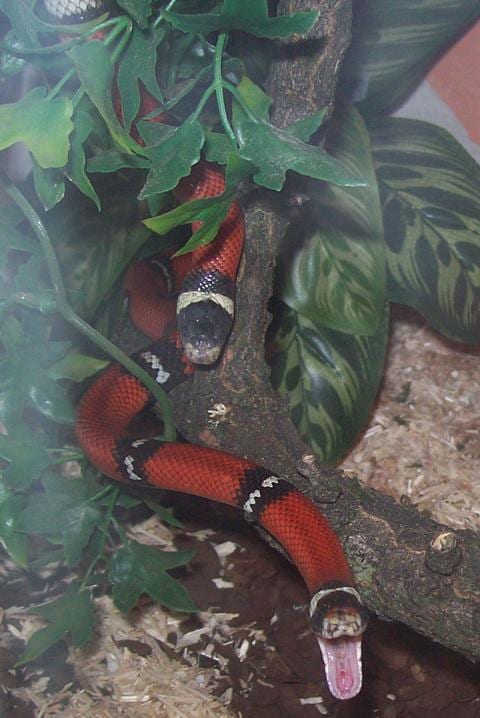
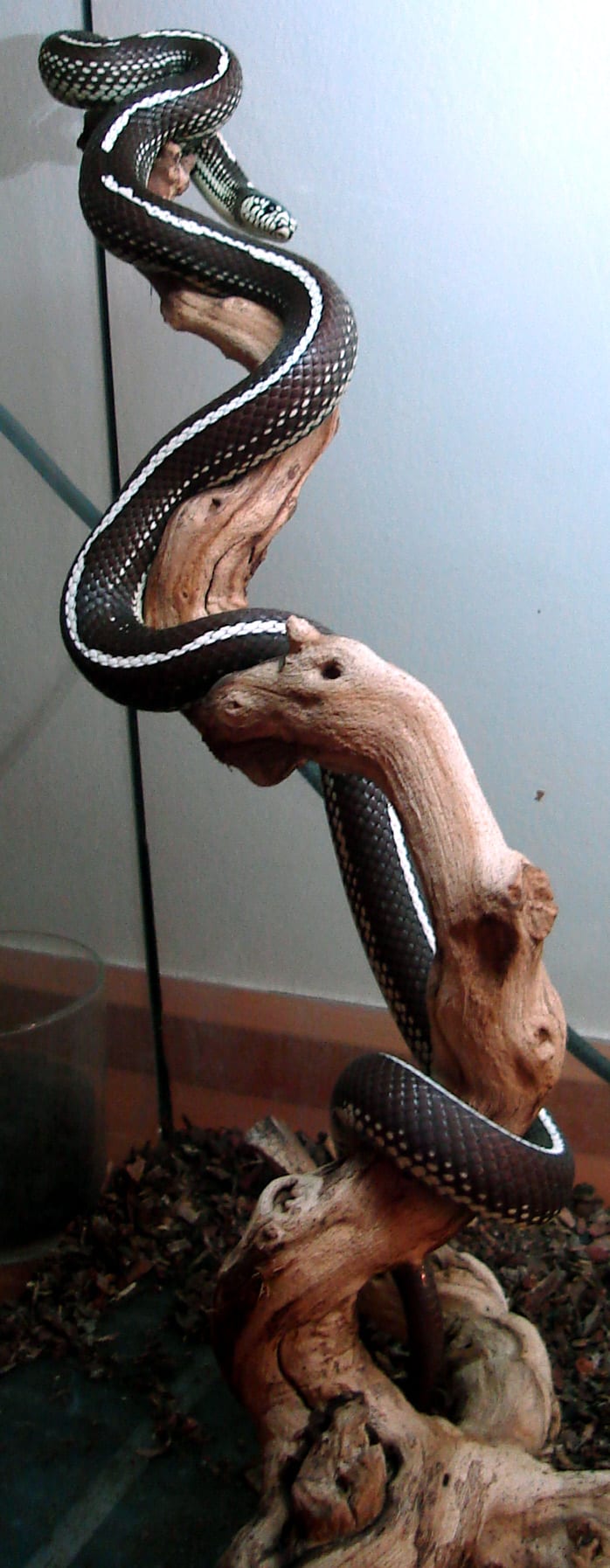
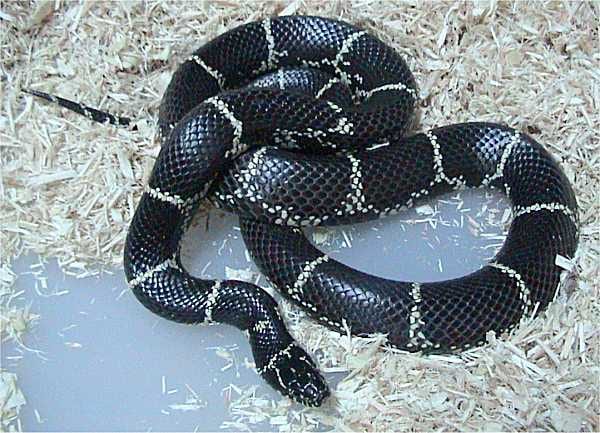
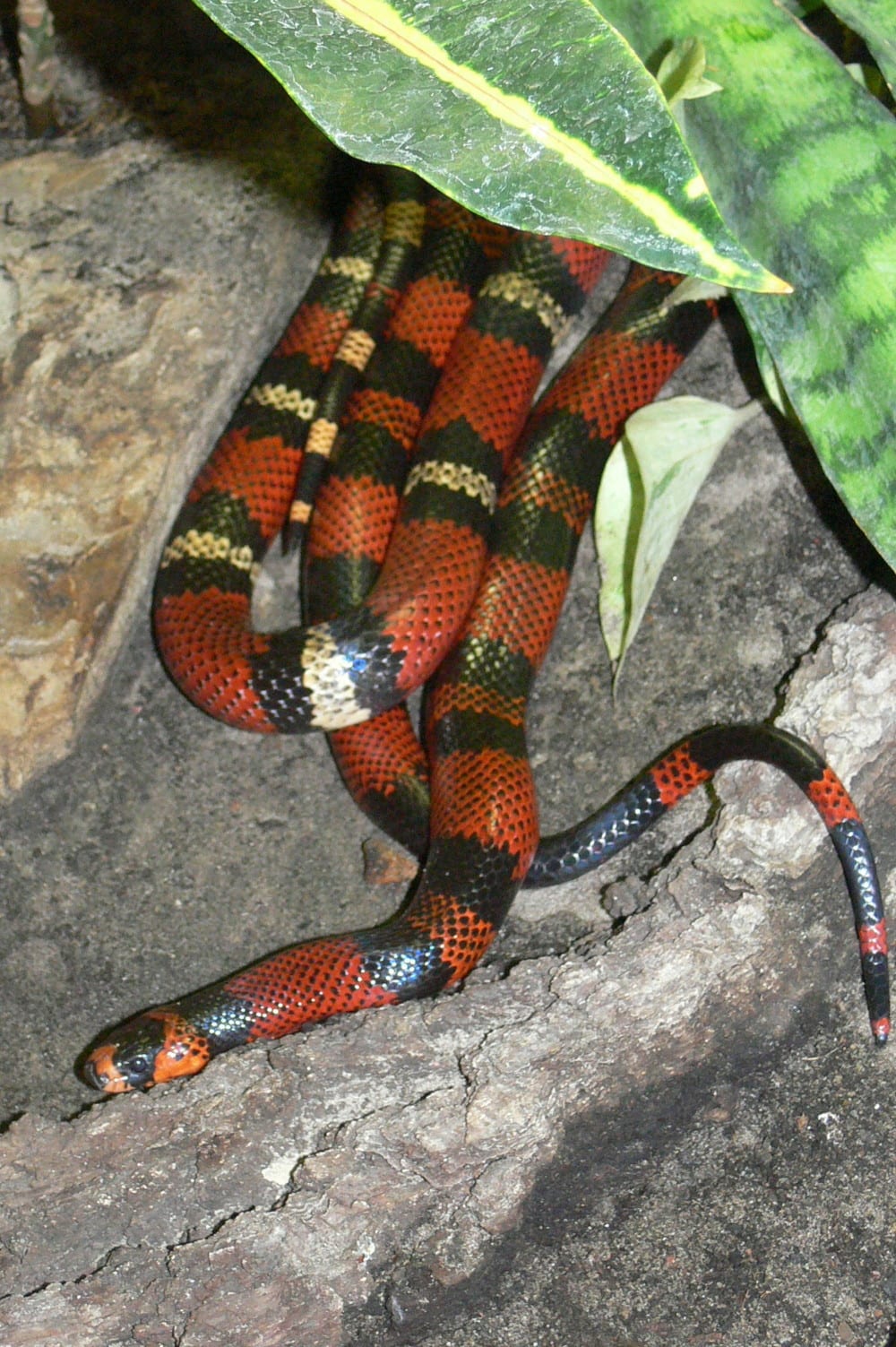
A large milk snake banded in red, black and yellow or orange. Adults reach 122-152 cm and it is a powerful constrictor for the genus. Hardy and a reliable feeder, it is easy to keep.
Difficulty
Beginner
Lifespan
Over 20 years in captivity
Size
122-152cm, up to about 210cm
Humidity
60〜80%
Diet
Frozen-thawed mice
About
Lampropeltis abnorma is a non-venomous colubrid ranging from southern Mexico through Central America. It was long treated as the subspecies hondurensis of the milk snake Lampropeltis triangulum, but the revision by Ruane et al. (2014) split the milk snake into several species and placed hondurensis within abnorma. Adults average 122 to 152 cm, with a record of 213 cm, making it a large and powerful constrictor by milk snake standards. The typical pattern is banding in red, black and yellow or orange, regarded as mimicry of venomous coral snakes, and selective breeding in captivity has produced many morphs including tangerine and albino forms. It occurs from sea level well up into mountainous terrain. In captivity it feeds readily and is hardy, making it a manageable beginner species, though as a tropical animal it needs higher humidity than other milk snakes.
Source: Wikipedia (CC BY-SA 4.0)
Lifespan of the Honduran Milk Snake
The Honduran Milk Snake lives Over 20 years in captivity.
Size of the Honduran Milk Snake
The Honduran Milk Snake grows to 122-152cm, up to about 210cm.
Basic Info
Origin
Southern Mexico through Guatemala, Honduras and Nicaragua to western Costa Rica
Lifespan
Over 20 years in captivity
Size
122-152cm, up to about 210cm
Humidity
Care Specifications
PeacefulSolitaryBreeding: Easy
Sources: The Bio Dude: Honduran Milksnake Care Sheet / Reptiles Magazine: Honduran Milk Snake Care and Breeding / ReptiFiles: Milksnake Care Sheet / Reptile Database
References & Sources
Edited & verified by: BreederDirect editorial team
The taxonomic, regulatory, and husbandry data on this page are compiled and verified against the authoritative primary sources below.
Taxonomy & Authority
Accepted name: Lampropeltis abnorma (Bocourt, 1886)
Synonyms: Coronella formosa abnorma Bocourt, 1886, Lampropeltis triangulum abnorma (Bocourt, 1886), Lampropeltis triangulum hondurensis Williams, 1978
Authority databases: GBIF · Reptile Database
Nomenclature follows global taxonomic authority databases.
Regulations & Conservation Status
Not CITES-listedIUCN LC · Least Concern
Not listed in any appendix of the Convention on International Trade in Endangered Species (CITES) (not registered in Species+). Does not fall under either the specified animals listed in the appended table of the Ordinance for Enforcement of the Animal Welfare and Management Law, nor the specified invasive alien species under the Invasive Alien Species Act.
Sources: CITES Appendices (species not listed) / IUCN Red List
Regulations may change. Always verify the latest information with the relevant authorities.
Honduran Milk Snake Listings
Loading latest listingsFind listings for this species