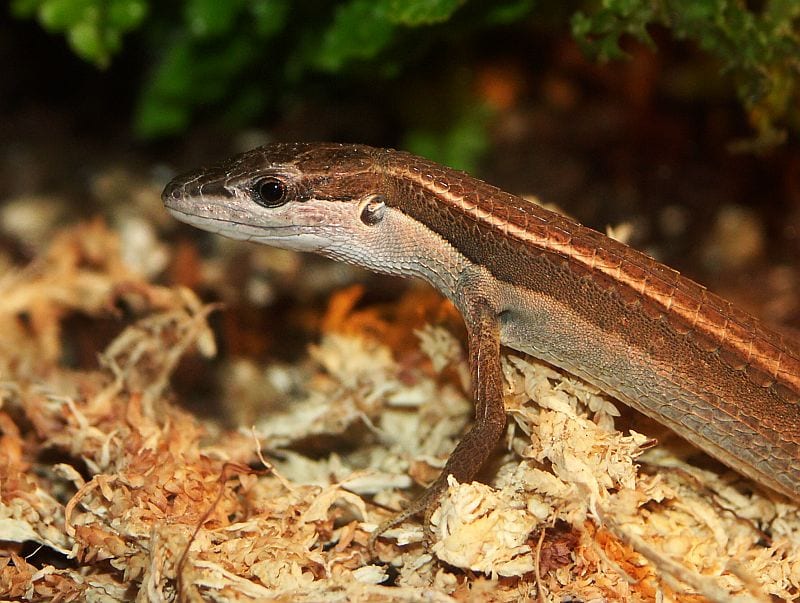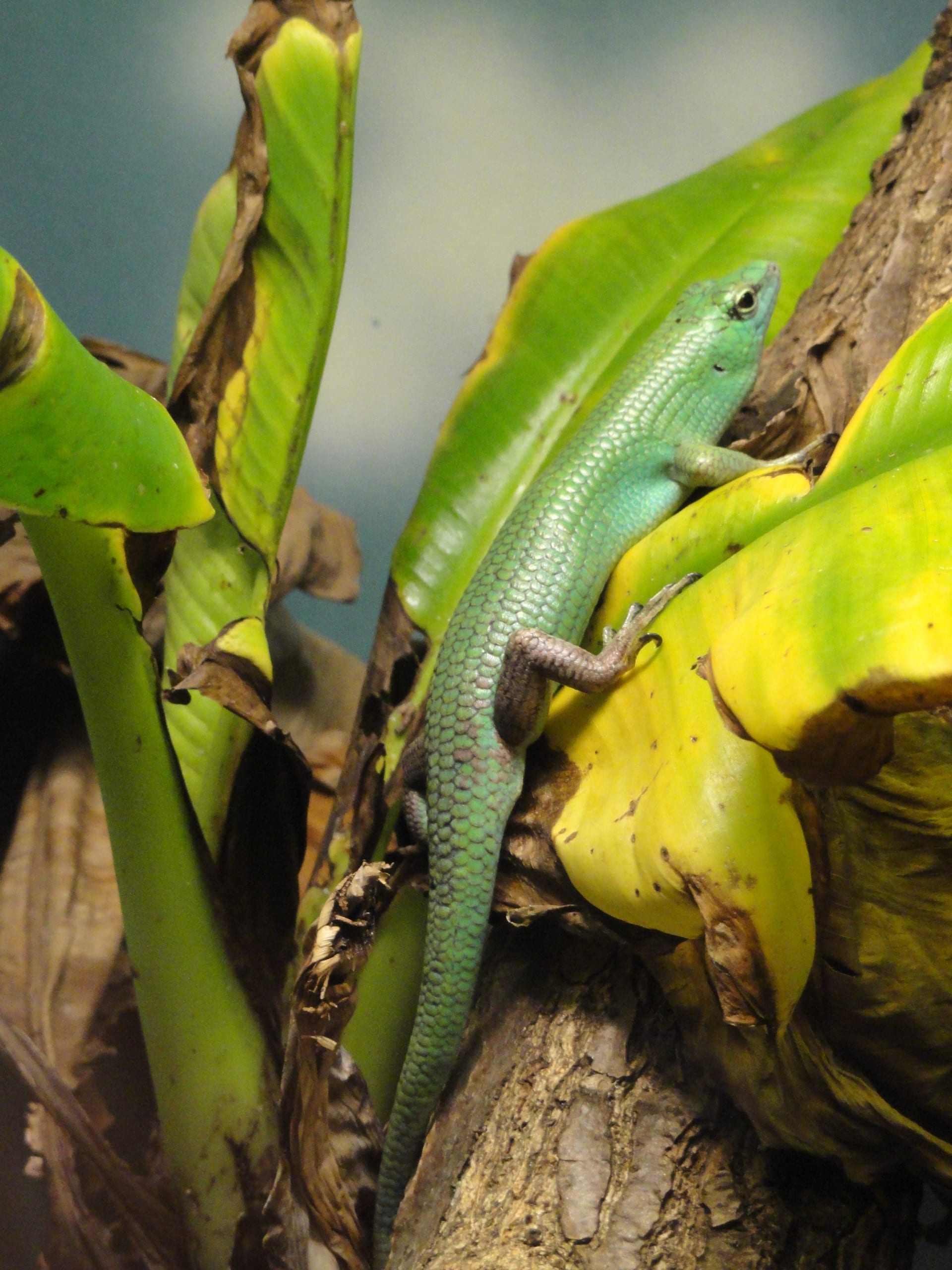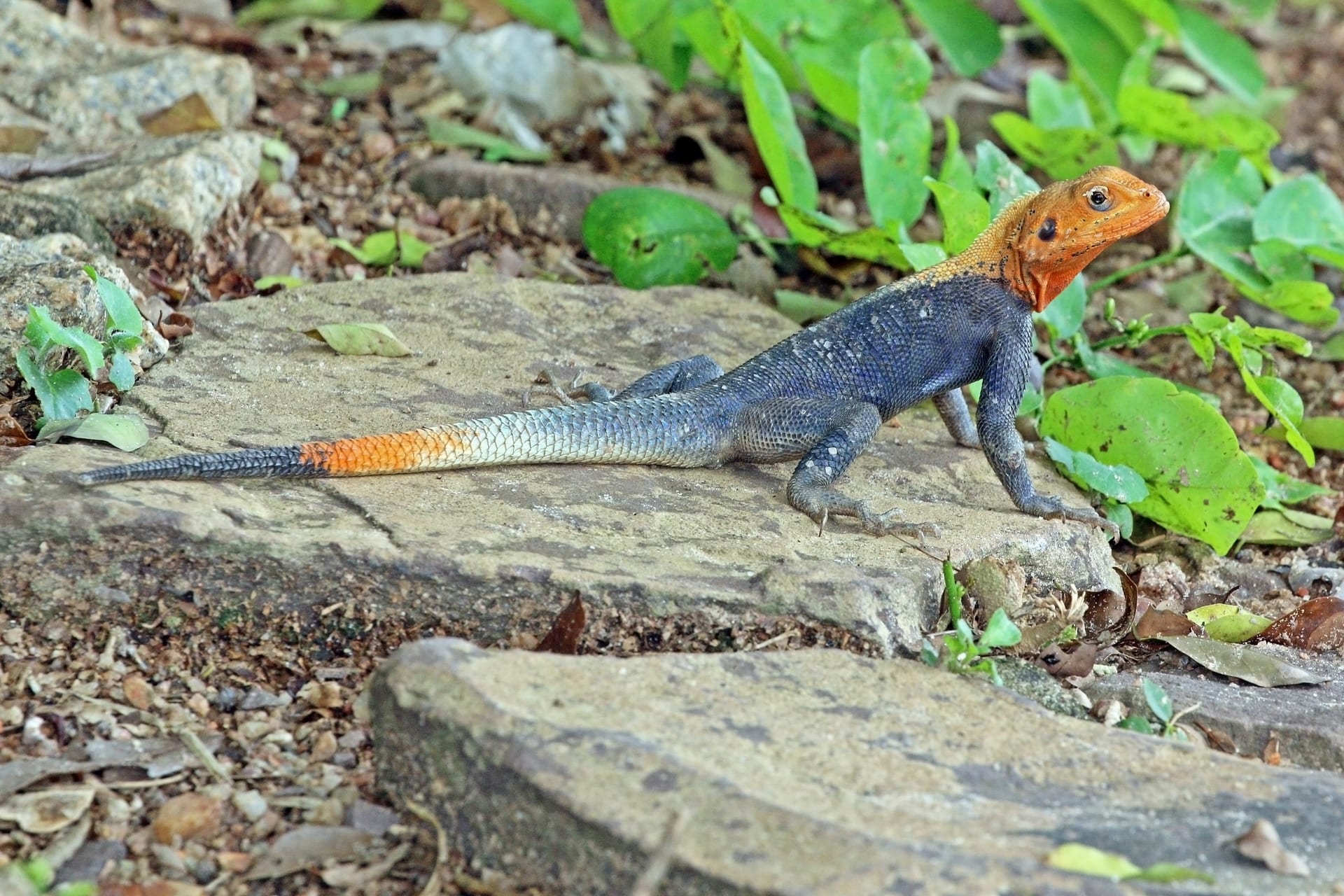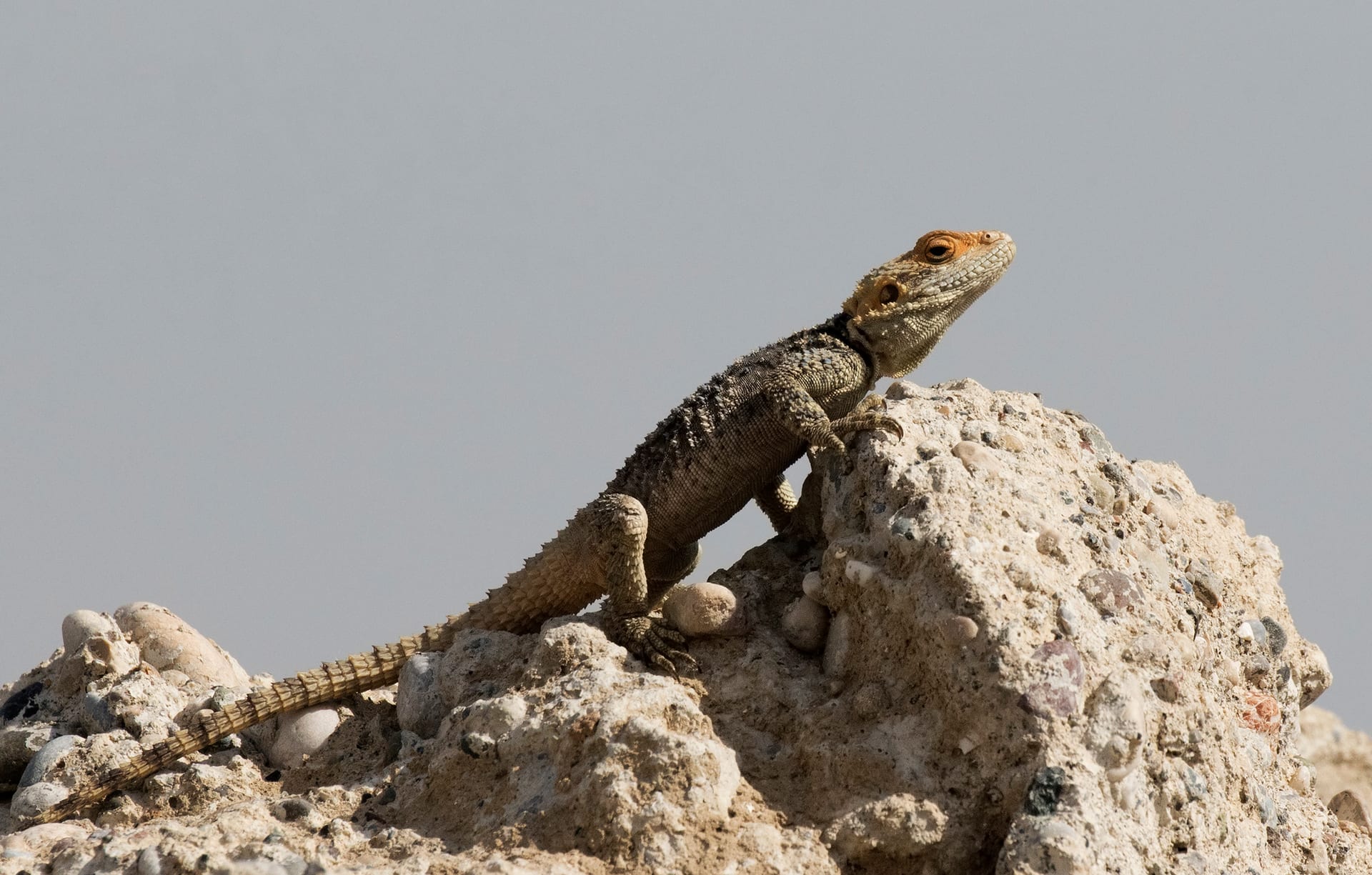
Source: Wikimedia Commons
Butterfly Agama
IntermediateLeiolepis belliana
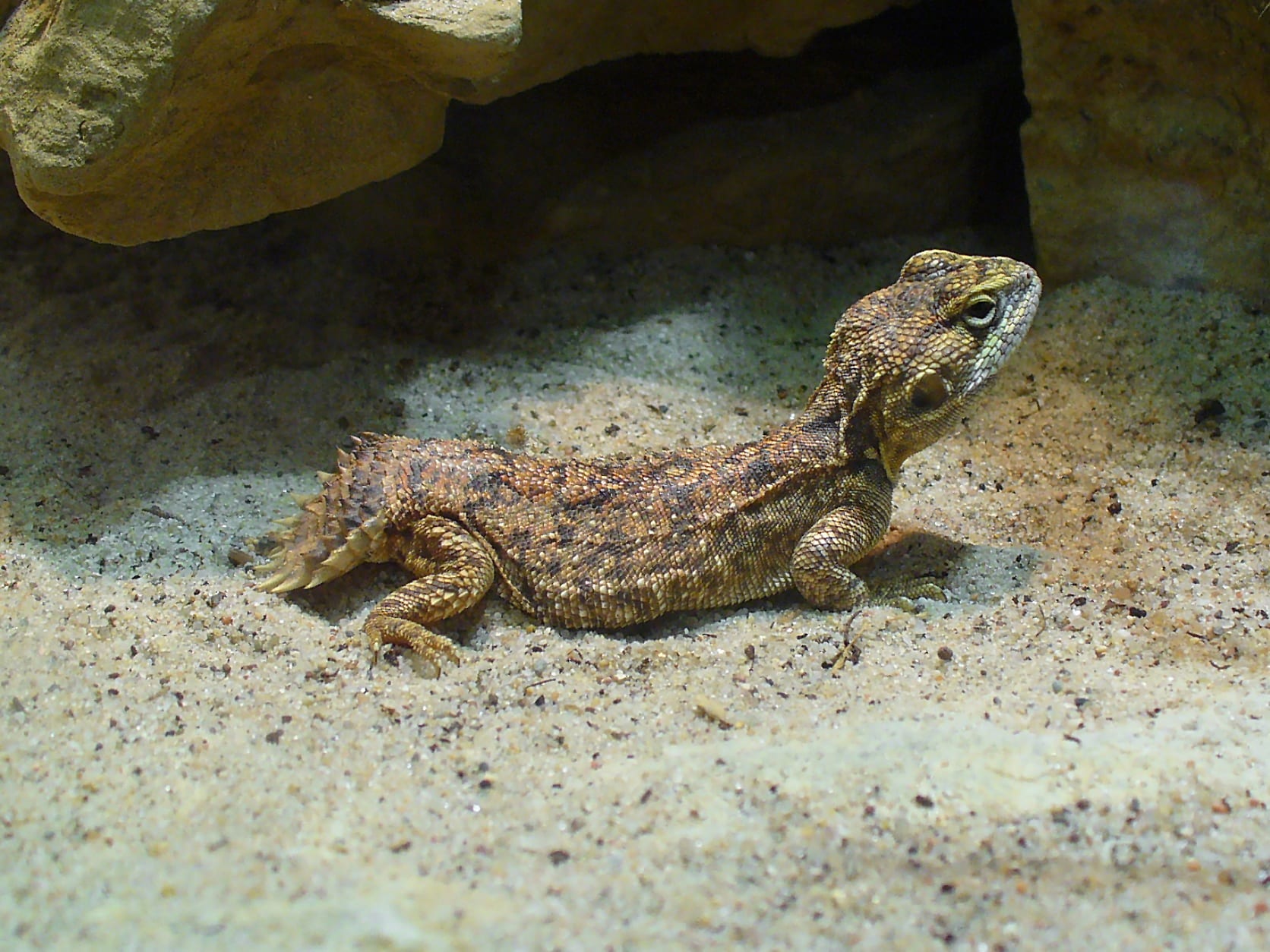
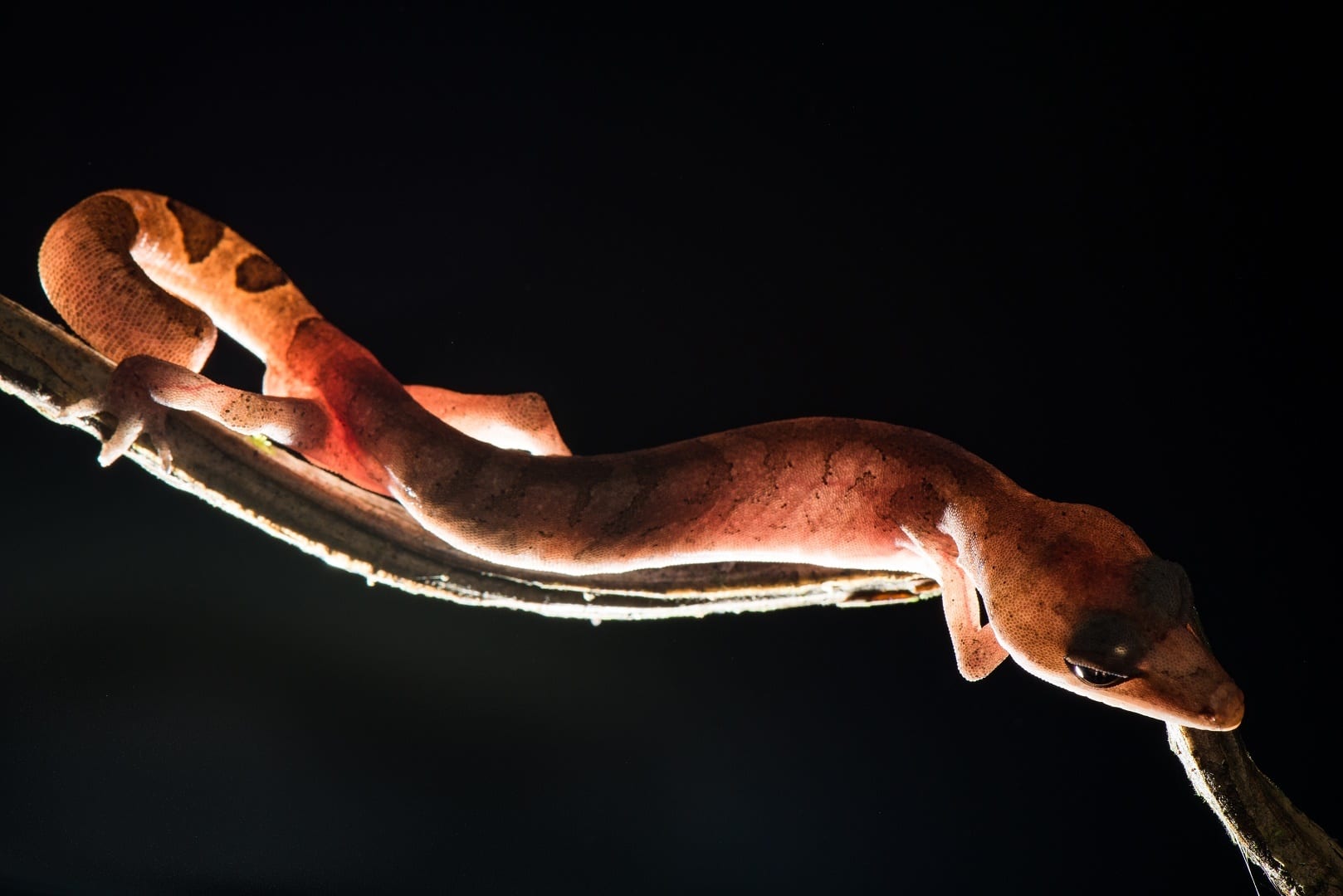
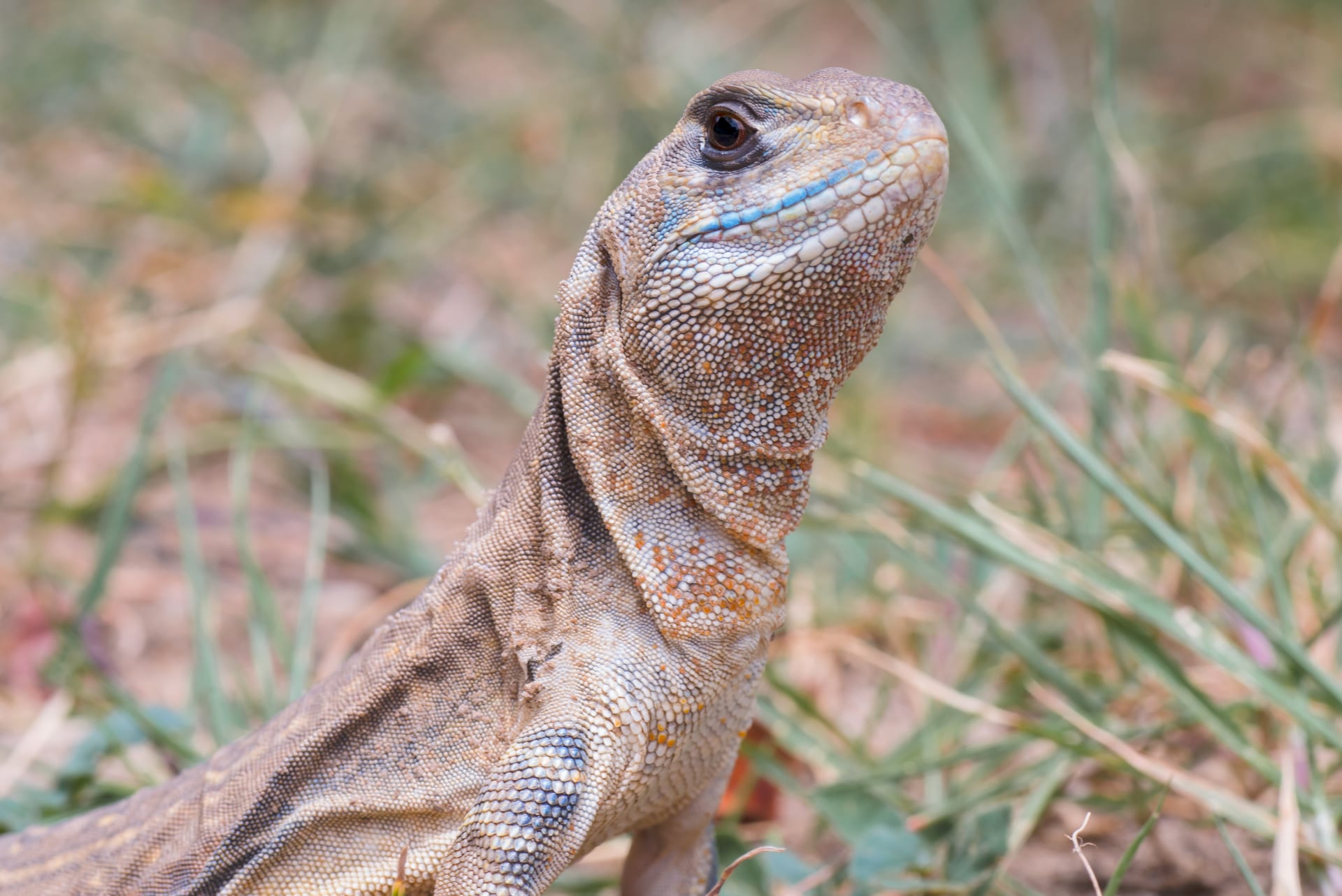
An agama named for the expandable flaps of skin on its flanks, which open out like butterfly wings. The tan to olive body carries yellow spots, and breeding males show bright red and black stripes along the sides.
Difficulty
Intermediate
Temperature
25〜32℃
Lifespan
10-15 years
Size
Up to about 38cm total length
Humidity
40〜70%
Diet
Omnivorous, mainly insects such as grasshoppers, beetle larvae and butterflies, with some plant material
About
The butterfly agama (Leiolepis belliana) is an agamid lizard of South-East Asia reaching about 38 cm in total length. It is tan to olive green with yellow spots on the back and fine orange and black lines along the flanks. The skin of the flanks forms expandable flaps that open out like butterfly wings, the source of the English name, and breeding males show bright red and black stripes on them. It favours open, dry ground and grassland with loose soil, digging a burrow averaging 30 cm deep and 70 cm long in which it spends the night. It is diurnal and omnivorous, feeding chiefly on insects such as grasshoppers, beetle larvae and butterflies, and also taking plants. It is reported to be strictly monogamous, pairs sharing a burrow. Females lay up to eight eggs at a time, and the young are reared in the parents' burrow for a few months before digging burrows of their own nearby. It has been recorded as an introduced species in Florida since 1992.
Source: Wikipedia (CC BY-SA 4.0)
Lifespan of the Butterfly Agama
The Butterfly Agama lives 10-15 years.
Size of the Butterfly Agama
The Butterfly Agama grows to Up to about 38cm total length.
Basic Info
Origin
Cambodia, Indonesia, Malaysia, Myanmar, Thailand and Vietnam, in open dry areas and grassland with loose soil
Lifespan
10-15 years
Size
Up to about 38cm total length
Care Specifications
Semi-aggressivePairBreeding: Hard
Sources: Reptile Database: Leiolepis belliana / Wikipedia (English): Common butterfly lizard / Wikipedia (English): Leiolepis
References & Sources
Edited & verified by: BreederDirect editorial team
The taxonomic, regulatory, and husbandry data on this page are compiled and verified against the authoritative primary sources below.
Taxonomy & Authority
Accepted name: Leiolepis belliana (Hardwicke & Gray, 1827)
Synonyms: Uromastyx belliana Hardwicke & Gray, 1827, Leiolepis bellii Gray, 1845
Authority databases: GBIF · Reptile Database
Nomenclature follows global taxonomic authority databases.
Regulations & Conservation Status
Not CITES-listedIUCN LC · Least Concern
Not listed in the CITES Appendices (no listing record in Species+). IUCN Red List assessment: Least Concern (LC). Not designated as a special animal under the Schedule to the Ordinance for the Enforcement of the Act on the Welfare and Management of Animals, nor as a specific invasive alien species under the Ordinance for the Enforcement of the Invasive Alien Species Act. In Florida, USA, it has been recorded as an introduced species since 1992.
Sources: CITES Species+ (species not listed) / IUCN Red List
Regulations may change. Always verify the latest information with the relevant authorities.
Butterfly Agama Listings
Loading latest listingsFind listings for this species