Source: Wikimedia Commons
Turnip-Tailed Agama
IntermediateXenagama taylori
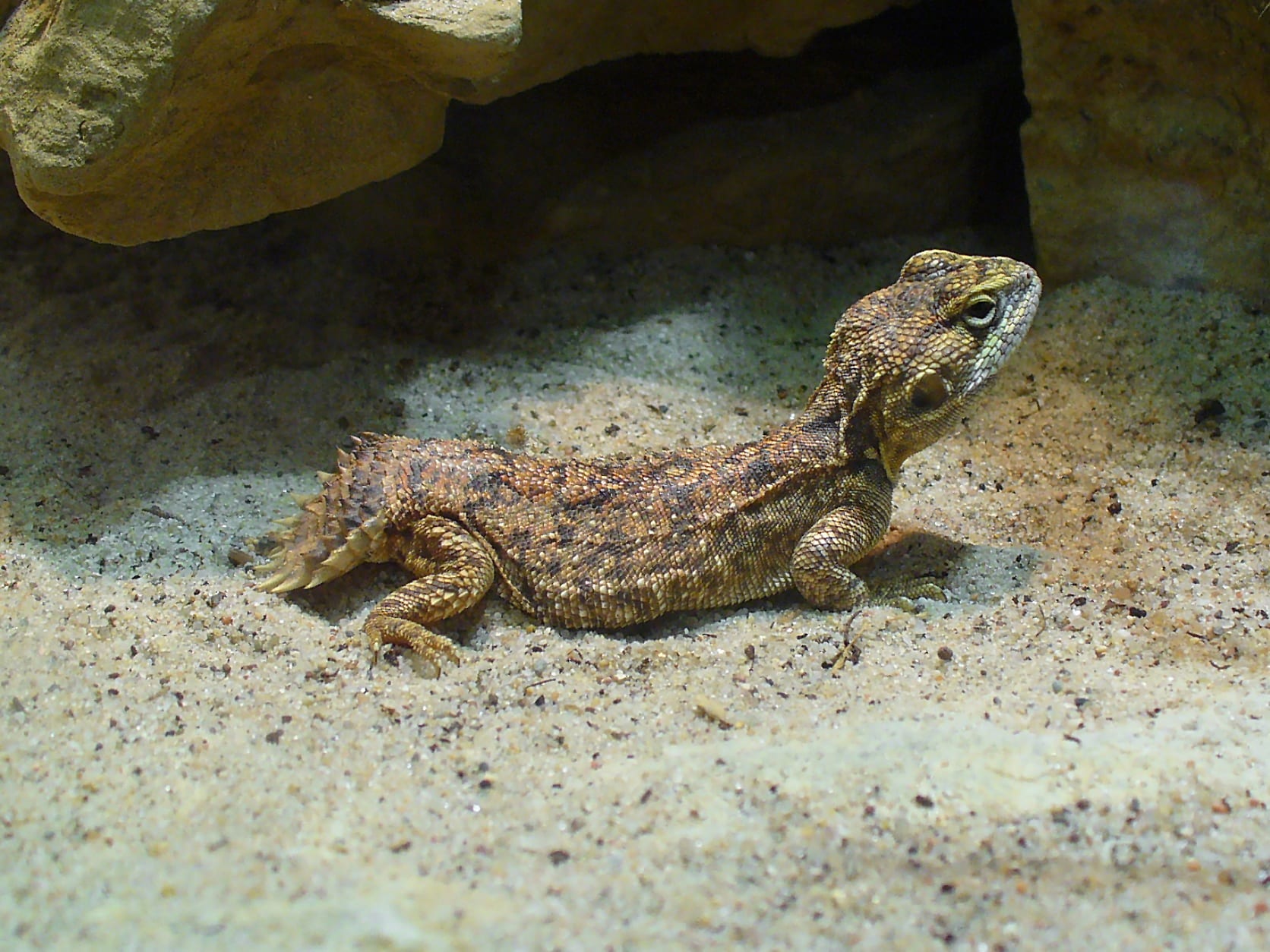
An agama with a curious tail: the base expands into a broad disc that ends abruptly in a slender filament. It is the smallest species of Xenagama, with males larger than females, and lives in the arid Horn of Africa.
Difficulty
Intermediate
Temperature
25〜32℃
Lifespan
3-5 years
Humidity
40〜70%
Diet
Small invertebrates, mainly insects
About
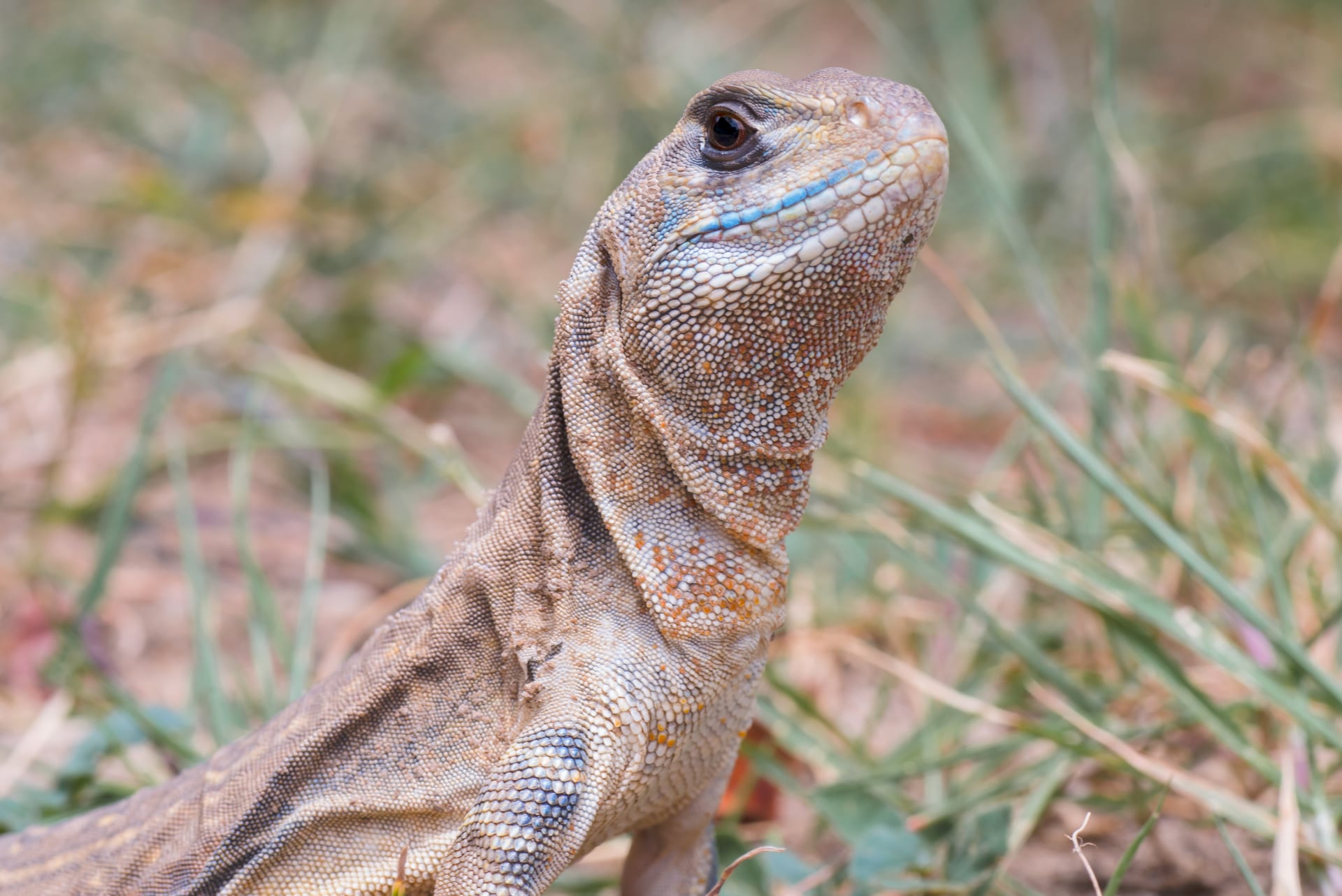
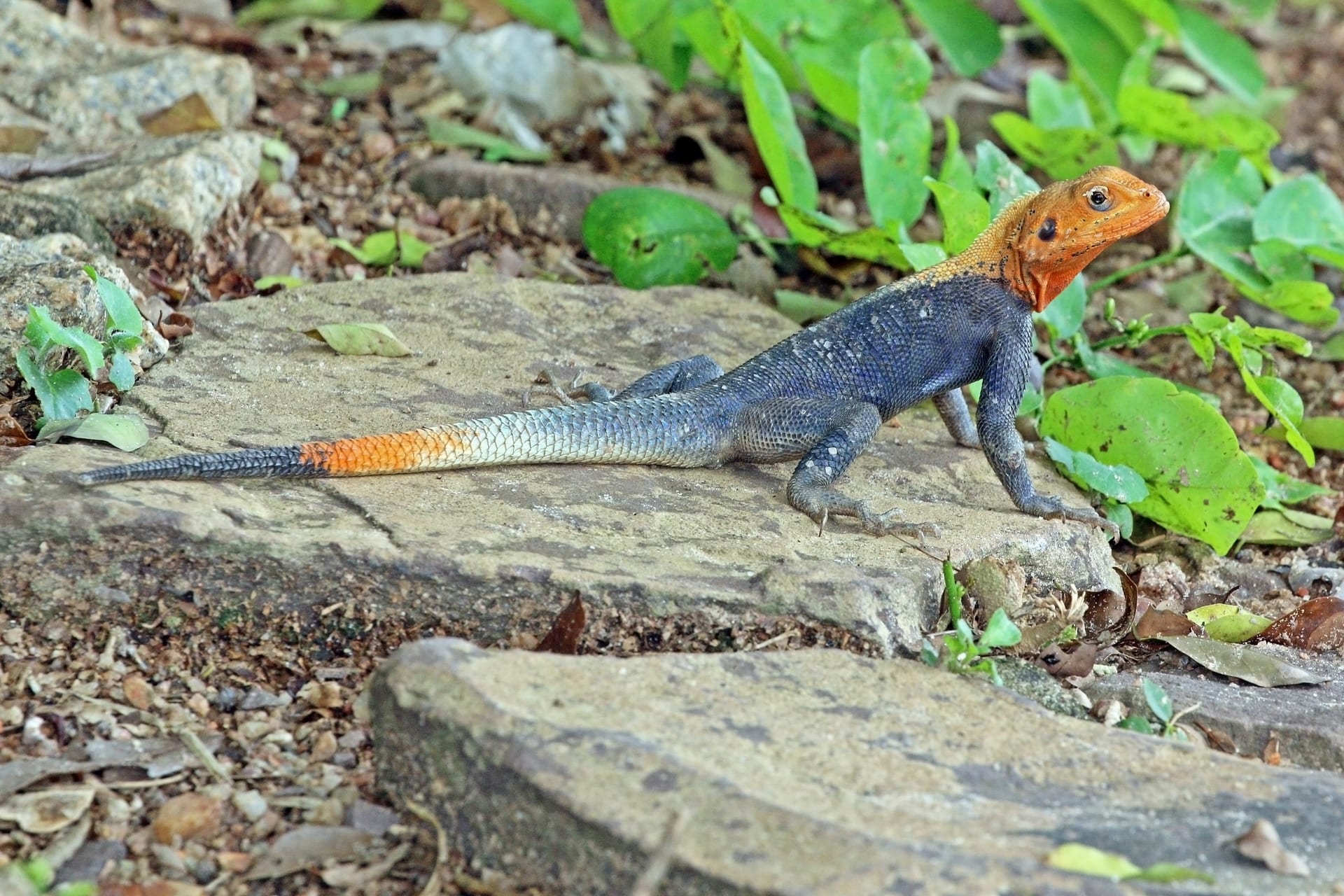
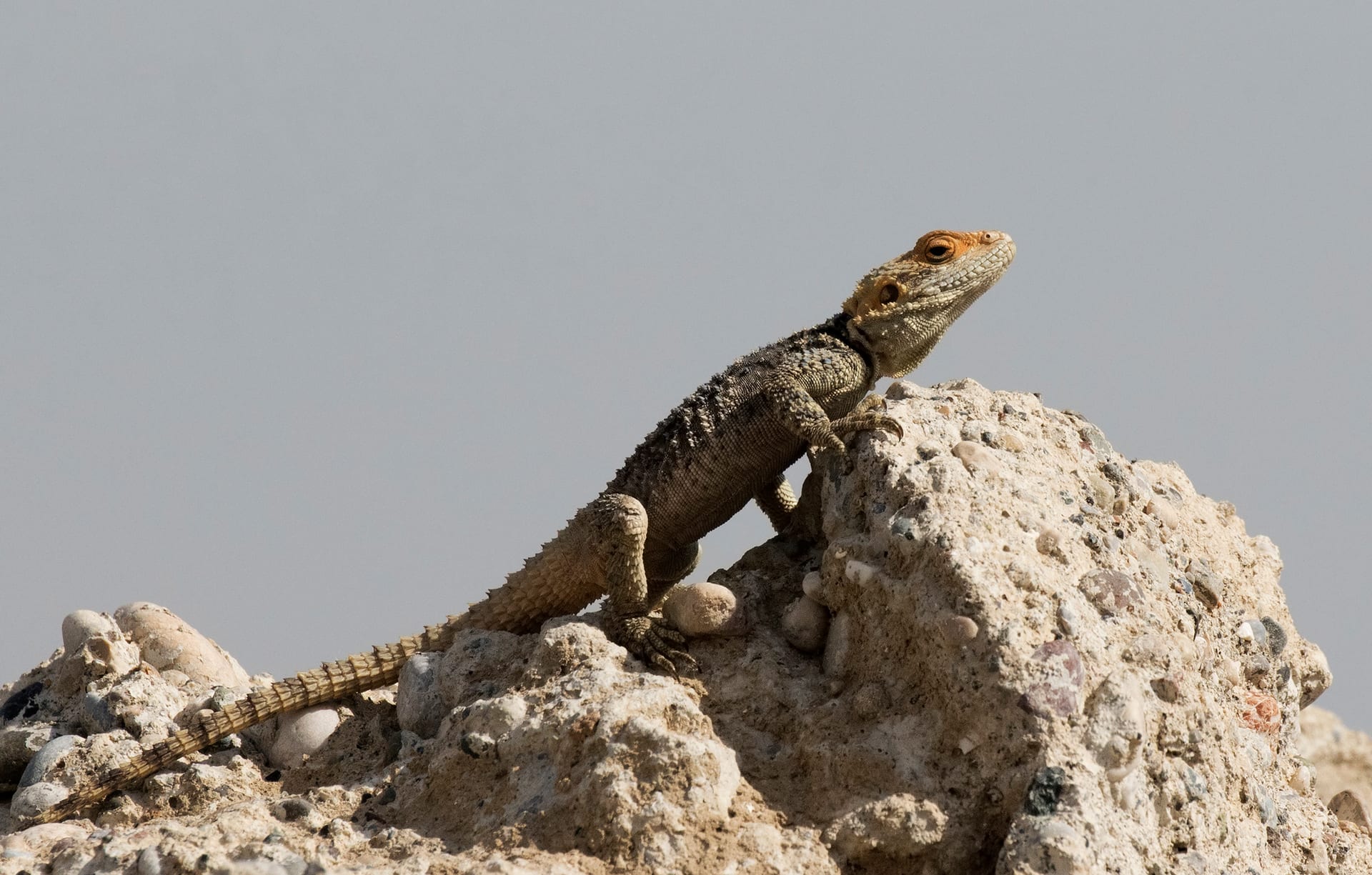
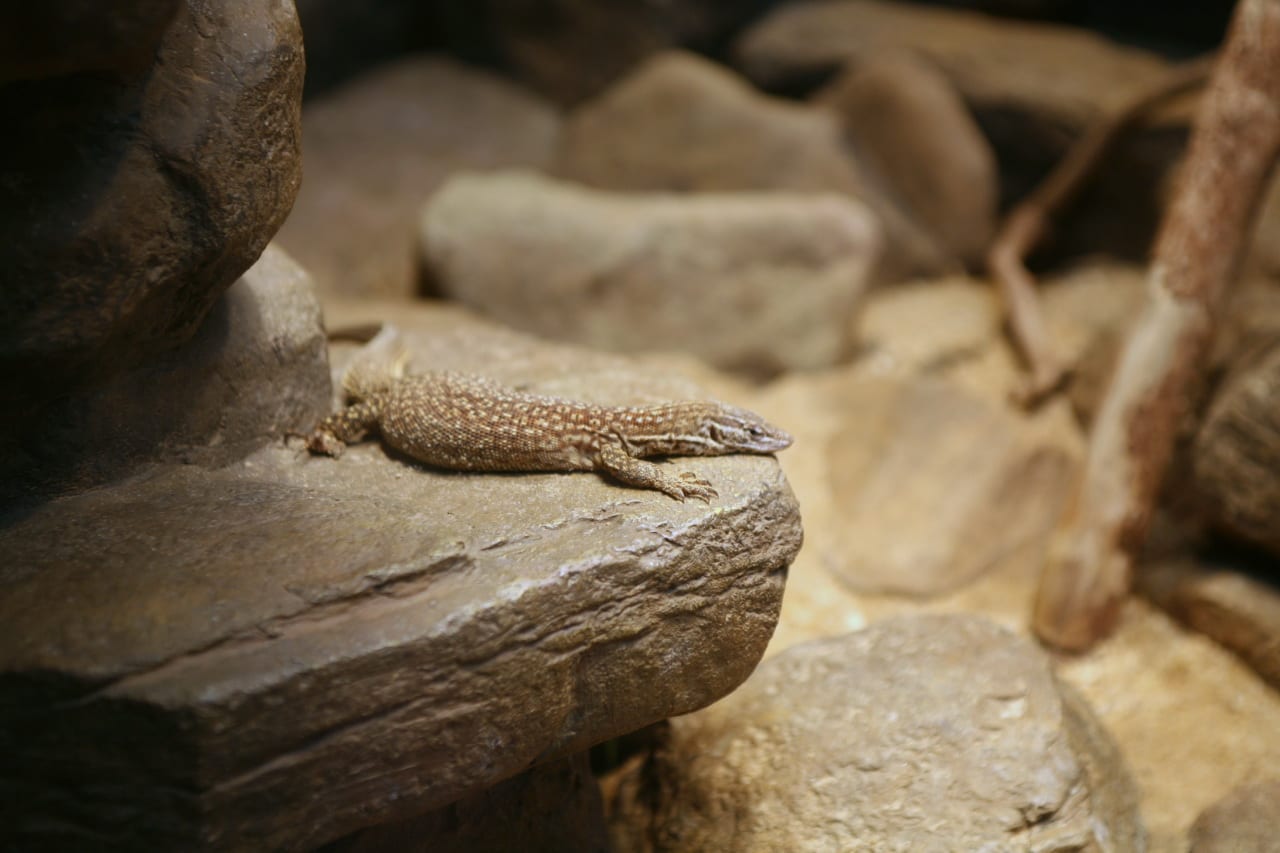
The turnip-tailed agama (Xenagama taylori) is an agamid lizard endemic to the Horn of Africa. It is the smallest species of Xenagama, with males larger than females. The tail is much shorter than the head and body, its base strongly developed into a disc that merges abruptly into a slender terminal filament, the shape that characterises the genus. Scales on the upper surface of the disc range from smooth to keeled and spinose, the keeled ones forming longitudinal rows from the base towards the filament. The discoidal part is arranged in whorls of a single scale ring each, while the filament has no distinct whorls. There is no nuchal crest, and the ear opening is bordered in front and above by a single row of short conical scales. It occurs in arid country in north-western Somalia and eastern Ethiopia and is oviparous. Husbandry records are few and little enters trade in Japan.
Source: Wikipedia (CC BY-SA 4.0)
Lifespan of the Turnip-Tailed Agama
The Turnip-Tailed Agama lives 3-5 years.
Basic Info
Origin
North-western Somalia and eastern Ethiopia in the Horn of Africa; the type locality is the Haud in Somalia at about 1,036 m elevation
Lifespan
3-5 years
Temperature
25〜32℃
Humidity
40〜70%
Diet
Small invertebrates, mainly insects
Care Specifications
Semi-aggressivePairBreeding: Moderate
Sources: Reptile Database: Xenagama taylori / Wikipedia (English): Shield-tailed agama / Wikipedia (English): Xenagama
References & Sources
Edited & verified by: BreederDirect editorial team
The taxonomic, regulatory, and husbandry data on this page are compiled and verified against the authoritative primary sources below.
Taxonomy & Authority
Accepted name: Xenagama taylori (Parker, 1935)
Synonyms: Agama taylori Parker, 1935
Authority databases: GBIF · Reptile Database
Nomenclature follows global taxonomic authority databases.
Regulations & Conservation Status
Not CITES-listedIUCN LC · Least Concern
Not listed in any CITES appendix (not recorded in Species+). IUCN Red List assessment: Least Concern (LC). This species is not included in either the specified animals listed in the appended table of the Ordinance for Enforcement of the Animal Welfare and Management Law, nor the specified invasive alien species under the Ordinance for Enforcement of the Invasive Alien Species Act.
Sources: CITES Species+ (species not listed) / IUCN Red List
Regulations may change. Always verify the latest information with the relevant authorities.
Turnip-Tailed Agama Listings
Loading latest listingsFind listings for this species