African Butterfly Fish (Pantodon) Care Guide | How to Keep the Living Fossil That Dominates the Water Surface | ブリちょく
Tropical Fish| ✍️ BreederDirect Editorial
African Butterfly Fish (Pantodon) Care Guide | How to Keep the Living Fossil That Dominates the Water Surface
Detailed guide on keeping African Butterfly Fish (Pantodon buchholzi). This unique tropical fish swims like a butterfly on the water surface. We'll cover escape prevention measures, use of floating plants, how to feed floating live foods like crickets, selecting compatible tank mates, and managing water quality in weakly acidic soft water.
Key Takeaways
Detailed guide on keeping African Butterfly Fish (Pantodon buchholzi). This unique tropical fish swims like a butterfly on the water surface. We'll cover escape prevention measures, use of floating plants, how to feed floating live foods like crickets, selecting compatible tank mates, and managing water quality in weakly acidic soft water.
African Butterfly Fish Overview
The African Butterfly Fish (scientific name: Pantodon buchholzi) is a freshwater fish native to West Africa, particularly the Congo River basin. It is the only living member of the family Pantodontidae, forming a genus of its own as a living fossil. It is said that its form has remained unchanged since the Cambrian period approximately 100 million years ago.
✍️
BreederDirect Editorial
The BreederDirect editorial team specializes in care information for animals, covering veterinary care and breeding to deliver beginner-friendly guides.
Find Tropical Fish on BreederDirect
Buy directly from verified breeders
Browse Related Listings
Find Tropical Fish listings related to this article on BreederDirect. Buy directly from verified breeders.
The name "Butterfly Fish" comes from its unique behavior of swimming just at the water surface, gliding across it with its greatly expanded pectoral fins (which resemble butterfly wings). Among aquarium enthusiasts, it is a unique tropical fish beloved by passionate fans who call it the "master of the water surface" or the "surface dweller."
Basic Specifications
Item
Details
Body Length
8–13 cm
Swimming Layer
Surface (just below the water surface)
Water Temperature
24–28°C
pH
6.0–7.0 (weakly acidic to neutral)
Hardness
Soft water (5–15 dGH)
Lifespan
5–10 years
Diet
Carnivorous (surface insects and small fish)
Setting Up the Aquarium
Tank Size and Shape
African Butterfly Fish are surface-only fish and prefer tanks with a large horizontal surface area. Prioritize width and depth over height.
Recommended Tank Size
Reason
60 cm standard or larger
Minimum for keeping 1–2 individuals
90 cm or larger
Provides ample space for multiple fish or community tanks
30–40 cm depth is acceptable
Surface area is more important than bottom substrate layout
The Necessity of a Lid
African Butterfly Fish are highly skilled at jumping out of water, capable of leaping several tens of centimeters when startled. Keeping them in a tank without a lid can result in escape or death, so a complete cover or a tank with a built-in rim is essential.
Use of Aquatic Plants and Floating Plants
Floating plants (such as duckweed, Ludwigia, or Amazon frogbit) provide the following benefits when floated on the water surface.
Stress reduction (hiding places and light adjustment)
Replication of a natural habitat
Buffering for jumps (if there is floating plant coverage)
However, if floating plants completely cover the water surface, they cannot access air, so limit floating plant coverage to about 30–50% of the water surface.
Filter and Water Current
They dislike strong water currents. Use a sponge filter or direct the outflow pipe of an external filter toward the tank wall to weaken the current, or position it so water doesn't directly hit the surface.
Feeding
Diet and Foods
African Butterfly Fish are typical surface feeders. They only eat food that floats on the water surface, so sinking foods are ineffective.
Food Type
Acceptance
Notes
Crickets (small to medium)
Excellent
Most natural food; good nutritional balance
Mealworms
High
Easy to obtain; unbalanced nutrition, not ideal as a staple
Two-spotted crickets
High
Somewhat large; suitable for larger individuals
Artificial floating pellets
Varies by individual
Some will eat them if acclimated, but it often takes time to switch
Mosquitofish, small fish, or brine shrimp
Medium to high
Juveniles may consume them; be careful when selecting tank mates
Switching to artificial food: Wild-caught or unhealthy individuals may only eat live foods. An effective approach is to first stabilize their appetite with crickets, then place artificial pellets near the crickets to acclimate them.
Feeding Frequency
Age of Individual
Feeding Frequency
Juveniles to adults
1–2 times per day
Established adults
Once per day or once every two days
Feed an amount that can be consumed within 2–5 minutes per feeding. Remove any uneaten food immediately, as it degrades water quality.
Considerations for Tank Mates
Careful consideration is required when housing African Butterfly Fish with other species.
Compatible Fish
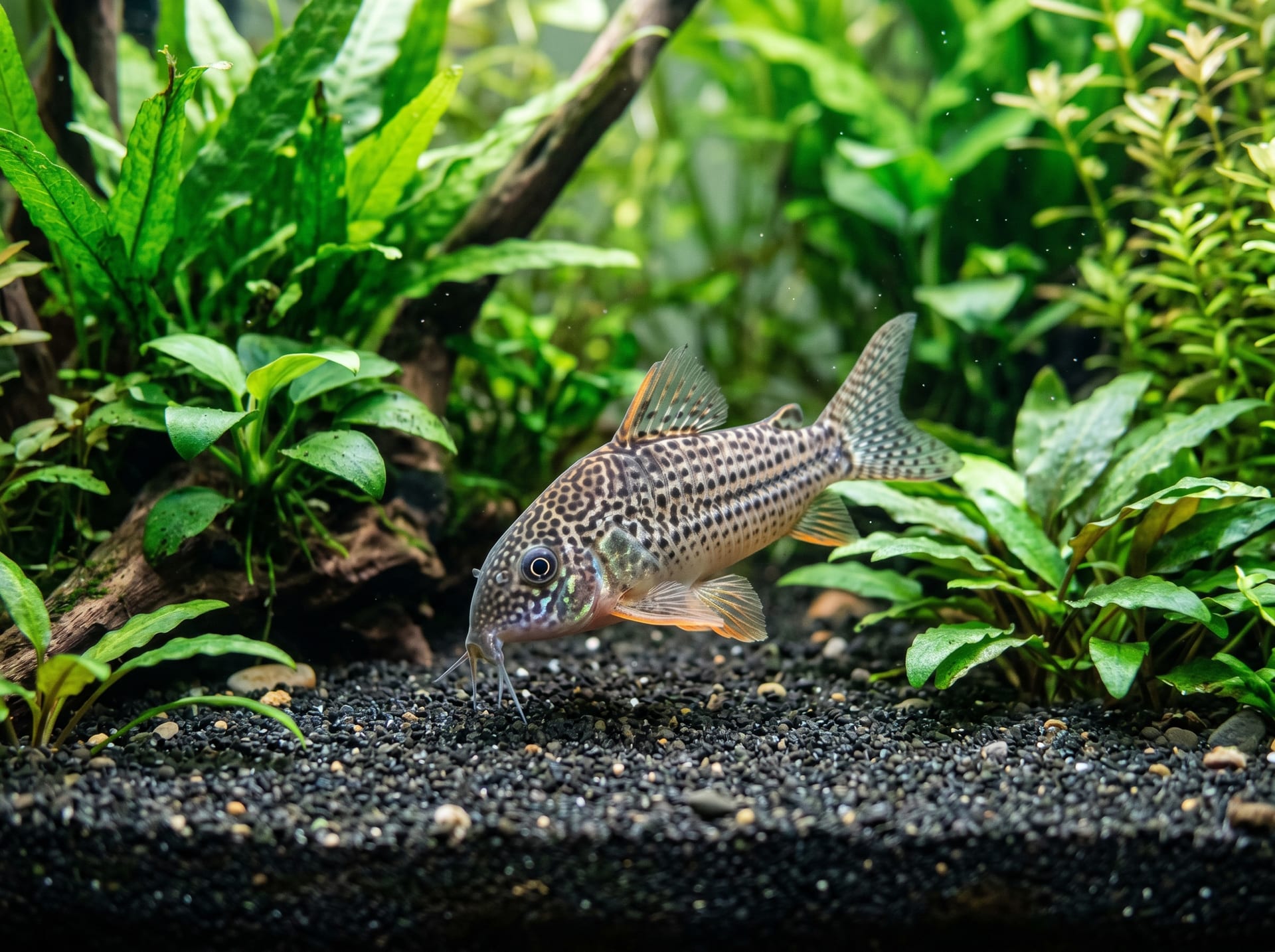
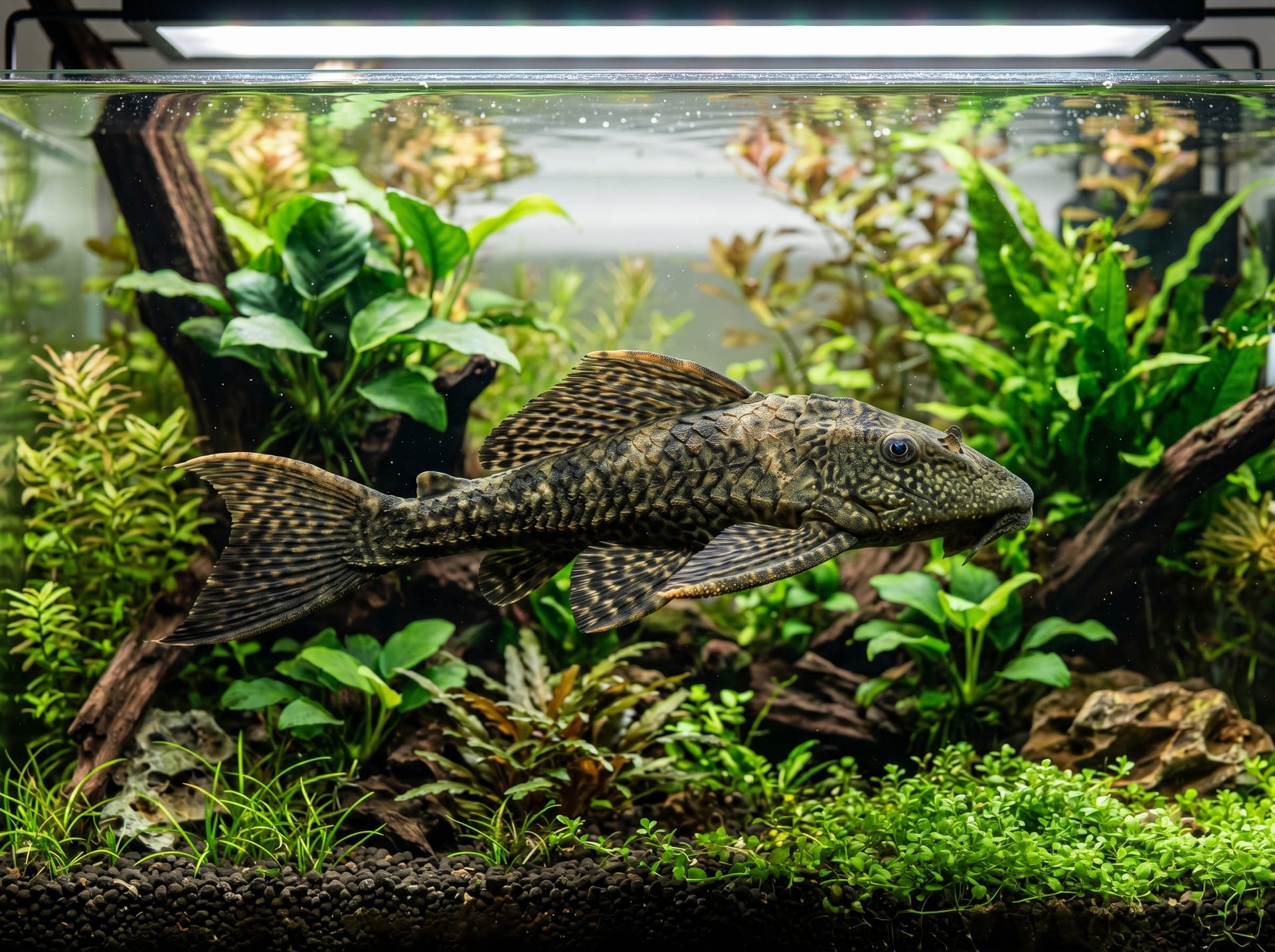
Peaceful mid- to bottom-dwelling fish (such as corydoras and plecos)
Medium-sized fish that are large enough not to fit in its mouth
Incompatible or Problematic Fish
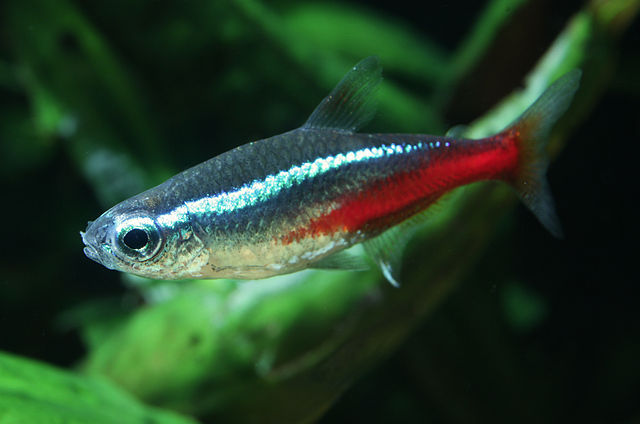
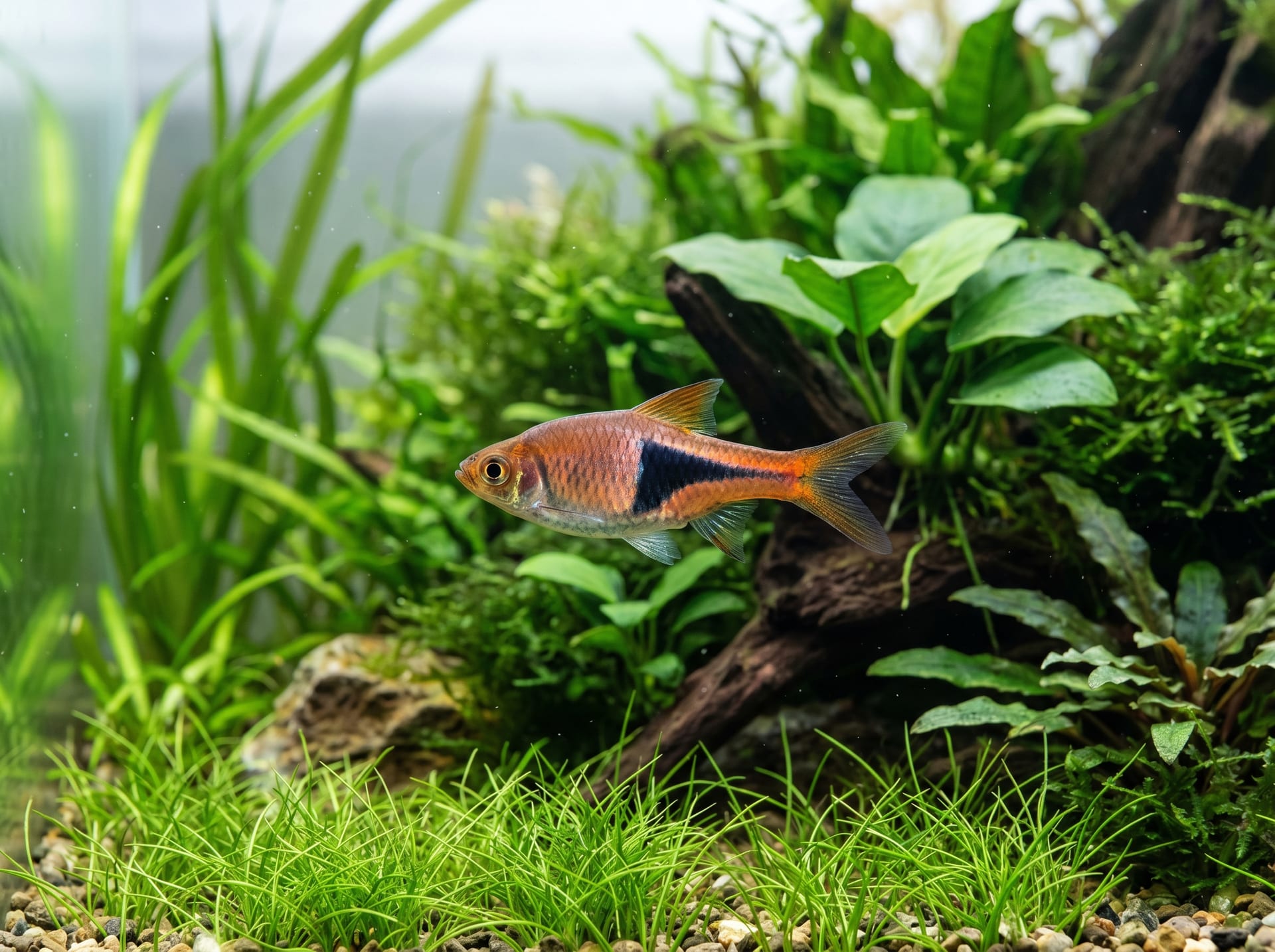
Small fish that fit in its mouth (such as rasboras and neon tetras) → risk of predation
Aggressive or territorial fish → stress for the butterfly fish
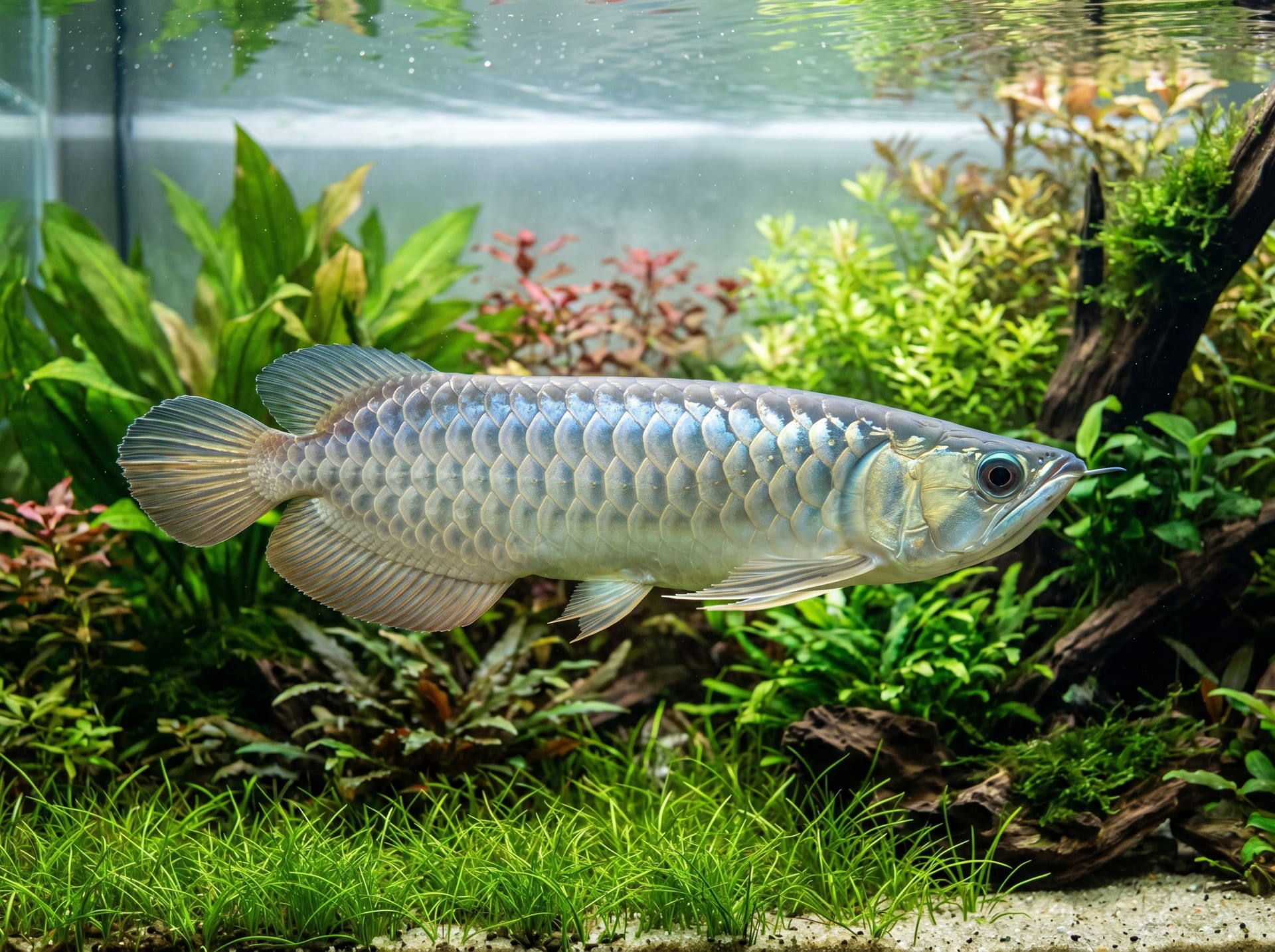
Other surface feeders (such as arowanas) → competition and aggression
Multiple individuals of the same species: Due to territorial behavior, 1–2 individuals are appropriate for a 60 cm tank. For multiple individuals, provide a larger tank (90–120 cm or more) with space for them to disperse.
Water Quality Management
African Butterfly Fish are native to the soft water and weakly acidic conditions of the Congo River.
Parameter
Target
Water Temperature
24–28°C
pH
6.0–7.0
Hardness
5–15 dGH (soft water)
Ammonia/Nitrite
Undetectable
Nitrate
40 mg/L or less
Perform water changes once per week at approximately 1/3 of the tank volume. Sudden water quality changes affect their weak immune system, so add dechlorinated water of the same temperature gently.
Common Diseases
Symptom
Suspected Disease
Treatment
White powder-like spots
Ich (White spot disease)
Raise water temperature to 28–30°C; medicinal bath
Body sores or moss-like growths
Fungal or bacterial infection
Antibacterial treatment; improve water quality
Listless floating or sudden color change
Stress or poor water quality
Water change; improve environment
Loss of appetite or emaciation
Internal parasites or digestive disorder
Antiparasitic medication; consult a tropical fish veterinarian
Summary
The African Butterfly Fish is a mysterious fish said to have remained unchanged for 100 million years. Its unique appearance, gliding across the water surface with its large pectoral fins spread like butterfly wings, gives the aquarium an overwhelming presence. The key points for keeping them are three: "a secure lid to prevent escape," "avoiding strong water currents," and "providing floating live foods." If you maintain a stable supply of crickets and keep the water weakly acidic and soft, you can enjoy this long-lived tropical fish for nearly 10 years.