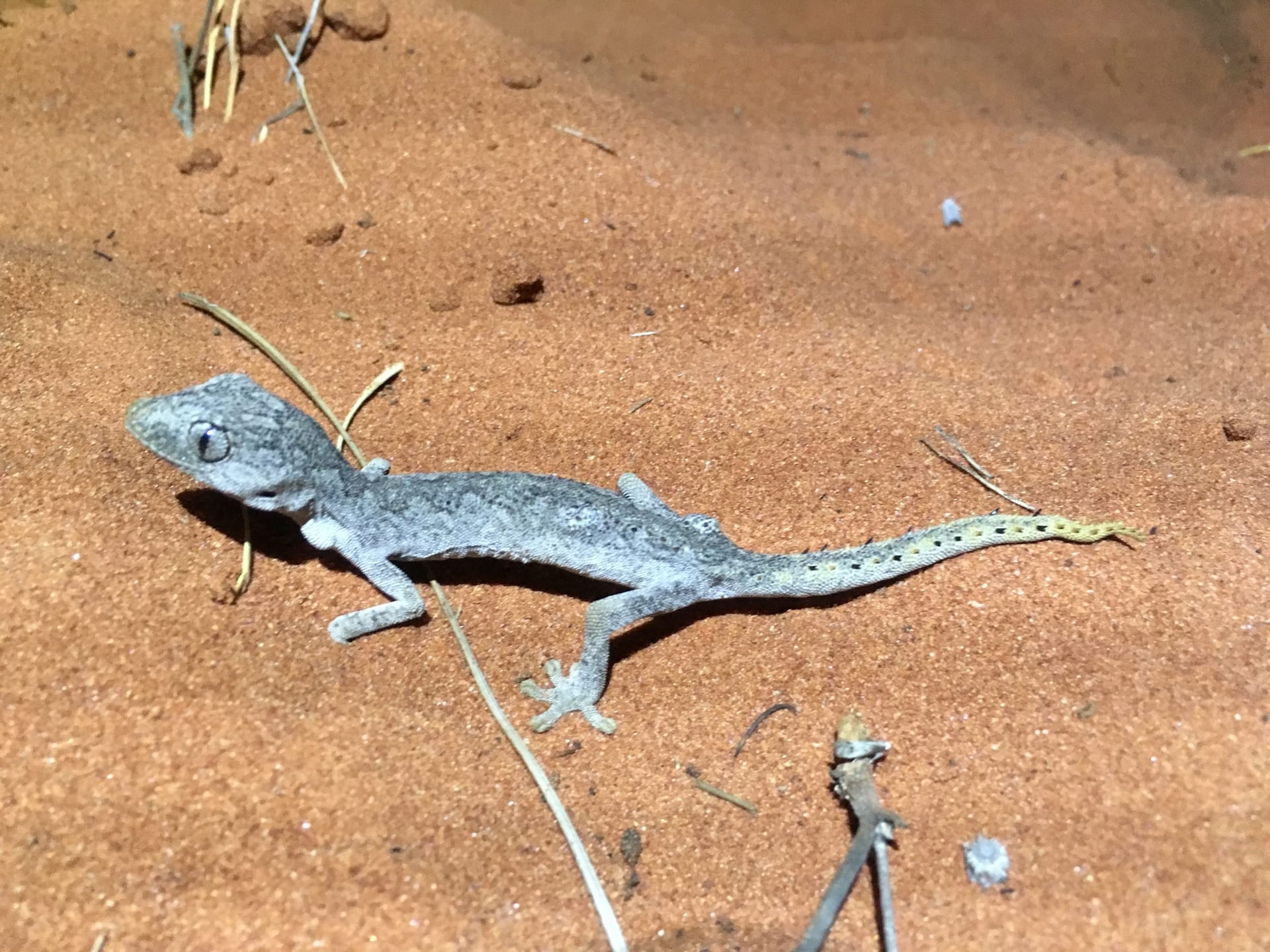
Source: Wikimedia Commons
Northern Spiny-Tailed Gecko
IntermediateStrophurus ciliaris
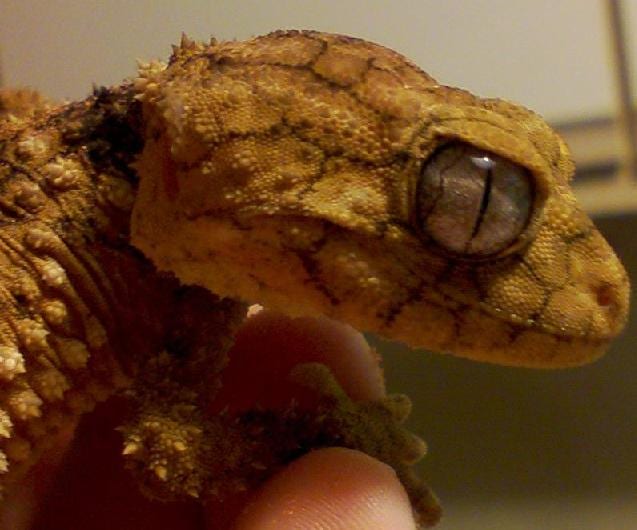
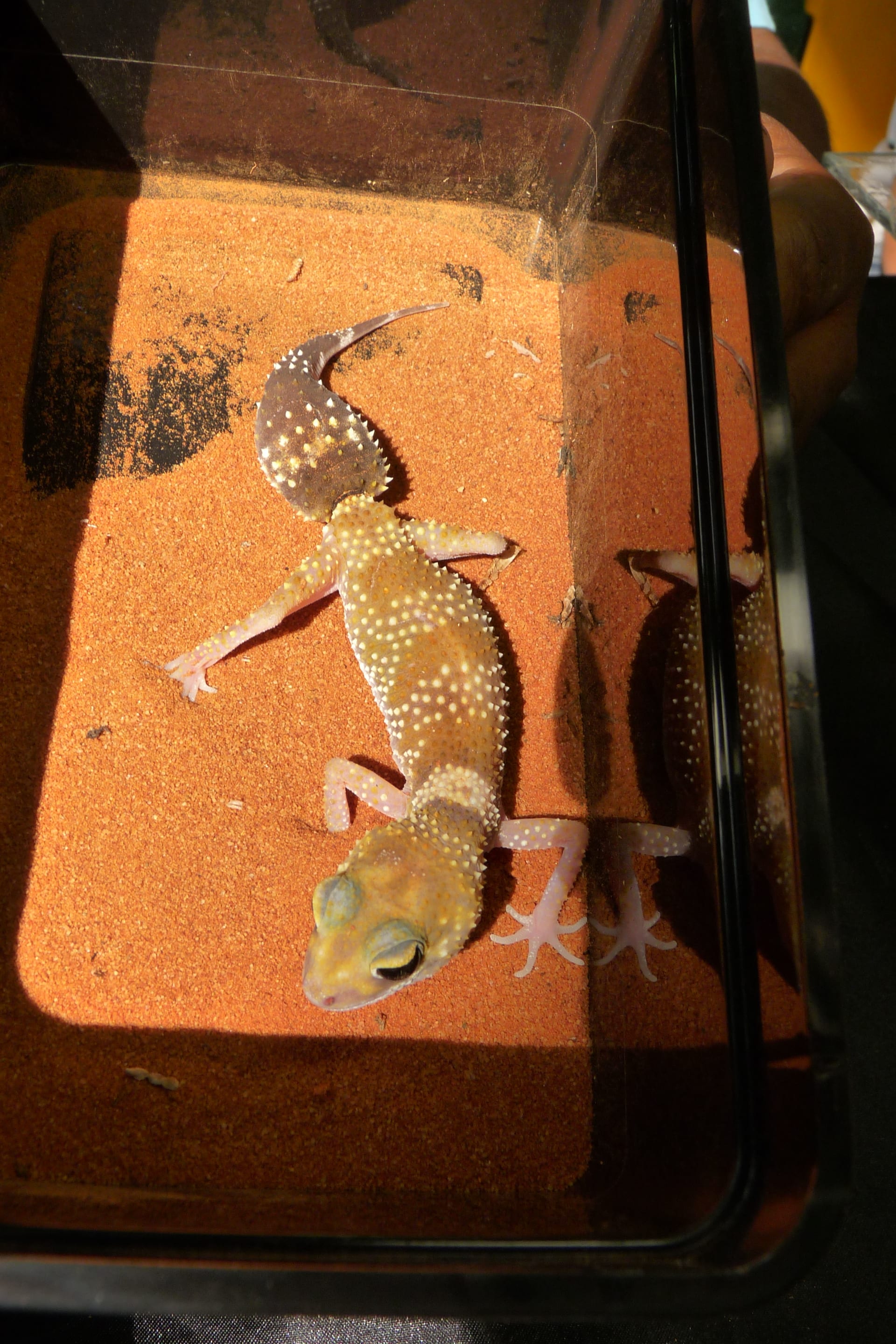
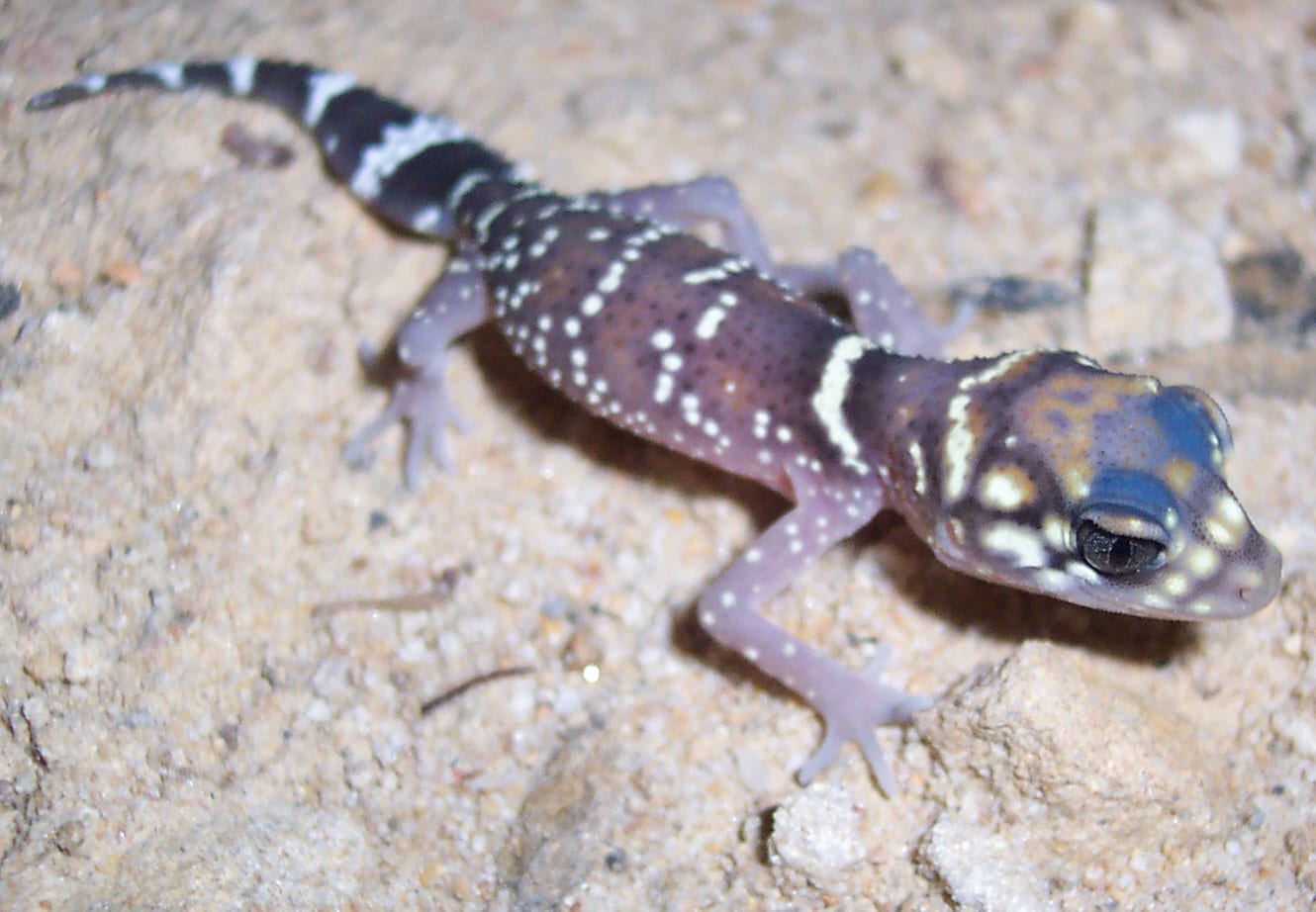
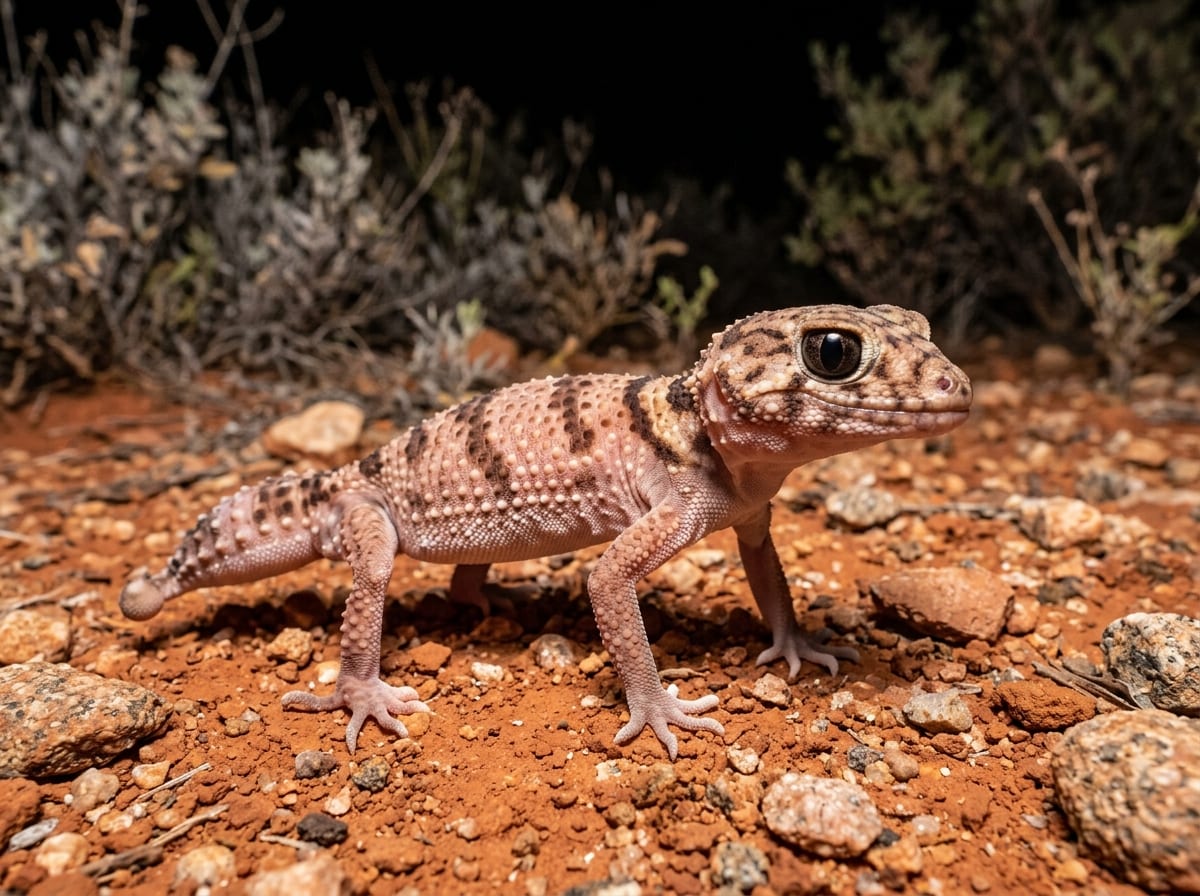
An Australian endemic arboreal gecko with rows of long spines above the eye and along the tail. It reaches about 14 cm, and like all Strophurus it squirts a foul-smelling fluid from the tail when alarmed.
Difficulty
Intermediate
Temperature
25〜32℃
Lifespan
10-15 years
Size
Up to 13.8cm total length
Humidity
40〜70%
Diet
Carnivorous: small insects and other arthropods
About
The northern spiny-tailed gecko (Strophurus ciliaris) is a diplodactylid gecko endemic to arid and semi-arid Australia. It reaches a total length of 13.8 cm and is distinguished by rows of long spines above the eye and along the tail; the epithet derives from Latin supercilium, eyebrow. Two subspecies are recognised, the nominate S. c. ciliaris and S. c. aberrans, in which the non-spinose scales of the tail are tubercular rather than granular. In common with all Strophurus, it deters predators by squirting a harmless but foul-smelling fluid from glands in the tail. It lives among shrubs and hummock grass and, though nocturnal, will expose itself on outer branches by day. Clutch size is two eggs. Availability in Japan is very limited.
Source: Wikipedia (CC BY-SA 4.0)
Lifespan of the Northern Spiny-Tailed Gecko
The Northern Spiny-Tailed Gecko lives 10-15 years.
Size of the Northern Spiny-Tailed Gecko
The Northern Spiny-Tailed Gecko grows to Up to 13.8cm total length.
Basic Info
Origin
Arid and semi-arid Australia (Northern Territory, Western Australia, western Queensland, northern South Australia and New South Wales), among shrubs and hummock grass
Lifespan
10-15 years
Size
Up to 13.8cm total length
Temperature
Care Specifications
Semi-aggressiveSolitaryBreeding: Moderate
Sources: Reptile Database: Strophurus ciliaris / Wikipedia (English): Strophurus / Wikipedia (English): Northern spiny-tailed gecko
References & Sources
Edited & verified by: BreederDirect editorial team
The taxonomic, regulatory, and husbandry data on this page are compiled and verified against the authoritative primary sources below.
Taxonomy & Authority
Accepted name: Strophurus ciliaris (Boulenger, 1885)
Synonyms: Diplodactylus ciliaris Boulenger, 1885, Diplodactylus ciliaris aberrans Glauert, 1952
Authority databases: GBIF · Reptile Database
Nomenclature follows global taxonomic authority databases.
Regulations & Conservation Status
CITES Appendix IIIIUCN LC · Least Concern
Strophurus spp. is listed in CITES Appendix III at Australia's request (effective 22 June 2022). As an Appendix III species, special international registration is not required. Australia prohibits the export of wild animals native to its territory; all animals in trade are restricted to captive-bred individuals. It is not designated as a Special Animal under the Animal Welfare and Management Act nor as a Designated Invasive Species.
Sources: CITES Species+ (Strophurus spp., Appendix III, Australia, effective 22 June 2022) / IUCN Red List
Regulations may change. Always verify the latest information with the relevant authorities.
Northern Spiny-Tailed Gecko Listings
Loading latest listingsFind listings for this species