Source: Wikimedia Commons
Smooth Knob-Tailed Gecko
IntermediateNephrurus levis
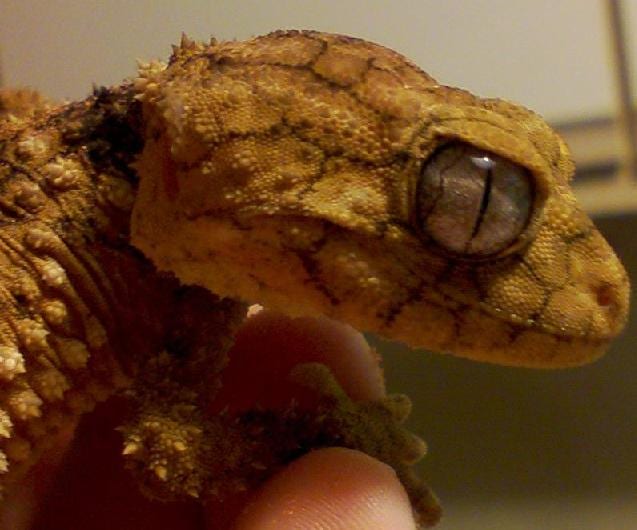
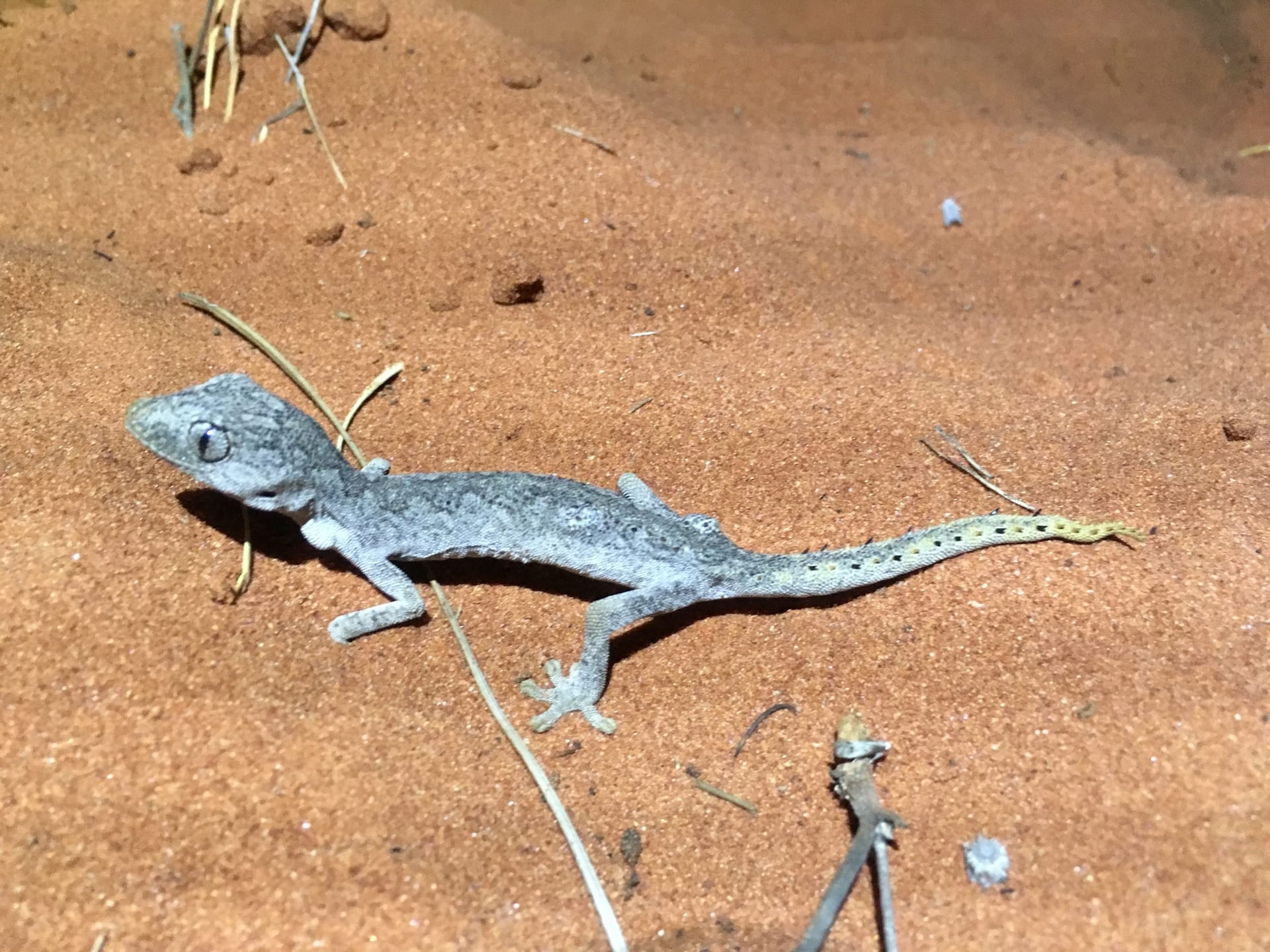
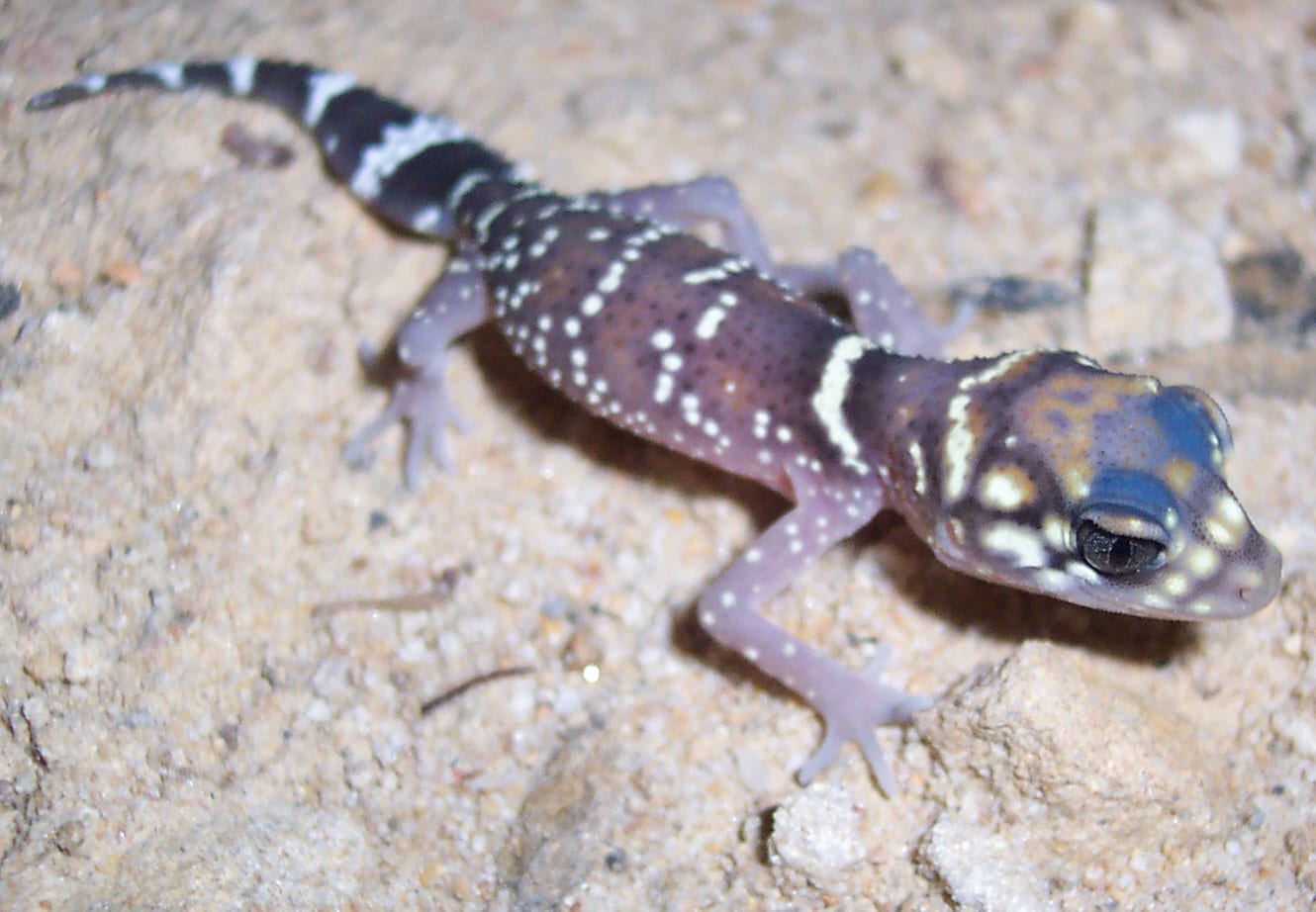
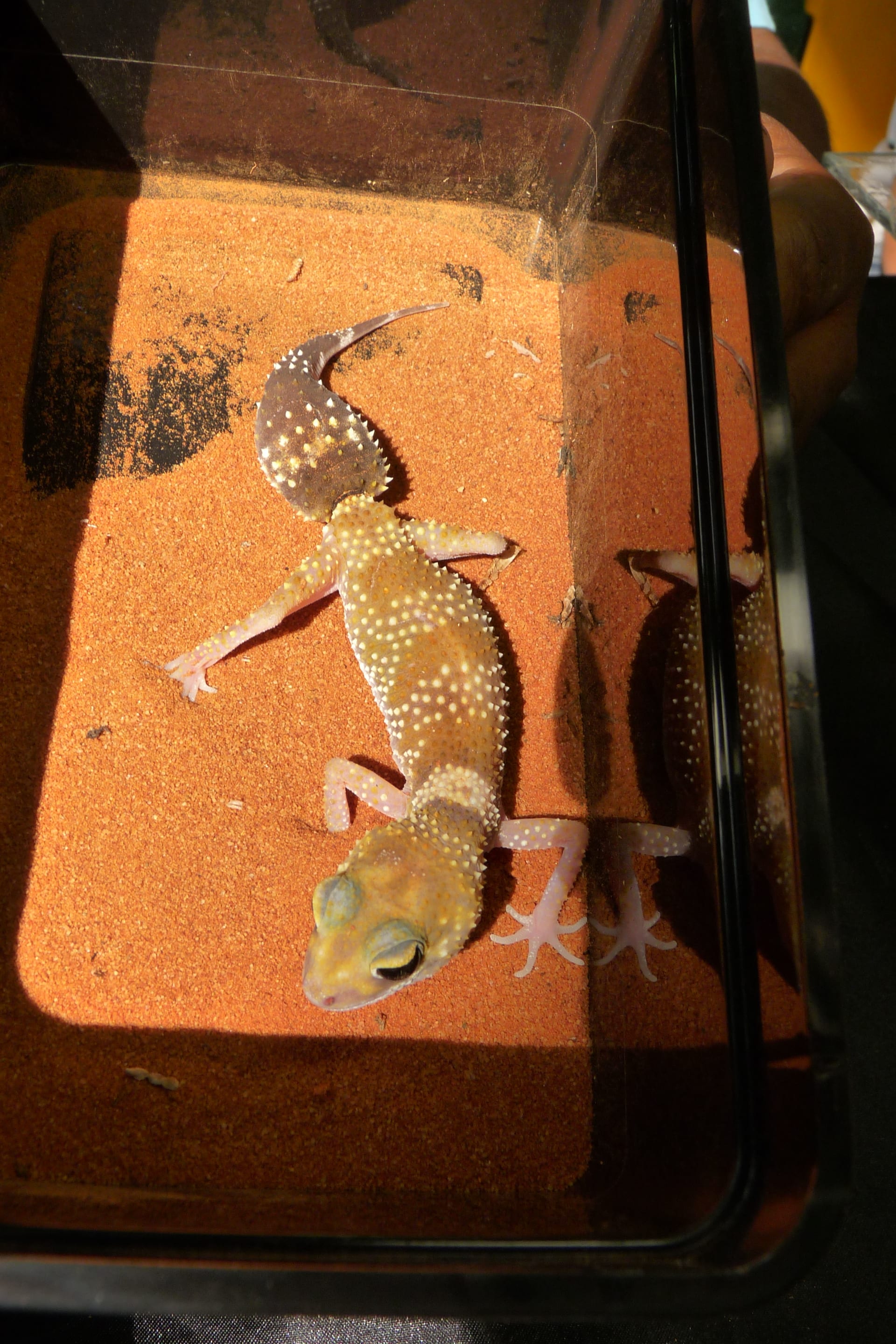
An Australian endemic gecko with a large triangular head and a short, leaf-shaped tail ending in a knob. Its skin is smooth for the genus, and pale tubercles form bands over a pinkish-grey to purplish-brown ground.
Difficulty
Intermediate
Lifespan
10-15 years in captivity
Size
About 12cm total length (SVL 8-10cm)
Humidity
40〜70%
Diet
Carnivorous: insects, spiders, centipedes, scorpions and other arthropods, plus small vertebrates such as other geckos
About
The smooth knob-tailed gecko (Nephrurus levis) is an Australian endemic in the family Carphodactylidae, reaching about 12 cm in total length with a snout-vent length of 8-10 cm. The head is triangular and broader than the body, with large eyes and vertical pupils. The short, flattened, leaf-shaped tail ends in a knob and can be autotomised, though there is only a single cleavage point at its base. The epithet levis means smooth, by contrast with the strongly tubercled Nephrurus asper. It is widespread in arid and semi-arid inland Australia, is nocturnal, and spends the day in a burrow it digs itself. Because Australia prohibits the export of its native wildlife, the only animals in trade are captive-bred descendants of stock exported in the past. Breeding successes have increased in recent years, making it one of the more available species in the genus. It is nervous and easily startled, so keep it in a quiet setting and avoid excessive handling.
Source: Wikipedia (CC BY-SA 4.0)
Lifespan of the Smooth Knob-Tailed Gecko
The Smooth Knob-Tailed Gecko lives 10-15 years in captivity.
Size of the Smooth Knob-Tailed Gecko
The Smooth Knob-Tailed Gecko grows to About 12cm total length (SVL 8-10cm).
Basic Info
Origin
Arid and semi-arid inland Australia (New South Wales, Northern Territory, Queensland, South Australia, Western Australia), in open woodland, arid shrubland, spinifex plains and dune fields
Lifespan
10-15 years in captivity
Size
Care Specifications
Semi-aggressiveSolitaryBreeding: Moderate
Sources: ReptiFiles: Knob-tailed Gecko Care / Reptiles Magazine: Knob-Tailed Gecko Care Sheet / Wikipedia (Japanese)
References & Sources
Edited & verified by: BreederDirect editorial team
The taxonomic, regulatory, and husbandry data on this page are compiled and verified against the authoritative primary sources below.
Taxonomy & Authority
Accepted name: Nephrurus levis De Vis, 1886
Synonyms: Nephrurus platyurus Boulenger, 1886
Authority databases: GBIF · Reptile Database
Nomenclature follows global taxonomic authority databases.
Regulations & Conservation Status
CITES Appendix IIIIUCN LC · Least Concern
At the request of Australia, genus Nephrurus spp. has been listed on CITES Appendix III (effective June 22, 2022). Because it is on Appendix III, registration as an international rare species is not required. Australia prohibits the export of wild animals native to its territory, and specimens in trade are limited to captive-bred individuals. This species is not included in the specific animals listed in the Schedule of the Enforcement Ordinance of the Animal Protection and Management Law, nor is it designated as a specified alien species under the Enforcement Ordinance of the Alien Species Law.
Sources: CITES Species+ (Nephrurus spp., Appendix III, Australia, effective 22 June 2022) / IUCN Red List
Regulations may change. Always verify the latest information with the relevant authorities.
Smooth Knob-Tailed Gecko Listings
Loading latest listingsFind listings for this species