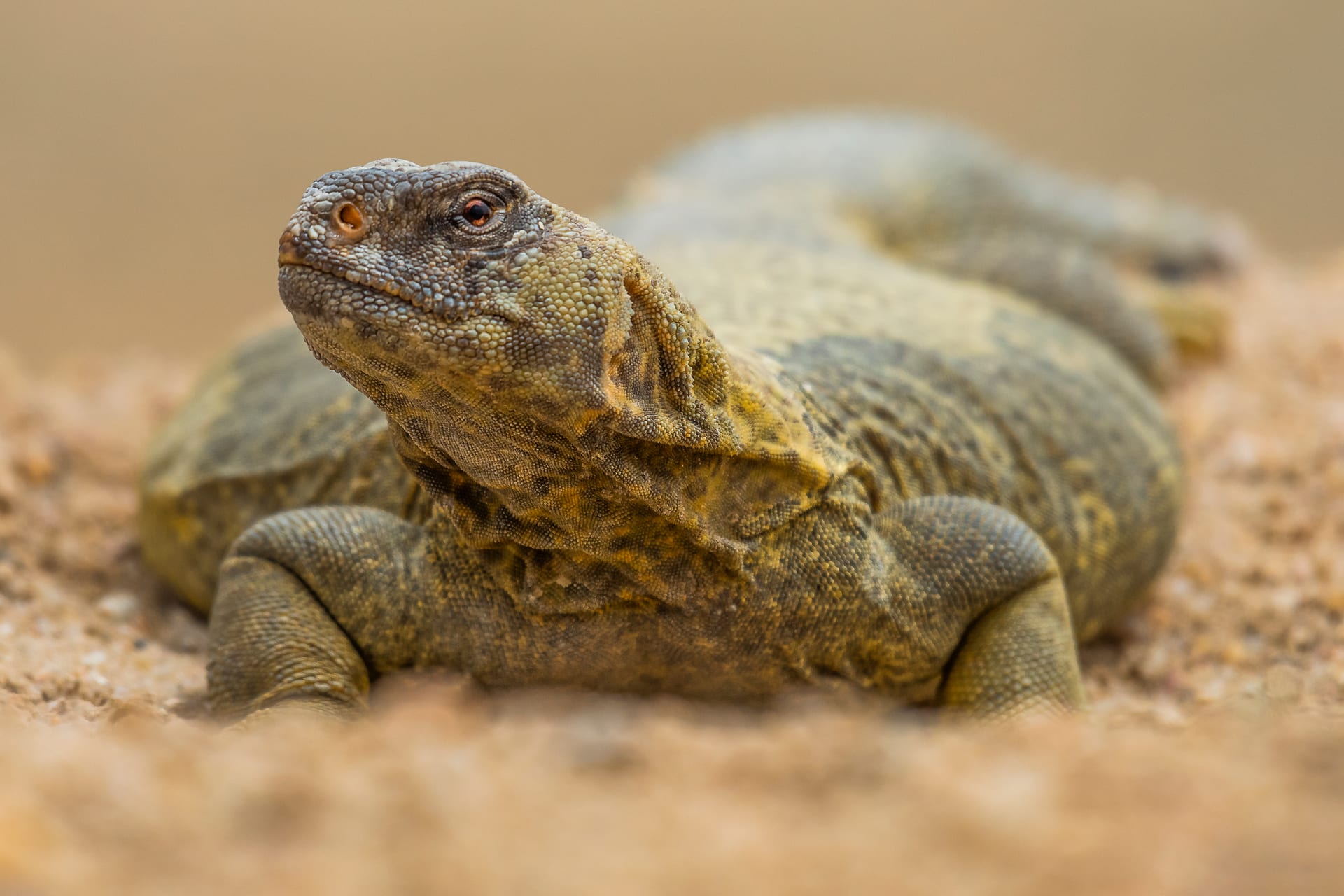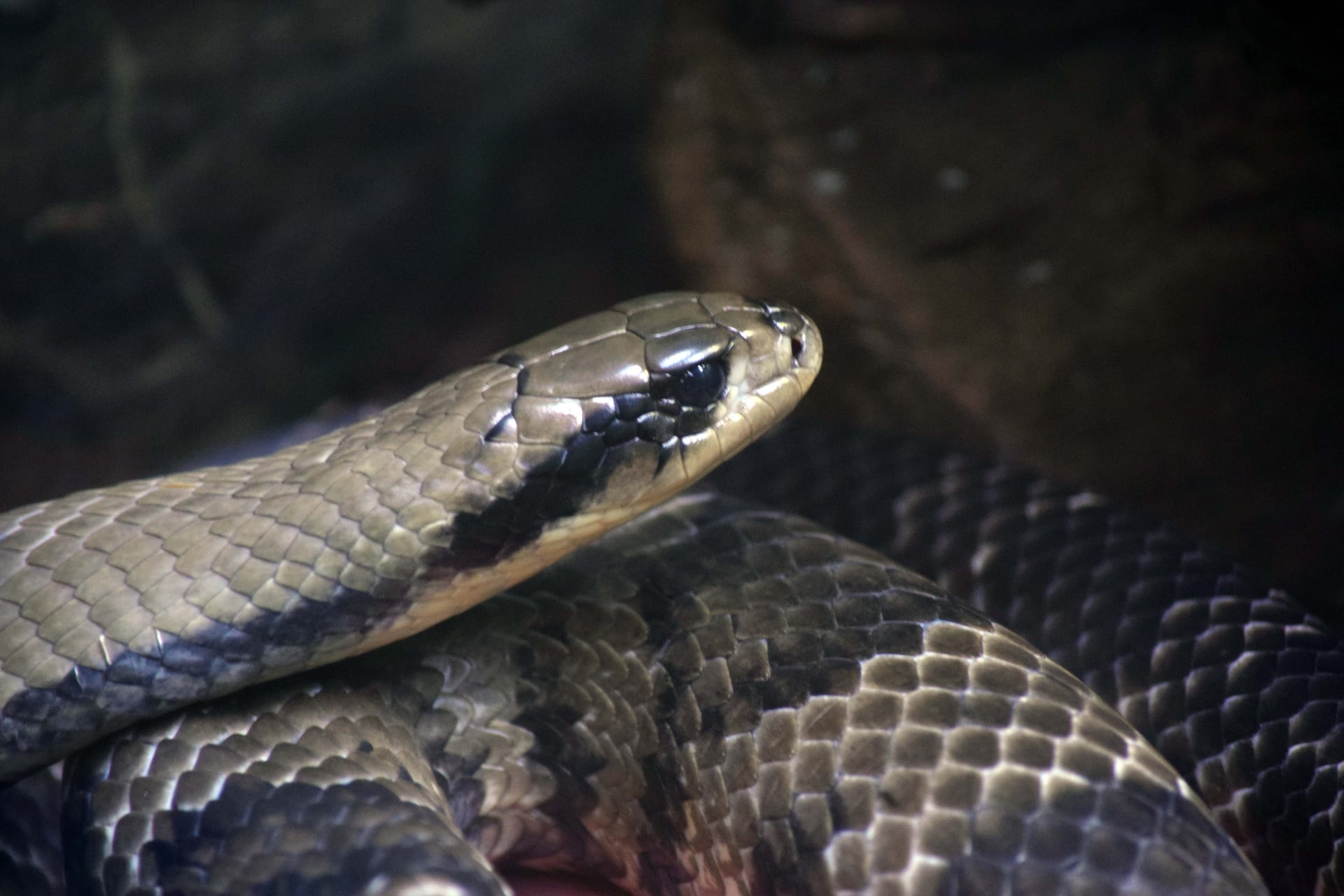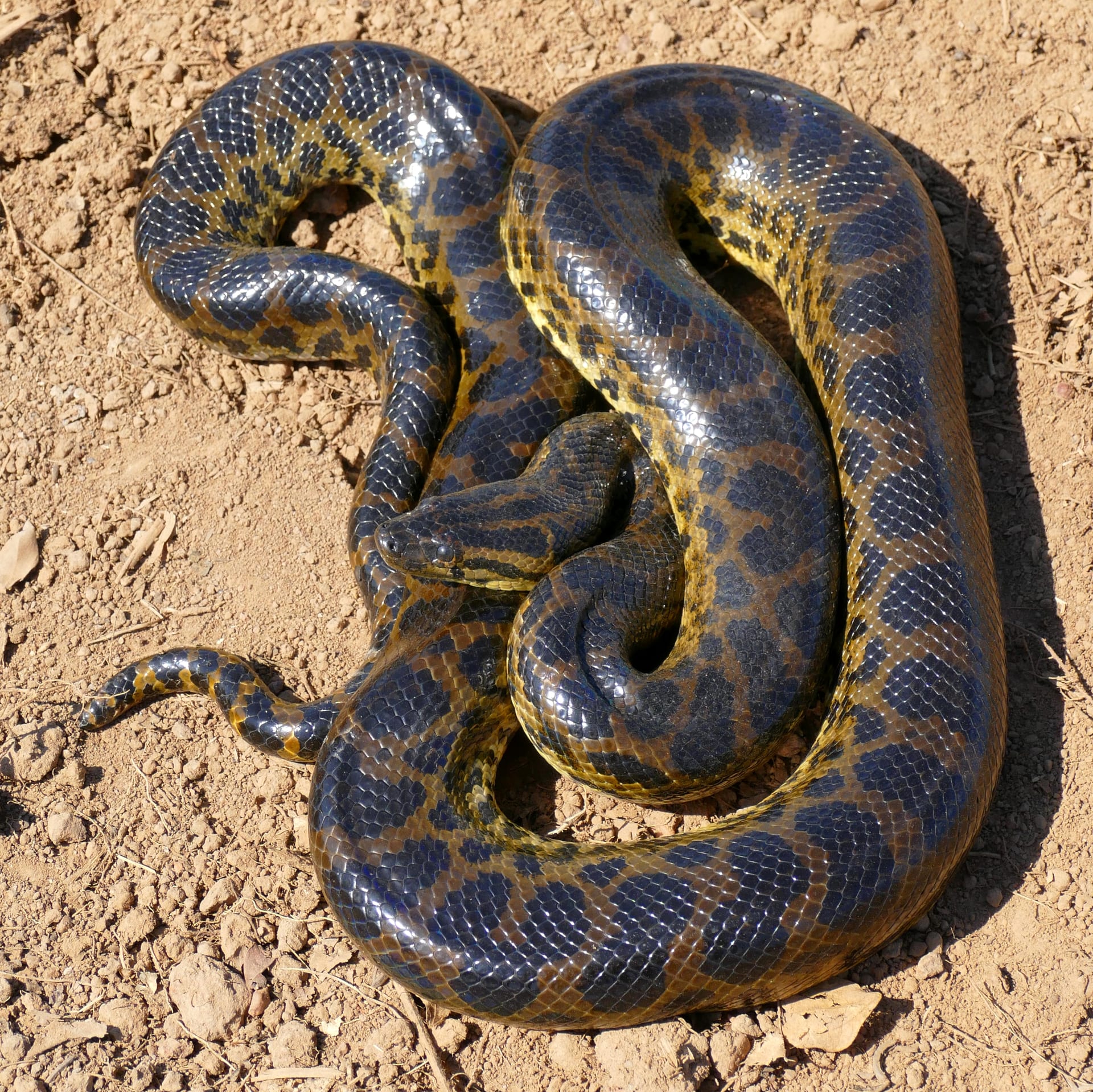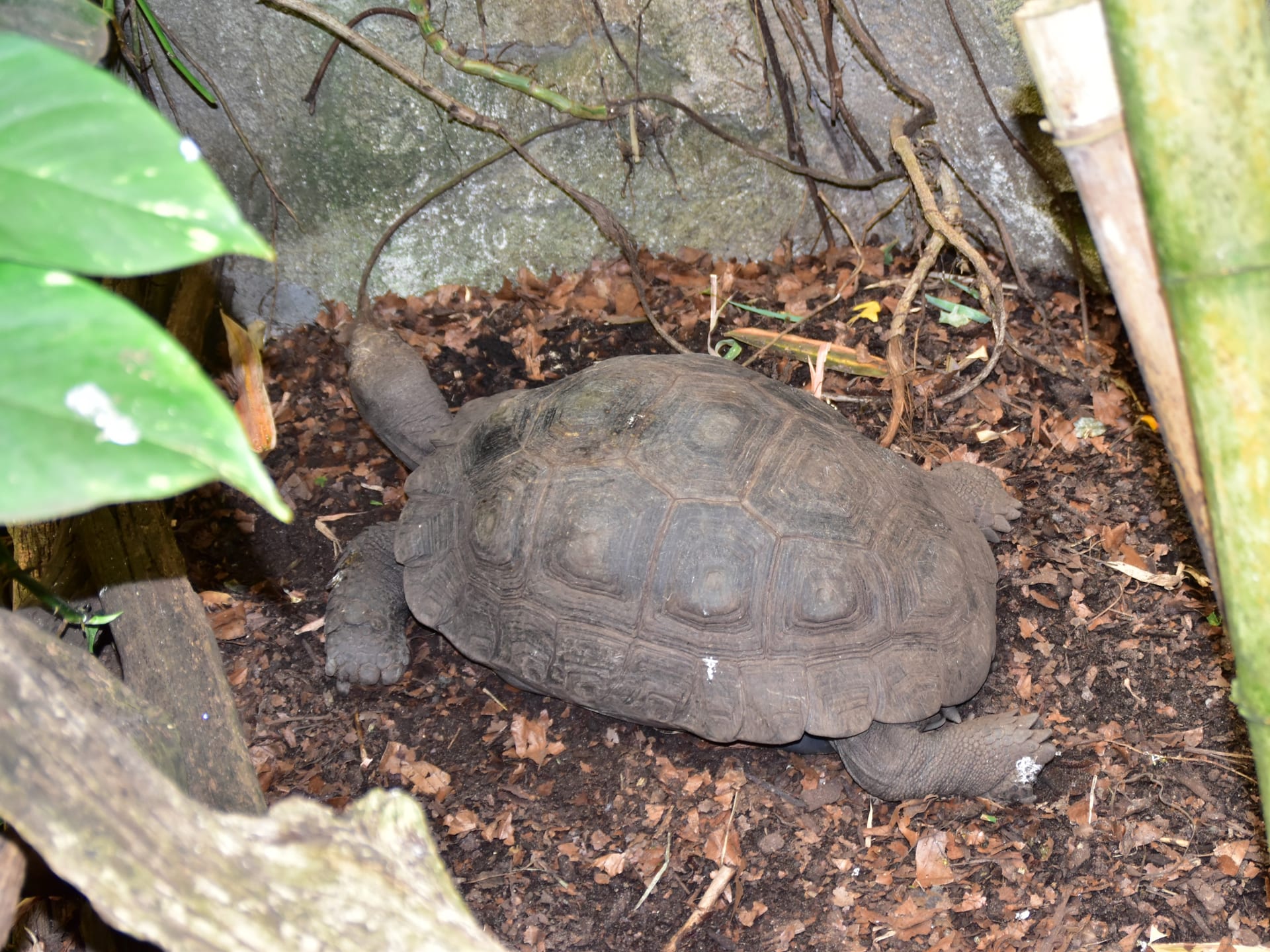
Source: Wikimedia Commons
Gold Tegu
AdvancedTupinambis teguixin
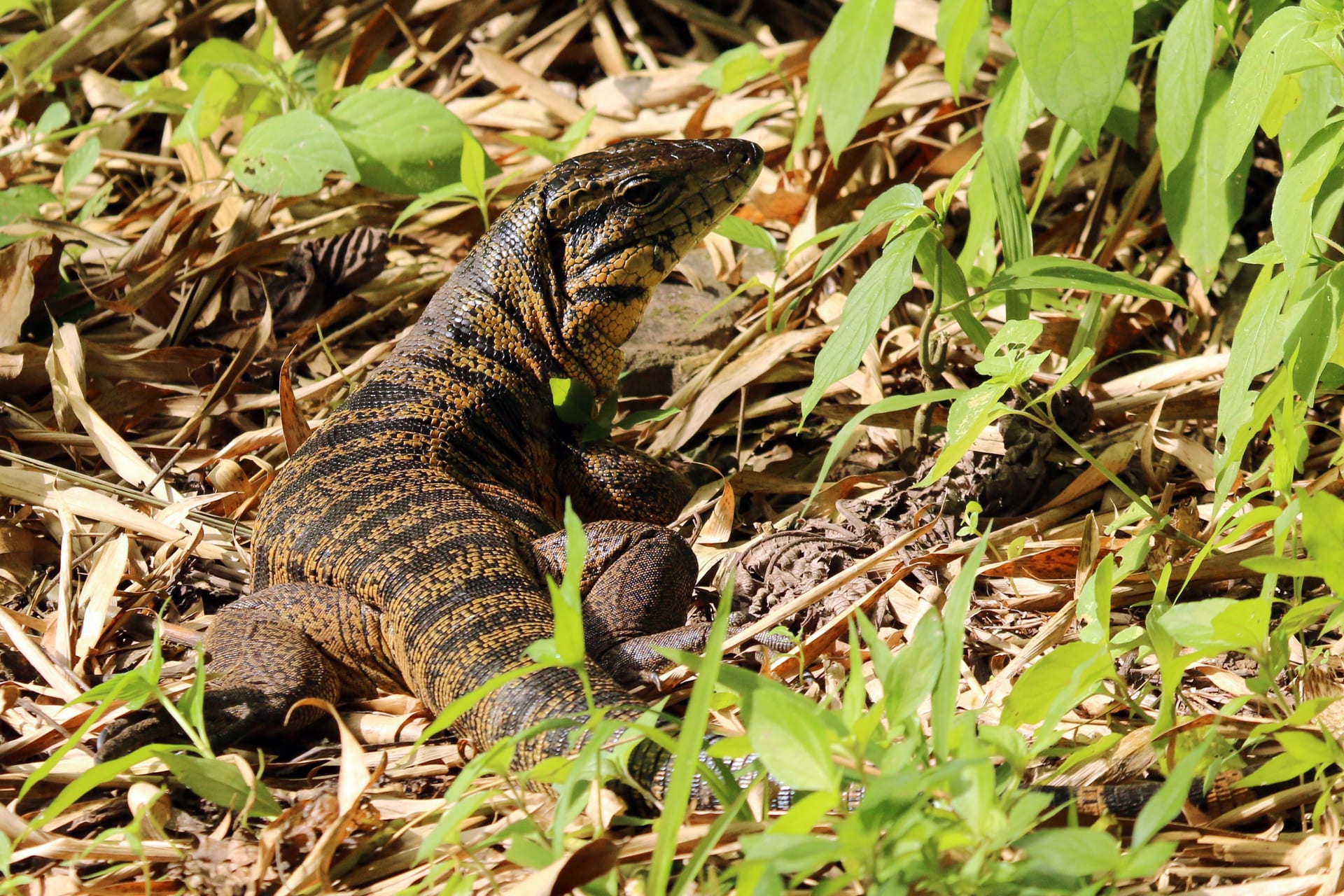
A large teiid lizard of the tropical forests from Panama through northern South America. Gold bands cross a glossy black body, the limbs are powerful and the tail long. Adults are 60-100 cm and can weigh 3.5-4 kg.
Difficulty
Advanced
Lifespan
15-20 years
Size
60-100cm
Humidity
40〜70%
Diet
Insects, snails, small mammals, small reptiles, birds, fish and eggs
About
Tupinambis teguixin is a large teiid lizard of the tropical forests from Panama through northern and central South America. Gold and black bands alternate along a glossy body, the limbs are thick and the tail long. Adults average 60-100 cm and reach 3.5-4 kg. It eats insects and other invertebrates such as snails, together with small mammals, lizards and snakes, birds and fish, and raids the nests of birds, turtles and caimans for eggs. Fruit and honey are taken occasionally, but while Argentine tegus (genus Salvator) are omnivorous, the Colombian tegus of the genus Tupinambis are strongly carnivorous. It does not tame as readily as the Argentine tegu, but with frequent handling it can become a settled animal.
Source: Wikipedia (CC BY-SA 4.0)
Lifespan of the Gold Tegu
The Gold Tegu lives 15-20 years.
Sexual maturity comes at about three years and the lifespan is 15-20 years.
Size of the Gold Tegu
The Gold Tegu grows to 60-100cm.
Basic Info
Origin
Panama and northern and central South America (Colombia, Venezuela, Brazil, Peru, Bolivia, Guyana, Suriname, French Guiana and Trinidad), in tropical forest
Lifespan
15-20 years
Size
60-100cm
Humidity
Care Specifications
Semi-aggressiveSolitaryBreeding: Hard
Sources: ReptiFiles: Colombian & Argentine Tegu Care Guide / Reptile Database / Wikipedia (English)
References & Sources
Edited & verified by: BreederDirect editorial team
The taxonomic, regulatory, and husbandry data on this page are compiled and verified against the authoritative primary sources below.
Taxonomy & Authority
Accepted name: Tupinambis teguixin (Linnaeus, 1758)
Synonyms: Lacerta teguixin Linnaeus, 1758, Tupinambis nigropunctatus Spix, 1825
Authority databases: Reptile Database
Nomenclature follows global taxonomic authority databases.
Regulations & Conservation Status
CITES Appendix II
Tegu genus Tupinambis spp. is listed in CITES Appendix II. Because it is Appendix II, no certificate of international endangered species registration is required. It is not included in the list of specified animals under the Order for Enforcement of the Law Concerning Protection and Management of Animals.
Sources: CITES Appendices (Tupinambis spp., Appendix II) / Order for Enforcement of the Act on Welfare and Management of Animals (list of designated animals)
Regulations may change. Always verify the latest information with the relevant authorities.
Gold Tegu Listings
Loading latest listingsFind listings for this species