Source: Wikimedia Commons
Spotted Turtle
IntermediateClemmys guttata
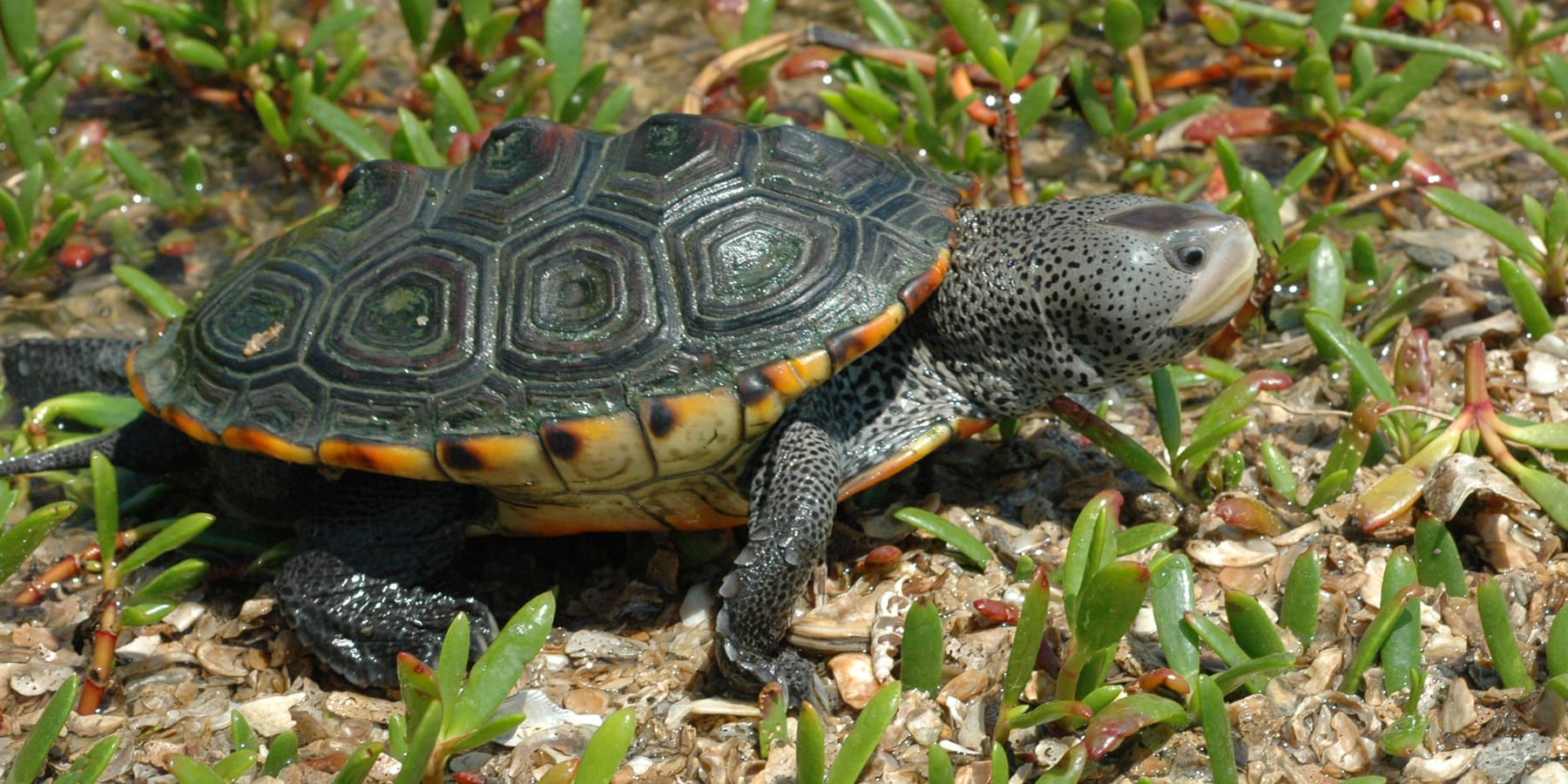
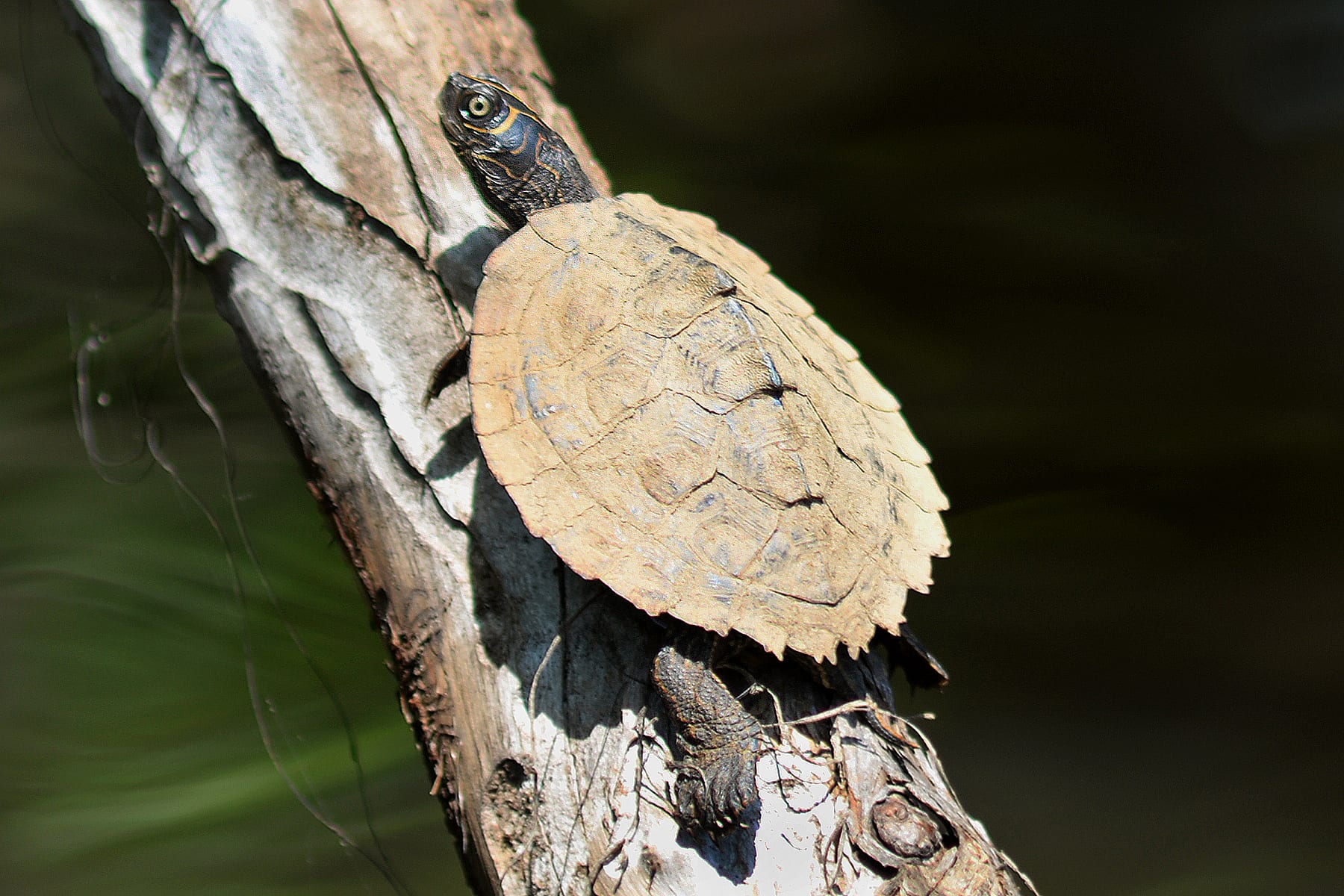
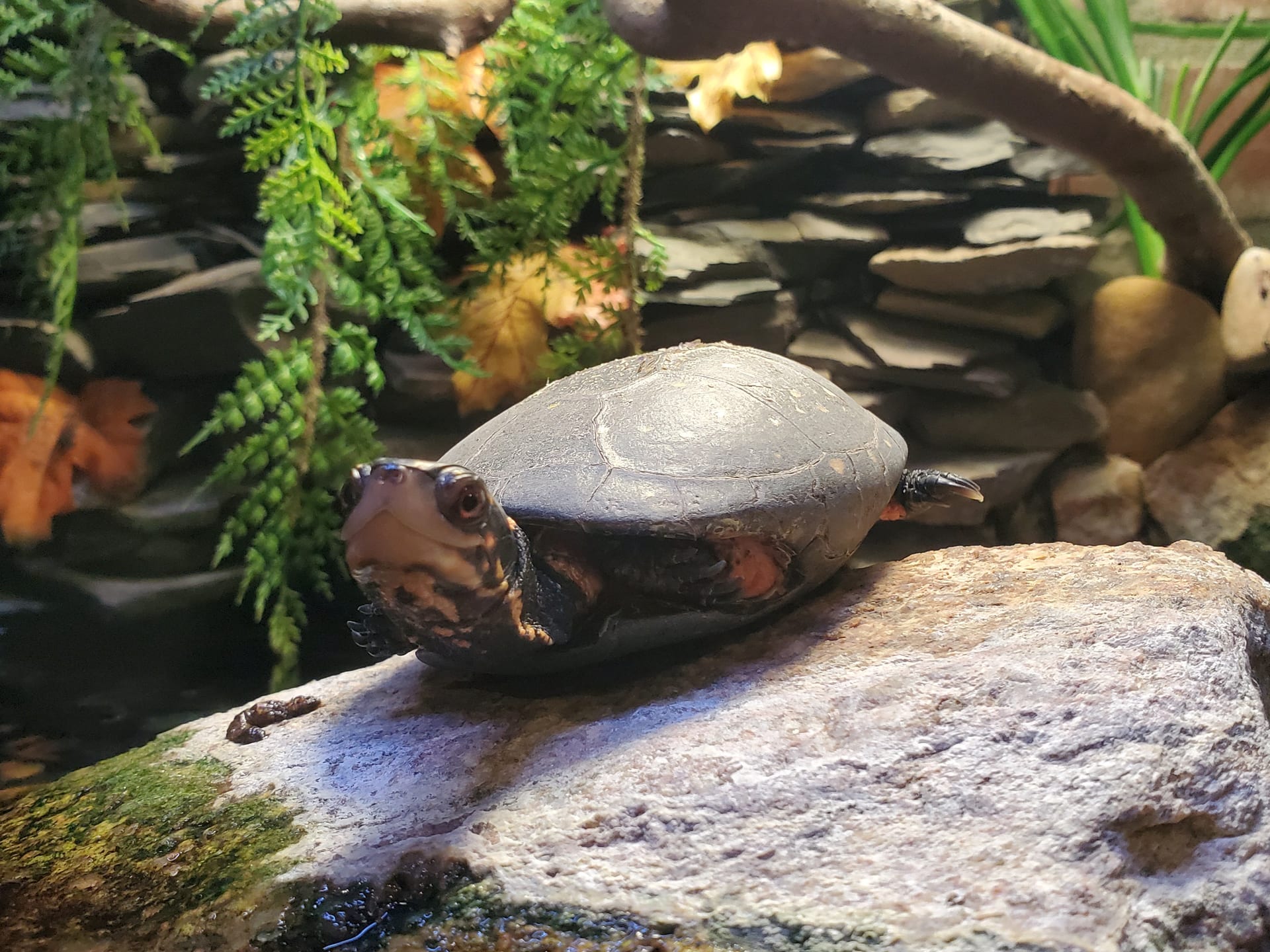
A small emydid from eastern North America whose black carapace is scattered with the yellow spots that give it its name. The carapace reaches 14.3 cm. The spots increase in number with age but may fade again in very old animals.
Difficulty
Intermediate
Lifespan
At least 50 years under good care, with over 100 years considered possible
Size
Carapace up to 14.3cm; males up to 12.2cm
Humidity
40〜70%
Diet
Aquatic turtle pellets, fish, amphibians, insects, spiders, crustaceans, fruit, aquatic plants and algae
About
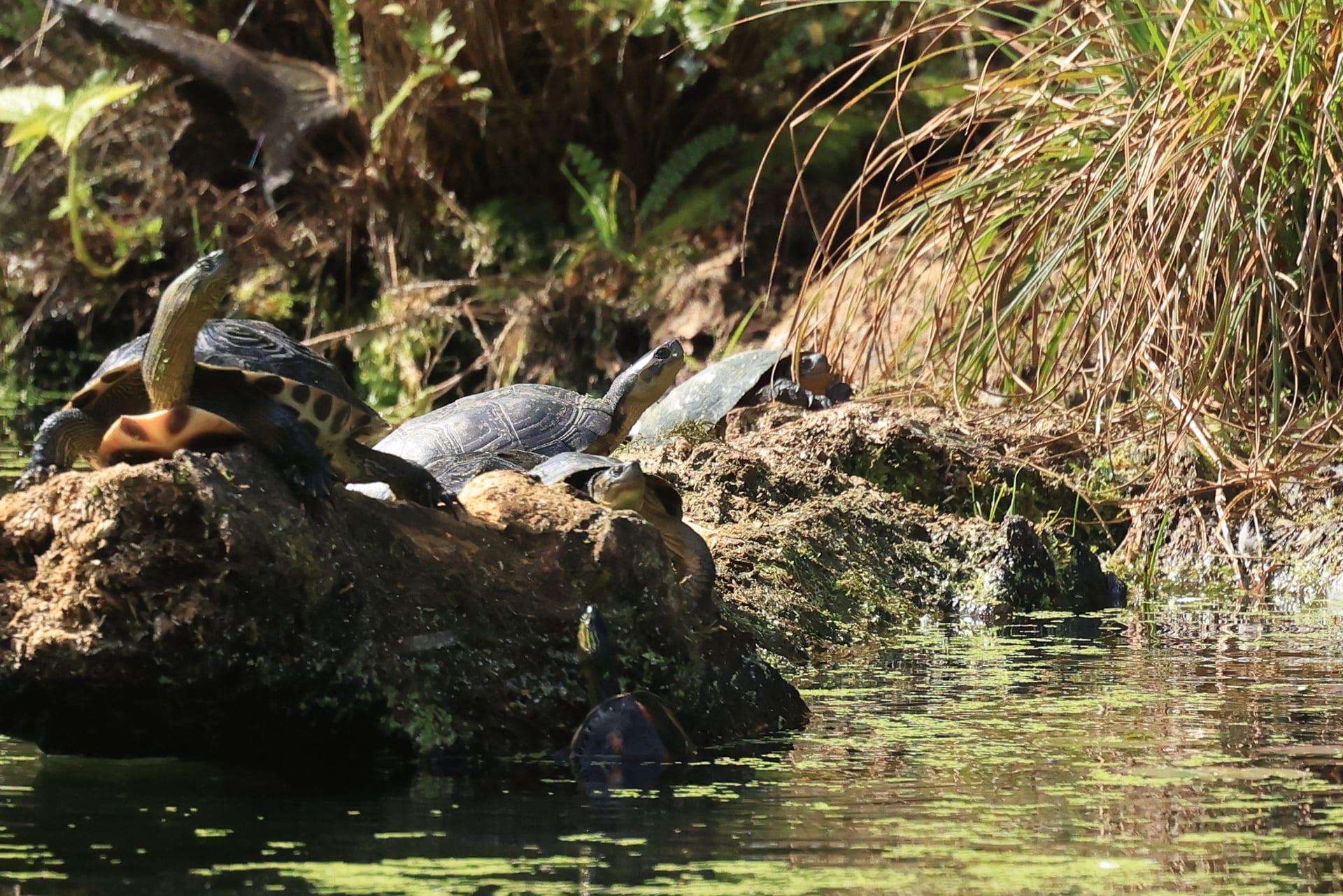
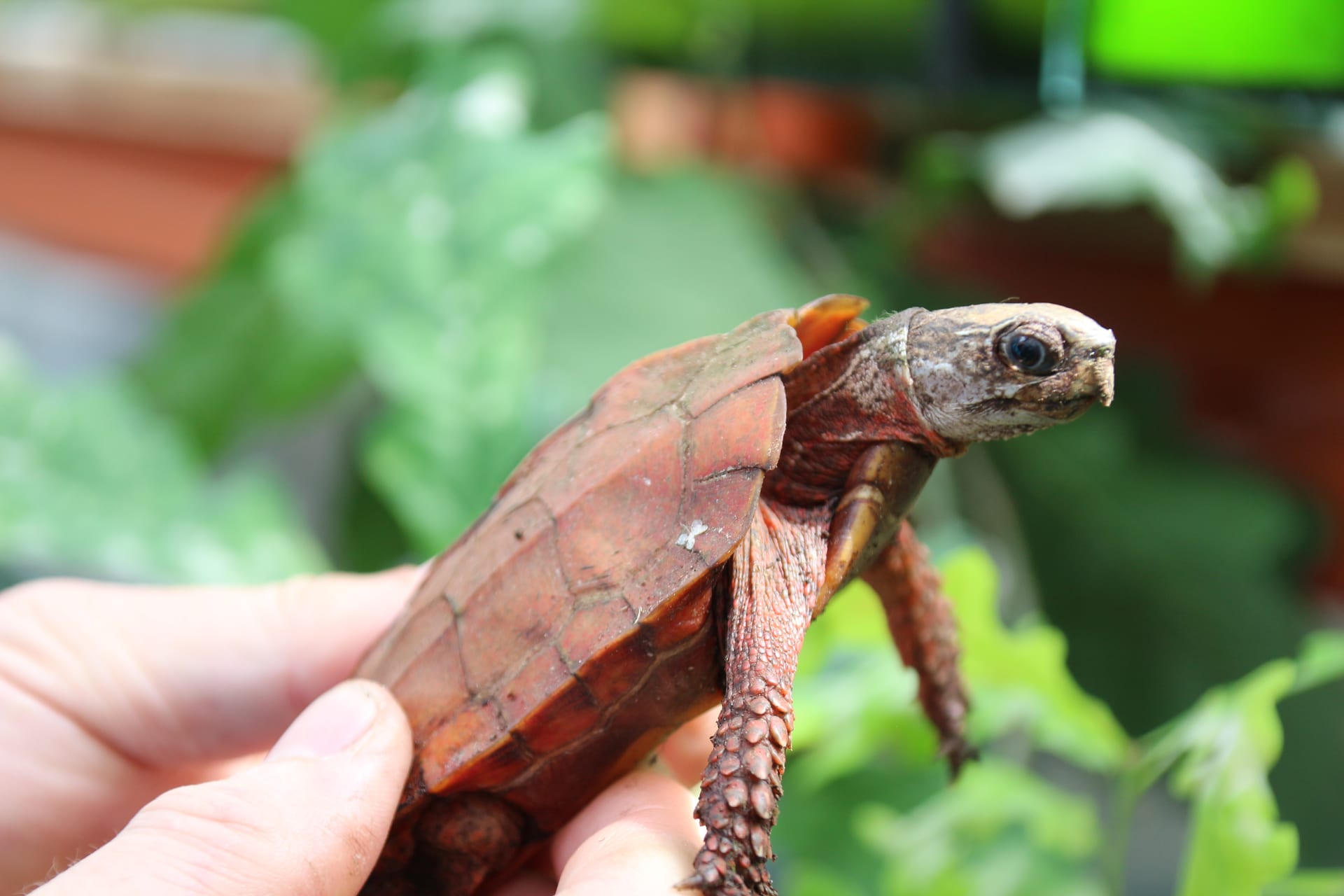
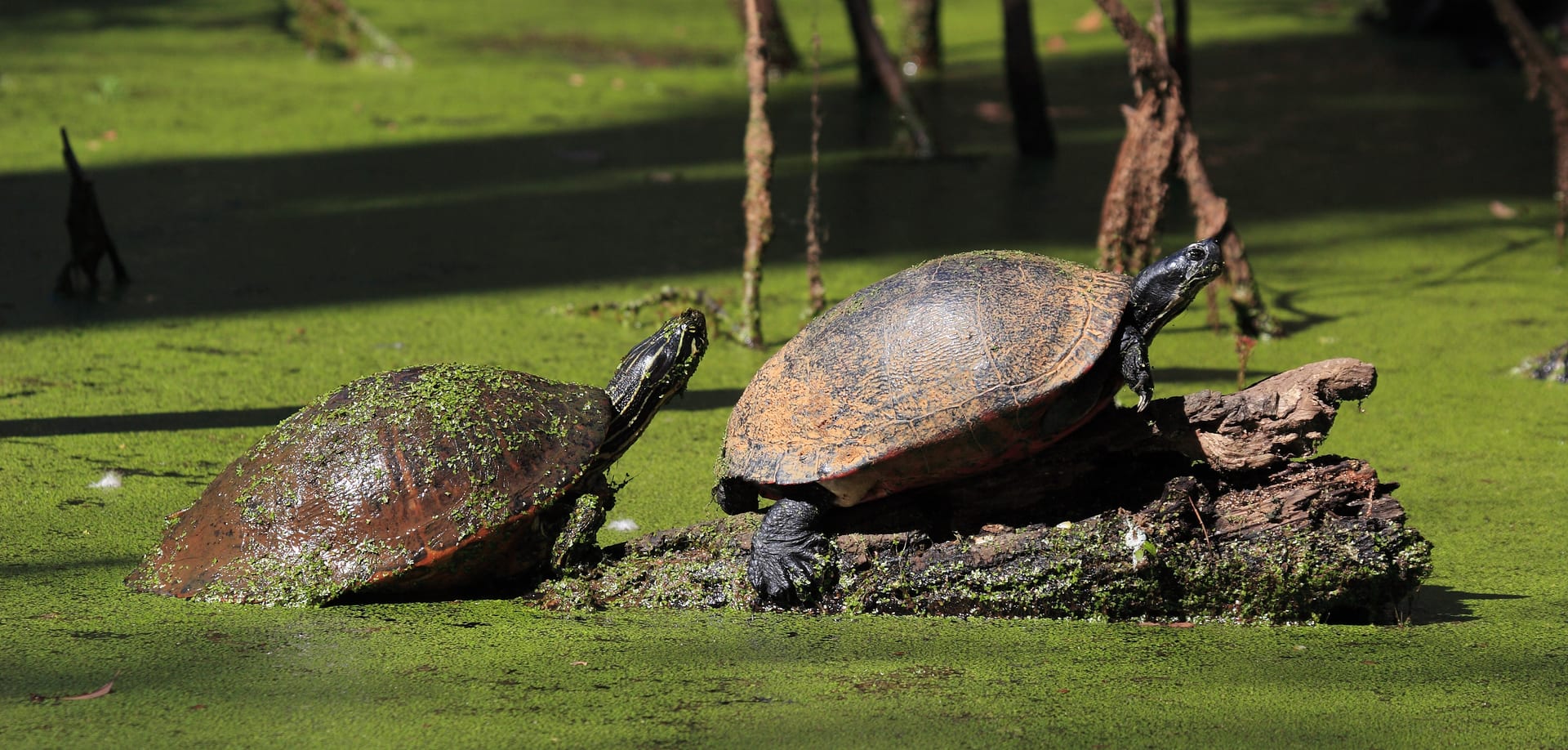
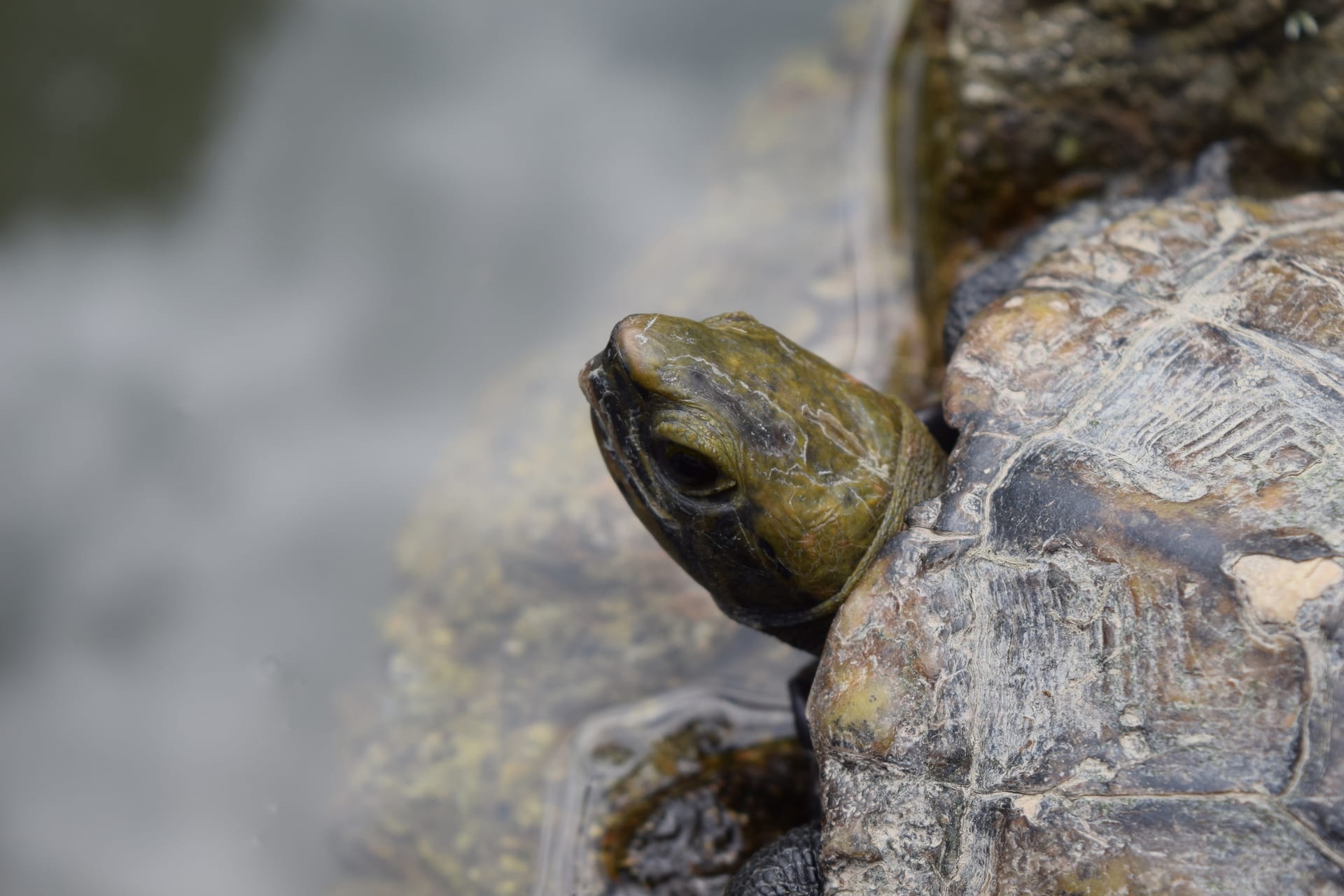
Clemmys guttata is an emydid turtle of eastern North America and the sole member of its genus. It is small, with a carapace to 14.3 cm, flat and without a keel; parts of the scutes are translucent so that the yellow spots on the underlying bone show through. The specific name guttata means spotted, matching the English name. Yellow spots also mark the head and limbs, and the base of the neck and the underside are tinged orange. Diurnal and semi-terrestrial to semi-aquatic, it favours shallow still water with dense vegetation and its surroundings, and buries itself in mud or leaf litter to rest through winter, and through summer in southern populations. Sex is determined by incubation temperature: males at 22.5 to 27 C and females above 30 C. Animals in the Japanese trade are captive bred, from Europe or from domestic breeders.
Source: Wikipedia (CC BY-SA 4.0)
Lifespan of the Spotted Turtle
The Spotted Turtle lives At least 50 years under good care, with over 100 years considered possible.
Size of the Spotted Turtle
The Spotted Turtle grows to Carapace up to 14.3cm; males up to 12.2cm.
Basic Info
Origin
Eastern United States from Maine to northern Florida and around the Great Lakes, and southern Ontario and southwestern Quebec in Canada, in shallow ponds, marshes and wet woodland with muddy or clay bottoms
Lifespan
At least 50 years under good care, with over 100 years considered possible
Size
Care Specifications
PeacefulSolitaryBreeding: Moderate
Sources: ReptiFiles: Spotted Turtle Care Sheet / Wikipedia (Japanese): Spotted turtle / Reptile Database
References & Sources
Edited & verified by: BreederDirect editorial team
The taxonomic, regulatory, and husbandry data on this page are compiled and verified against the authoritative primary sources below.
Primary sources
Taxonomy & Authority
Accepted name: Clemmys guttata (Schneider, 1792)
Synonyms: Testudo guttata Schneider, 1792, Emys guttata (Sowerby, 1872), Nanemys guttata (fide TTWG 2017)
Authority databases: Reptile Database
Nomenclature follows global taxonomic authority databases.
Regulations & Conservation Status
CITES Appendix IIIUCN EN · Endangered
Listed in CITES Appendix II, effective June 12, 2013. Because of Appendix II status, no individual registration certificate under the international rare and endangered species regulation is required. It is not listed as a special animal under the Enforcement Ordinance of the Animal Welfare and Management Act, nor as a specified invasive species. In the United States, it is legally protected in many states where it occurs.
Sources: CITES Appendices / Ministry of the Environment: list of invasive alien species / Order for Enforcement of the Act on Welfare and Management of Animals (designated dangerous animals) / IUCN Red List
Regulations may change. Always verify the latest information with the relevant authorities.
Spotted Turtle Listings
Loading latest listingsFind listings for this species